
เกี่ยวกับตอนนี้
What happened
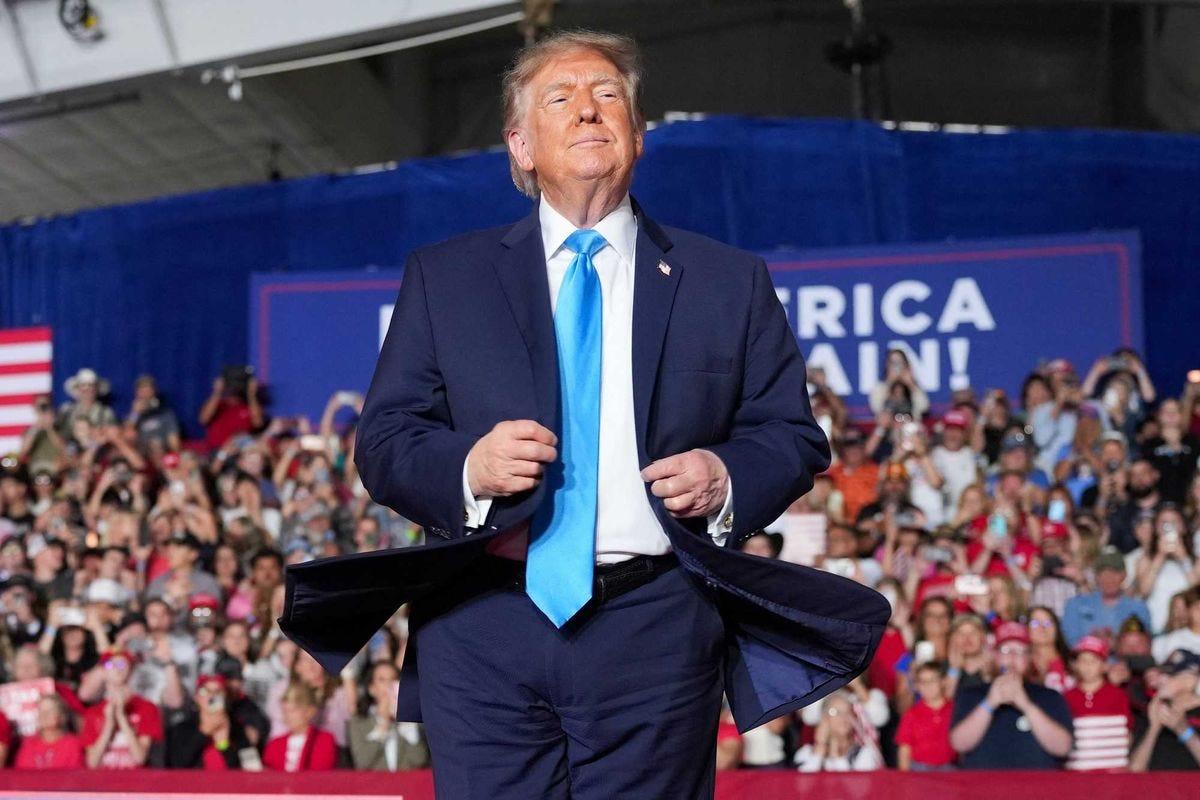
RawStory reports that menswear writer Derek Guy identified President Donald Trump’s Nebraska rally suit as a Jos. A. Bank garment made overseas, typically in countries including China and Bangladesh. Guy contrasted it with the company’s Joseph Abboud line, which he said is made in the United States, and asked why Trump chose “the cheap import” instead.
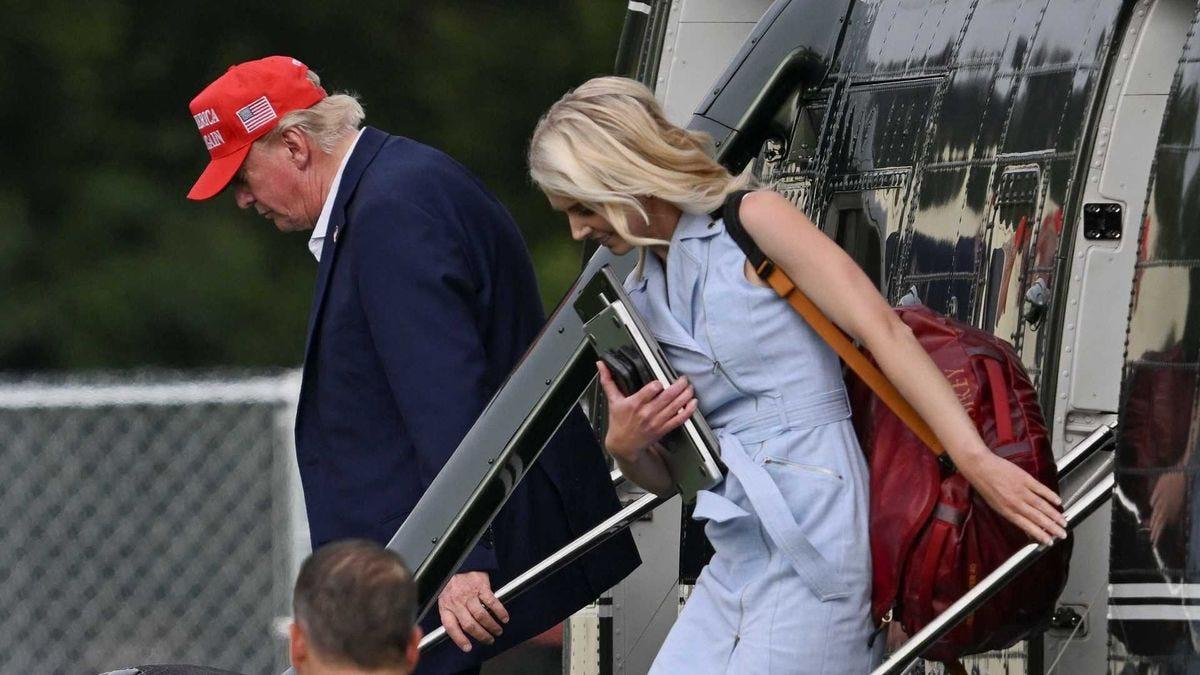
Trump wore the suit Tuesday at a rally in Grand Island, where he campaigned for Republican candidates including Sen. Pete Ricketts ahead of the 2026 midterm elections. RawStory presents the choice as conflicting with Trump’s claims that his administration is reviving American business, but the article does not establish why he selected that particular suit.
Power wears the contradiction
The suit matters only because Trump has made domestic production a political test for everyone else. A president can shape tariffs, procurement priorities, trade policy and the terms of his party’s economic message. Workers and consumers then absorb the consequences. His wardrobe is not policy, but it exposes how little personal discipline his rhetoric demands from the person wielding that power.
There is no evidence here that Trump personally inspected the label or knowingly rejected an American-made alternative. That limits what can responsibly be claimed about motive. It does not erase the contradiction between nationalist branding and the reported origin of the product he displayed while campaigning.
The choice was Trump’s
RawStory’s headline turns Guy’s observation into an “exposure,” but the underlying fact is simpler: Trump appeared at his own political rally in an imported suit. The relevant agency belongs to Trump and whoever manages his clothing—not to Bangladesh, China, retailers or consumers navigating the market his policies help structure.
Calling the garment “cheap” adds class signaling without sharpening the political case. Price is not the issue. The issue is that the country’s most powerful advocate of economic nationalism reportedly wore a foreign-made product while asking voters to trust his commitment to American industry.
A label is not an economic record
RawStory gestures toward stalled hiring as if one photographed suit can explain or prove the administration’s economic performance. It cannot. Nor does the article provide enough detail about those economic figures—their period, measure or source—to sustain a broader causal claim.
That weak framing lets the spectacle displace the harder inquiry: which businesses benefited from Trump’s decisions, which workers did not, and whether his administration’s policies produced the domestic revival he advertised. A clothing label can reveal hypocrisy. It cannot substitute for an accounting.
Nationalism for sale
The larger pattern is political branding without reciprocal obligation. Economic nationalism becomes a demand imposed downward: workers are told whom to blame, companies are rewarded for patriotic messaging, and consumers are instructed to treat purchasing as national loyalty. The leader remains free to consume globally while presenting himself as the embodiment of domestic renewal.
That asymmetry is the story. The imported suit is not a scandal in itself. It is a small, unusually legible example of a system in which sacrifice is marketed to the public while consistency remains optional for the people in power.
Thanks to Raw Story
Source: Fashion guru exposes damning detail in Trump’s ‘cheap’ rally suit: ‘I wonder why’
This is a public episode. If you'd like to discuss this with other subscribers or get access to bonus episodes, visit paulstsmith.substack.com/subscribe