

ABOUT THIS PODCAST 🔗
A psychotherapist explores topics relating to psychotherapy, philosophy, culture, and religion.
Hosts:
Update frequency:
daily
Average audio length:
50 minutes
Guest interviews
English
United States
388 episodes
since April 21, 2022
episodic
AUDIENCE OF THIS PODCAST 🔗
~62.82% of listeners are from United States.
🇺🇸
US
62.82%
🇮🇪
IE
10.25%
🇨🇭
CH
3.84%
🇬🇧
GB
3.84%
🇦🇺
AU
3.84%
🇵🇭
PH
2.13%
🇳🇴
NO
1.70%
🇩🇪
DE
1.70%
🇨🇦
CA
1.70%
🇳🇿
NZ
1.28%
🇷🇴
RO
1.28%
🇫🇷
FR
0.85%
🇧🇷
BR
0.85%
🇲🇽
MX
0.85%
🇪🇸
ES
0.42%
🇦🇱
AL
0.42%
🇮🇹
IT
0.42%
🇵🇹
PT
0.42%
🇿🇦
ZA
0.42%
🇸🇬
SG
0.42%
🇳🇱
NL
0.42%
Others
0.13%
* Data source: directly measured on Listen Notes. real-time
LATEST EPISODE 🔗

In this episode, I share why I’ve decided to step away from the podcast—at least for now.After five years of meaningful conversations and connections, I’ve been reflecting on the more complicated parts of creating publicly: anonymous feedback, declining ratings, my own sensitivity, and the ways I s…
PREVIOUS EPISODES 🔗

One of my favorite passages in Hermann Hesse’s Siddhartha is his reflection that he had to become a fool before he could truly awaken. It echoes the Prodigal Son and countless myths and fairy tales that suggest we often have to lose our way before we can genuinely find ourselves.
In this episode, I…

In this episode, I’m reflecting on love, polyamory, jealousy, projection, and the strange multiplicity of the human psyche.
This is not an episode arguing that polyamory is better than monogamy, or that everyone should rethink their relationship structure. I’m more interested in what polyamory open…

In this episode, I explore Jung’s complicated relationship to monogamy, sexuality, and love. Jung’s own life with Emma Jung and Toni Wolff seems to resemble what we might now call a vee relationship, similar in some ways to the painful arrangement between theologian Karl Barth, his wife Nelly Barth…

In this episode, I reflect on Hermann Hesse, Carl Jung, psychotherapy, and the double-edged sword of introspection. Drawing from an essay on Hesse and a concern raised by JF Martel on Weird Studies, I explore how the search for authenticity can become either a path toward responsibility or a trail …
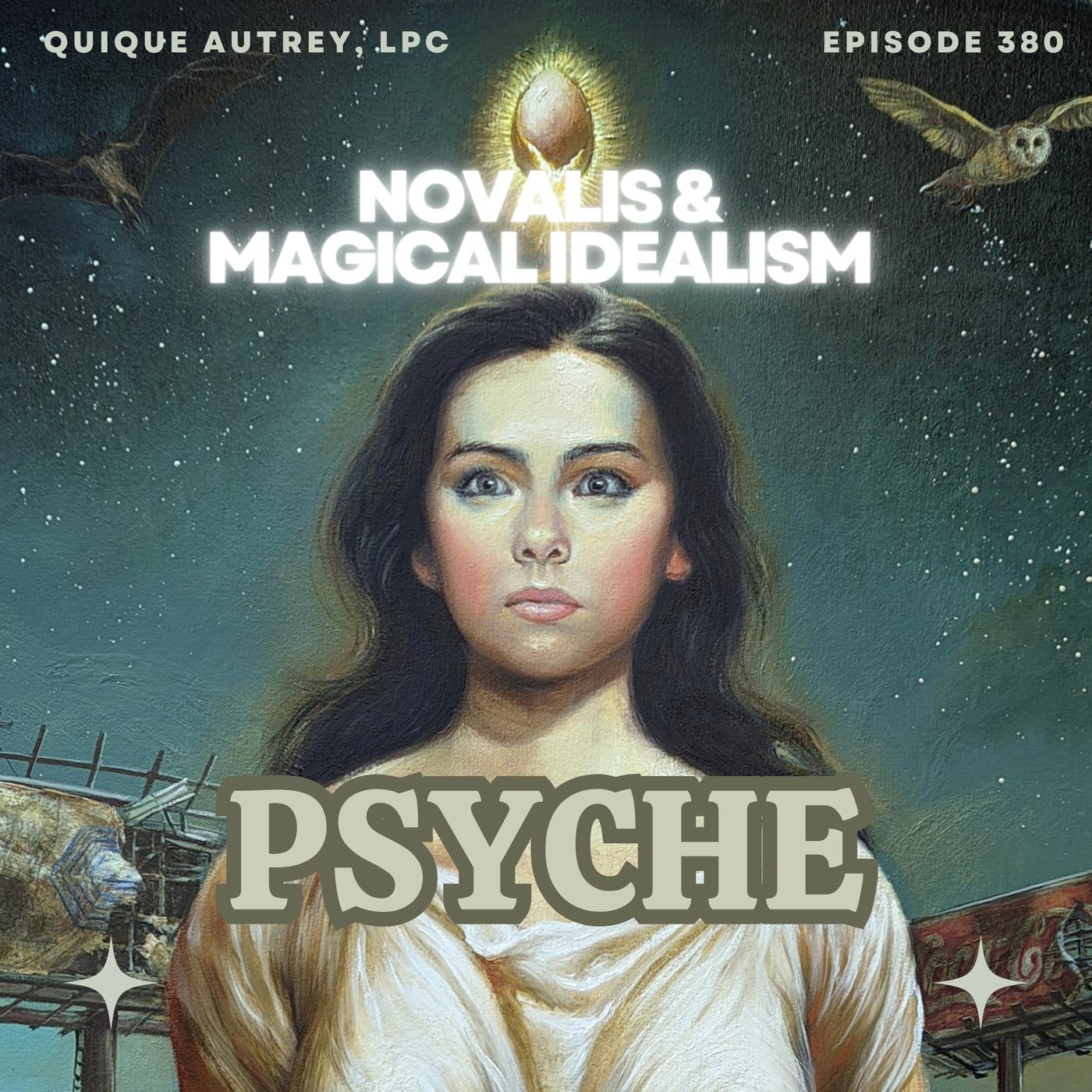
In this episode, I reflect on a section from Herman Hesse’s Demian where Emil Sinclair says that Novalis touches him more deeply than almost any other writer, maybe even more than Nietzsche. Since I’ve already known how important Nietzsche was for Hesse, this made me curious about Novalis and his s…

In this episode, I reflect on the strange and unsettling figure of Abraxas — the god Hermann Hesse brings into Demianand Carl Jung explores in The Red Book and the Seven Sermons to the Dead. Abraxas names something deeper than a simple “good versus evil” split. He becomes an image of the mixture of…

In this episode, I reflect on Stanton Marlan’s reading of Jung’s black sun and the Self as a way of challenging the common psychoanalytic caricature of Jung as a thinker of easy wholeness or spiritual closure. Putting Jung into conversation with Hegel, especially the idea of the Absolute as contrad…
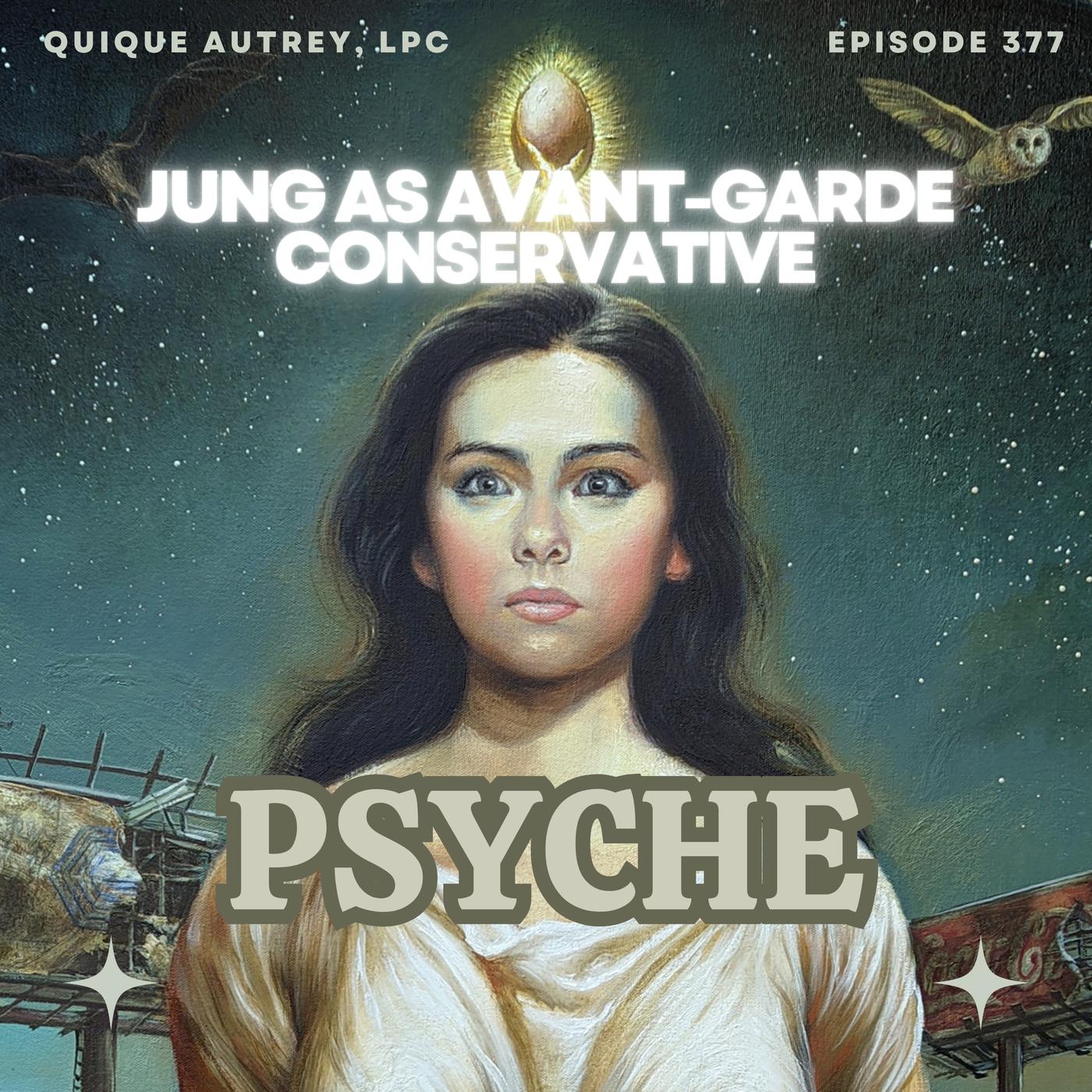
In this episode, I reflect on the conclusion of Jay Sherry’s Carl Gustav Jung: Avant-Garde Conservative and the uncomfortable question of Jung’s failures during the Nazi era. Sherry helps us see Jung not as a timeless sage floating above history, but as a brilliant and deeply flawed thinker whose m…

In this episode, I reflect on starting to reread Gregory Shaw’s Theurgy and the Soul and the strange, painful tension of admiring a scholar of Iamblichus while discovering he is currently involved in a contested legal case where a woman is accusing him of stealing over 80k from her on a dating webs…
Disclaimer: The podcast and artwork embedded on this page are from Quique Autrey, which is the property of its owner and not affiliated with or endorsed by Listen Notes, Inc.
PODCAST SEARCH ENGINE
You can use our website to search 3,820,918 podcasts and 195,289,297 episodes by people, places, or topics.

I have no special talent. I am only passionately curious, and
I listen to podcasts.
‐ Albert "Llamacorn" Einstein
CLAIM THIS PODCAST
Why to claim podcasts?
If you are a podcaster, the best way to manage your podcasts on Listen Notes is by claiming your Listen Notes
podcast pages.
It is a great, free way to engage the podcast community and increase the visibility of your podcasts.
After claiming your Listen Notes podcast pages, you will be able to:
✓
Manually refresh the RSS feed to sync up
✓
Get a verified badge (
✓
) alongside with your podcast name on Listen Notes
✓
Post classified ads for sponsorship,
guests, co-hosts,
cross-promotion...
✓
Respond to listener comments on Listen Notes
✓
Use speech-to-text techniques to transcribe your show and
edit transcripts
✓
Improve the presence of your podcasts, e.g., self-service
podcaster interview...
✓
If you share your Listen Notes page and at-mention @ListenNotes
on X (formerly Twitter),
our official X (formerly Twitter) account will retweet to promote
your show to our followers.
Coming soon:
◯ Self-service promotion on Listen Notes
◯ Track your podcast stats on Listen
Notes, e.g., listens, page
views...
◯ Manage episodes
EDIT
Thank you for helping to keep the podcast database up to date.
