


ABOUT THIS EPISODE

BUFFALO, NY – September 9, 2026 – A new #review was #published in Volume 17 of Oncotarget on September 8, 2026, titled “Re-expression of MHC-I to treat CNS cancers.”
The review examines emerging strategies to restore major histocompatibility complex class I (MHC-I) expression in cancers of the central nervous system (CNS), with the goal of making these tumors more visible and vulnerable to immune attack.
The review was authored by Arseniy E. Yuzhalin from the Sirius University of Science and Technology in Sochi, Russia.
Malignant central nervous system (CNS) tumors such as glioblastoma and brain metastases are often immunologically “cold,” with limited T-cell infiltration and poor responses to immune checkpoint therapy. One important mechanism of immune escape is the reduction or loss of major histocompatibility complex class I (MHC-I), which normally displays tumor-associated antigens to cytotoxic CD8+ T cells. When MHC-I expression falls, cancer cells become less visible to immune surveillance.
The review examines several strategies for restoring MHC-I expression. Epigenetic therapies, including histone deacetylase and DNA methyltransferase inhibitors, could potentially reverse epigenetic silencing of MHC-I genes, although blood-brain barrier penetration remains a major limitation in CNS cancers. A more direct approach could use adeno-associated virus (AAV) vectors to deliver patient-specific HLA-A, HLA-B, or HLA-C genes or transcription factors such as NLRC5 that promote MHC-I expression. However, efficient tumor targeting, gene delivery, and control of the immunosuppressive tumor microenvironment remain unresolved challenges.
The review also highlights PCSK9 inhibition as a clinically relevant strategy. PCSK9 can promote MHC-I degradation, and a recent surgical-window trial tested the cholesterol-lowering drug evolocumab in patients with newly diagnosed or recurrent glioma. A single preoperative dose showed measurable blood-brain barrier penetration, and tumors with higher drug concentrations displayed increased surface MHC-I expression, greater CD8+ T-cell infiltration, and enhanced cytotoxic activity. These findings provide proof-of-mechanism, although drug delivery into the brain remains a limiting factor.
Full press release - https://www.oncotarget.com/news/pr/restoring-mhc-i-expression-could-strengthen-immune-responses-against-cns-cancers/
DOI - https://doi.org/10.18632/oncotarget.28917
Correspondence to - Arseniy E. Yuzhalin - yuzhalin.ae@talantiuspeh.ru
Abstract video - https://www.youtube.com/watch?v=NDvQ7QS3DFg
Sign up for free Altmetric alerts about this article - https://oncotarget.altmetric.com/details/email_updates?id=10.18632%2Foncotarget.28917
Subscribe for free publication alerts from Oncotarget - https://www.oncotarget.com/subscribe/
Keywords - cancer, brain tumor, CNS cancer, glioblastoma, brain metastasis; MHC-I
To learn more about Oncotarget, please visit https://www.oncotarget.com and connect with us:
Facebook - https://www.facebook.com/Oncotarget/
X - https://twitter.com/oncotarget
Instagram - https://www.instagram.com/oncotargetjrnl/
YouTube - https://www.youtube.com/@OncotargetJournal
LinkedIn - https://www.linkedin.com/company/oncotarget
Pinterest - https://www.pinterest.com/oncotarget/
Reddit - https://www.reddit.com/user/Oncotarget/
Spotify - https://open.spotify.com/show/0gRwT6BqYWJzxzmjPJwtVh
MEDIA@IMPACTJOURNALS.COM
The review examines emerging strategies to restore major histocompatibility complex class I (MHC-I) expression in cancers of the central nervous system (CNS), with the goal of making these tumors more visible and vulnerable to immune attack.
The review was authored by Arseniy E. Yuzhalin from the Sirius University of Science and Technology in Sochi, Russia.
Malignant central nervous system (CNS) tumors such as glioblastoma and brain metastases are often immunologically “cold,” with limited T-cell infiltration and poor responses to immune checkpoint therapy. One important mechanism of immune escape is the reduction or loss of major histocompatibility complex class I (MHC-I), which normally displays tumor-associated antigens to cytotoxic CD8+ T cells. When MHC-I expression falls, cancer cells become less visible to immune surveillance.
The review examines several strategies for restoring MHC-I expression. Epigenetic therapies, including histone deacetylase and DNA methyltransferase inhibitors, could potentially reverse epigenetic silencing of MHC-I genes, although blood-brain barrier penetration remains a major limitation in CNS cancers. A more direct approach could use adeno-associated virus (AAV) vectors to deliver patient-specific HLA-A, HLA-B, or HLA-C genes or transcription factors such as NLRC5 that promote MHC-I expression. However, efficient tumor targeting, gene delivery, and control of the immunosuppressive tumor microenvironment remain unresolved challenges.
The review also highlights PCSK9 inhibition as a clinically relevant strategy. PCSK9 can promote MHC-I degradation, and a recent surgical-window trial tested the cholesterol-lowering drug evolocumab in patients with newly diagnosed or recurrent glioma. A single preoperative dose showed measurable blood-brain barrier penetration, and tumors with higher drug concentrations displayed increased surface MHC-I expression, greater CD8+ T-cell infiltration, and enhanced cytotoxic activity. These findings provide proof-of-mechanism, although drug delivery into the brain remains a limiting factor.
Full press release - https://www.oncotarget.com/news/pr/restoring-mhc-i-expression-could-strengthen-immune-responses-against-cns-cancers/
DOI - https://doi.org/10.18632/oncotarget.28917
Correspondence to - Arseniy E. Yuzhalin - yuzhalin.ae@talantiuspeh.ru
Abstract video - https://www.youtube.com/watch?v=NDvQ7QS3DFg
Sign up for free Altmetric alerts about this article - https://oncotarget.altmetric.com/details/email_updates?id=10.18632%2Foncotarget.28917
Subscribe for free publication alerts from Oncotarget - https://www.oncotarget.com/subscribe/
Keywords - cancer, brain tumor, CNS cancer, glioblastoma, brain metastasis; MHC-I
To learn more about Oncotarget, please visit https://www.oncotarget.com and connect with us:
Facebook - https://www.facebook.com/Oncotarget/
X - https://twitter.com/oncotarget
Instagram - https://www.instagram.com/oncotargetjrnl/
YouTube - https://www.youtube.com/@OncotargetJournal
LinkedIn - https://www.linkedin.com/company/oncotarget
Pinterest - https://www.pinterest.com/oncotarget/
Reddit - https://www.reddit.com/user/Oncotarget/
Spotify - https://open.spotify.com/show/0gRwT6BqYWJzxzmjPJwtVh
MEDIA@IMPACTJOURNALS.COM
English
United States
TRANSCRIPT 🔗
Are you the producer of this podcast?
Add a podcast transcript
Need Audio-to-Text?
Transcribe with Listen411 in Just 60 Seconds
OTHER EPISODES IN THIS PODCAST
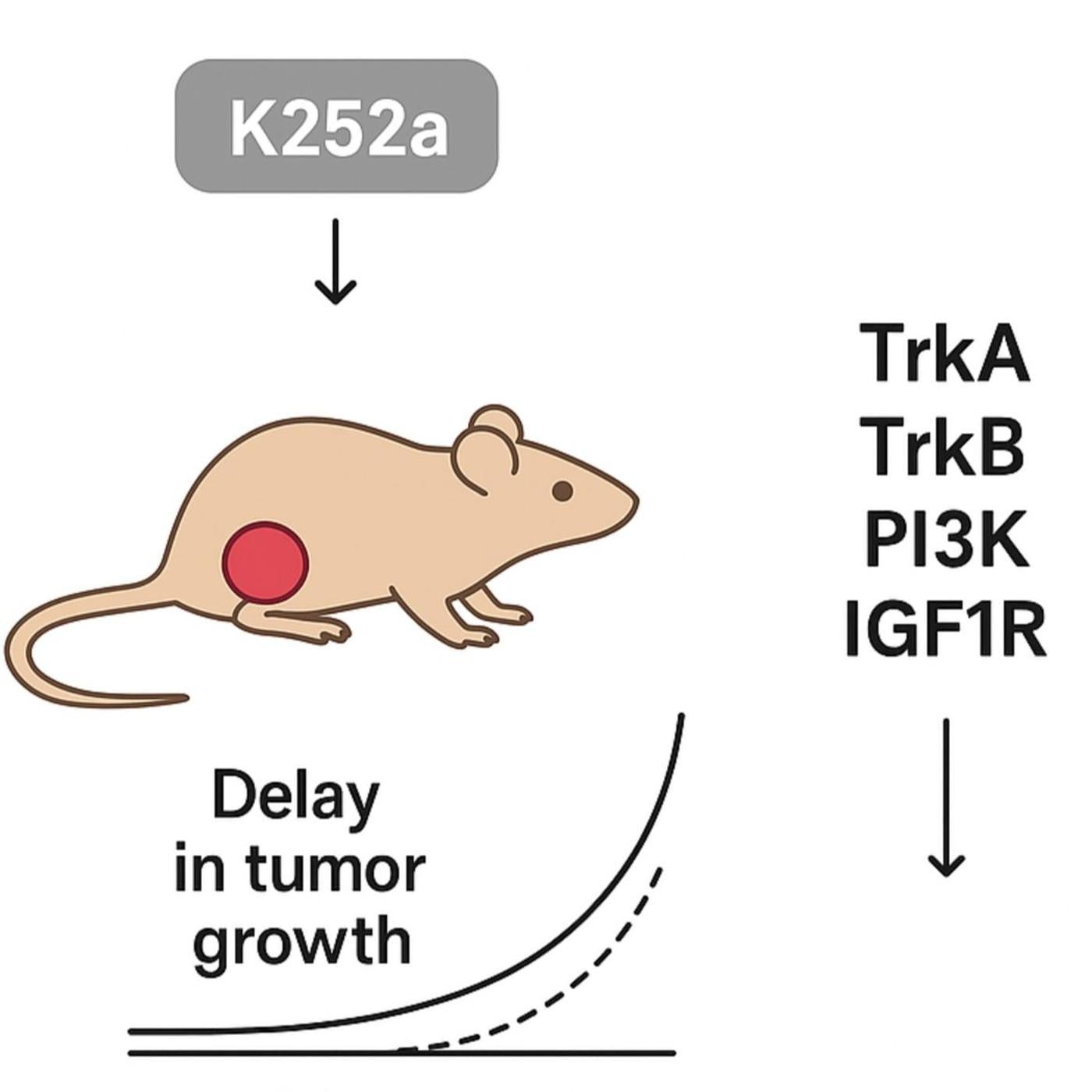
BUFFALO, NY – August 10, 2026 – A new #research paper was #published in Volume 17 of Oncotarget on August 7, 2026, titled “Delayed growth of SK-ES-1 Ewing sarcoma tumor xenografts is associated with reduced Trk and IGF1R pathway markers.”
The study was led by first author Bruna Almeida dos Santos …

BUFFALO, NY – August 25, 2026 – A new precision oncology paper was #published in Volume 17 of Oncotarget on August 14, 2026, titled “Systematic methodological flaws in DNA contamination assessment of mRNA vaccines: A critical analysis of Achs et al. (2025).”
The article was led by first and corres…

BUFFALO, NY – August 28, 2026 – A new #research paper was published in Volume 17 of Oncotarget on August 19, 2026, titled “Incidence of KRAS G12C mutations in genitourinary malignancies; emerging target in precision medicine.”
The study was led by first author Kelly Crane from the Department of Ur…

BUFFALO, NY – August 31, 2026 – A new #editorial was published in Volume 17 of Oncotarget on June 8, 2026, titled “Tumor infiltrating lymphocyte (TIL) therapy for treating the solid tumors: Challenges and future perspectives.”
The editorial was led by first and corresponding author Bhartendra Shar…
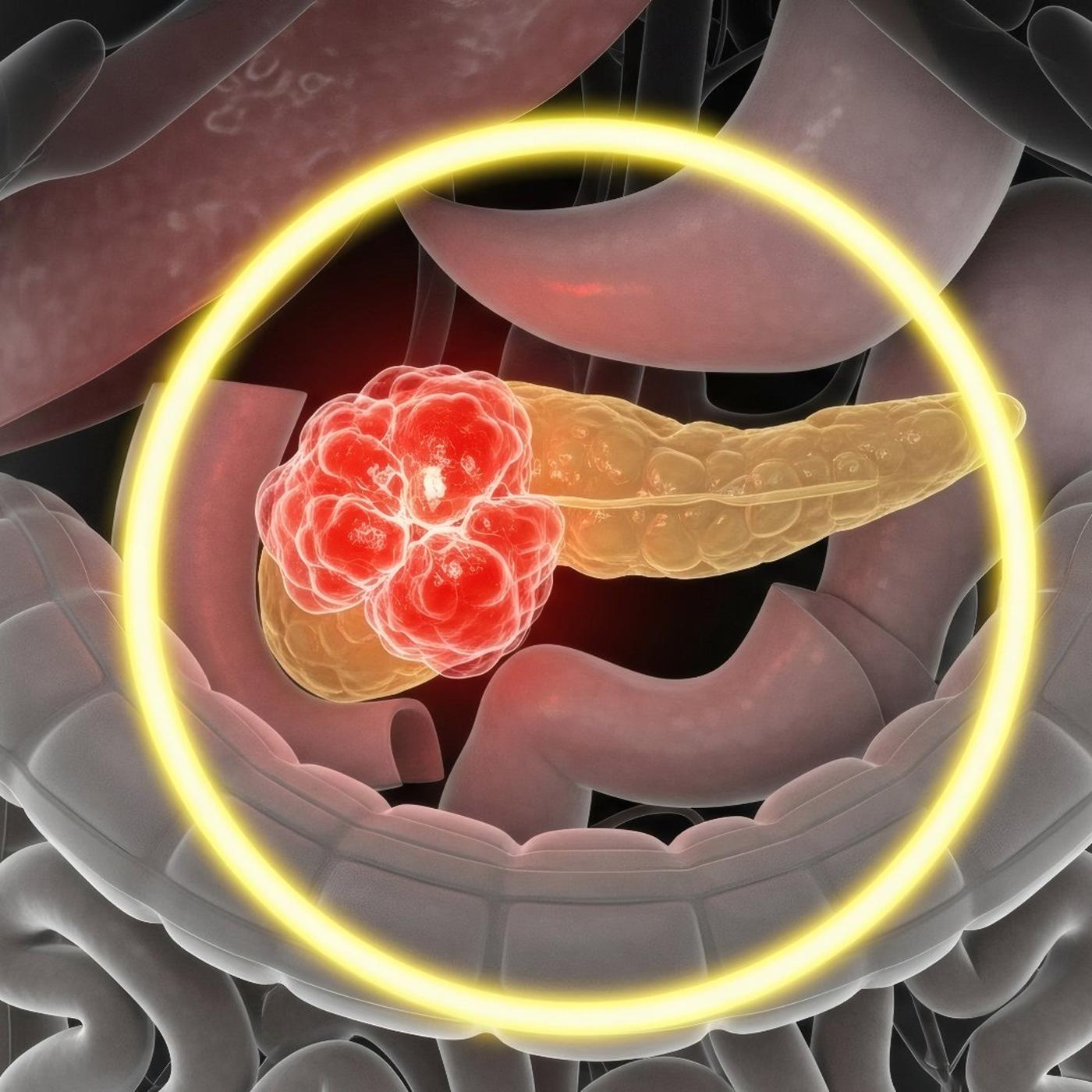
Pancreatic cancer remains one of the most difficult cancers to treat, in part because mutations in the KRAS gene are extraordinarily common in pancreatic ductal adenocarcinoma (PDAC). These mutations keep growth-promoting signals switched on, allowing cancer cells to proliferate and survive. Althou…
Disclaimer: The podcast and artwork embedded on this page are from Oncotarget Podcast, which is the property of its owner and not affiliated with or endorsed by Listen Notes, Inc.
EDIT
Thank you for helping to keep the podcast database up to date.
