


ABOUT THIS EPISODE

BUFFALO, NY – August 25, 2026 – A new precision oncology paper was #published in Volume 17 of Oncotarget on August 14, 2026, titled “Systematic methodological flaws in DNA contamination assessment of mRNA vaccines: A critical analysis of Achs et al. (2025).”
The article was led by first and corresponding author Kevin McKernan from Medicinal Genomics, Beverly, Massachusetts, along with co-authors David J. Speicher from Cyrus Scientific Inc, Hamilton, Ontario, Canada, and Jessica Rose from Brownstone Institute, Austin, Texas.
Rather than presenting a new experimental vaccine analysis, the paper critically examines the methodology used by Achs et al. in a 2025 study that reported no excessive residual DNA impurities in COVID-19 mRNA vaccines. McKernan and colleagues argue that several methodological choices in that study could systematically underestimate residual DNA and therefore limit its suitability for regulatory safety assessment.
One major concern involves how quantitative PCR results were converted from DNA copy numbers into mass. Achs et al. used full-length plasmid molecular weight in their calculations even though their own sequencing data suggested much shorter median DNA fragment sizes. The critique argues that this approach requires fragmentation-correction factors because random DNA breakage can disrupt qPCR target regions and reduce the number of detectable amplicons. Without such correction, the authors contend that residual DNA mass may be underestimated.
The paper also highlights the importance of primer and amplicon design. Achs et al. used qPCR targets with substantially different amplicon lengths, including shorter kanamycin-resistance targets and longer spike-encoding targets. Because the reported median DNA fragment sizes were approximately 130–201 base pairs, longer amplicons would be less likely to remain intact after fragmentation. The authors therefore argue that this design could preferentially reduce detection of spike-associated DNA relative to shorter plasmid regions.
DOI - https://doi.org/10.18632/oncotarget.28913
Correspondence to - Kevin McKernan - Kevin.McKernan@medicinalgenomics.com
Abstract video - https://www.youtube.com/watch?v=xSWS3HDQUus
Sign up for free Altmetric alerts about this article - https://oncotarget.altmetric.com/details/email_updates?id=10.18632%2Foncotarget.28913
Subscribe for free publication alerts from Oncotarget - https://www.oncotarget.com/subscribe/
Keywords - cancer, mRNA vaccines, DNA contamination, qPCR; plasmid DNA, RNA:DNA hybrids
To learn more about Oncotarget, please visit https://www.oncotarget.com and connect with us:
Facebook - https://www.facebook.com/Oncotarget/
X - https://twitter.com/oncotarget
Instagram - https://www.instagram.com/oncotargetjrnl/
YouTube - https://www.youtube.com/@OncotargetJournal
LinkedIn - https://www.linkedin.com/company/oncotarget
Pinterest - https://www.pinterest.com/oncotarget/
Reddit - https://www.reddit.com/user/Oncotarget/
Spotify - https://open.spotify.com/show/0gRwT6BqYWJzxzmjPJwtVh
MEDIA@IMPACTJOURNALS.COM
The article was led by first and corresponding author Kevin McKernan from Medicinal Genomics, Beverly, Massachusetts, along with co-authors David J. Speicher from Cyrus Scientific Inc, Hamilton, Ontario, Canada, and Jessica Rose from Brownstone Institute, Austin, Texas.
Rather than presenting a new experimental vaccine analysis, the paper critically examines the methodology used by Achs et al. in a 2025 study that reported no excessive residual DNA impurities in COVID-19 mRNA vaccines. McKernan and colleagues argue that several methodological choices in that study could systematically underestimate residual DNA and therefore limit its suitability for regulatory safety assessment.
One major concern involves how quantitative PCR results were converted from DNA copy numbers into mass. Achs et al. used full-length plasmid molecular weight in their calculations even though their own sequencing data suggested much shorter median DNA fragment sizes. The critique argues that this approach requires fragmentation-correction factors because random DNA breakage can disrupt qPCR target regions and reduce the number of detectable amplicons. Without such correction, the authors contend that residual DNA mass may be underestimated.
The paper also highlights the importance of primer and amplicon design. Achs et al. used qPCR targets with substantially different amplicon lengths, including shorter kanamycin-resistance targets and longer spike-encoding targets. Because the reported median DNA fragment sizes were approximately 130–201 base pairs, longer amplicons would be less likely to remain intact after fragmentation. The authors therefore argue that this design could preferentially reduce detection of spike-associated DNA relative to shorter plasmid regions.
DOI - https://doi.org/10.18632/oncotarget.28913
Correspondence to - Kevin McKernan - Kevin.McKernan@medicinalgenomics.com
Abstract video - https://www.youtube.com/watch?v=xSWS3HDQUus
Sign up for free Altmetric alerts about this article - https://oncotarget.altmetric.com/details/email_updates?id=10.18632%2Foncotarget.28913
Subscribe for free publication alerts from Oncotarget - https://www.oncotarget.com/subscribe/
Keywords - cancer, mRNA vaccines, DNA contamination, qPCR; plasmid DNA, RNA:DNA hybrids
To learn more about Oncotarget, please visit https://www.oncotarget.com and connect with us:
Facebook - https://www.facebook.com/Oncotarget/
X - https://twitter.com/oncotarget
Instagram - https://www.instagram.com/oncotargetjrnl/
YouTube - https://www.youtube.com/@OncotargetJournal
LinkedIn - https://www.linkedin.com/company/oncotarget
Pinterest - https://www.pinterest.com/oncotarget/
Reddit - https://www.reddit.com/user/Oncotarget/
Spotify - https://open.spotify.com/show/0gRwT6BqYWJzxzmjPJwtVh
MEDIA@IMPACTJOURNALS.COM
English
United States
TRANSCRIPT 🔗
Are you the producer of this podcast?
Add a podcast transcript
Need Audio-to-Text?
Transcribe with Listen411 in Just 60 Seconds
OTHER EPISODES IN THIS PODCAST
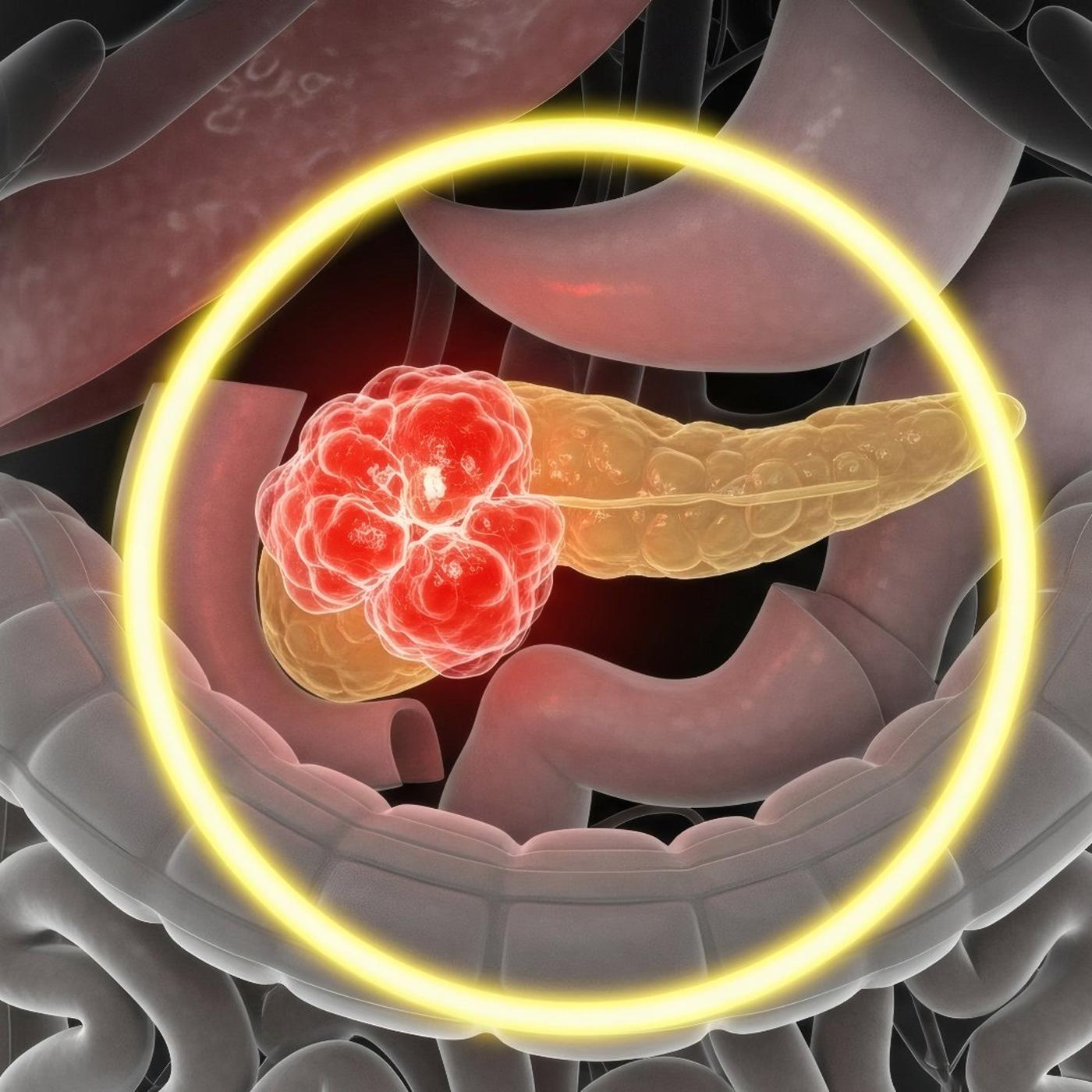
Pancreatic cancer remains one of the most difficult cancers to treat, in part because mutations in the KRAS gene are extraordinarily common in pancreatic ductal adenocarcinoma (PDAC). These mutations keep growth-promoting signals switched on, allowing cancer cells to proliferate and survive. Althou…
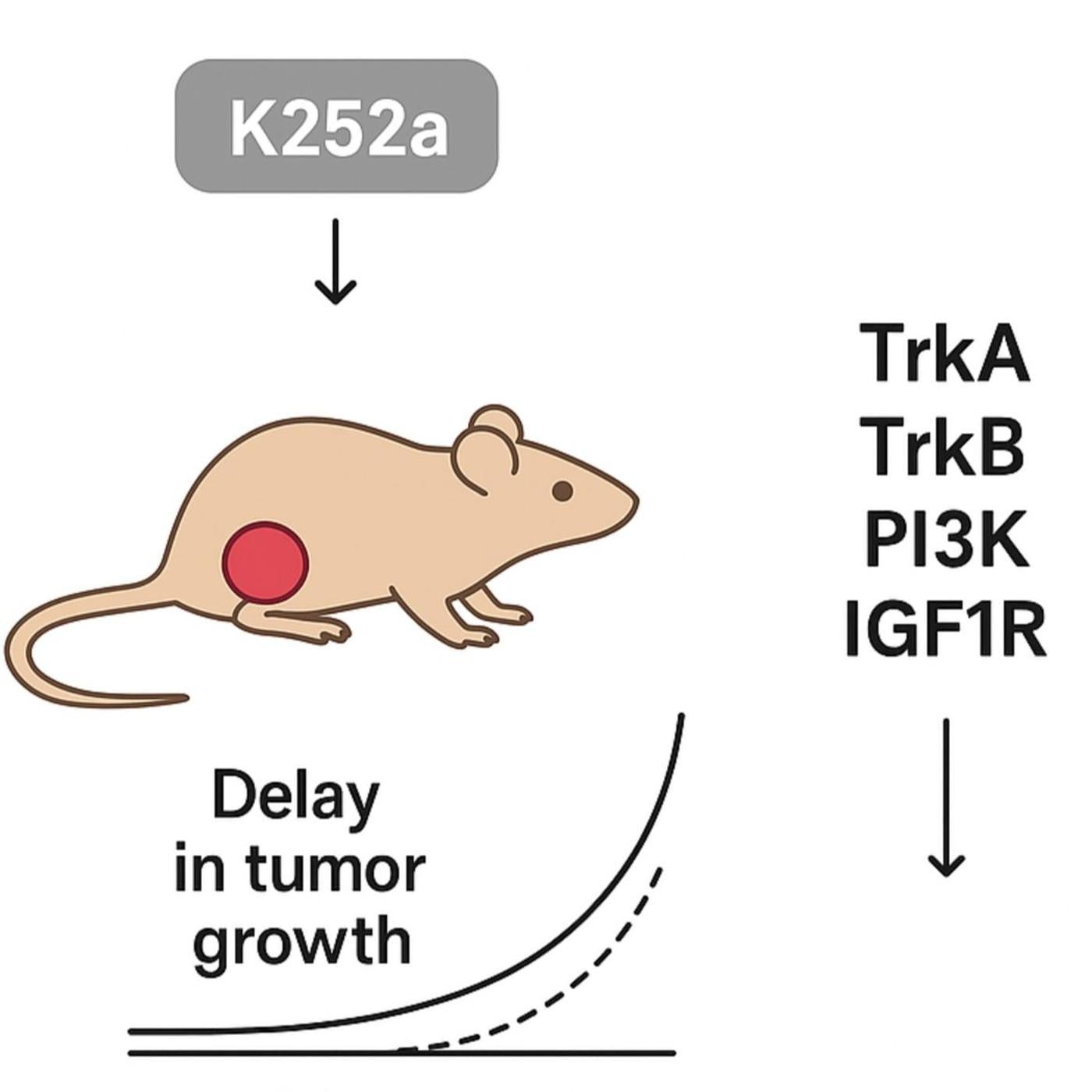
BUFFALO, NY – August 10, 2026 – A new #research paper was #published in Volume 17 of Oncotarget on August 7, 2026, titled “Delayed growth of SK-ES-1 Ewing sarcoma tumor xenografts is associated with reduced Trk and IGF1R pathway markers.”
The study was led by first author Bruna Almeida dos Santos …

BUFFALO, NY – August 31, 2026 – A new #editorial was published in Volume 17 of Oncotarget on June 8, 2026, titled “Tumor infiltrating lymphocyte (TIL) therapy for treating the solid tumors: Challenges and future perspectives.”
The editorial was led by first and corresponding author Bhartendra Shar…

BUFFALO, NY – August 28, 2026 – A new #research paper was published in Volume 17 of Oncotarget on August 19, 2026, titled “Incidence of KRAS G12C mutations in genitourinary malignancies; emerging target in precision medicine.”
The study was led by first author Kelly Crane from the Department of Ur…
Disclaimer: The podcast and artwork embedded on this page are from Oncotarget Podcast, which is the property of its owner and not affiliated with or endorsed by Listen Notes, Inc.
EDIT
Thank you for helping to keep the podcast database up to date.
