
ABOUT THIS PODCAST 🔗
Coffee table conversations with people thinking about foundational issues. Multiverses explores the limits of knowledge and technology. Does quantum mechanics tell us that our world is one of many? Will AI make us intellectually lazy, or expand our cognitive range? Is time a thing in itself or a measure of change? Join James Robinson as he tries to find out.
Hosts:
Update frequency:
bimonthly
Average audio length:
87 minutes
Guest interviews
Has sponsors
English
United States
42 episodes
since May 11, 2023
episodic
AUDIENCE OF THIS PODCAST 🔗
~63.43% of listeners are from United States.
🇺🇸
US
63.43%
🇬🇧
GB
6.92%
❓
XX
4.70%
🇨🇦
CA
4.15%
🇪🇸
ES
2.77%
🇳🇿
NZ
2.49%
🇯🇵
JP
1.93%
🇦🇺
AU
1.66%
🇫🇷
FR
1.38%
🇸🇬
SG
1.10%
🇮🇳
IN
1.10%
🇮🇹
IT
1.10%
🇧🇷
BR
0.83%
🇧🇪
BE
0.83%
🇺🇦
UA
0.83%
🇬🇷
GR
0.83%
🇦🇹
AT
0.55%
🇮🇶
IQ
0.55%
🇭🇰
HK
0.55%
🇵🇹
PT
0.27%
🇮🇩
ID
0.27%
🇭🇷
HR
0.27%
🇳🇴
NO
0.27%
🇸🇪
SE
0.27%
🇳🇱
NL
0.27%
🇩🇰
DK
0.27%
🇻🇪
VE
0.27%
Others
0.14%
* Data source: directly measured on Listen Notes. real-time
LATEST EPISODE 🔗

In the last three months, two of the seven Clay Millennium Prize Problems have been solved, including what was perhaps the most celebrated open issue in mathematics: a proof of the Riemann hypothesis.
Mathematicians are living through a moment that may well extend to all fields of endeavour: …
PREVIOUS EPISODES 🔗
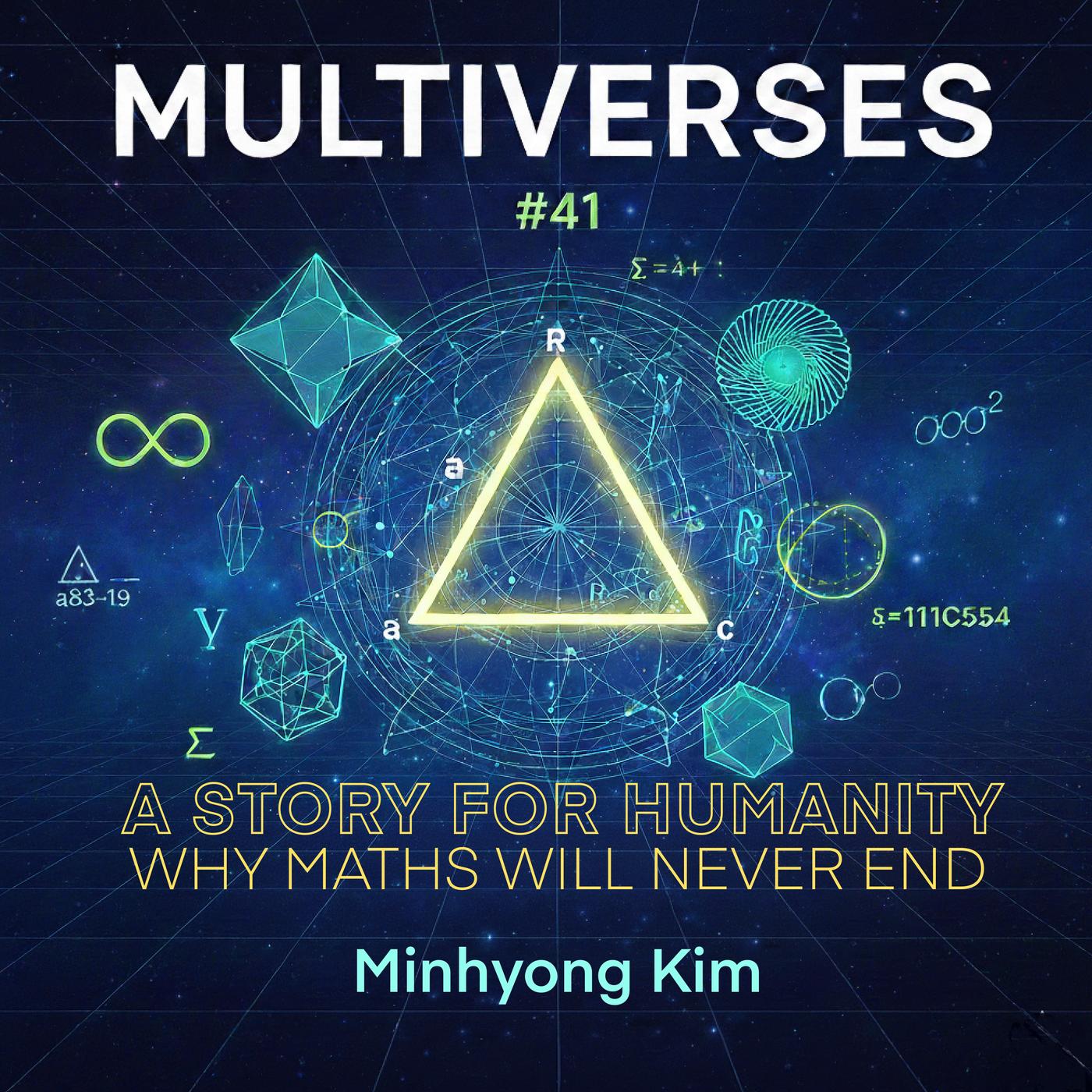
Gauss famously described mathematics as the queen of the sciences. But how should we think of this discipline? Is it an aloof ruler, mysteriously governing the laws of nature? A vital tool for bettering our lot? Or a story that helps us understand nature?
Professor Minhyong Kim directs the I…
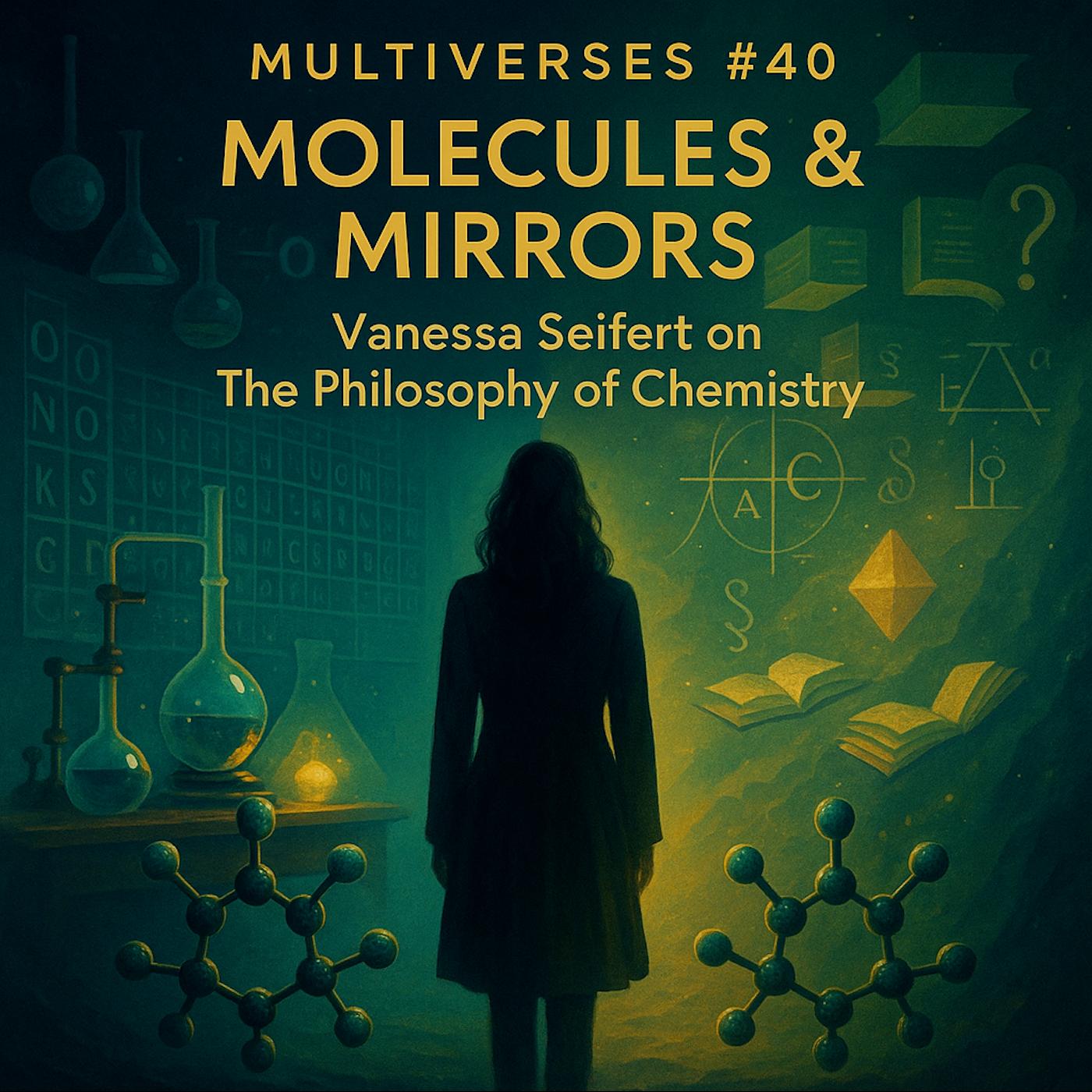
Why do molecules have a "handedness" when the physics that determines their structure does not?*
This is a question emblematic of the philosophy of chemistry; at times, it has been used to argue that chemistry cannot be reduced to physics. However, Vanessa Seifert has a different — yet …
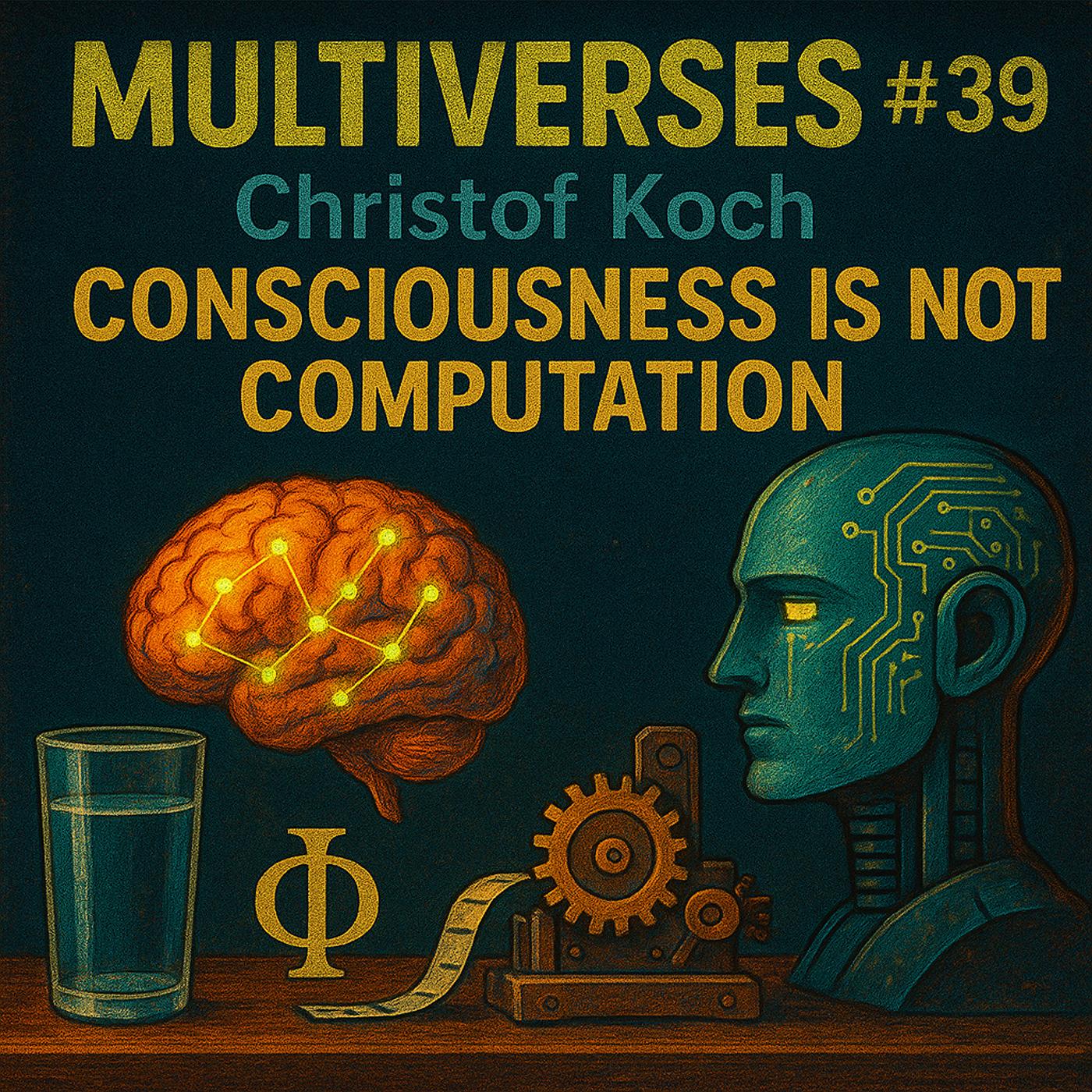
Christof Koch is a pioneering neuroscientist and one of the most prominent advocates of a scientific approach to consciousness. He has spent decades working at the intersection of neuroscience, philosophy, and computation.
Christof is one of the foremost proponents of Integrated Information Theory …
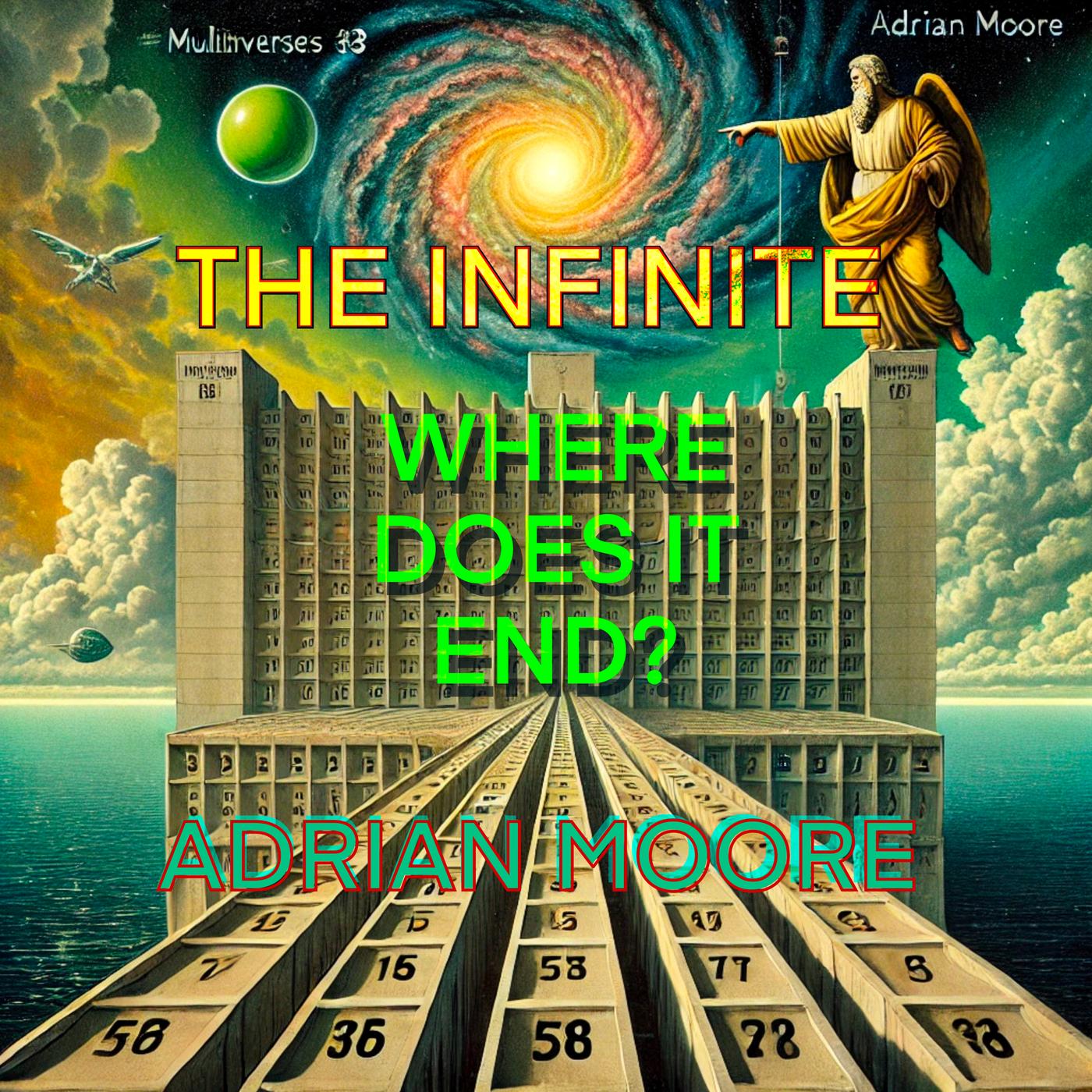
Infinity may seem simple, just the absence of limits. But the closer we examine it, the more it unravels into paradox and mystery. Can some infinities be larger than others? How can an infinite hotel be fully booked yet still have room for more guests?
In this episode of Multiverses, I’m joined by …
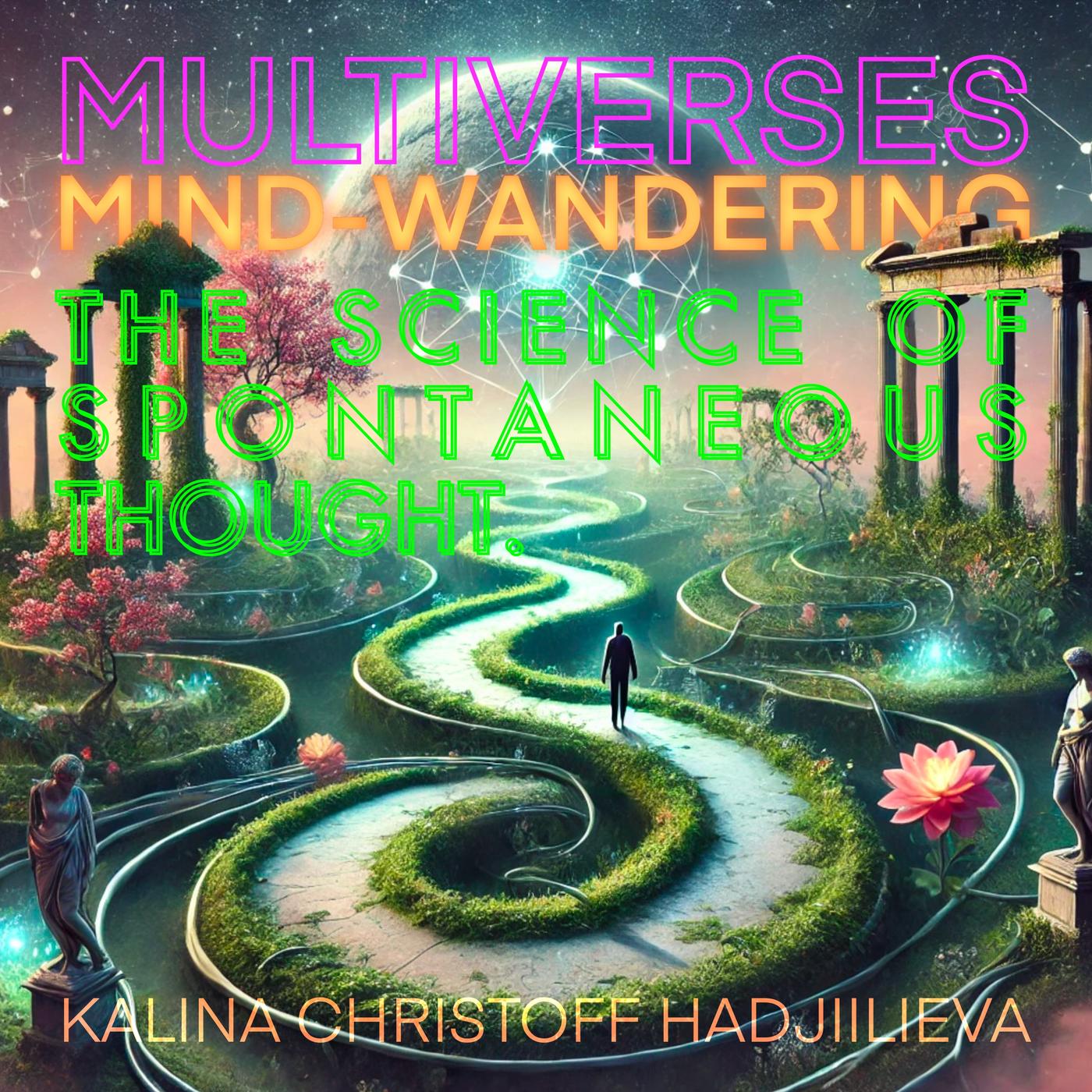
Mind-wandering is often dismissed as a distraction, an idle drift away from productive thought. But what if this spontaneous movement of the mind is not just a quirk of cognition but a fundamental feature of how we think, create, and find meaning?
Our guest, Kalina Christoff Hadjiilieva, is …
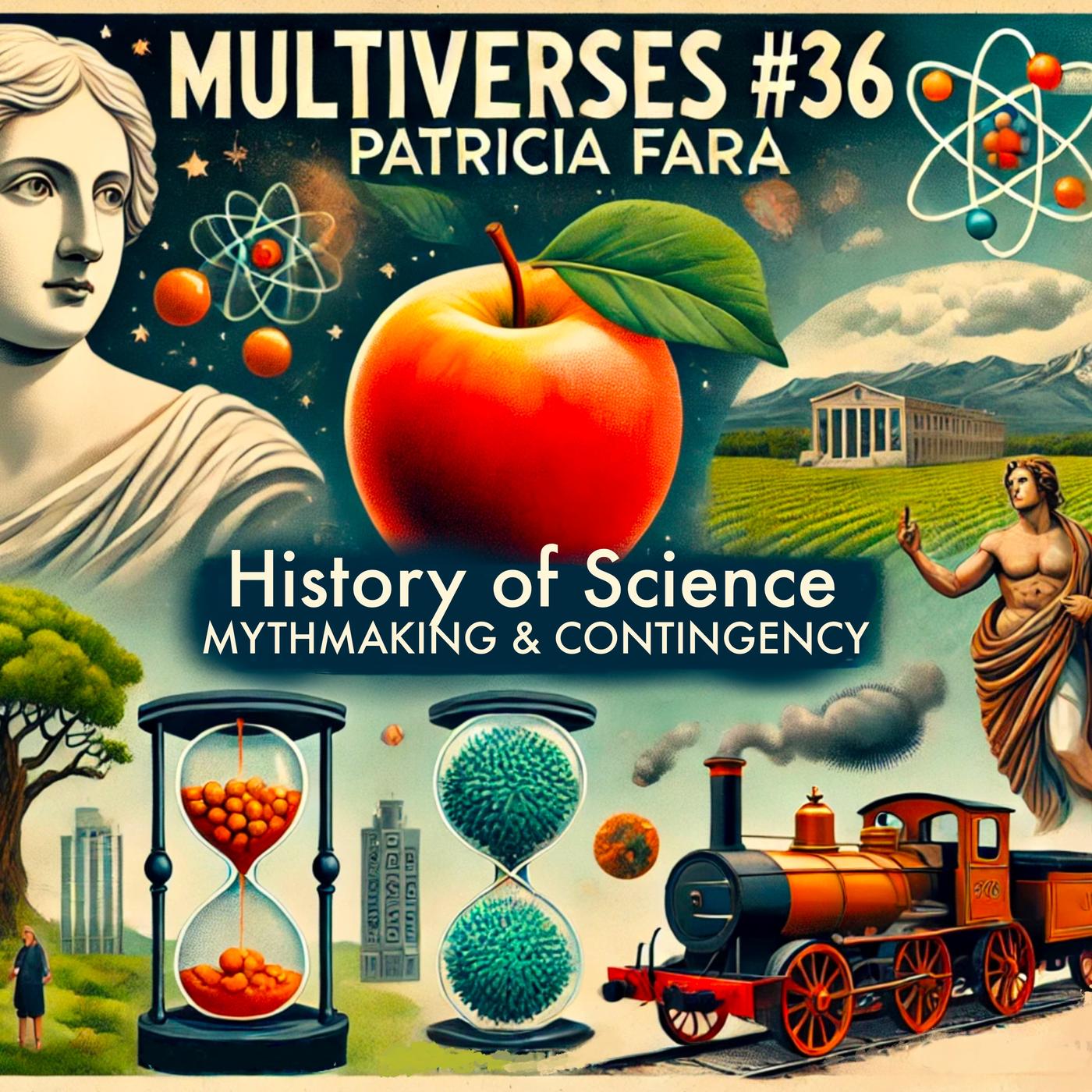
Scientific discoveries can often be codified in simple laws, neatly stated in textbooks with directions on applying them. But the enterprise of science is embedded in society. It depends on individuals and economies. It is far from simple to answer the question: How did we get these laws?
Pat…
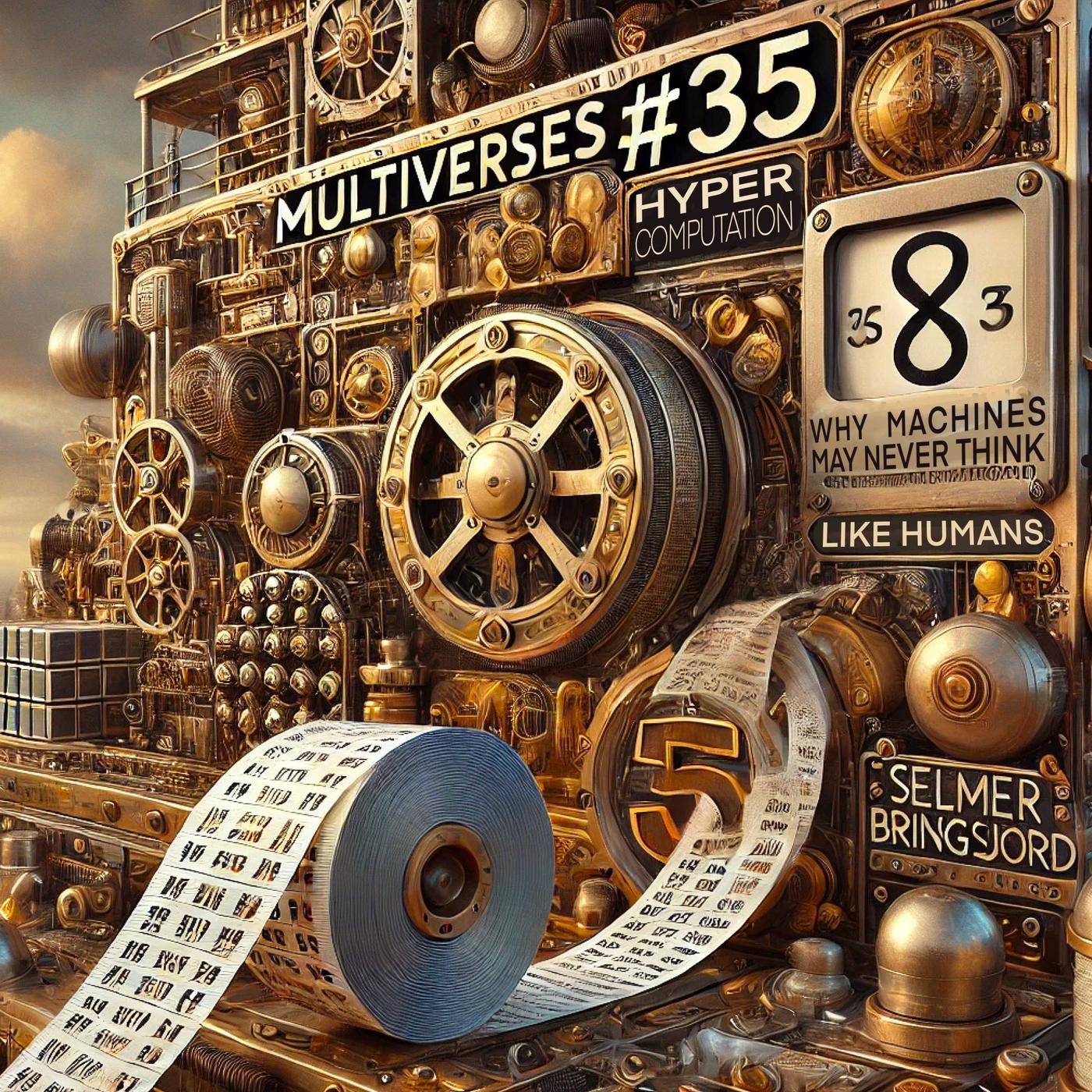
AI can do many things equally well as humans: such as writing plausible prose or answering exam questions. In certain domains, AI goes far beyond human capabilities — playing chess for instance.
We might expect that nothing prevents machines from one day besting humans at every task. Indeed, it is …
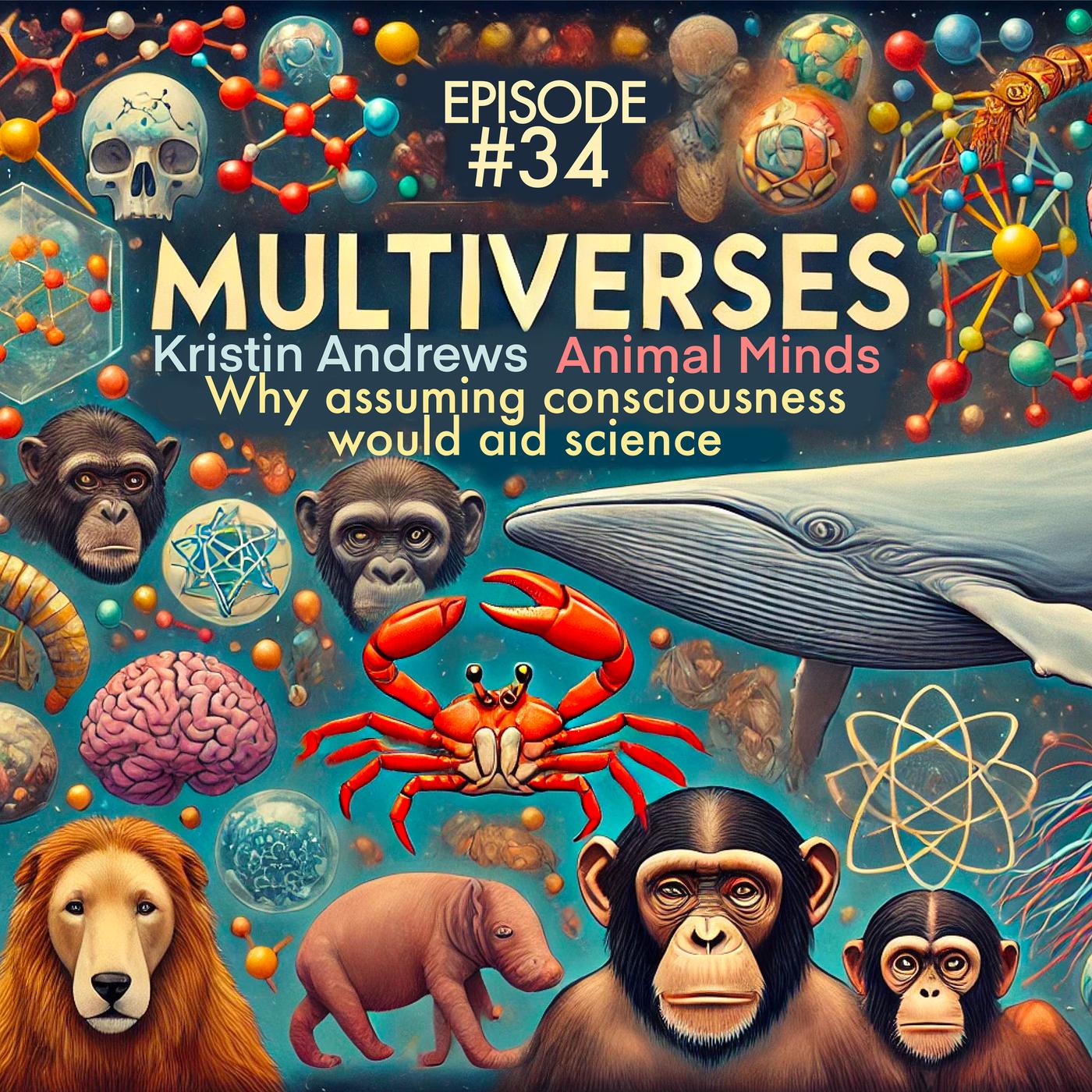
There is no consensus on what minds are, but there is plenty of agreement on where they can be found: in humans. Yet human consciousness may account for only a small proportion of the consciousness on our planet.
Our guest, Kristin Andrews, is a Professor of Animal Minds at the University of…
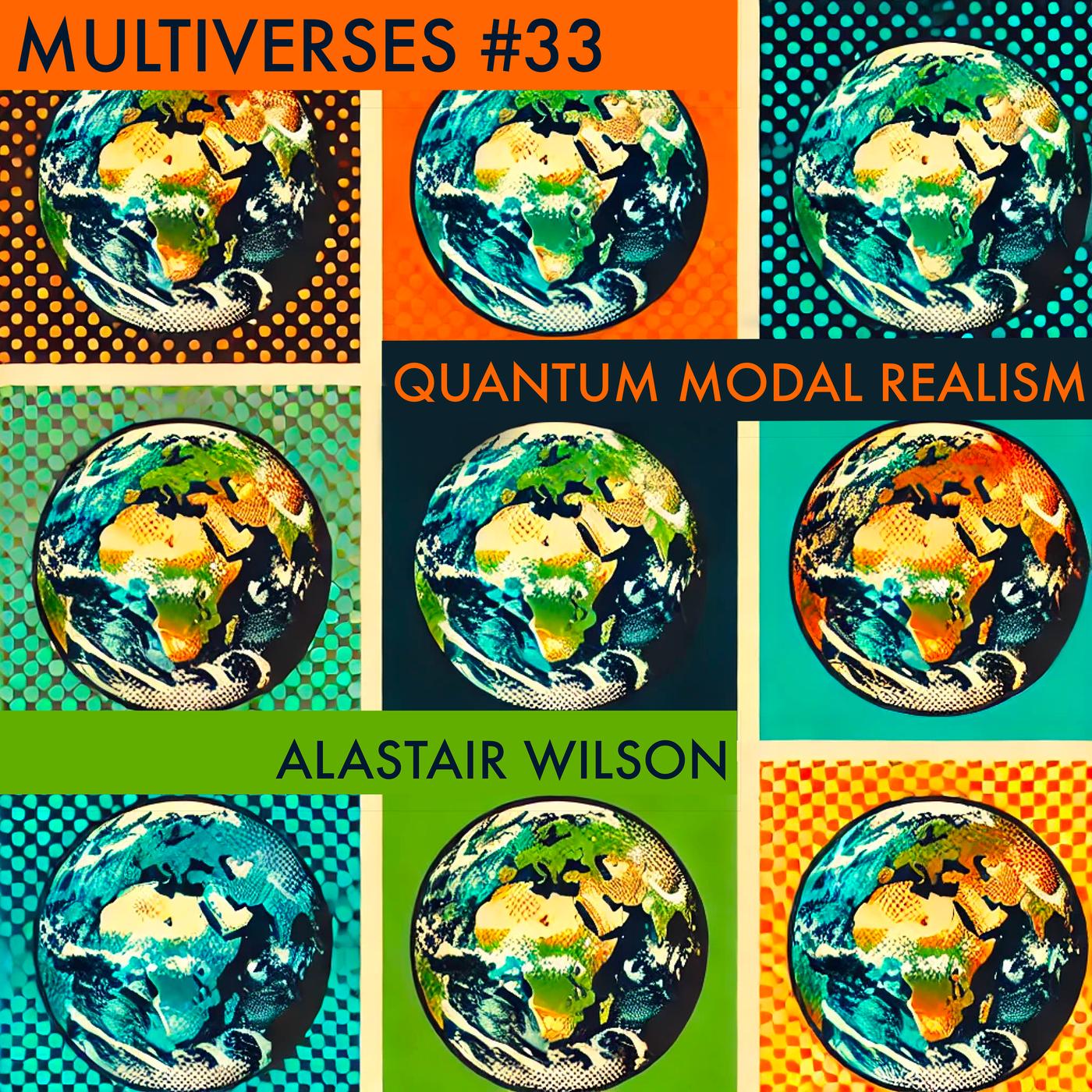
Things happen. Or they don’t. How then should we make sense of claims that something might happen?
If all these claims do is express doubt, then the puzzle can be easily resolved. But if the claims capture some objective feature of the world, what is it?
Our guest is Alastair Wilson, a professor of…
Disclaimer: The podcast and artwork embedded on this page are from James Robinson, which is the property of its owner and not affiliated with or endorsed by Listen Notes, Inc.
PODCAST SEARCH ENGINE
You can use our website to search 3,838,531 podcasts and 198,199,723 episodes by people, places, or topics.

I have no special talent. I am only passionately curious, and
I listen to podcasts.
‐ Albert "Llamacorn" Einstein
CLAIM THIS PODCAST
Why to claim podcasts?
If you are a podcaster, the best way to manage your podcasts on Listen Notes is by claiming your Listen Notes
podcast pages.
It is a great, free way to engage the podcast community and increase the visibility of your podcasts.
After claiming your Listen Notes podcast pages, you will be able to:
✓
Manually refresh the RSS feed to sync up
✓
Get a verified badge (
✓
) alongside with your podcast name on Listen Notes
✓
Post classified ads for sponsorship,
guests, co-hosts,
cross-promotion...
✓
Respond to listener comments on Listen Notes
✓
Use speech-to-text techniques to transcribe your show and
edit transcripts
✓
Improve the presence of your podcasts, e.g., self-service
podcaster interview...
✓
If you share your Listen Notes page and at-mention @ListenNotes
on X (formerly Twitter),
our official X (formerly Twitter) account will retweet to promote
your show to our followers.
Coming soon:
◯ Self-service promotion on Listen Notes
◯ Track your podcast stats on Listen
Notes, e.g., listens, page
views...
◯ Manage episodes
EDIT
Thank you for helping to keep the podcast database up to date.
