
ABOUT THIS PODCAST 🔗
How do we lead with purpose, make better decisions, and navigate an uncertain future? On If/Then, Stanford GSB faculty break down cutting-edge research on leadership, strategy, and more, exploring enduring questions and the forces reshaping business and society today, from AI to geopolitics. Hosted by senior editor Kevin Cool.
Hosts:
Update frequency:
every 18 days
Average audio length:
25 minutes
Guest interviews
English
United States
62 episodes
since Jan. 5, 2024
episodic
LATEST EPISODE 🔗

“One way of thinking about the dollar is that it’s this giant parking garage,” says Arvind Krishnamurthy, a professor of finance at Stanford Graduate School of Business. “It’s a parking garage for wealth. You can bring your car in, and if you turn around three minutes later and you want it ou…
PREVIOUS EPISODES 🔗

Ilya Strebulaev, a professor of finance at Stanford Graduate School of Business and Alex Dang, MS ’14, a tech executive and innovation advisor, didn’t write their book, The Venture Mindset: How to Make Smarter Bets and Achieve Extraordinary Growth, for venture capitalists.
“We wrote it for pe…

What makes one workplace hierarchy motivating and another toxic?
This week on If/Then, we’re sharing a conversation between two Stanford GSB colleagues: Think Fast, Talk Smart host Matt Abrahams and organizational behavior professor Nir Halevy.
Drawing on research from his new book, Level Up: Why H…
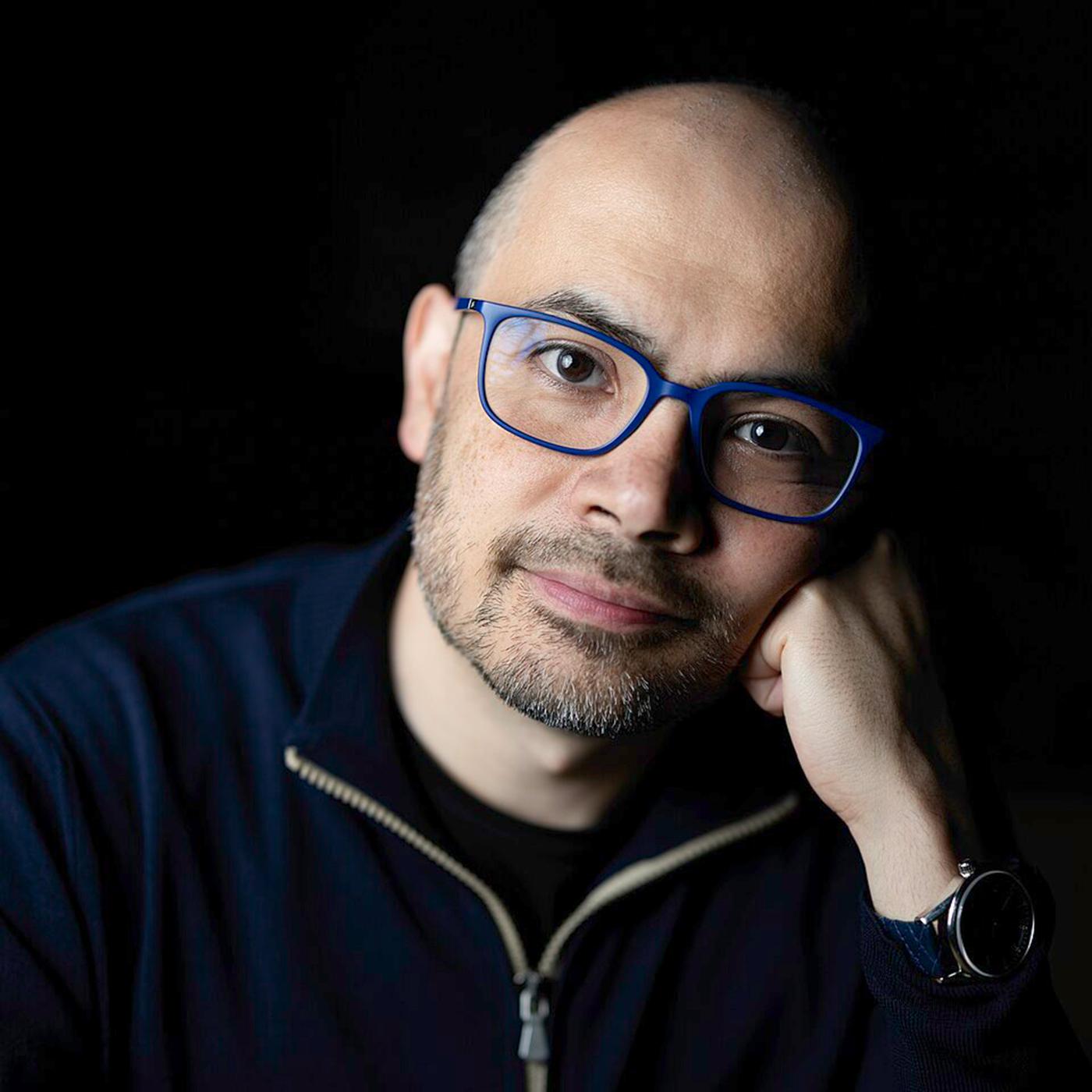
When Demis Hassabis pitched DeepMind to a few venture capitalists back in 2010, the business plan was almost comically audacious. “Step one: Solve intelligence. Step two: Use it to solve everything else,” he recalls in a conversation at Stanford Graduate School of Business with Stanford University …
What if purpose is what drives us to act, but meaning comes from how those actions affect other people?
This week on If/Then, we’re sharing a conversation between two Stanford GSB colleagues: Think Fast, Talk Smart host Matt Abrahams and organizational behavior professor Brian Lowery.
Recorded live…
How do you engage effectively across deep disagreement without shutting down the conversation?
This week on If/Then, we’re sharing an episode from our colleagues at Stanford Legal, the podcast from Stanford Law School that looks at the cases, questions, and conflicts shaping public life.
In a world…
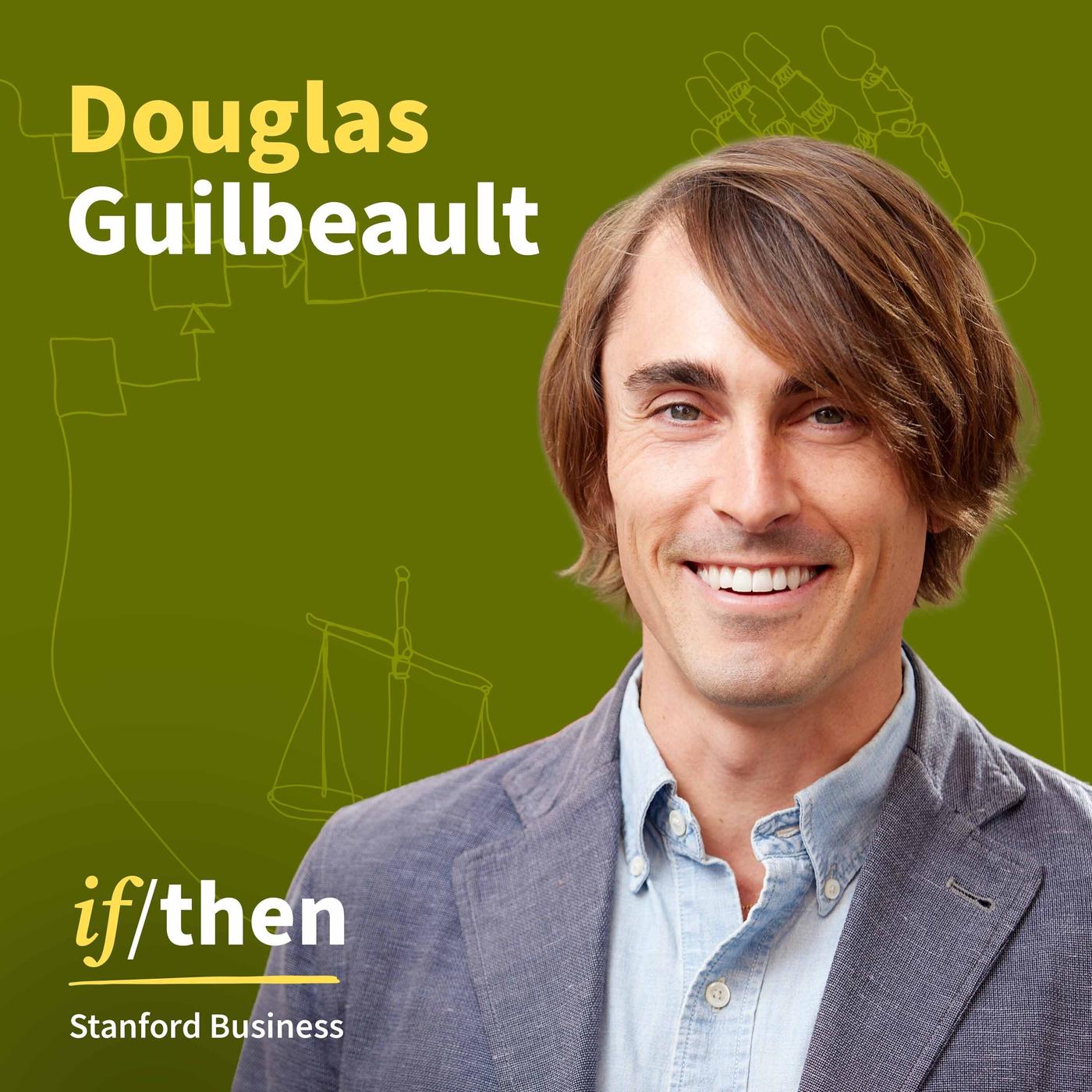
“Humans manage to do so much with surprisingly little,” says Douglas Guilbeault, an assistant professor of organizational behavior at Stanford Graduate School of Business. “Whereas AI, by comparison, is doing relatively little, but with so much power, so much compute, so many resources, and by comp…
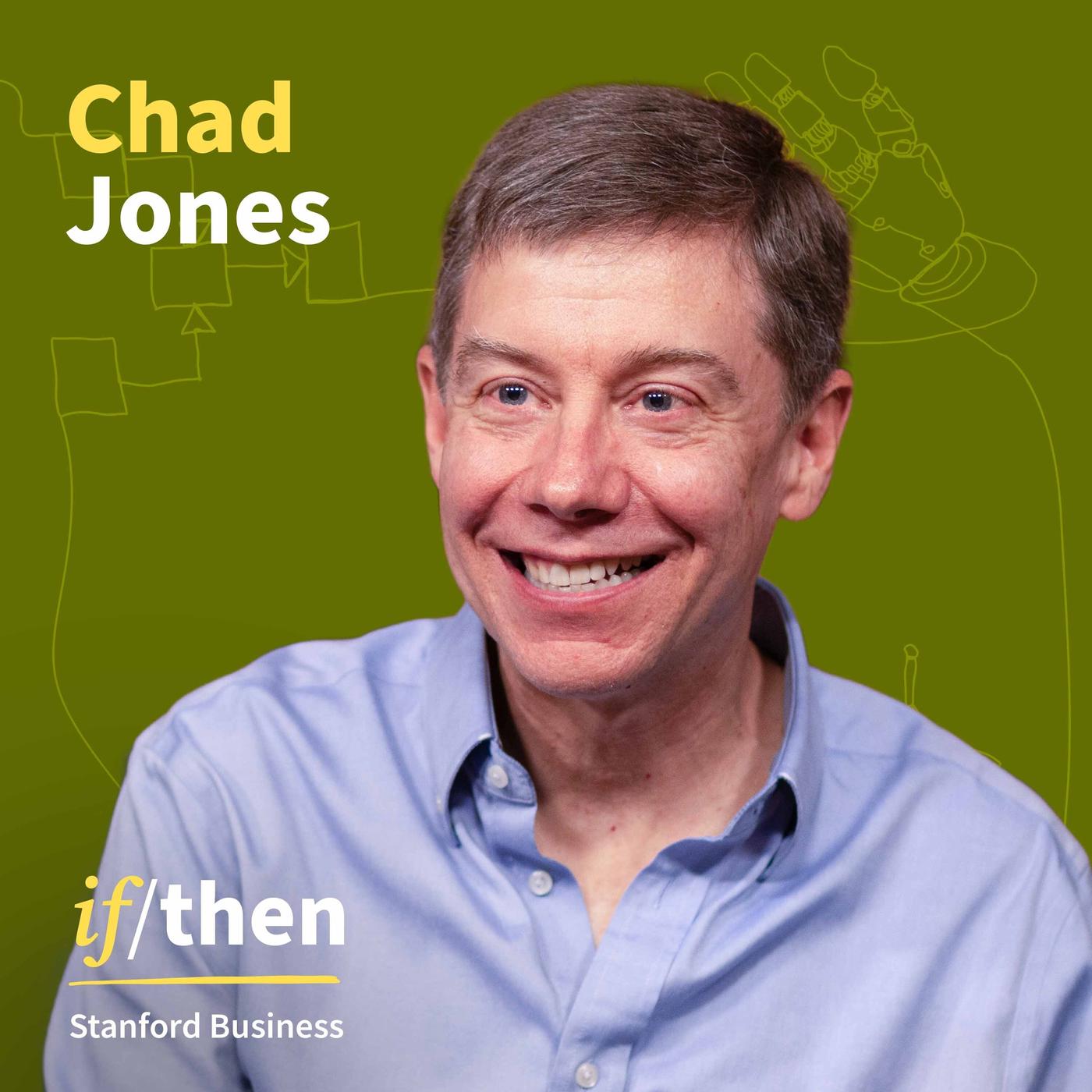
Chad Jones, a professor of economics at Stanford Graduate School of Business, recently published a paper, “AI and Our Economic Future.” Using more than 100 years of economic data, he modelled several potential AI-infused economic futures we may experience. These include the good (abundance, we neve…

“Friction for us has to do with obstacles,” says Hayagreeva “Huggy” Rao, a professor of organizational behavior at Stanford Graduate School of Business. “Obstacles can disable you. Obstacles can enable you.”
Rao compares friction to cholesterol: Some is good, but some is bad. “Good friction actuall…
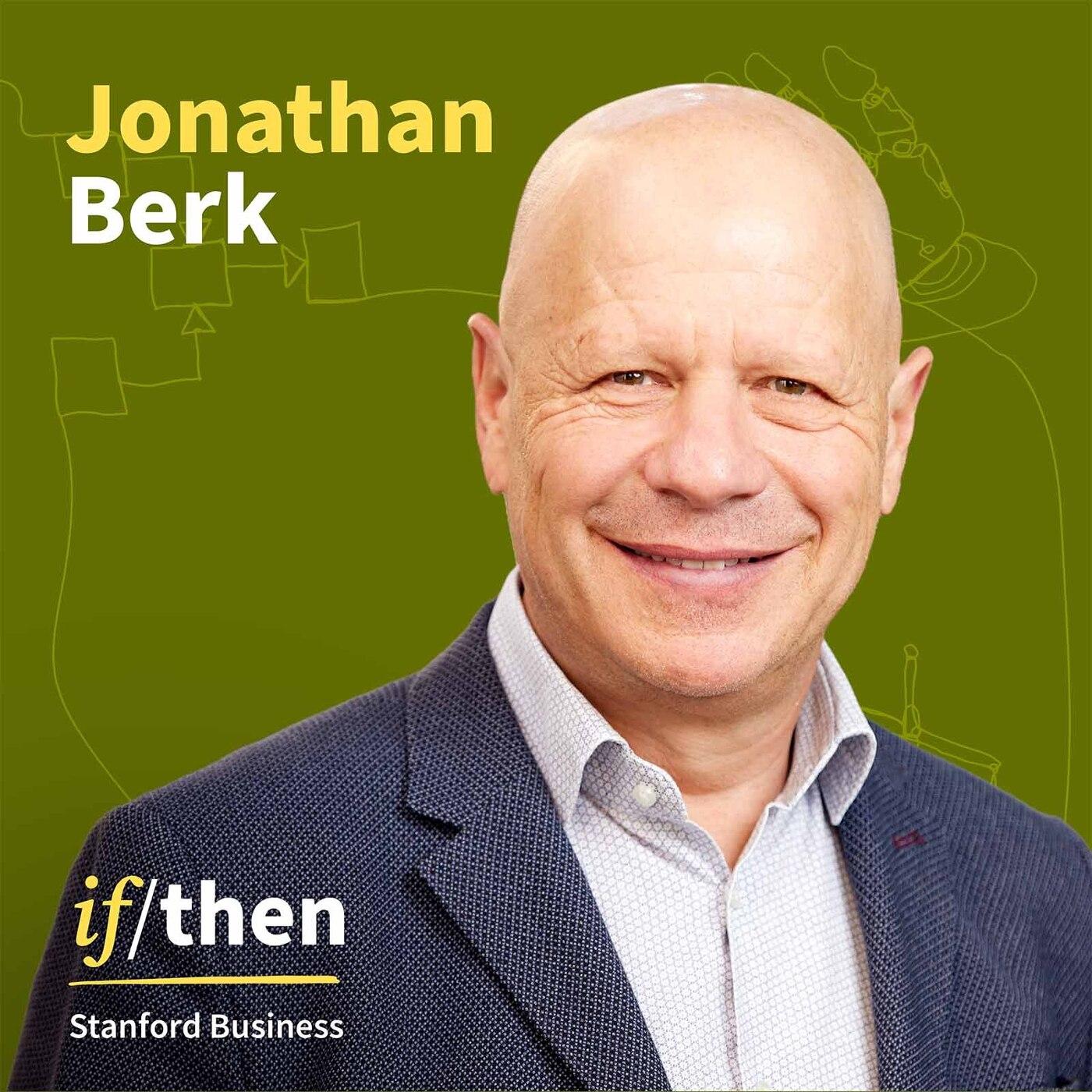
“I don’t see things like anybody else,” says Jonathan Berk, a professor of finance at Stanford Graduate School of Business. “And so I can see things people don't see.”
On this episode, Berk explores recent research that pushes against conventional wisdom, from questioning the utility of the d…
Disclaimer: The podcast and artwork embedded on this page are from Stanford GSB, which is the property of its owner and not affiliated with or endorsed by Listen Notes, Inc.
PODCAST SEARCH ENGINE
You can use our website to search 3,837,043 podcasts and 197,798,041 episodes by people, places, or topics.

I have no special talent. I am only passionately curious, and
I listen to podcasts.
‐ Albert "Llamacorn" Einstein
CLAIM THIS PODCAST
Why to claim podcasts?
If you are a podcaster, the best way to manage your podcasts on Listen Notes is by claiming your Listen Notes
podcast pages.
It is a great, free way to engage the podcast community and increase the visibility of your podcasts.
After claiming your Listen Notes podcast pages, you will be able to:
✓
Manually refresh the RSS feed to sync up
✓
Get a verified badge (
✓
) alongside with your podcast name on Listen Notes
✓
Post classified ads for sponsorship,
guests, co-hosts,
cross-promotion...
✓
Respond to listener comments on Listen Notes
✓
Use speech-to-text techniques to transcribe your show and
edit transcripts
✓
Improve the presence of your podcasts, e.g., self-service
podcaster interview...
✓
If you share your Listen Notes page and at-mention @ListenNotes
on X (formerly Twitter),
our official X (formerly Twitter) account will retweet to promote
your show to our followers.
Coming soon:
◯ Self-service promotion on Listen Notes
◯ Track your podcast stats on Listen
Notes, e.g., listens, page
views...
◯ Manage episodes
EDIT
Thank you for helping to keep the podcast database up to date.
