

ABOUT THIS PODCAST 🔗
This is series of conversations discussing global food sustainability with guests who bring a deep understanding of the environmental and cultural challenges facing our society and creative ideas on how to address them.
Hosts:
Update frequency:
biweekly
Average audio length:
51 minutes
Guest interviews
English
Australia
86 episodes
since Sept. 6, 2022
episodic
LATEST EPISODE 🔗

Rice feeds more people than any other crop, and it is grown in a way that is quietly expensive. Globally, a third of all groundwater extraction goes to rice farming. And because those fields sit flooded for weeks at a time, the resulting anaerobic conditions produce methane. Rice accounts for aroun…
PREVIOUS EPISODES 🔗

Managing and mitigating risk runs through my whole conversation with Robert Bonnie. Since the Dust Bowl, USDA policy, the Farm Bill and especially crop insurance have given US farmers a safety net that shares the risk of growing the nation's food. But farming keeps getting riskier. Climate cha…

Beef sustainability frequently gets framed as something imposed on the ranchers and the industry from outside—regulatory requirements, consumer pressure, climate obligations driven by environmental groups and activists, leaving the industry industry to respond or resist.
But this frame misses somet…

The beef industry has spent decades optimizing feed efficiency in one place: the feedlot. Genetics have been selected for finishing performance, cattle are placed on feed at lighter weights and fed to heavier carcasses, and the result is measurable improvement in how much feed converts to pounds of…
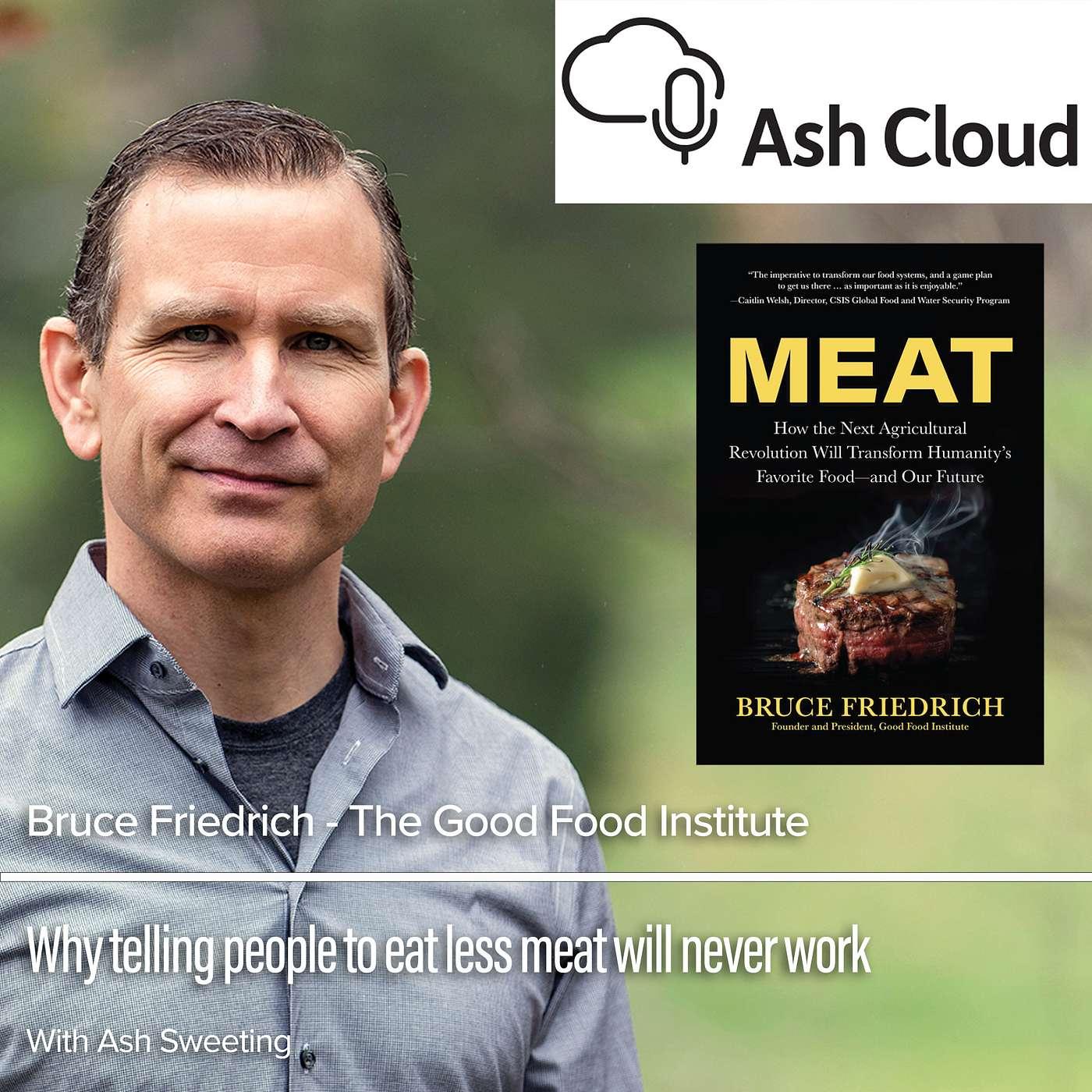
Meat consumption has risen every single year that the United Nations Food and Agriculture Organization has been measuring. Despite warnings about climate impacts spanning over a century, from carbon and methane's effects to James Hansen's congressional testimony in 1986, to a book called…
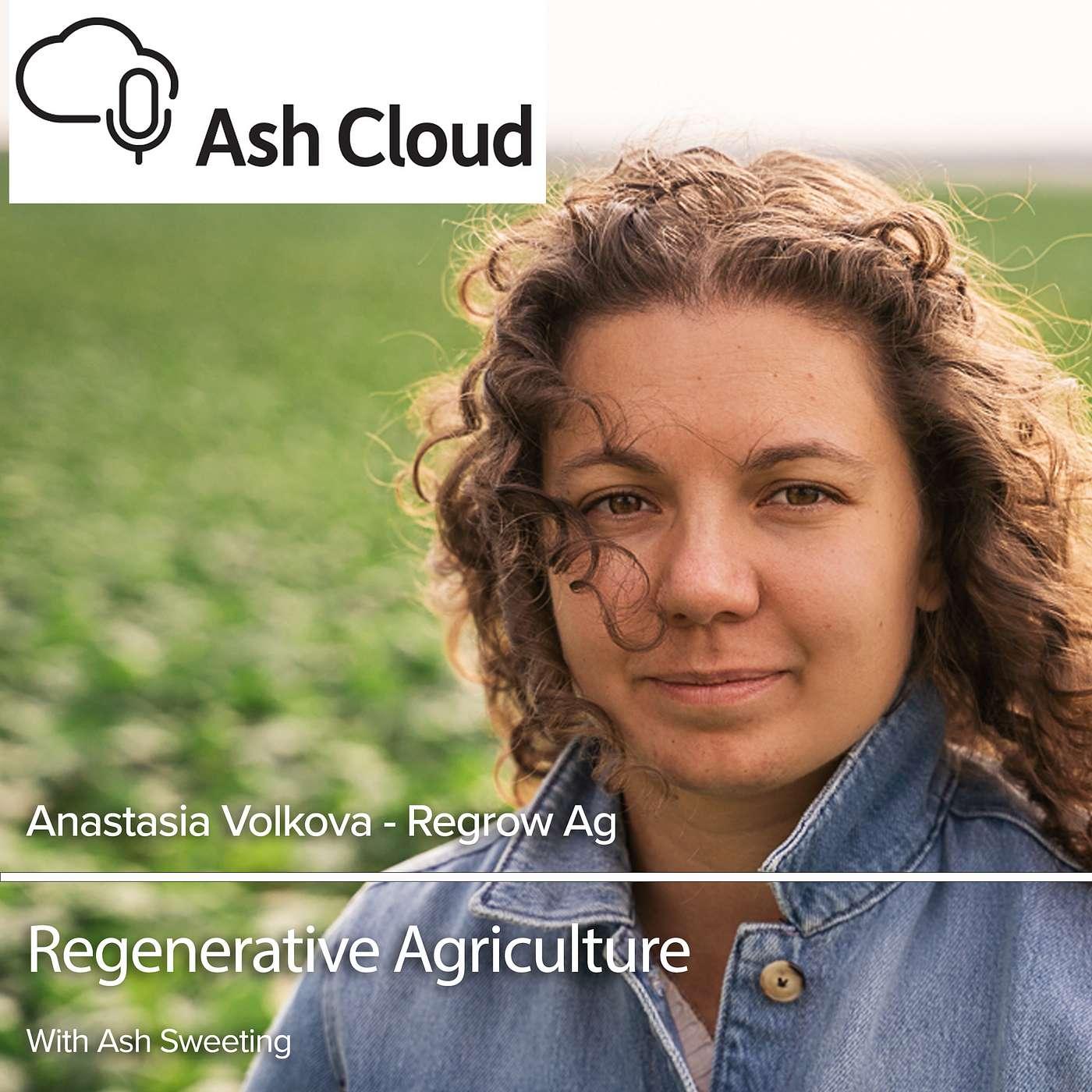
Forty leading global food and agriculture companies recently declared their commitment to regenerative agriculture. This unprecedented industry alignment signals that the sector has moved beyond looking at sustainable farming an aspirational ideal and into investment and scale. Yet challenges remai…
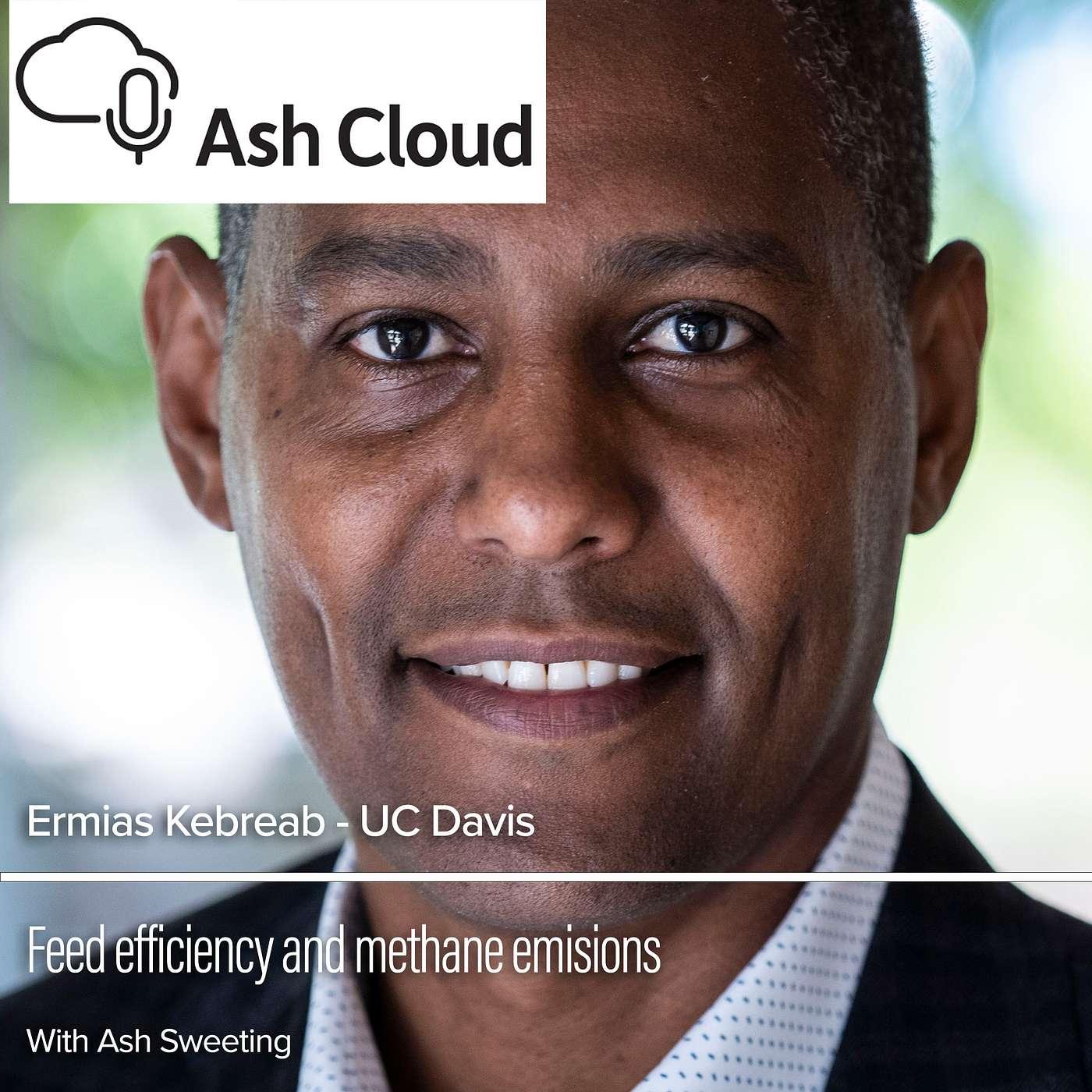
The poultry and swine industries have transformed feed efficiency over the past two decades. Through systematic improvement in nutrition, enzyme utilization, and animal genetics, they now produce vastly more protein from fewer resources. The challenge is not simply reducing methane emissions from…

Artificial intelligence is advancing at an astonishing pace—improvements measured in five-thousand-fold increases from week to week according to AI researchers at Singularity University. Yet in agriculture, most farmers remain largely disconnected from these advances, using AI only at the most basi…
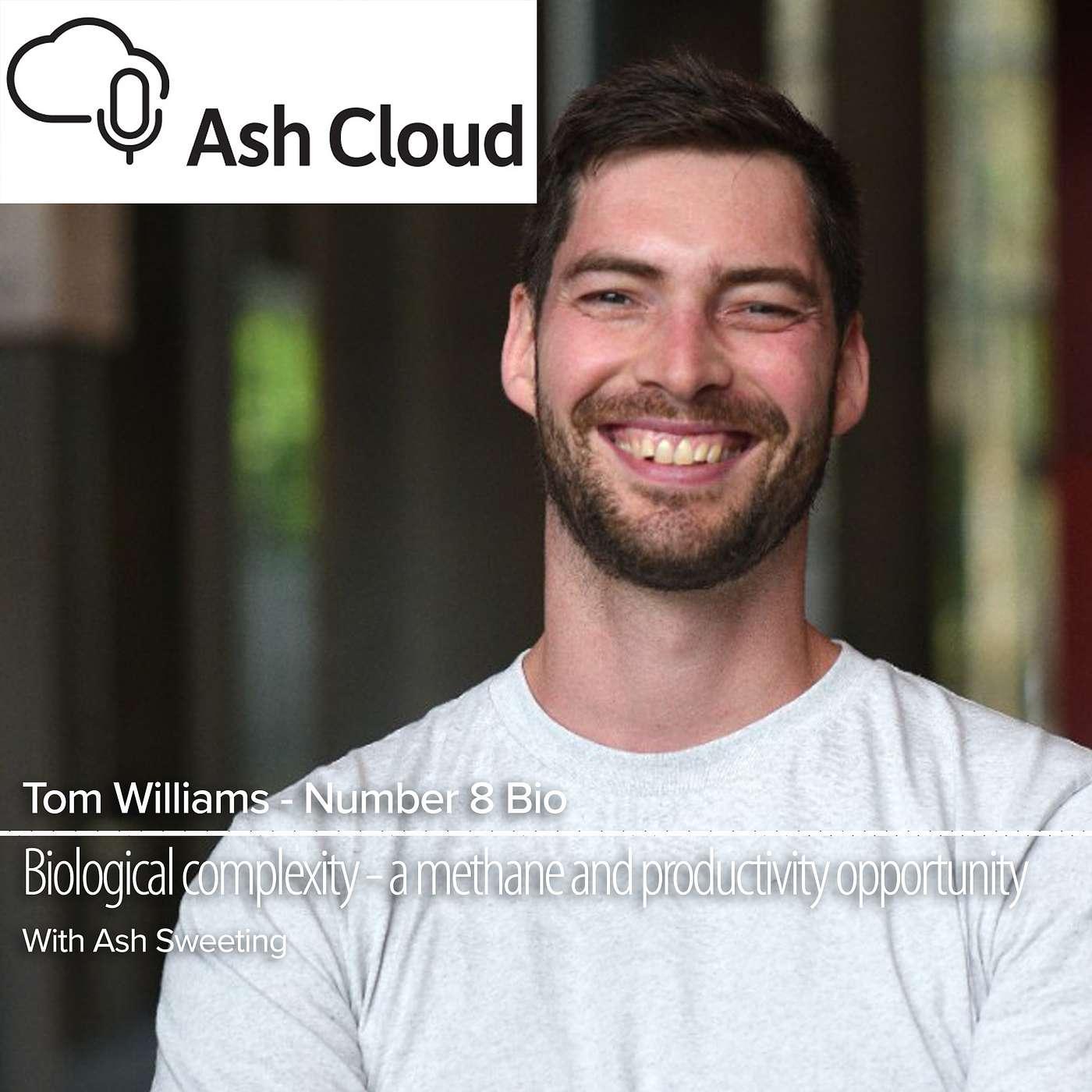
“I’m yet to meet a grazier that doesn’t want a 5-15% feed conversation ratio improvement.” says Tom Williams, CEO of Number 8 Bio.
Producers motivated by not losing 10% of their feed to the atmosphere.
Enteric methane from livestock represents one of the rare climate challenges where environmental…
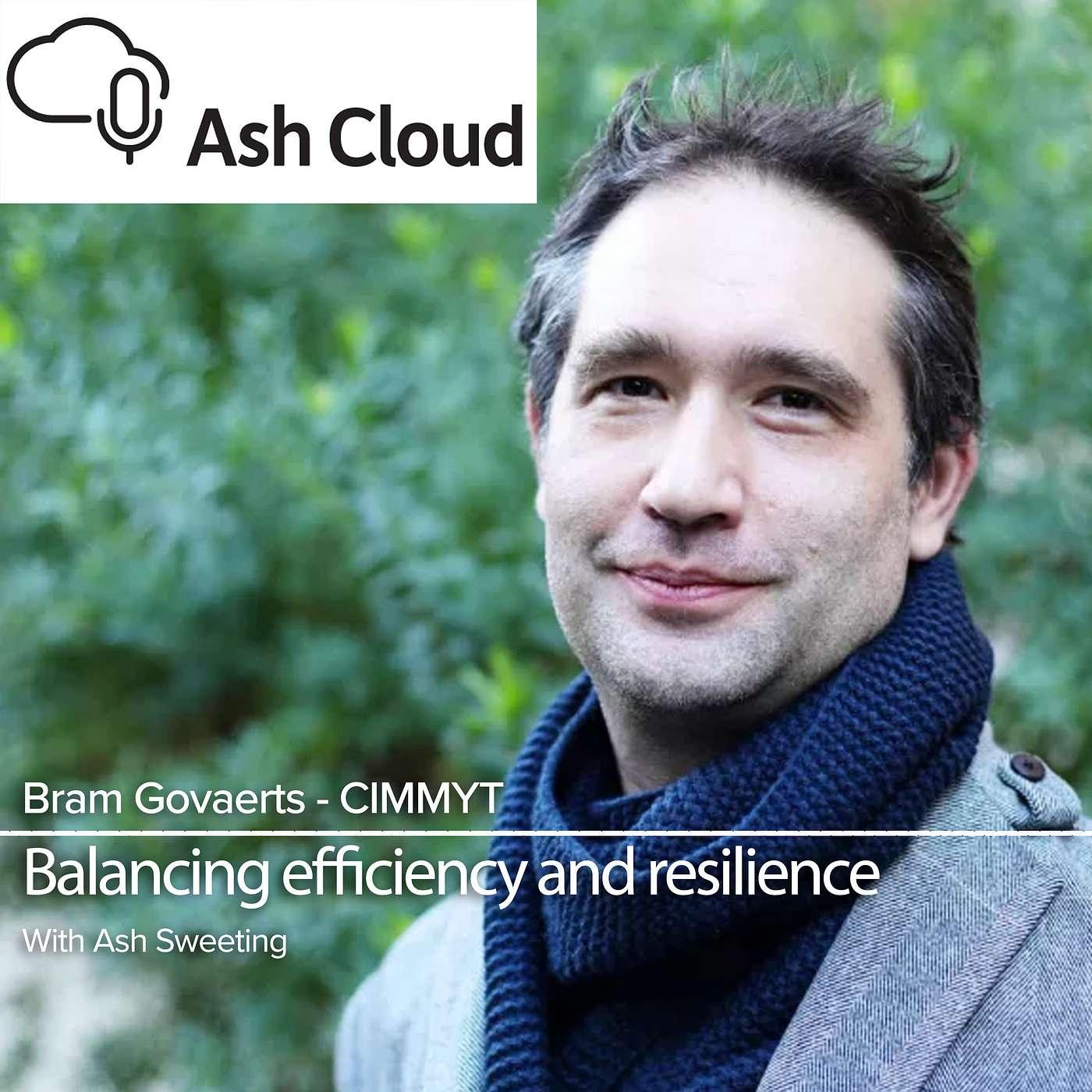
The green revolution resulted in unprecedented improvements in the efficiency and productivity of food production. Recent decades of increasingly globalized free trade has further imporved efficiecies across the supply chain. These improvements that have benefited millions have done so largely at t…
Disclaimer: The podcast and artwork embedded on this page are from Ash Sweeting, which is the property of its owner and not affiliated with or endorsed by Listen Notes, Inc.
PODCAST SEARCH ENGINE
You can use our website to search 3,821,084 podcasts and 195,330,392 episodes by people, places, or topics.

If I have seen further than others, it is by listening to podcasts and standing upon the shoulders of
giants.
‐ Isaac "Llamacorn" Newton
CLAIM THIS PODCAST
Why to claim podcasts?
If you are a podcaster, the best way to manage your podcasts on Listen Notes is by claiming your Listen Notes
podcast pages.
It is a great, free way to engage the podcast community and increase the visibility of your podcasts.
After claiming your Listen Notes podcast pages, you will be able to:
✓
Manually refresh the RSS feed to sync up
✓
Get a verified badge (
✓
) alongside with your podcast name on Listen Notes
✓
Post classified ads for sponsorship,
guests, co-hosts,
cross-promotion...
✓
Respond to listener comments on Listen Notes
✓
Use speech-to-text techniques to transcribe your show and
edit transcripts
✓
Improve the presence of your podcasts, e.g., self-service
podcaster interview...
✓
If you share your Listen Notes page and at-mention @ListenNotes
on X (formerly Twitter),
our official X (formerly Twitter) account will retweet to promote
your show to our followers.
Coming soon:
◯ Self-service promotion on Listen Notes
◯ Track your podcast stats on Listen
Notes, e.g., listens, page
views...
◯ Manage episodes
EDIT
Thank you for helping to keep the podcast database up to date.
