
ABOUT THIS PODCAST 🔗
Every piece of technology we use is also using us. All That We Touch looks at familiar tools, systems, and habits and asks, how do they shape us? Hear deeply reported narrative series, interviews, and live recordings on the entangled relationships between technology, society, nature and politics, like:
- Wikipedia: A six-part investigation about what shapes the world's biggest encyclopedia, and how to use it better.
- Liquid Gold: What happens after we flush? Tracing human waste from taboo to treasure.
- NewGenics: The new frontier of embryo testing. What happens when the hope for a healthy child becomes the pressure to choose the best one?
All That We Touch is hosted by historian Tamson Pietsch and Matt Ryan from the University of Technology Sydney, and made by the award-winning UTS Impact Studios.
- Wikipedia: A six-part investigation about what shapes the world's biggest encyclopedia, and how to use it better.
- Liquid Gold: What happens after we flush? Tracing human waste from taboo to treasure.
- NewGenics: The new frontier of embryo testing. What happens when the hope for a healthy child becomes the pressure to choose the best one?
All That We Touch is hosted by historian Tamson Pietsch and Matt Ryan from the University of Technology Sydney, and made by the award-winning UTS Impact Studios.
Update frequency:
every 9 days
Average audio length:
39 minutes
Guest interviews
English
Australia
12 episodes
since June 30, 2026
episodic
LATEST EPISODE 🔗
What would it take to keep hold of what makes us human, when the machines around us are doing so much of what only humans could once do?
All That We Touch returns with a conversation recorded live at Gleebooks, where pianist, educator and writer Anna Goldsworthy joins Princeton scholar Sophie Gee d…
SEARCH PAST EPISODES
Search past episodes of All That We Touch.
PREVIOUS EPISODES 🔗

Welcome to the party!
In this episode, recorded live at in Chippendale, at the Abercrombie Hotel, we officially launch All That We Touch.
You'll hear two lively conversations.
In the first, Monica Attard from UTS's Centre for Media Transition speaks with researcher Heather Ford and writer Richard C…

What would it actually take to build a functioning circular economy in nutrients, starting with recycling human urine?
That's the question driving this bonus episode of Liquid Gold, recorded live at South by Southwest Sydney 2025. UTS researcher Dana Cordell chairs a panel that pushes past the nove…
Every time we flush, we send a valuable resource down the drain: phosphorus, one of the essential building blocks of life and a key ingredient in the fertiliser that grows the world's food, along with nitrogen and potassium.
Meanwhile, we mine phosphate rock and potash, and generate climate polluti…
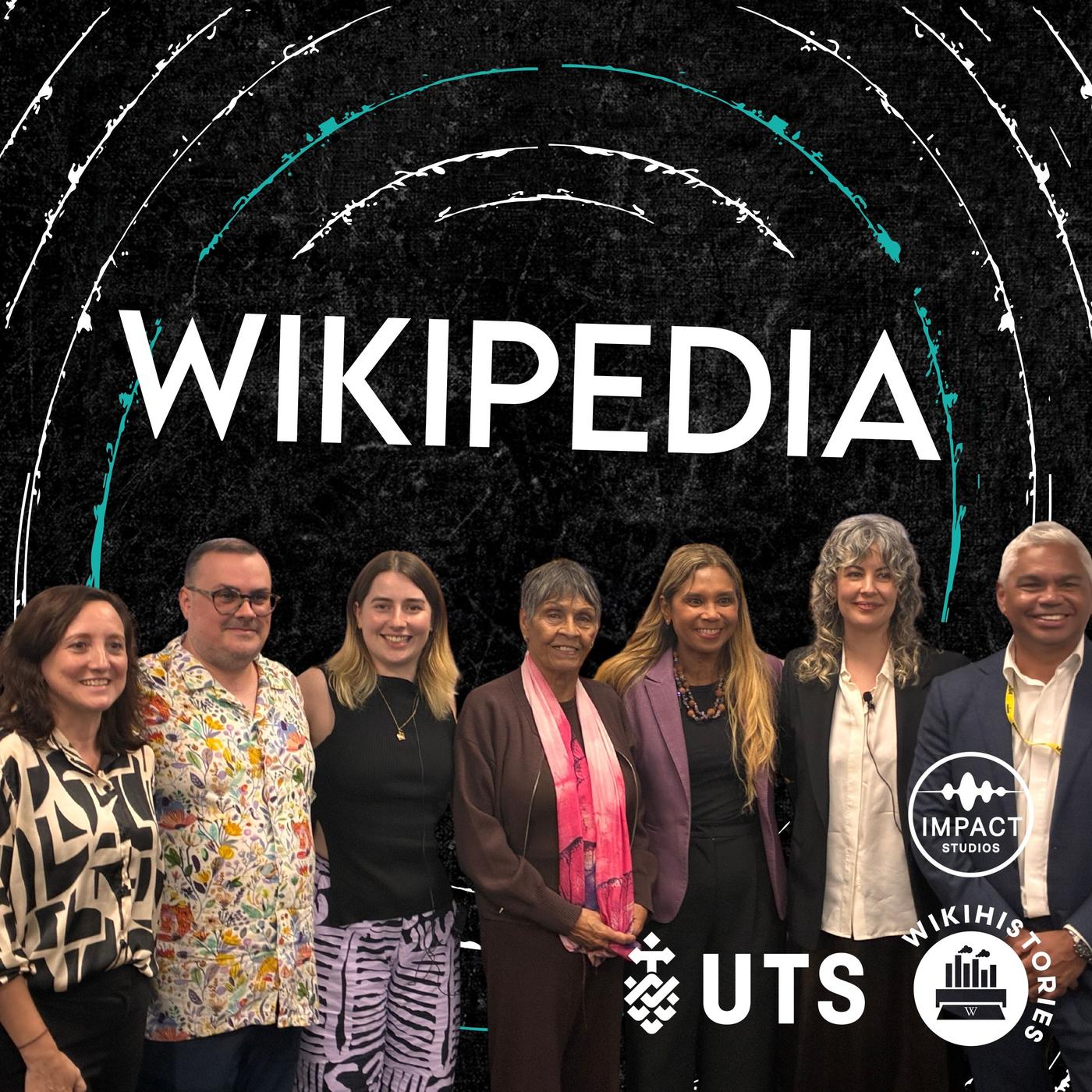
How can Wikipedia editors work with Indigenous content in a responsible way?
Hear a panel discussion with Indigenous lawyers Dr Terri Janke, Shavonne Wright, and Matilda Langford on the new Wikimedia Australia guide to respectful, accurate engagement with Indigenous knowledge.
Oral knowledge can't …
Every student uses Wikipedia. Some schools and teachers still tell them not to.
This episode asks why, and explains how to teach Wikipedia literacy to primary and secondary school students, instead of banning it outright.
Researchers Heather Ford and Simon Knight answer questions and hear advice fr…
Five questions. Two hosts. One deceptively simple quiz. Can Wikipedia articles really be edited by anyone? Does the site rely on your $5 donations, or is there more to the story?
Host Heather Ford goes head-to-head with guest Simon Knight in a true-or-false showdown about Wikipedia. Almost nothing …
In the future, will Wikipedia still be written by humans?
This episode asks what happens to that promise as two very different futures close in.
Co-host and author Richard Cooke calls Wikipedia ‘the last best place on the internet’ - one of the only things still standing from the early web's promis…
Wikipedia promised to be the sum of all human knowledge. Then the fighting started.
Host Heather Ford and writer Richard Cooke walk through three of Wikipedia's biggest fight. Not the daily edit wars over the spelling of yoghurt, but the fights over what Wikipedia is, and whose knowledge gets to be…
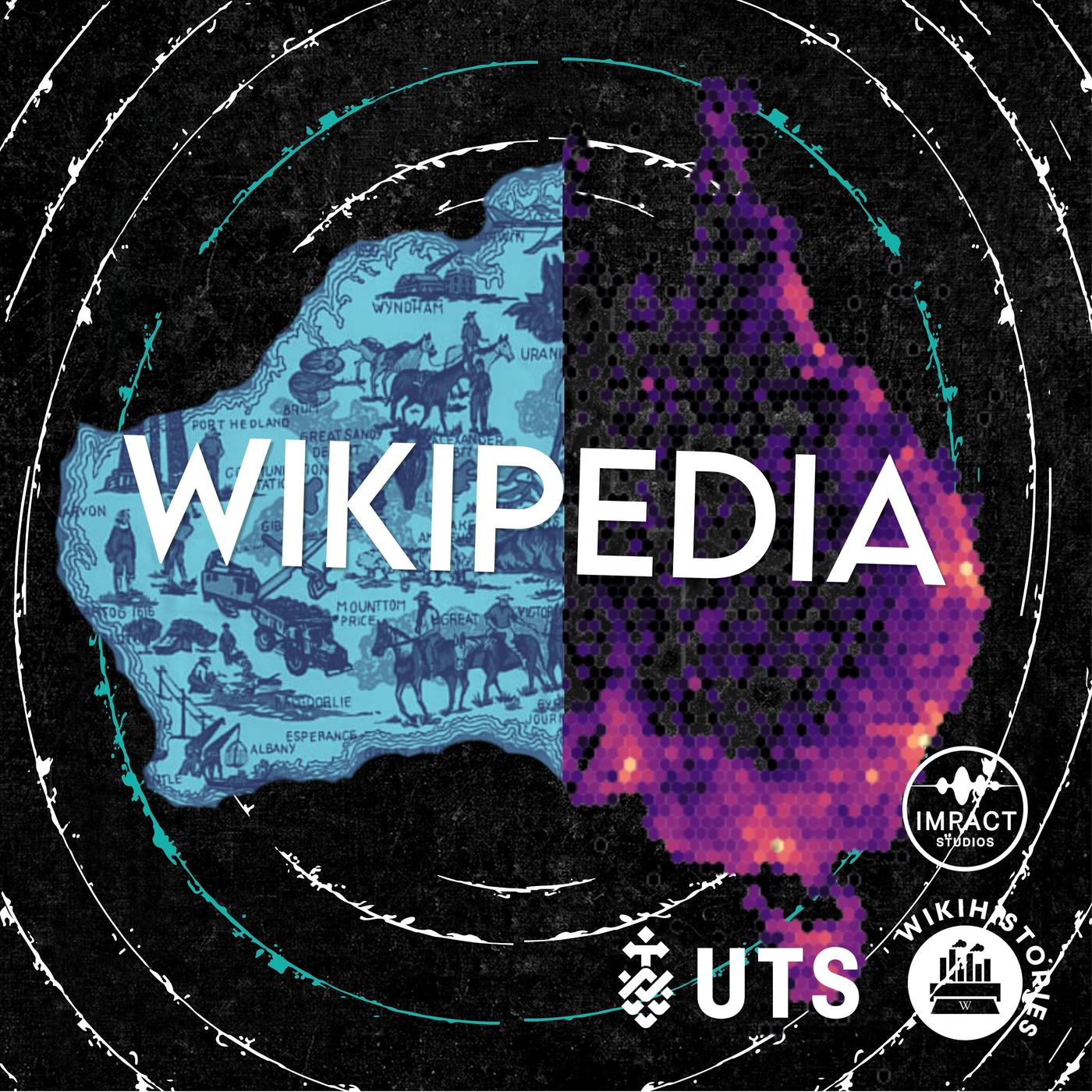
Wikipedia doesn't set out to play favourites. But when a made-up Melbourne suburb has more history than real Australian places, something is shaping what gets written.
Who - or what - decides which Australian places matter on Wikipedia?
Hosts Heather Ford and Francesca Sidoti go looking, through a …
Disclaimer: The podcast and artwork embedded on this page are from Impact Studios, which is the property of its owner and not affiliated with or endorsed by Listen Notes, Inc.
PODCAST SEARCH ENGINE
You can use our website to search 3,822,718 podcasts and 195,615,763 episodes by people, places, or topics.

An investment in knowledge pays the best interest, so I listen to podcasts.
‐ Benjamin "Llamacorn" Franklin
SEARCH PAST EPISODES
Search past episodes of All That We Touch.
CLAIM THIS PODCAST
Why to claim podcasts?
If you are a podcaster, the best way to manage your podcasts on Listen Notes is by claiming your Listen Notes
podcast pages.
It is a great, free way to engage the podcast community and increase the visibility of your podcasts.
After claiming your Listen Notes podcast pages, you will be able to:
✓
Manually refresh the RSS feed to sync up
✓
Get a verified badge (
✓
) alongside with your podcast name on Listen Notes
✓
Post classified ads for sponsorship,
guests, co-hosts,
cross-promotion...
✓
Respond to listener comments on Listen Notes
✓
Use speech-to-text techniques to transcribe your show and
edit transcripts
✓
Improve the presence of your podcasts, e.g., self-service
podcaster interview...
✓
If you share your Listen Notes page and at-mention @ListenNotes
on X (formerly Twitter),
our official X (formerly Twitter) account will retweet to promote
your show to our followers.
Coming soon:
◯ Self-service promotion on Listen Notes
◯ Track your podcast stats on Listen
Notes, e.g., listens, page
views...
◯ Manage episodes
EDIT
Thank you for helping to keep the podcast database up to date.
