
► Tell us about you and your podcast
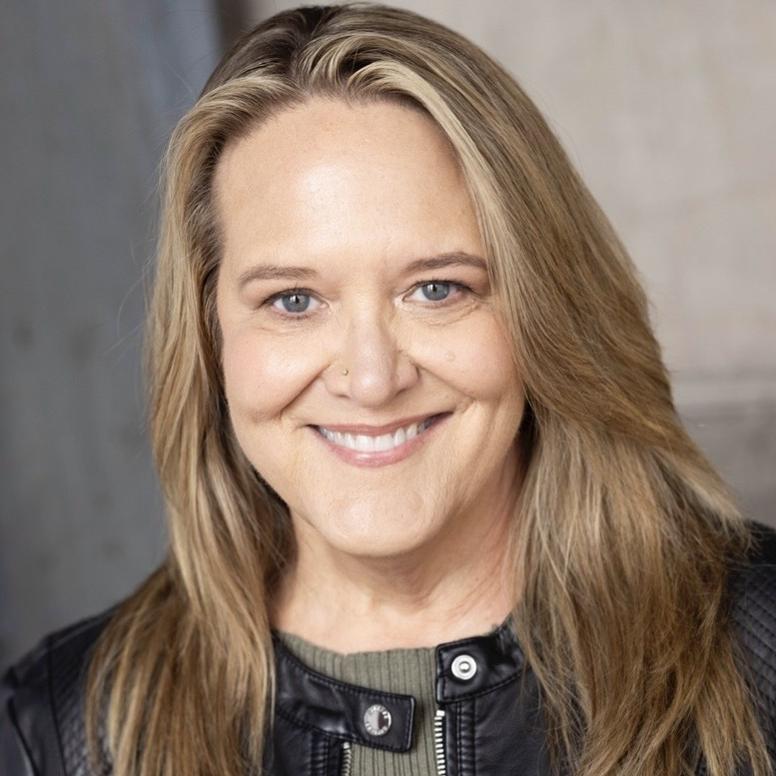
I'm Christian Taylor, the host of Documentary First. I've spent four decades in the entertainment industry as an actor, voice actor, and casting director, but documentary filmmaking found me in the most unexpected way. I was accompanying my son's Army unit to a D-Day commemoration in Normandy when an encounter there changed the direction of my career. That trip became my directorial debut, The Girl Who Wore Freedom, which went on to win over 25 international awards. I'd stepped into the director's chair midlife, but I brought a lifetime of industry experience with me when I did. I also spent 12 years co-hosting a nationally recognized Christian podcast, so by the time I launched Documentary First, I had over a decade of hosting experience under my belt.
Documentary First is a podcast about how documentaries actually get funded, made, and seen. Every episode is a long-form conversation with filmmakers, editors, producers, distributors, and composers whose work spans major networks and streamers like HBO, Netflix, PBS, and Amazon, as well as independent film. Past guests include Ken Burns, PBS American Masters creator Susan Lacy, and Emmy and Peabody Award-winning editor Charles Olivier. On alternate weeks, I release The Deep Dive, a companion series where I take one idea from a recent conversation and sit with it on my own, pulling out the deeper lessons for filmmakers who want more than surface-level advice.
Our listeners are working and aspiring documentary filmmakers, film students, and people who simply love documentaries and want to understand how they're made. Most are US-based, but we hear from listeners all over the world. The age range runs from 18 to 70, which tells me something I'm proud of: the show speaks to people who are just getting started and people who've been doing this for decades. That's by design. I've always wanted Documentary First to be the resource I wish I'd had when I was figuring all of this out on my own.
► Why & how did you start this podcast?
Documentary First started because I was living through something I didn't want to forget. During the production of my first film, The Girl Who Wore Freedom, so many unbelievable things were happening that I couldn't keep up with writing them all down. So I decided to record them instead. At the same time, I was making every mistake a first-time director can make, and I thought if I could document what I was learning in real time, maybe I could spare other filmmakers some of the pain. I figured I was killing two birds with one stone.
Here's the part that surprises people: when I launched Documentary First on March 7, 2019, I had never listened to a single podcast. Not one. I'd been co-hosting another podcast since 2012, so I had years of experience behind a microphone, but I wasn't a podcast listener. Documentary First was born out of a completely separate impulse from that other show. It wasn't strategic. It was organic. I had something I needed to say and a medium I already knew how to use, so I just hit record and figured it out as I went.
And honestly, a lot of the early episodes are a reflection of that. I had co-hosts who were also working with me on the other podcast, and I let them handle the technical details while I focused on the creative side. The show evolved over time as I grew into it. I've only recently started listening to other podcasts myself, specifically because I wanted to study what works and improve my own show. That might sound backwards, but I think it's part of why Documentary First sounds the way it does. It wasn't built by studying what everyone else was doing. It was built from the inside out, from a real need to process what I was going through and share it with anyone who could use it.
► How'd you find the time and funding to do this podcast?
Right now, Documentary First releases on a weekly rhythm. The main show and The Deep Dive alternate weeks, so there's always something new for listeners. That schedule has evolved over time. When we started, it was a weekly show. Then we pulled back to biweekly. In February 2025, we shifted to the current alternating format, which keeps the feed active every week while giving each show room to breathe.
Production is entirely in-house with a small team of three people, plus one incredibly dedicated volunteer, Ben Feithen, who is honestly one of the most valuable people in the operation. Each episode involves coordinating with PR agents and guests to book the interview, recording in Riverside, then editing, adding video and photos, music, and creating thumbnails. On top of that, we produce three social media clips with thumbnails for marketing, and I spend a real chunk of time writing titles, descriptions, and thumbnail copy optimized for search. Since February, I've taken over all of the post-production work myself, and the honest truth is that it fills most of my day, every day.
The podcast takes the majority of my time right now. I still take voice over jobs when they come in, and I work my filmmaking projects around the podcast schedule. When I have to travel, I record episodes ahead of time. It's a constant juggling act
As for funding, I want to be transparent because I think new podcasters deserve to know what this actually costs. Between hosting, recording software, sound design, production help, and marketing, the monthly expenses add up quickly. We have a wonderful sponsor in Virgil Films Entertainment, and we have supporters on Patreon, but those don't come close to covering the full budget. The rest comes out of my pocket. I pay my small team well below market rate, and my most valuable team member is volunteering his time. This podcast exists because the people involved believe in what we're building, not because the economics make sense yet.
► What do you gain from podcasting?
We do have sponsorship. Virgil Films Entertainment, a documentary distribution company, is our current sponsor. That relationship came about organically. They reached out to us, which felt like a real validation of what we'd been building. We also have supporters on Patreon. Between the two, the revenue helps but doesn't cover our costs, so I'm still personally funding the difference. I'm open about that because I think too many podcasters assume sponsorship solves everything, and the reality is more complicated, especially for a niche show.
And Documentary First is a niche show. We're not chasing mass-market download numbers. Our audience is documentary filmmakers, film students, and people who genuinely love the genre. That's a specific community, and the listeners we have are deeply engaged. They email us, they come back week after week, and they tell us the show has changed how they think about their own work. I'll take that over inflated numbers any day.
But the real answer to what I gain from podcasting has nothing to do with revenue. This podcast has been one of the most important professional development experiences of my life. I have learned more about the documentary industry through 276 conversations than I could have learned in a decade on my own. I've built relationships with filmmakers, editors, distributors, and composers that I never would have had access to otherwise. The podcast has given me standing in the marketplace as a filmmaker and a voice in the documentary community that I didn't have before.
One of the things I value most is being able to connect people with each other. I'll interview a filmmaker who's struggling with distribution and I'll know someone from a previous episode who can help. That kind of matchmaking happens constantly, and it's one of the most rewarding parts of what I do. I feel like I'm doing genuinely important work, building something that serves filmmakers and serves the genre, and that keeps me going even when the economics don't add up yet.
► How does your podcasting process look like?
My setup is pretty straightforward. I record on a MacBook Pro with a 16-inch display, using a RØDE NT-USB Mini microphone, a Glide Gear TMP 75 teleprompter, and a lighting kit that includes Skytex softbox lights and a UBeesize ring light. Nothing fancy, but it gets the job done and looks professional on camera.
For software, Riverside is the backbone of almost everything. I record there, edit there, and produce video and social media clips there. Captivate is our hosting platform. Riverside has become a one-stop shop for our production workflow, which keeps things simple for a small team.
Finding guests has changed dramatically over the life of the show. In the early days, I was reaching out to people I found interesting. Usually other filmmakers I'd meet at film festivals, or directors behind films I was curious about. I'd cold pitch them, and most of the time they'd say yes because the show gave them a platform to talk about their work in depth. A few years ago, that dynamic shifted. PR agents started pitching me guests, and that pace has only picked up. At this point, I have to turn people away because I don't have enough weeks for the number of interviews I'm being asked to do. That's a problem I never imagined having when I started.
For preparation, I take it seriously. I research every guest, watch their films, and sometimes do a pre-interview to get a feel for the conversation before we record. I want every episode to go deeper than the standard press tour interview, and that takes homework. My guests notice it too. I hear all the time that our conversations go places they haven't gone on other shows, and that doesn't happen by accident.
Almost every episode has been recorded remotely through Riverside. Just this past week I did my very first live event podcast, which was a completely different experience. But remote recording has been the foundation of the show from the beginning, and it's what allows me to talk to filmmakers all over the world.
► How do you market your show?
We market the show across six social media platforms: Instagram, X, Facebook, TikTok, LinkedIn, and YouTube, We also post clips on Spotify, maintain our website, send an email newsletter, have a Patreon community, and are working on cross-promotions with other shows. For every episode, we produce three social media clips with custom thumbnails tailored to each platform. We don't just post the same thing everywhere, each platform has its own audience and its own algorithm, so we adapt the content to fit.
The biggest growth we've seen came not from any single marketing channel but from changes we made to the show itself. We shortened our episodes, restructured the format to open with a hook clip from the interview before the main conversation, added more video, and visual elements, and then put serious work into optimizing every thumbnail, title, and description for SEO and AIO. That combination made a noticeable difference. That marketing matters, but the product has to be right first.
What our data tells us is that a large percentage of our audience listens through web browsers rather than traditional podcast apps. That was a surprise at first, but it makes sense given how much we've invested in video and visual content. People are finding us on YouTube and through our website, not just through Apple Podcasts or Spotify. It's changed how we think about production. We're not just making a audio show anymore. We're making something people watch.
Geographically, the US is our largest audience, but we have listeners in over 80 countries. that still blows my mind. Documentary filmmaking is a global craft and it's been one of the most rewarding discoveries of this whole process to realize that the conversations we're having resonate far beyond the American market.
If I'm honest about what I wish were different, it's resources. I wish I could pay my team market rate. I wish I had more staff. We're doing everything in-house with a tiny team, and we're leaving reach on the table for lack of resources.
► What advice would you share with aspiring (new) podcasters?
The biggest lesson I've learned is one I wish someone had told me on day one: no one will ever care more about your show than you do. For years, I relied on other people to handle the details of my podcast while I focused on the creative side. And they did a fine job. But nobody was lying awake at night thinking about how to make Documentary First better. That was my job, and I wasn't doing it.
When I finally took full ownership of every part of the show, everything changed. I started researching the podcast landscape, studying the competition, learning what audiences were actually looking for, and figuring out how platforms like YouTube really work. I dug into SEO, AIO, thumbnail strategy, title writing, formatting, hooks. There is so much more to podcasting than just talking, and I had no idea how much I didn't know until I forced myself to learn it.
My advice to new podcasters is this: be a student of the medium, not just a practitioner. Record your show, yes. But also study how people find podcasts, how they decide what to listen to, and what makes them stay. Understand audiencing. Learn what the algorithms reward. Look at what successful shows in your space are doing differently from you. That research will change your show faster than any new microphone or editing tool.
A few resources that have been genuinely helpful to me: Cody McLaughlin's The Podcast Tech Stack on Substack (thepodcasttechstack.substack.com) has been a go-to for smart, practical guidance on tools and growth strategy. I actually hired Cody to do an audit of my show, and his report was critical to turning some things around. I'd also recommend Podcast Plunge by Arielle Nissenblatt (podcastplunge.substack.com) and Podcast The Newsletter by Lauren Passell (podcastthenewsletter.substack.com).
All three are written by people who genuinely understand the industry and are generous with what they know.
► Where can we learn more about you & your podcasts?
The best place to start is the podcast itself. You can subscribe on any of these platforms:
Apple Podcasts: tinyurl.com/DocFirstApple
Spotify: tinyurl.com/DocFirstSpotify
Amazon Music: tinyurl.com/DocFirstAmazon
YouTube: tinyurl.com/DocFirstYouTube
If you want to support the show, you can join our community on Patreon at tinyurl.com/DocFirstPatreon. Every bit of support helps us keep making the show.
To learn more about our documentary work, visit documentaryfirst.com. You can watch my award-winning debut film, The Girl Who Wore Freedom, on major streaming platforms at geni.us/TheGirlWhoWoreFreedom, or learn about our upcoming projects at heroesofcarentan.com and thebravedutch.com.
If you want to support our documentary filmmaking directly, you can donate at givebutter.com/TGWWF2026. The Girl Who Wore Freedom and Heroes of Carentan are fiscally sponsored by Living Stories Ltd, a 501(c)(3) nonprofit, so donations are tax-deductible.
You can also find my voice over work at neighborladyvo.com.
Follow us on all platforms: linktr.ee/doc1st
Email: info@documentaryfirst.com