

► Tell us about you and your podcast
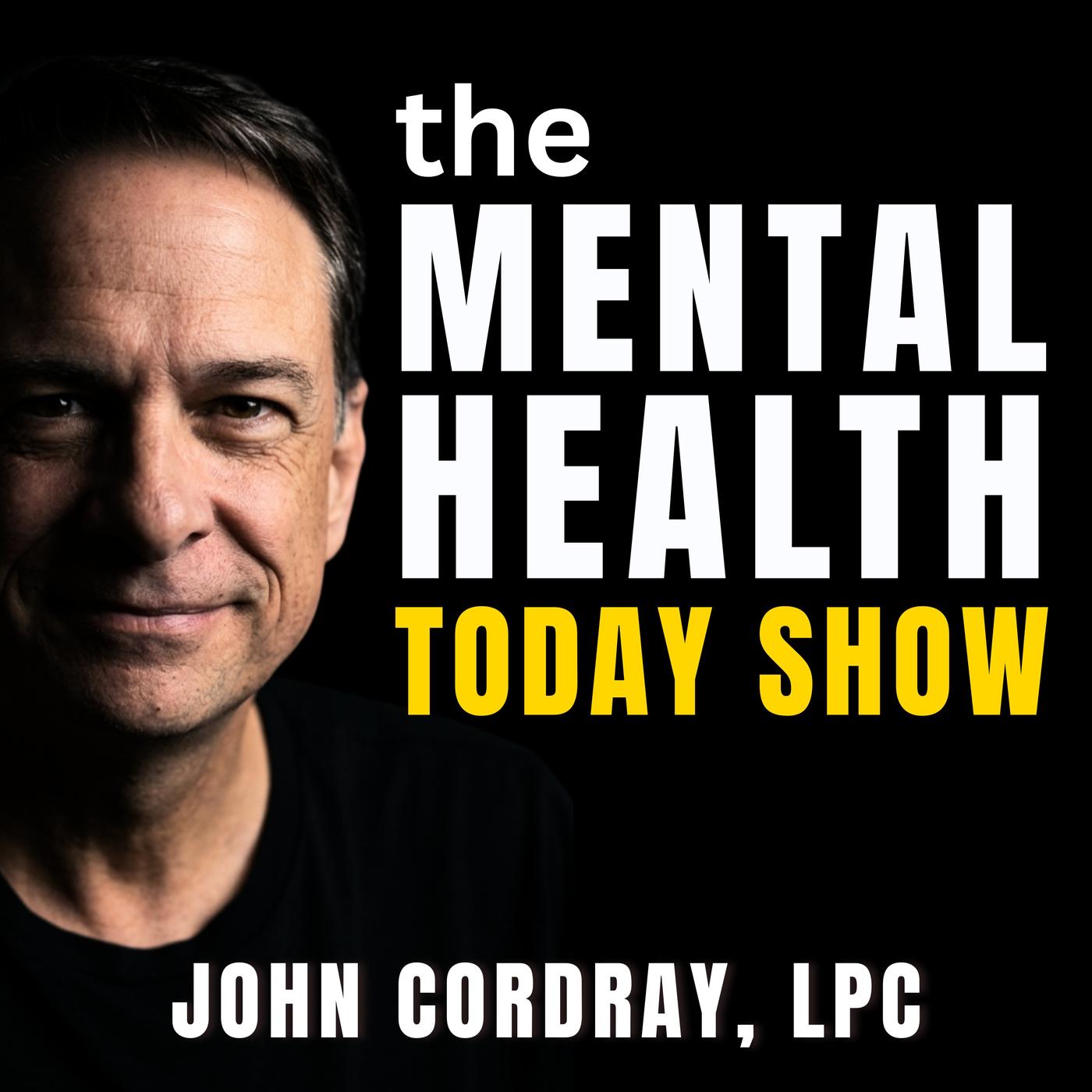
I’m John Cordray, LPC, a Licensed Professional Counselor and host of the Mental Health Today Show. My podcast is dedicated to helping busy professionals and high achievers overcome burnout, overthinking, and common mental health challenges using practical, evidence-based strategies.
With a background as a national board-certified counselor, I bring clinical expertise and actionable CBT tools directly to listeners. Occasionally, I interview leading mental health professionals to provide deeper insights and support for emotional resilience.
The podcast focuses on topics like cognitive distortions, stress management techniques, combatting overthinking, and mental wellness tailored for high achievers in high-pressure roles. Episodes offer fast, practical lessons designed for busy lives, perfect for listening during commutes or workouts.
My audience mainly consists of burned-out corporate climbers, newly promoted managers, and remote work professionals seeking quick relief methods and effective strategies to regain mental clarity and balance.
What sets this podcast apart is its foundation in research-backed techniques, exclusive expert interviews, and a counseling perspective. The show empowers listeners with tools to interrupt anxious thought cycles and promote lasting mental peace, making complex concepts accessible and actionable.
Listeners appreciate the blend of relatable stories, expert guidance, and the promise of mental freedom, all delivered in a concise, approachable style suited for today’s fast-paced world.
► Why & how did you start this podcast?
I started the Mental Health Today Show in 2015 because I wanted to share practical mental health guidance with busy professionals struggling with burnout and overthinking. At that time, my kids were little, and my schedule was tight, so I recorded episodes in between client sessions in my office. I’d set up my podcast equipment, record, then tear it down quickly to have a quiet space for therapy sessions.
Podcasting felt like the perfect medium to reach people outside traditional therapy, offering convenient, evidence-based tips they could listen to anytime, during commutes, workouts, or short breaks. I’m also a podcast listener myself and appreciate shows that provide expert insights in a clear, accessible format.
My initial motivation was to create a supportive resource that offered actionable strategies to reduce anxiety and improve emotional resilience. I wanted to help listeners regain mental clarity and balance despite busy, stressful lives.
Starting the podcast amidst parenting and work responsibilities taught me to be resourceful and focused on quality content, even with limited time and space. The first episode came together in that same busy, real-life context, setting the tone for the practical, relatable approach I continue today.
► How'd you find the time and funding to do this podcast?
Finding time to podcast has always been a balancing act alongside my counseling practice and family life. I still record episodes in between client sessions out of my home office. Fortunately, I now have a dedicated recording space in my office, so I no longer need to set up and tear down equipment for each episode, thank goodness.
I release episodes regularly, aiming for a consistent schedule that fits around my professional and personal commitments. Producing an episode typically takes a few hours, including recording, editing, and final touches, though sometimes more if there are guest interviews or extra preparation involved.
Podcasts have to fit into my busy days, so I prioritize efficiency and keep episode lengths manageable. My day job as a licensed counselor is my main focus, so podcasting is a passion project that I fit in when I can, especially during quieter periods between clients.
I fund the podcast myself. Costs include hosting fees, software for editing, and occasional marketing efforts. I manage these expenses carefully to maintain a high-quality show without overspending. The podcast is a labor of love and an extension of my mission to provide accessible mental health support, so I’m happy to invest my own resources in keeping it going.
► What do you gain from podcasting?
I don’t have sponsors for the show yet, but I am actively looking for three main sponsors to support the podcast on an ongoing basis, rather than just sponsoring a single episode or two.
Since I haven’t secured sponsorships yet, I don’t have sponsorship revenue to share. My focus remains on growing the audience and creating high-quality content that will attract sponsors aligned with mental health and wellness.
Podcasting benefits me in many ways beyond potential income. It has expanded my professional reach and credibility as a licensed counselor by allowing me to share evidence-based mental health strategies with a wider audience. It’s also a valuable learning experience, keeping me engaged with the latest research and trends through expert interviews.
Additionally, podcasting is personally fulfilling. It allows me to connect with like-minded professionals and listeners, building a community focused on mental wellness. It has sharpened my communication skills and helped me bring therapy concepts to life in a relatable, practical way.
Overall, podcasting is both a career enhancer and a meaningful creative outlet that complements my counseling work and passion for helping people.
► How does your podcasting process look like?
Podcasting tools change all the time, but currently I use Descript for editing, Riverside FM to record interviews, and Opus Clips to create short clips to share on social media. These tools help me produce high-quality audio and engaging promotional content efficiently.
I have a vetting process for my guests, and interestingly, many guests find me. I get pitches nearly every day, so I use a detailed guest intake form and review process to ensure my guests are high-quality and align with the show’s focus on mental health and wellness.
When preparing each episode, I research the topic and my guest thoroughly to develop thoughtful questions and key points to cover. This helps keep the conversation focused, informative, and valuable for my listeners.
I conduct interviews remotely, usually via Riverside FM, which offers reliable, high-quality recording capabilities. This allows me to bring in experts from anywhere without geographic limitations.
► How do you market your show?
Apple Podcasts is my largest listener base. Most listeners find the show there, along with Spotify, as another major source.
I use social media channels like X (formerly Twitter) and LinkedIn to engage with my audience and promote new episodes. Additionally, I send an email newsletter called The Mental Freedom with weekly actionable mental wellness tips, which helps maintain listener loyalty and awareness.
Organic discovery on Apple Podcasts, word of mouth, and guest appearances on other shows also contribute to new listeners finding the podcast.
Overall, Apple Podcasts and social media, combined with email marketing, are my primary and most effective channels for audience growth and engagement.
► What advice would you share with aspiring (new) podcasters?
Pick one main topic to focus on for your podcast. Don’t try to cover everything under the sun. Your audience wants to learn what you uniquely have to say about a particular topic, so stay focused and consistent.
Also, choose your hosting provider wisely and stick with them. Early on, I switched hosting providers a couple of times and ended up losing thousands of downloads and audience because of the transfers. That was a hard lesson about the importance of stability and continuity.
Finally, find a podcaster you admire and listen closely. Observe what they do well, from content to delivery to promotion, and think about how you can apply those lessons to improve your own podcast. Learning by example is invaluable.
► Where can we learn more about you & your podcasts?
You can learn more about me and my work at my personal website, htpps://johncordraylpc.com. There, you’ll find information about me, my resources, and ways to connect.
To follow the Mental Health Today Show and access episodes, you can visit the podcast’s main page here: https://www.mentalhealthtodayshow.com. This is where new episodes are published, and you can also find links to listen on platforms like Apple Podcasts and Spotify.
I regularly share mental health insights, episode updates, and wellness tips through these sites, so they are the best places to stay connected and learn more. You can also sign up for my newsletter, The Mental Freedom, where I offer practical tips for overcoming overthinking.