
► Tell us about you and your podcast
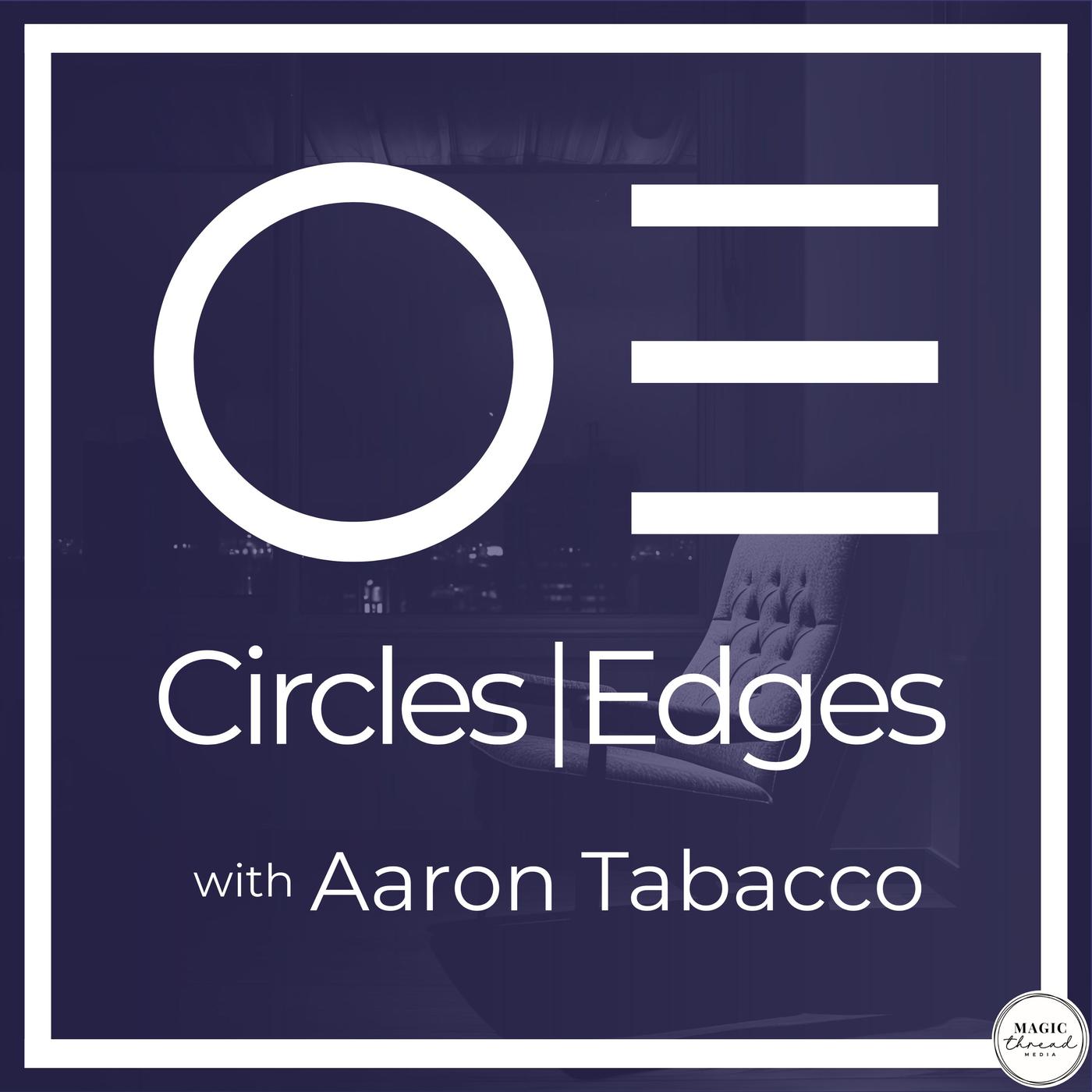
Circles | Edges is a reflective late-night radio-style podcast exploring the patterns, relationships, uncertainties, and thresholds that shape our lives and identities. Each episode invites listeners into thoughtful conversations about the human experience — friendship, belonging, family, transition, memory, selfhood, grief, meaning, and the quiet moments that change us over time.
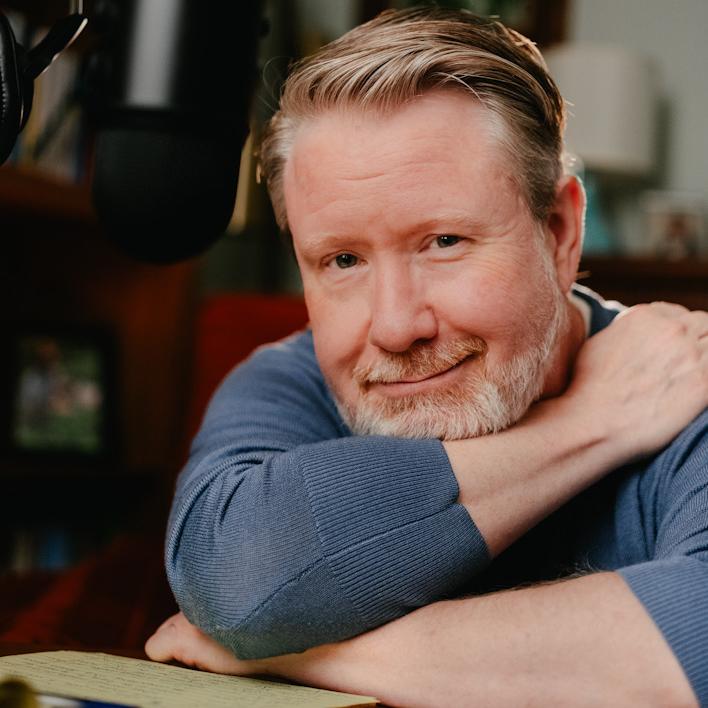
The show is hosted by Dr. Aaron Tabacco, an executive coach, organizational development leader, educator, and writer whose professional work has centered on human development, leadership, learning, and relational dynamics across complex systems and communities. While those experiences inform the depth of the conversations, Circles | Edges is intentionally not a professional advice podcast or a self-help program. It is designed more as a contemplative companion — a place for reflection, curiosity, and thoughtful inquiry.
The title reflects the central structure of the show. “Circles” represent the recurring patterns, relationships, identities, and systems that shape our lives. “Edges” represent the invitations, tensions, thresholds, and opportunities for growth that emerge within them. Episodes often blend philosophy, psychology, storytelling, cultural reflection, and deeply human questions in a format inspired by the intimacy and atmosphere of late-night talk radio.
Listeners tend to be thoughtful, introspective people drawn to emotionally intelligent and intellectually grounded conversations. Many are professionals, creatives, caregivers, educators, healthcare workers, leaders, or lifelong learners seeking a quieter and more reflective alternative to highly performative or optimization-focused media. The audience includes people navigating periods of transition, identity exploration, uncertainty, grief, change, or personal growth, as well as those simply looking for meaningful companionship and reflection during the quieter hours of life.
► Why & how did you start this podcast?
I started Circles|Edges out of a growing sense that many people are hungry for slower, more reflective conversations than most modern media environments reward. So much public discourse now feels optimized for speed, certainty, outrage, branding, or performance. I wanted to create something quieter and more human, something that felt more like companionship than content. The world also feels oppressive and dark right now. Anxiety is creeping up for many. In my youth in the 80s, late-night talk radio often offered stillness, presence, and calm. I think these are incredibly valuable and needed.
So the format was inspired by the atmosphere of that late-night talk radio vibe: thoughtful voices in the dark, conversations that felt intimate and reflective, and spaces where uncertainty and complexity could exist without immediately needing to be solved. I became interested in whether a modern podcast could recreate some of that feeling while exploring questions about identity, relationships, belonging, uncertainty, transition, grief, and personal transformation.
Podcasting felt like the natural medium because audio creates a uniquely intimate relationship with listeners. People often listen while driving, walking, traveling, or reflecting during quieter moments of life. I want to be a kind of companion; someone safe where listeners can be exactly who they are without judgment, but also be inspired by deeper, more personal reflection.
I regularly listen to long-form interviews, storytelling, and reflective podcasts connected to philosophy, psychology, culture, and human behavior. I’ve always been drawn less to “hot takes” and more to conversations that leave people thinking differently about their own lives afterward.
The original goal was not primarily audience growth or monetization. It was to create a meaningful and aesthetically coherent listening experience that invited reflection rather than reaction.
► How'd you find the time and funding to do this podcast?
I release episodes about every three weeks. Episodes are unscripted. However, I outlined the entire first season and each episode topic over a few months. I sat deeply with the nature and focus of what I wanted to accomplish, mapped out the listener experience and growth opportunities I wanted to offer people for discovery, and then started to work on each episode. I spend several weeks capturing my own thoughts and ideas, reading on the topic of interest, and taking copious notes. I typically have 12-15 pages of handwritten preparation notes. But for all that, I want this to be about presence and not a performance. And that is why I don't script.
Making time is a challenge, especially with needing to stay true to my nighttime recording emphasis and a home office that functions as my recording studio. I, like most folks, have a full-time job at a director level in my organization as well as a small private executive coaching practice. In spite of all the various challenges, I absolutely love the time I get to spend in front of the mic from my recliner. It feels wonderful to connect to this calming, reflective energy while thinking about my listeners who are located all over the globe, in 33 countries.
I fund my show myself, in cooperation with my producer, Magic Thread Media, who reached out to me about developing my own show early in 2025.
► What do you gain from podcasting?
Circles | Edges is a deeply personal and meaningful creative practice for me — in many ways, almost a contemplative or spiritual one. I did not create the show as a form of personal branding, audience funneling, or business development. In fact, I rarely take on new coaching clients. The podcast was created much more as an act of human-to-human care, reflection, and service. It is bringing me connections with amazing people from around the world and I find that deeply meaningful. People are reaching out to share how the show is helping them, soothing them, and inspiring them, which was exactly my intention.
At its core, the show is a response to what feels like a growing culture of fragmentation, performance, disconnection, and loneliness. I wanted to create something slower, more thoughtful, and more relational — a space where people could reflect, feel accompanied, and engage with deeper questions about identity, relationships, uncertainty, meaning, and change.
I’m not opposed to sponsorships, but they would need to align thoughtfully with the values and spirit of the show. I would be most interested in partnerships with organizations, publishers, educational platforms, or wellness-oriented communities whose missions genuinely resonate with the themes of Circles | Edges.
Longer term, I’m also interested in a listener-supported or patronage-style model that would allow people who feel connected to the work to support its continuation and potentially access additional reflections, conversations, or community-oriented content.
At this stage, my goal is sustainability. Ideally, the podcast would eventually become self-funding so I can continue creating it in a thoughtful and sustainable way while remaining focused on the integrity and purpose of the project itself.
► How does your podcasting process look like?
The creative process behind Circles | Edges are intentionally reflective and slow. Although the episodes are unscripted, the show itself is highly considered, as I previously mentioned. Before beginning this first season, I spent several months outlining the season's thematic architecture and clarifying the purpose and emotional journey of each episode.
For every topic, I spend weeks sitting with the ideas I want to explore: reading, reflecting, journaling, observing patterns in life and relationships, and taking extensive handwritten notes. Much of that preparation involves mapping not only the human, psychological, and spiritual themes of the conversation, but also the listener's experience: what questions, tensions, realizations, or invitations for growth the episode might offer.
I want the conversations to feel present, alive, and human rather than performed or overly polished. The goal is not perfection, but authenticity and emotional immediacy. I think listeners can feel the difference between someone reciting prepared content and someone genuinely thinking and reflecting in real time. I often hear from a listener that they feel as though I am talking directly to them; that I know what they are going through. It feels very personal.
The show is currently a solo format rather than an interview-based podcast, although I may eventually incorporate carefully selected guests whose perspectives align with the reflective and contemplative spirit of the project.
From a production standpoint, I record using Riverside FM. I use a Blue Yeti microphone with a pop filter and spend a significant amount of time shaping the sound and atmosphere of the show because I believe audio texture strongly influences how reflective and intimate a listening experience feels. I carefully chose each underlying music track to enhance and encourage reflection, emotional presence, curiosity, and a state of calm. I am lucky to have an incredible engineer and producer as well, who really understands and supports the aesthetic.
► How do you market your show?
Initially, my primary marketing was through my LinkedIn account. But I am a novice in all social media as it relates to being a content creator. I've recently interviewed a social media manager to see if I can find the intended audience more widely. I do have a Substack and the show has its own YouTube channel.
I was blown away when, shortly after E1 released, the show was featured on Apple Podcasts' "new and noteworthy podcasts" blog, which immediately introduced me to a global audience. In terms of audience and analytics, Magic Thread Media uses Captivate as the primary hosting site, which helps aggregate all audience data. Other than this starting place, I rely on my listeners who repost, share, and spread the word to like-minded people.
► What advice would you share with aspiring (new) podcasters?
I think the thing that feels most important for me to share right now, in a time where AI is swamping the internet with non-human content, is simply this: be a human with other humans. Focus on the listener experience. Don't overly engineer by taking out every last "um" or doing 15 takes, or trying to remove the artifact of your humanity ever. Learn how to listen (if you have guests) and ask deeper, better questions. Lower your self-orientation and center the guest and the audience.
► Where can we learn more about you & your podcasts?
You can learn more about Circles | Edges and connect with me through the following platforms:
Official Podcast Site (Captivate): https://circles-edges.captivate.fm/
Apple Podcasts: https://podcasts.apple.com/us/podcast/circles-edges/id1863272899
Spotify: https://open.spotify.com/show/3R7YOc5HWpsNcSlotqfB6K
YouTube: https://youtube.com/@circlesedges
Substack (Dr. Aaron Tabacco): https://substack.com/@aarontabacco
LinkedIn (Aaron Tabacco, PhD): https://www.linkedin.com/in/aaron-tabacco-phd-83359b9/
The Lucus Group: https://lucusgroup.com/hom
Because Circles | Edges is intentionally reflective and community-oriented rather than highly commercial, I’m especially interested in building thoughtful, ongoing relationships with listeners who connect deeply with the conversations and themes explored in the show. Listeners can also email me directly at: aaron@circlesedges.org
I also want to direct folks to our collection of shows on the Magic Thread Media network. If you are looking for conscious, thoughtful voices on deeply human topics. https://magicthreadmedia.com/shows