
OVER DEZE PODCAST 🔗
Coffee table conversations with people thinking about foundational issues. Multiverses explores the limits of knowledge and technology. Does quantum mechanics tell us that our world is one of many? Will AI make us intellectually lazy, or expand our cognitive range? Is time a thing in itself or a measure of change? Join James Robinson as he tries to find out.
Hosts:
Frequentie bijwerken:
every 43 days
Gemiddelde audiolengte:
87 minutes
Gastinterviews
Heeft sponsors
Engels
Verenigde Staten
41 afleveringen
sinds 11 mei 2023
episodic
AUDIENCE OF THIS PODCAST 🔗
~63.61% of listeners are from United States.
🇺🇸
US
63.61%
🇬🇧
GB
6.94%
❓
XX
4.72%
🇨🇦
CA
4.16%
🇪🇸
ES
2.77%
🇳🇿
NZ
2.50%
🇯🇵
JP
1.94%
🇦🇺
AU
1.66%
🇫🇷
FR
1.38%
🇸🇬
SG
1.11%
🇮🇳
IN
1.11%
🇮🇹
IT
1.11%
🇧🇷
BR
0.83%
🇧🇪
BE
0.83%
🇺🇦
UA
0.83%
🇬🇷
GR
0.83%
🇦🇹
AT
0.55%
🇮🇶
IQ
0.55%
🇭🇰
HK
0.55%
🇵🇹
PT
0.27%
🇮🇩
ID
0.27%
🇭🇷
HR
0.27%
🇳🇴
NO
0.27%
🇸🇪
SE
0.27%
🇳🇱
NL
0.27%
🇩🇰
DK
0.27%
Others
0.13%
* Data source: directly measured on Listen Notes. realtime
MEEST RECENTE AFLEVERING 🔗
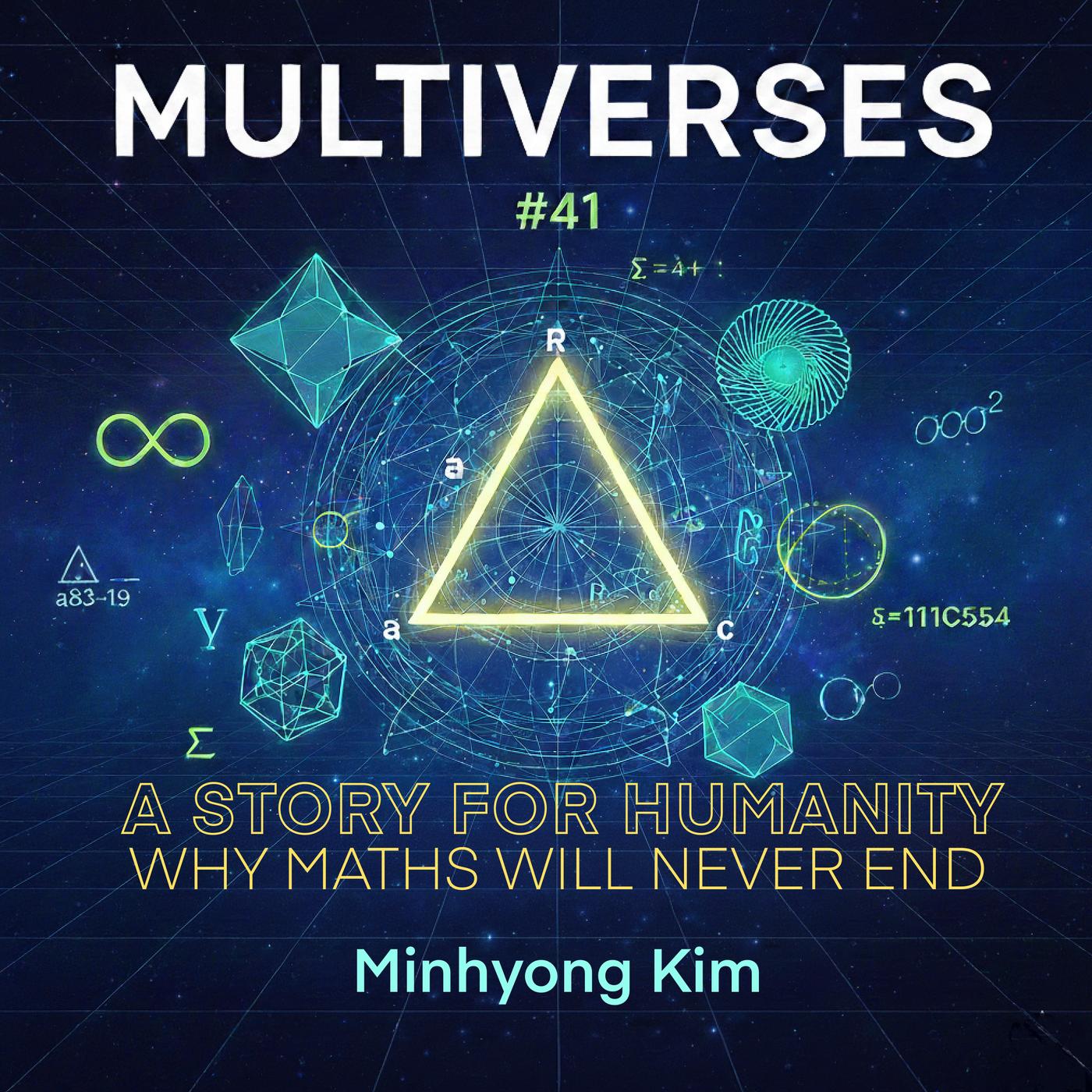
Gauss famously described mathematics as the queen of the sciences. But how should we think of this discipline? Is it an aloof ruler, mysteriously governing the laws of nature? A vital tool for bettering our lot? Or a story that helps us understand nature?
Professor Minhyong Kim directs the I…
OUDE AFLEVERINGEN ZOEKEN
Zoek naar eerdere afleveringen van MULTIVERSES.
VORIGE AFLEVERINGEN 🔗

Why do molecules have a "handedness" when the physics that determines their structure does not?*
This is a question emblematic of the philosophy of chemistry; at times, it has been used to argue that chemistry cannot be reduced to physics. However, Vanessa Seifert has a different — yet …
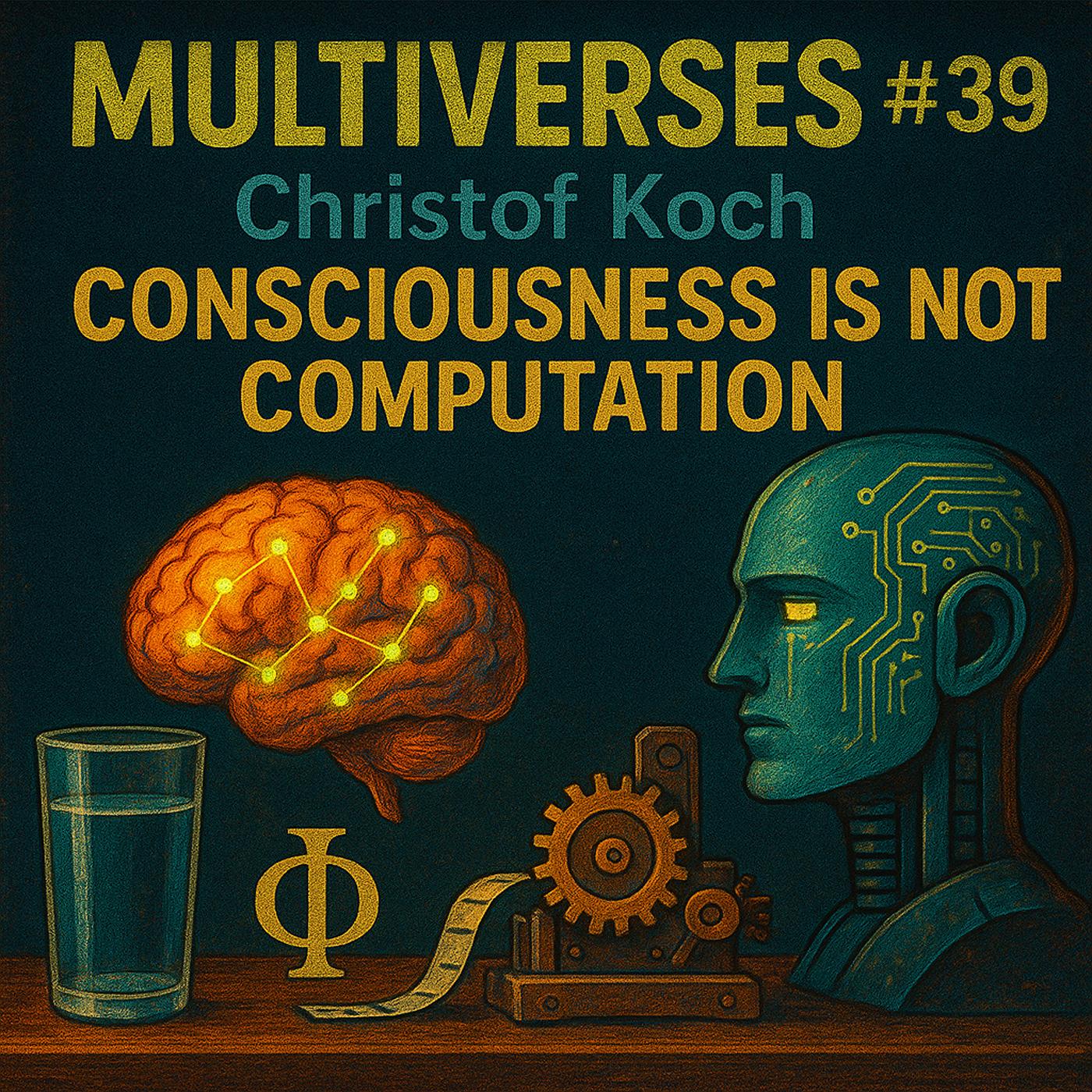
Christof Koch is a pioneering neuroscientist and one of the most prominent advocates of a scientific approach to consciousness. He has spent decades working at the intersection of neuroscience, philosophy, and computation.
Christof is one of the foremost proponents of Integrated Information Theory …
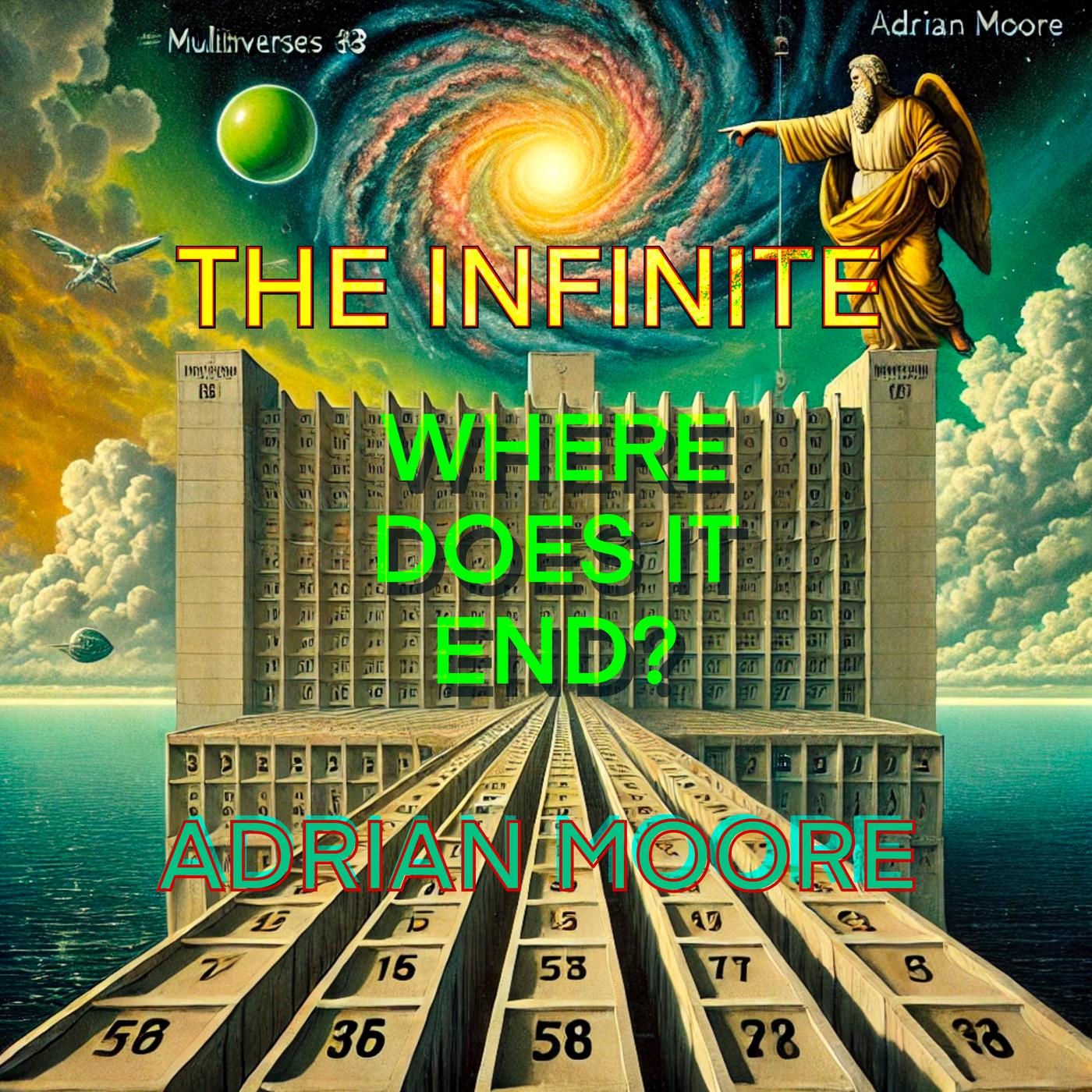
Infinity may seem simple, just the absence of limits. But the closer we examine it, the more it unravels into paradox and mystery. Can some infinities be larger than others? How can an infinite hotel be fully booked yet still have room for more guests?
In this episode of Multiverses, I’m joined by …
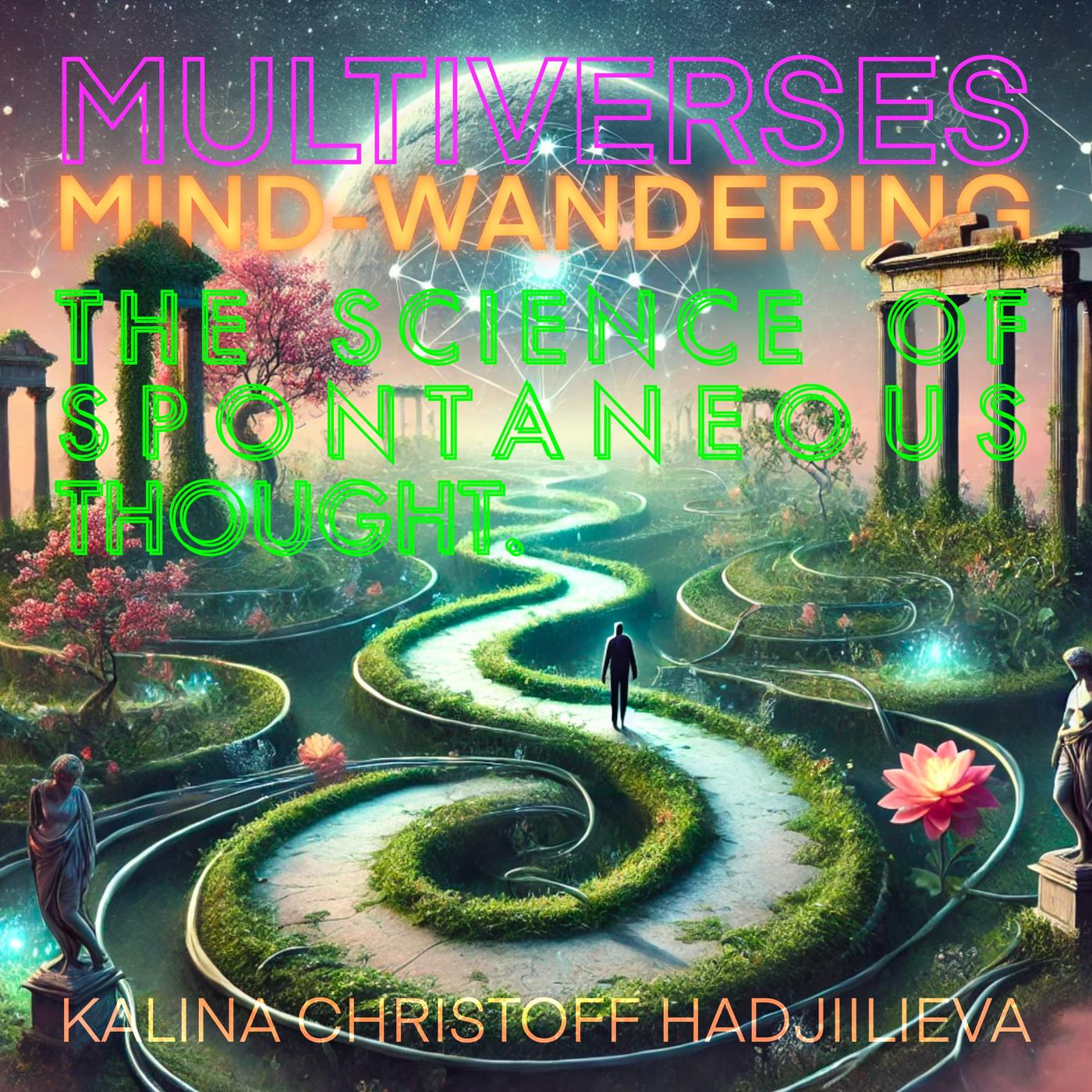
Mind-wandering is often dismissed as a distraction, an idle drift away from productive thought. But what if this spontaneous movement of the mind is not just a quirk of cognition but a fundamental feature of how we think, create, and find meaning?
Our guest, Kalina Christoff Hadjiilieva, is …
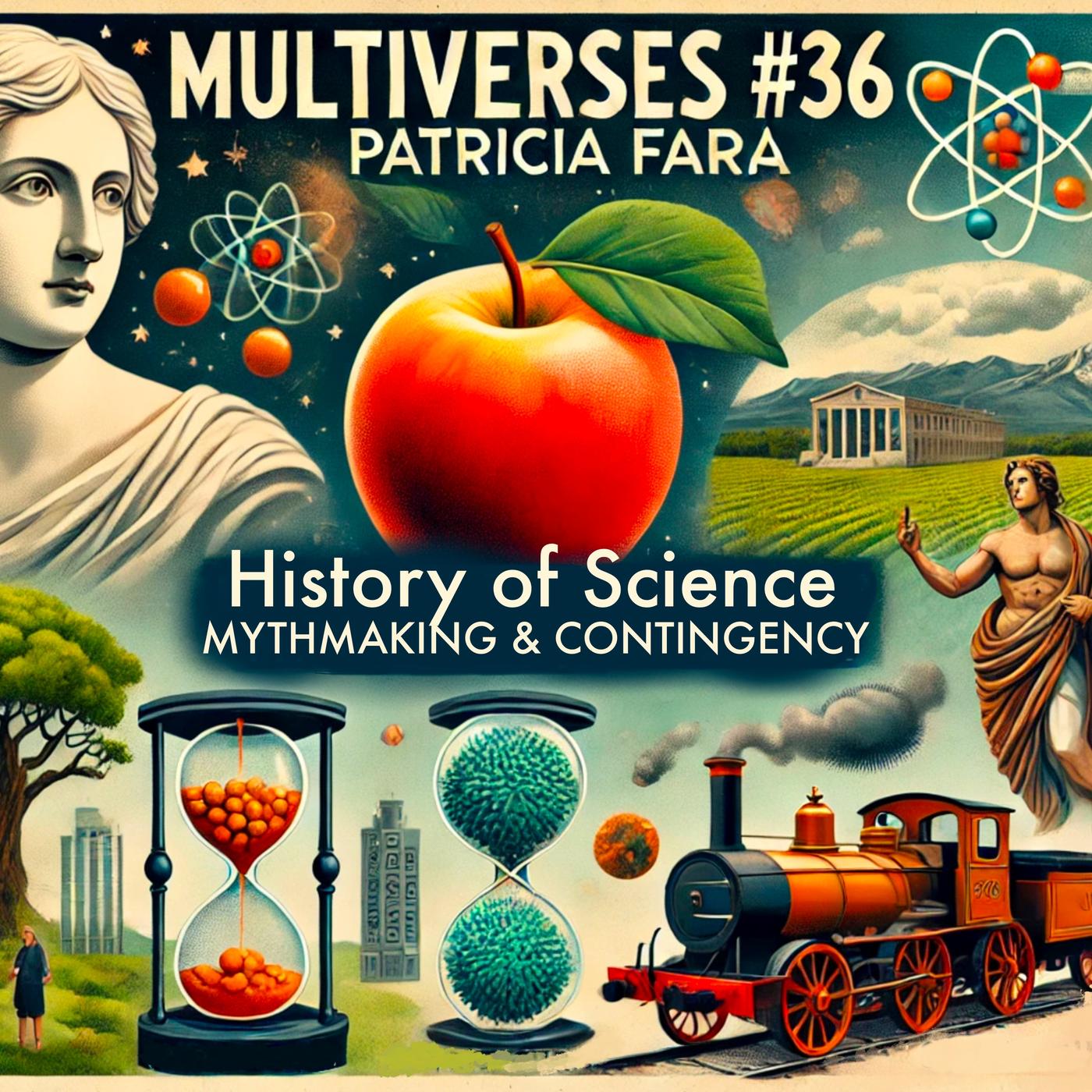
Scientific discoveries can often be codified in simple laws, neatly stated in textbooks with directions on applying them. But the enterprise of science is embedded in society. It depends on individuals and economies. It is far from simple to answer the question: How did we get these laws?
Pat…
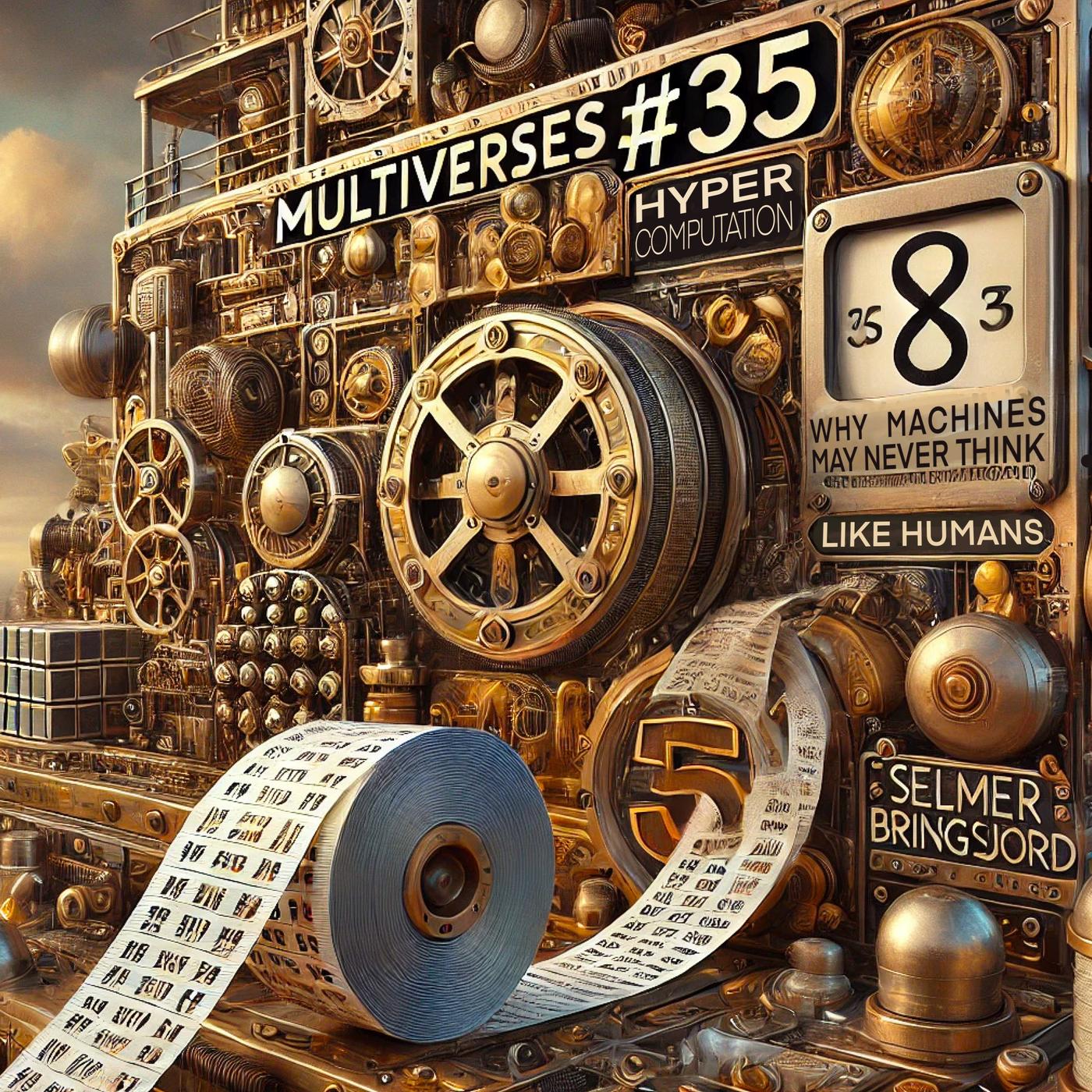
AI can do many things equally well as humans: such as writing plausible prose or answering exam questions. In certain domains, AI goes far beyond human capabilities — playing chess for instance.
We might expect that nothing prevents machines from one day besting humans at every task. Indeed, it is …
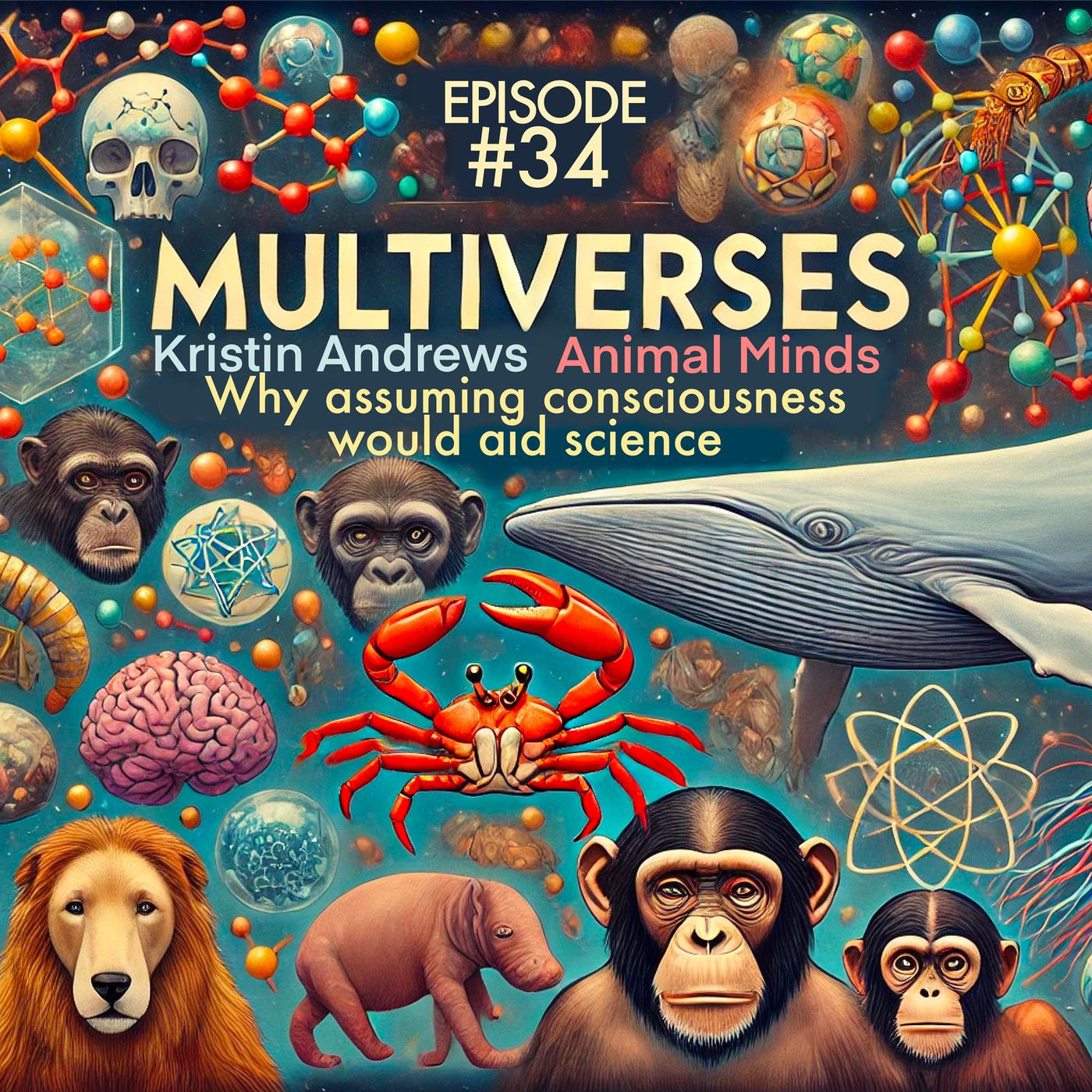
There is no consensus on what minds are, but there is plenty of agreement on where they can be found: in humans. Yet human consciousness may account for only a small proportion of the consciousness on our planet.
Our guest, Kristin Andrews, is a Professor of Animal Minds at the University of…
Things happen. Or they don’t. How then should we make sense of claims that something might happen?
If all these claims do is express doubt, then the puzzle can be easily resolved. But if the claims capture some objective feature of the world, what is it?
Our guest is Alastair Wilson, a professor of…
The launch of ChatGPT was a "Sputnik moment". In making tangible decades of progress it shot AI to the fore of public consciousness. This attention is accelerating AI development as dollars are poured into scaling models.
What is the next stage in this journey? And where is the destinat…
Disclaimer: De podcast en de illustraties die op deze pagina zijn ingesloten, zijn afkomstig van James Robinson, eigendom van de eigenaar en niet gelieerd aan of goedgekeurd door Listen Notes, Inc.
PODCAST-ZOEKMACHINE
U kunt onze website gebruiken om3,822,307podcasts en195,561,146afleveringen te zoeken op mensen, plaatsen of onderwerpen.

If I have seen further than others, it is by listening to podcasts and standing upon the shoulders of
giants.
‐ Isaac "Llamacorn" Newton
OUDE AFLEVERINGEN ZOEKEN
Zoek naar eerdere afleveringen van MULTIVERSES.
CLAIM DEZE PODCAST
Why to claim podcasts?
If you are a podcaster, the best way to manage your podcasts on Listen Notes is by claiming your Listen Notes
podcast pages.
It is a great, free way to engage the podcast community and increase the visibility of your podcasts.
After claiming your Listen Notes podcast pages, you will be able to:
✓
Manually refresh the RSS feed to sync up
✓
Get a verified badge (
✓
) alongside with your podcast name on Listen Notes
✓
Post rubrieksadvertenties for sponsorship,
guests, co-hosts,
cross-promotion...
✓
Respond to listener comments on Listen Notes
✓
Use speech-to-text techniques to transcribe your show and
edit transcripts
✓
Improve the presence of your podcasts, e.g., self-service
podcasterinterview...
✓
If you share your Listen Notes page and at-mention @ListenNotes
on X (formerly Twitter),
ons officiële X-account (voorheen Twitter) will retweet to promote
your show to our followers.
Coming soon:
◯ Self-service promotion on Listen Notes
◯ Track your podcast stats on Listen
Notes, e.g., listens, page
views...
◯ Manage episodes
BEWERKEN
Bedankt voor uw hulp bij het up-to-date te houden van de podcast-database .
