
ဤပေါ့ဒ်ကတ်စ် အကြောင်း 🔗
Rays and Waves, a passion project of two optical engineers, Daniel and Steve, who moonlight as podcast hosts. Join them as they explore the beautiful world of optics and photonics. The topics will span across the whole optical universe, demonstrating the versatile applications of optical engineering and feature prominent characters from the community. Ready to dive into the captivating world of photonics?
အကြိမ်ရေကို အပ်ဒိတ်လုပ်ပါ။:
monthly
ပျမ်းမျှအသံအရှည်:
69 minutes
ဧည့်သည်အင်တာဗျူးများ
အင်္ဂလိပ်
အမေရိကန်ပြည်ထောင်စု
21 ဖြစ်စဉ်များ
Jan. 17, 2025ကတည်းက
episodic
ပြီးခဲ့သည့် အပိုင်း 🔗

Achieving sub-micrometer mechanical tolerances requires an engineering mindset where every physical effect, structural detail, and micro-scale behavior is accounted for. When an optical element inside a housing is slightly off-center or tilted, aligning its mechanical and optical axes calls for ult…
ပြီးခဲ့သည့် အပိုင်းများကို ရှာဖွေပါ
Rays and Waves ၏ ယခင်အပိုင်းများကို ရှာဖွေပါ
ပြီးခဲ့သည့် အပိုင်းများ 🔗
Virtual, augmented, mixed, and extended reality form a proverbial alphabet soup of near-eye display technologies, each offering varying degrees of immersion and unique optical challenges. Before these futuristic displays reach our eyes, they rely on decades of foundational semiconductor history, pr…
During a lung biopsy, physicians must navigate a needle to a suspected lesion deep within the body, often with limited visibility of the tissue directly in front of the needle tip. What if they could see exactly where they were before taking the sample?
In this episode of Rays and Waves, Daniel an…
While massive interferometers orbit the earth or span kilometers to detect gravitational waves, the real workhorses of optical metrology live quietly on the benches of optical labs and manufacturing floors worldwide. These instruments are not measuring black hole mergers, but they are the reason th…
A pair of binoculars might be the closest thing to a superpower you can buy. That is how a friend once described them while gifting a pair to his wife, and it is easy to see why.
In this episode of Rays and Waves, Daniel and Steven explore the surprisingly rich optical engineering behind binoculars…
From Hubble’s breathtaking images to the deep infrared view of the James Webb Space Telescope, space-based observatories have transformed how we see the universe. They reveal black holes, probe dark energy, trace the birth of stars, and even let us study the atmospheres of distant planets, pushing …
In a quiet laboratory, bursts of ultrafast laser light are etching humanity’s information deep inside glass, layer by layer, voxel by voxel. Long after today’s hard drives and magnetic tapes have failed, this glass may still faithfully preserve our data, readable thousands of years into the future.…
1.3 billion years ago, two black holes collided in a distant galaxy, sending ripples through the fabric of spacetime. On September 14, 2015, those ripples finally reached Earth and humanity detected gravitational waves for the very first time.
In this episode of Rays and Waves, Daniel and Steven si…
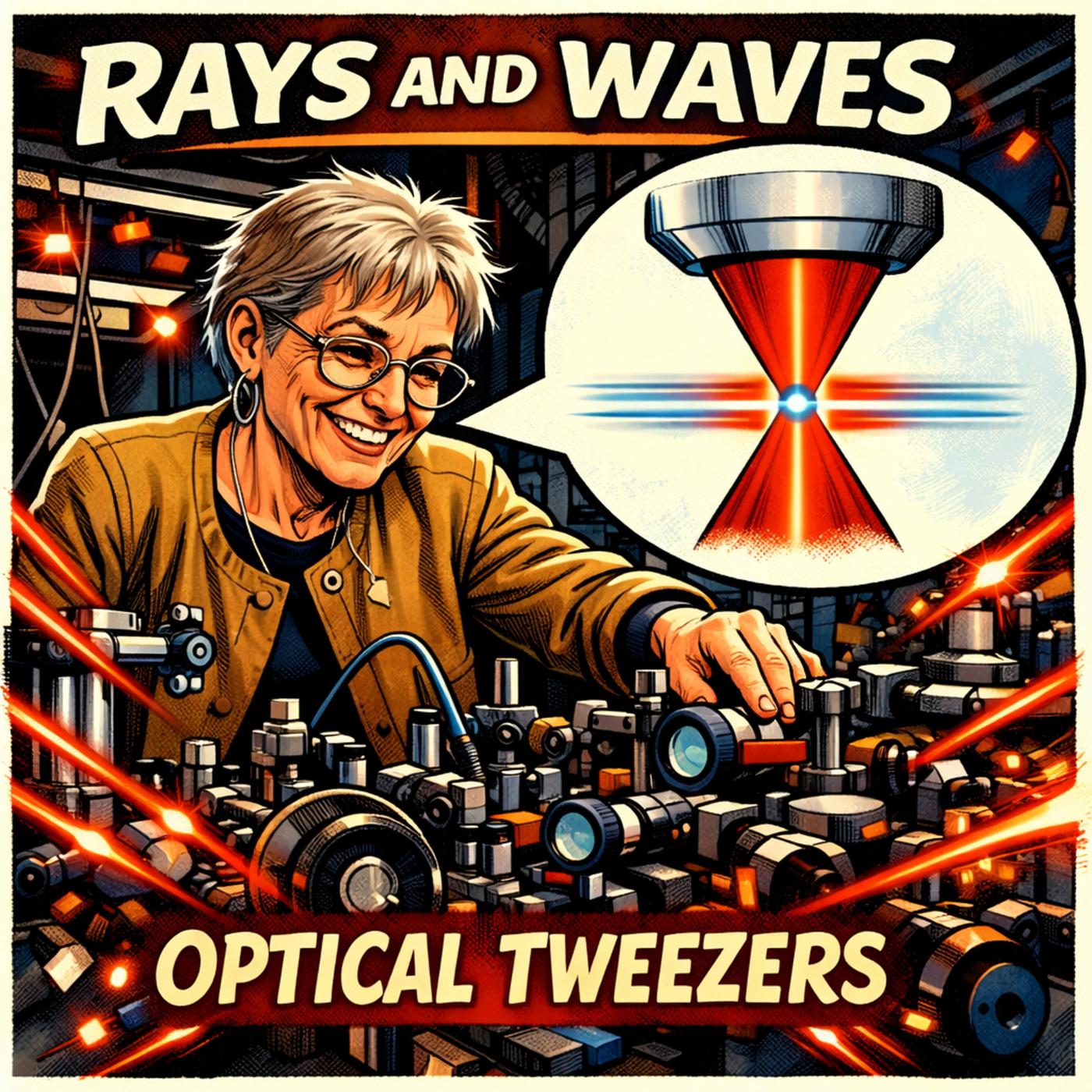
In this episode of Rays and Waves, Daniel and Steven take a nostalgic dive back into the world where they both began their scientific journeys: optical tweezers. These remarkable tools, using tightly focused laser beams to exert forces and torques on microscopic objects, have transformed how we man…
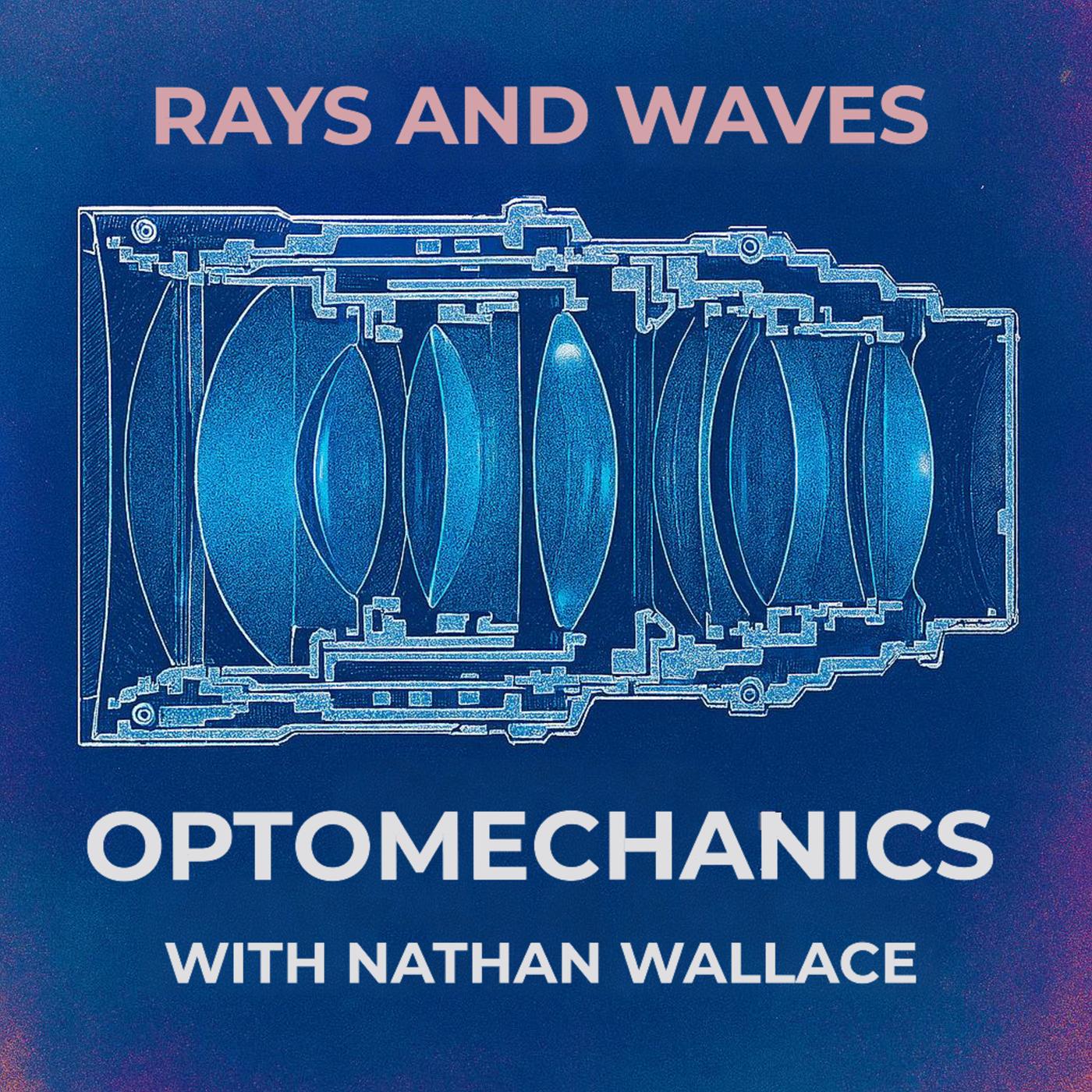
When we think about optical systems, lenses and light often steal the spotlight. But behind every high-performance optical instrument lies a critical foundation: Optomechanics. From precision mounts to thermal stability, the mechanical design determines whether an optical system performs flawlessly…
မသက်ဆိုင်ကြောင်းရှင်းလင်းချက်: ဤစာမျက်နှာပေါ်တွင် ထည့်သွင်းထားသော ပေါ့တ်ကာစ်နှင့် အနုပညာလက်ရာများသည် ၎င်း၏ပိုင်ရှင်၏ပိုင်ဆိုင်မှုဖြစ်သည့် Rays and Waves မှဖြစ်ပြီး Listen Notes, Inc နှင့် ဆက်နွှယ်ခြင်း သို့မဟုတ် ထောက်ခံထားခြင်းမရှိပါ။
PODCAST ရှာဖွေရေးအင်ဂျင်
3,837,018ပေါ့တ်ကာစ်များနှင့်197,780,814အပိုင်းများကို လူများ၊ နေရာများ သို့မဟုတ် အကြောင်းအရာများအလိုက် ရှာဖွေရန် ကျွန်ုပ်တို့၏ဝဘ်ဆိုက်ကို အသုံးပြုနိုင်ပါသည်။

I have no special talent. I am only passionately curious, and
I listen to podcasts.
‐ Albert "Llamacorn" Einstein
ပြီးခဲ့သည့် အပိုင်းများကို ရှာဖွေပါ
Rays and Waves ၏ ယခင်အပိုင်းများကို ရှာဖွေပါ
ဤပေါ့ဒ်ကတ်စ်ကို တောင်းဆိုပါ
Why to claim podcasts?
If you are a podcaster, the best way to manage your podcasts on Listen Notes is by claiming your Listen Notes
podcast pages.
It is a great, free way to engage the podcast community and increase the visibility of your podcasts.
After claiming your Listen Notes podcast pages, you will be able to:
✓
Manually refresh the RSS feed to sync up
✓
Get a verified badge (
✓
) alongside with your podcast name on Listen Notes
✓
Post အမျိုးအစားခွဲ ကြော်ငြာများ for sponsorship,
guests, co-hosts,
cross-promotion...
✓
Respond to listener comments on Listen Notes
✓
Use speech-to-text techniques to transcribe your show and
edit transcripts
✓
Improve the presence of your podcasts, e.g., self-service
ပေါ့ဒ်ကတ်စ်ဖန်တီးသူ အင်တာဗျူး...
✓
If you share your Listen Notes page and at-mention @ListenNotes
on X (formerly Twitter),
ကျွန်ုပ်တို့၏ တရားဝင် X (ယခင် Twitter) အကောင့် will retweet to promote
your show to our followers.
Coming soon:
◯ Self-service promotion on Listen Notes
◯ Track your podcast stats on Listen
Notes, e.g., listens, page
views...
◯ Manage episodes
ပြင်ဆင်ပါ
ပေါ့ဒ်ကတ်စ် ဒေတာဘေ့စ်ကို နောက်ဆုံးပေါ်အချိန်နှင့်တပြေးညီဖြစ်စေရန် ကူညီပေးသည့်အတွက် ကျေးဇူးတင်ပါသည်။
