
이 팟캐스트 소개 🔗
The Platform Engineering Podcast is a show about the real work of building and running internal platforms — hosted by Cory O’Daniel, longtime infrastructure and software engineer, and CEO/cofounder of Massdriver.
Each episode features candid conversations with the engineers, leads, and builders shaping platform engineering today. Topics range from org structure and team ownership to infrastructure design, developer experience, and the tradeoffs behind every “it depends.”
Cory brings two decades of experience building platforms — and now spends his time thinking about how teams scale infrastructure without creating bottlenecks or burning out ops. This podcast isn’t about trends. It’s about how platform engineering actually works inside real companies.
Whether you're deep into Terraform/OpenTofu modules, building golden paths, or just trying to keep your platform from becoming a dumpster fire — you’ll probably find something useful here.
업데이트 빈도:
every 16 days
평균 오디오 길이:
47 minutes
게스트 인터뷰
영어
미국
에피소드 52 개
2024년 2월 7일부터
episodic
이 팟캐스트 내 🔗
최신 에피소드 🔗
We're hitting pause for the summer on new episodes of the Platform Engineering Podcast, but don’t worry, we’ve got some great episodes in the feed to keep you entertained in the meantime.
If you’ve got suggestions for guests or topics, please reach out — I’m always eager to annoy people into joinin…
이전 에피소드 🔗
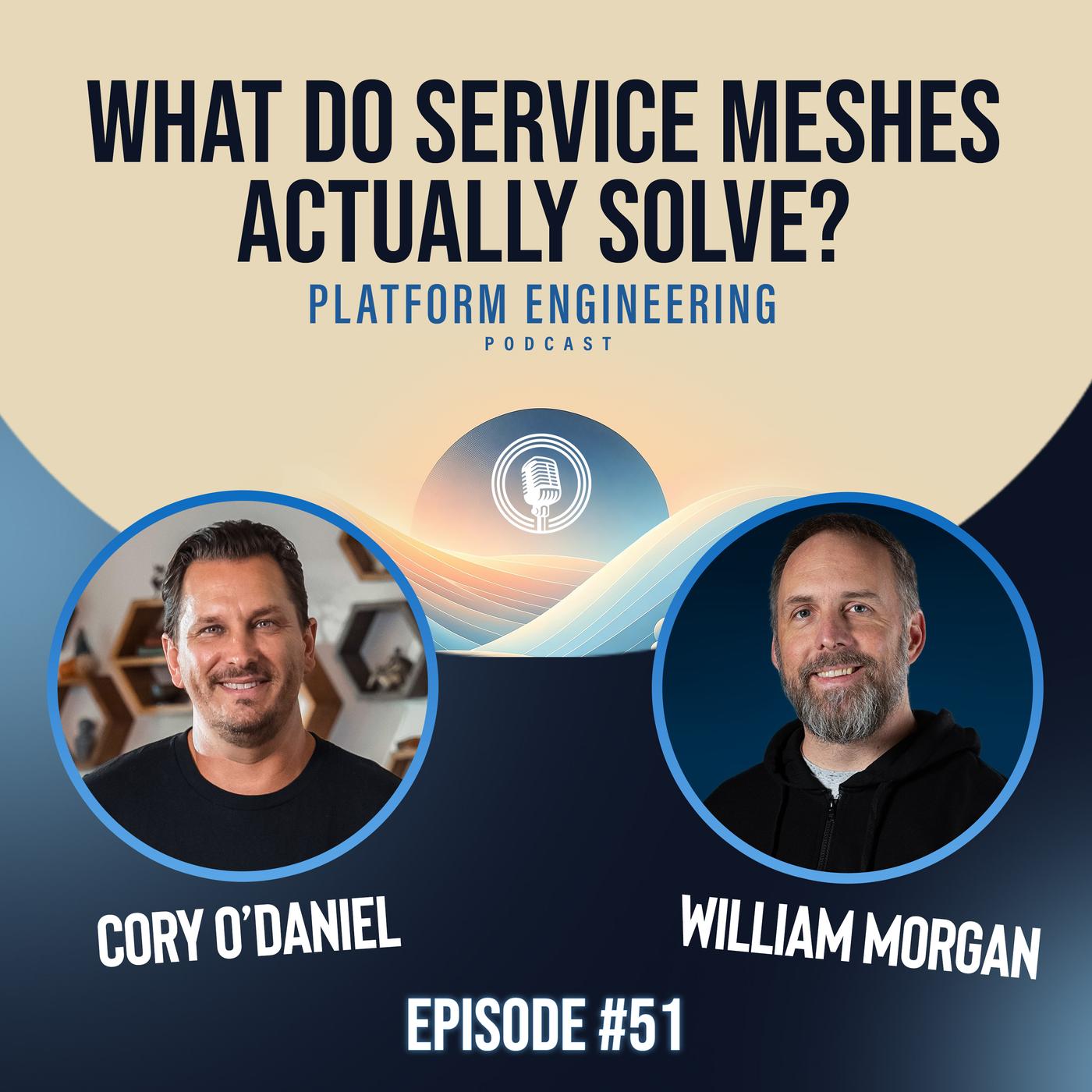
Network calls fail in ways function calls never do - and once a monolith becomes microservices, reliability problems show up fast: retries amplify load, latency spikes cascade, and “what talks to what?” becomes hard to answer.
William Morgan, co-creator of Linkerd and the person who coined “service…
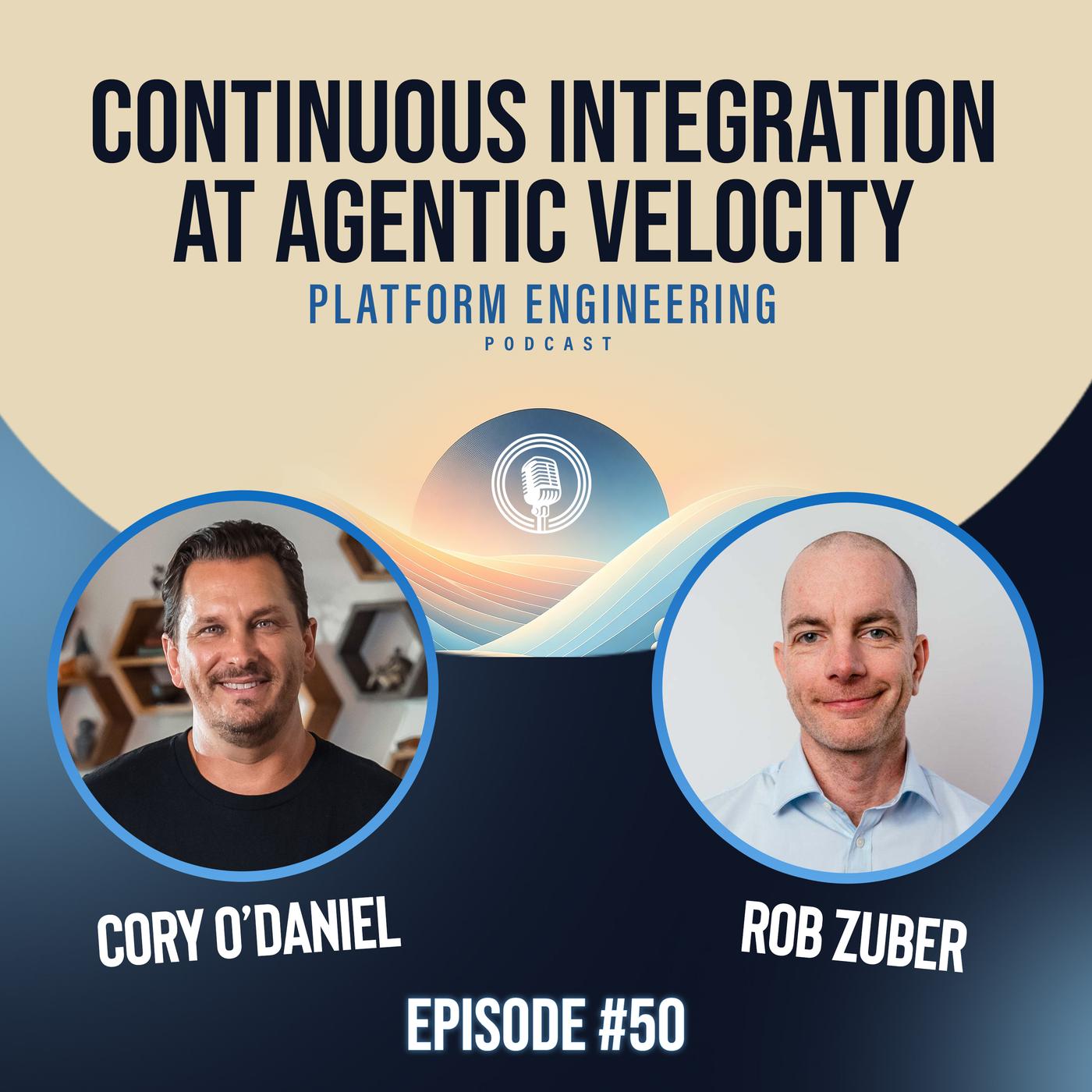
When code gets cheaper to produce, feedback becomes the limiting factor - CI, reviews, and the handoffs between tools can quietly slow everything down.
Rob Zuber breaks down what platform engineers are seeing as teams adopt AI-assisted development: more branch builds, new failure modes, and growing…
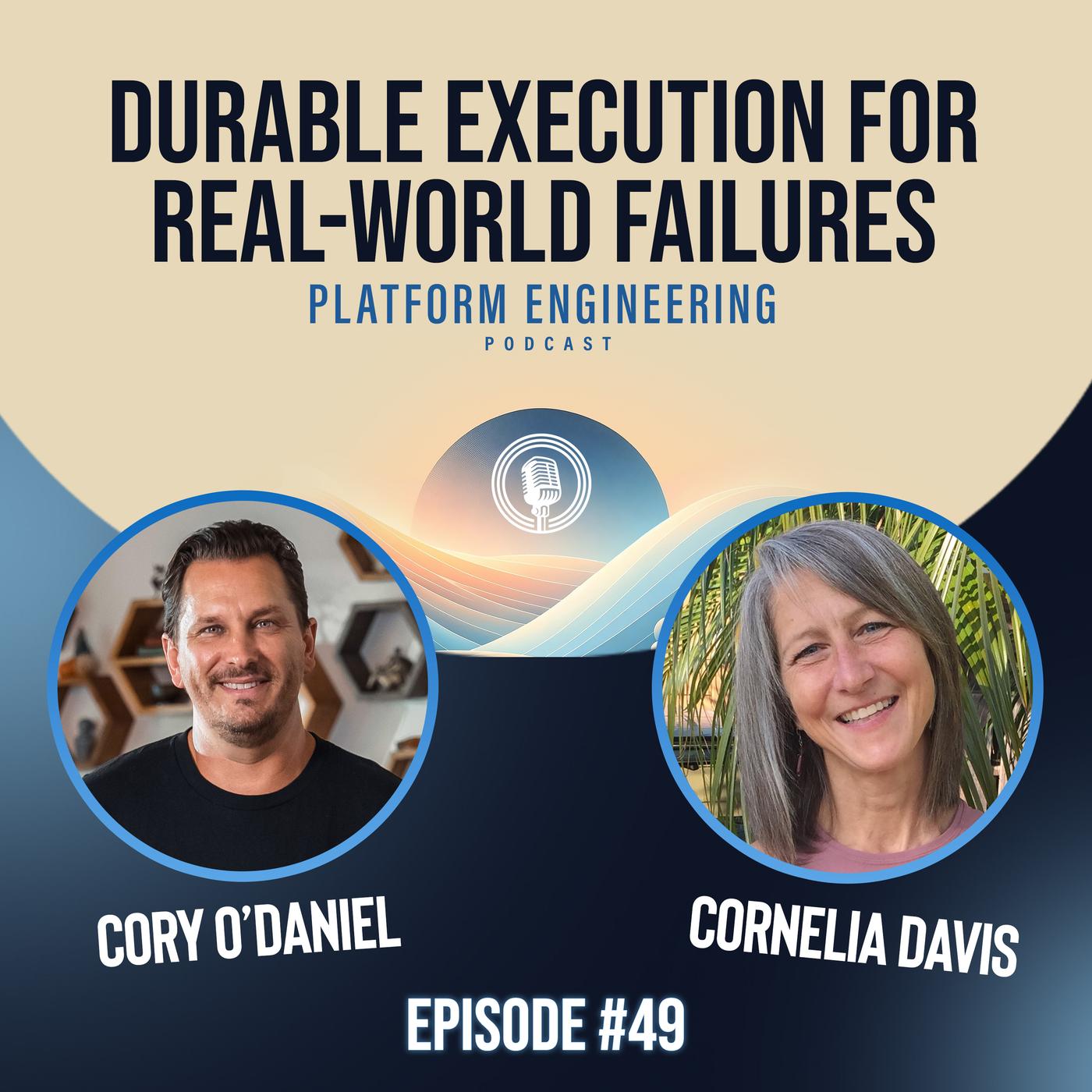
A lot of infrastructure and automation fails for ordinary reasons: rate limits, flaky networks, partial permissions, long-running jobs, and retries that vanish when the process restarts. Durable execution is a way to design systems that keep going anyway - without rebuilding a maze of queues, cron …
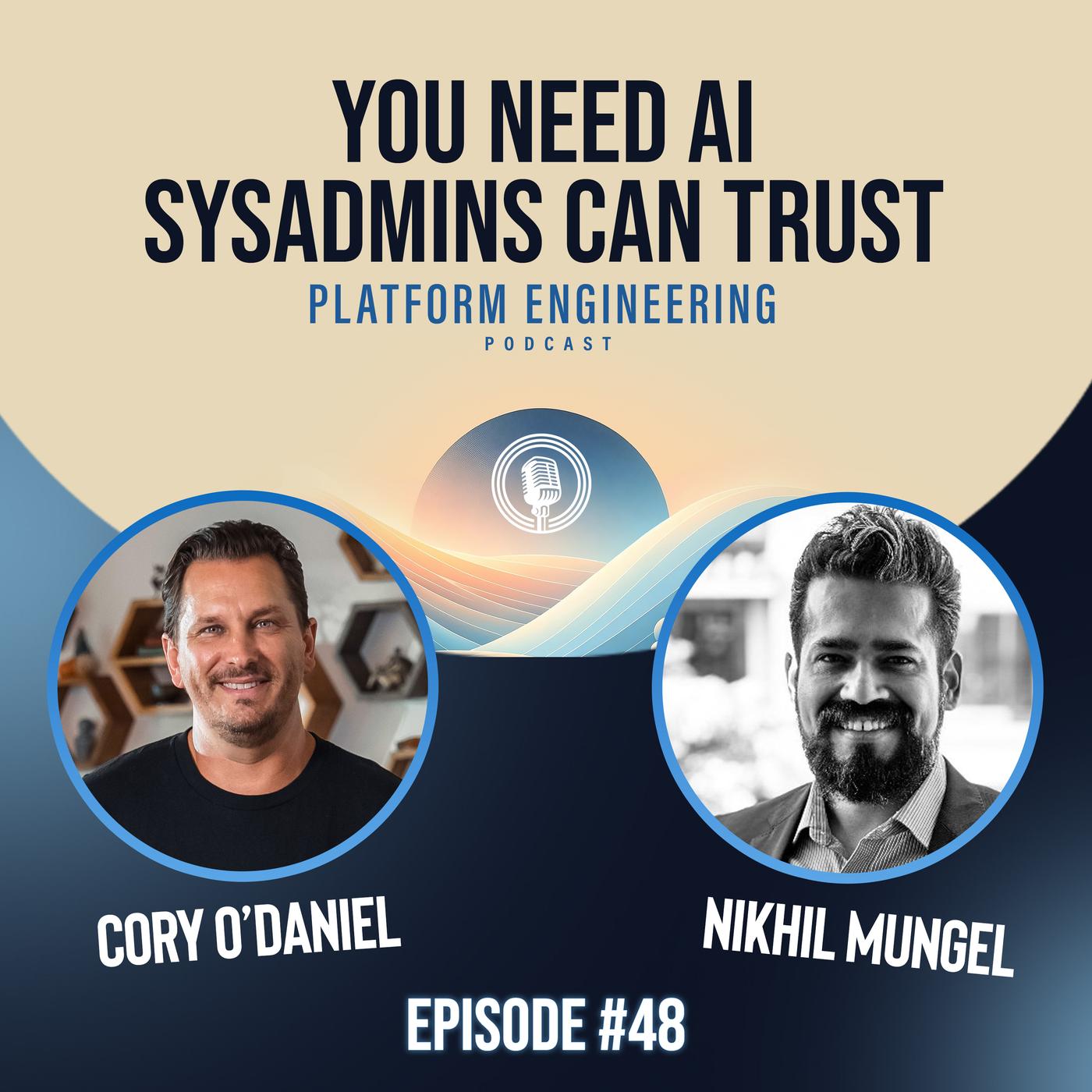
What happens when a non-deterministic AI system is asked to touch production telemetry or generate changes for an SRE pipeline? The cost of being “close enough” can be lost data, downtime, or a security incident.
Cribl’s Nikhil Mungel joins Cory to break down what it takes to build AI that sysadmin…
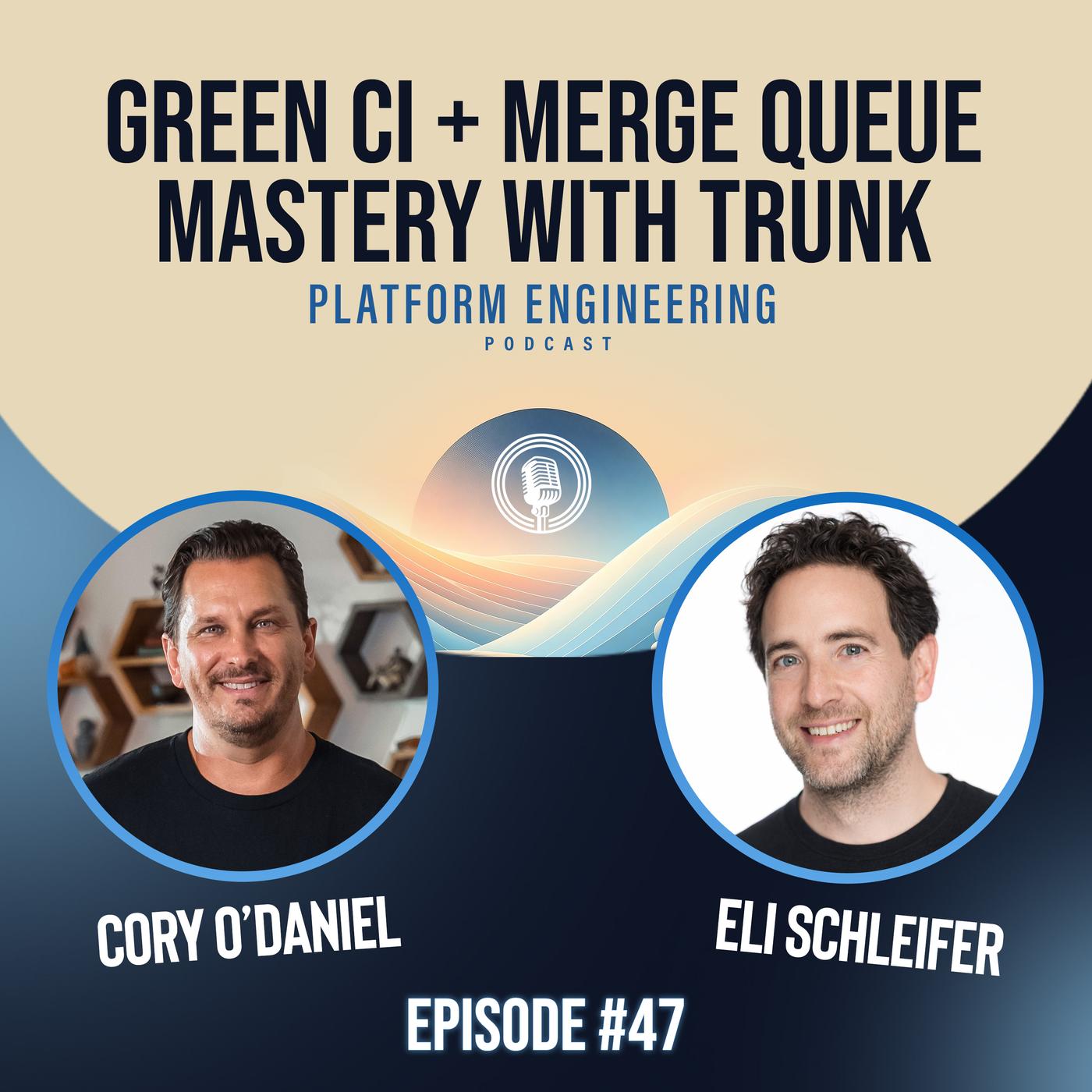
When a flaky test can stall a merge queue, “just rerun CI” stops scaling fast.
Cory talks with Trunk co-founder and CEO Eli Schleifer about the outer loop problems that show up as teams ship more code - especially with AI-assisted development increasing PR volume. They break down what a merge queue…
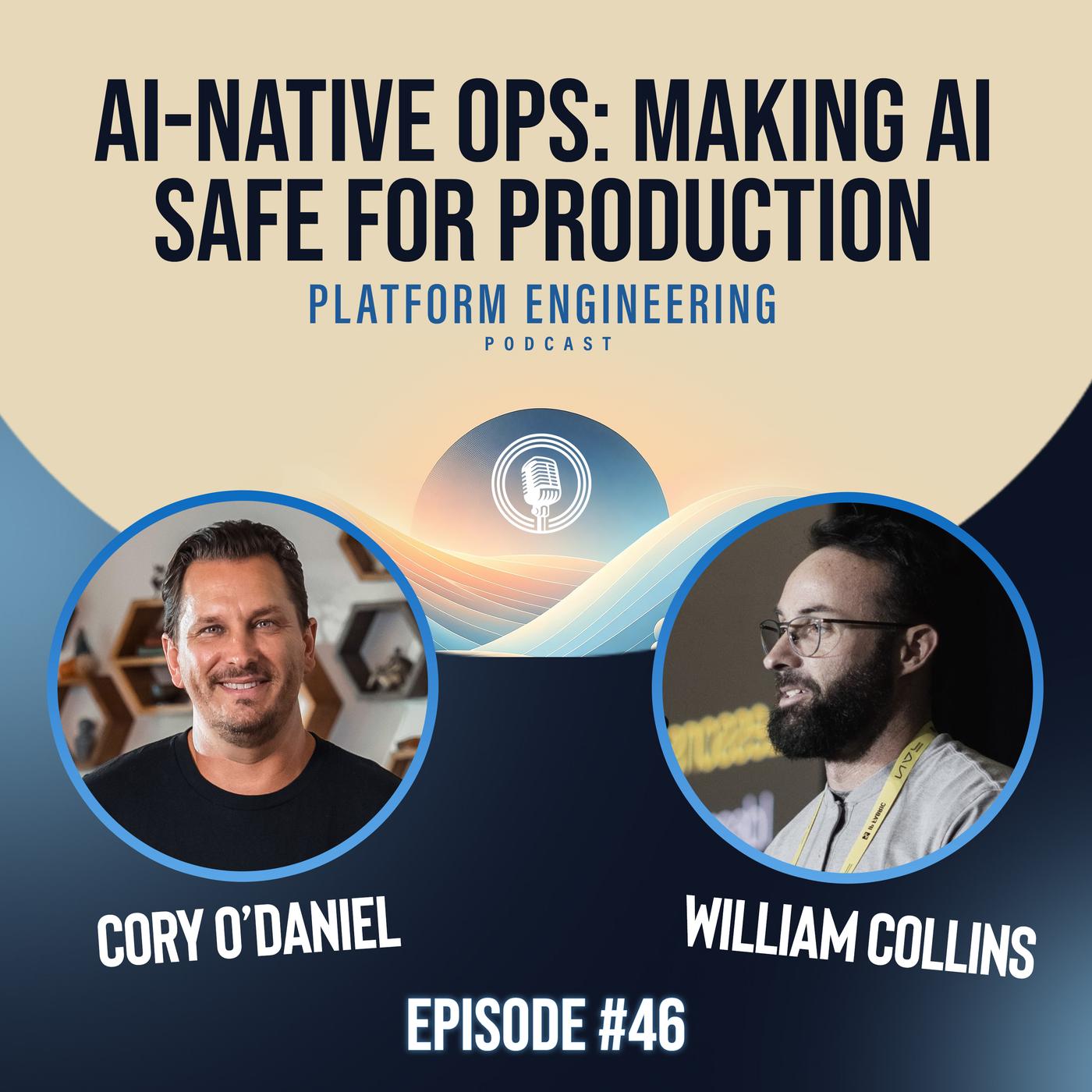
What happens when your “coworker” can generate code and changes faster than your team can review them, and production still has to stay up?
William Collins breaks down what AI-Native Ops looks like when you take reliability seriously: where reasoning should stop, where deterministic automation shou…
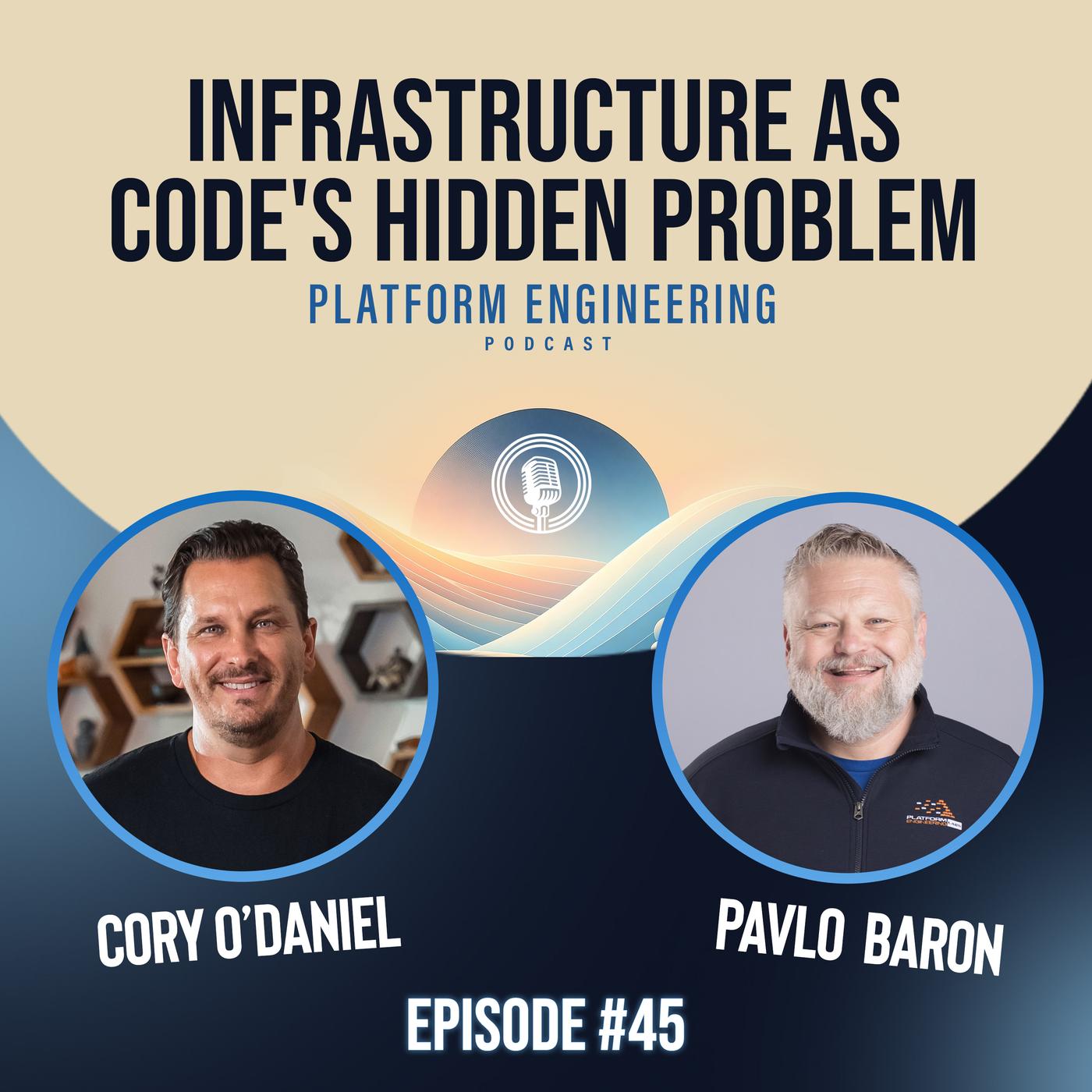
Terraform drift, state wrangling, and a growing “tools for tools” stack are still daily work for many platform teams - despite a decade of DevOps talk and cloud maturity. Why does ops automation so often feel like it needs babysitting?
Pavlo Baron breaks down where Infrastructure as Code tends to b…
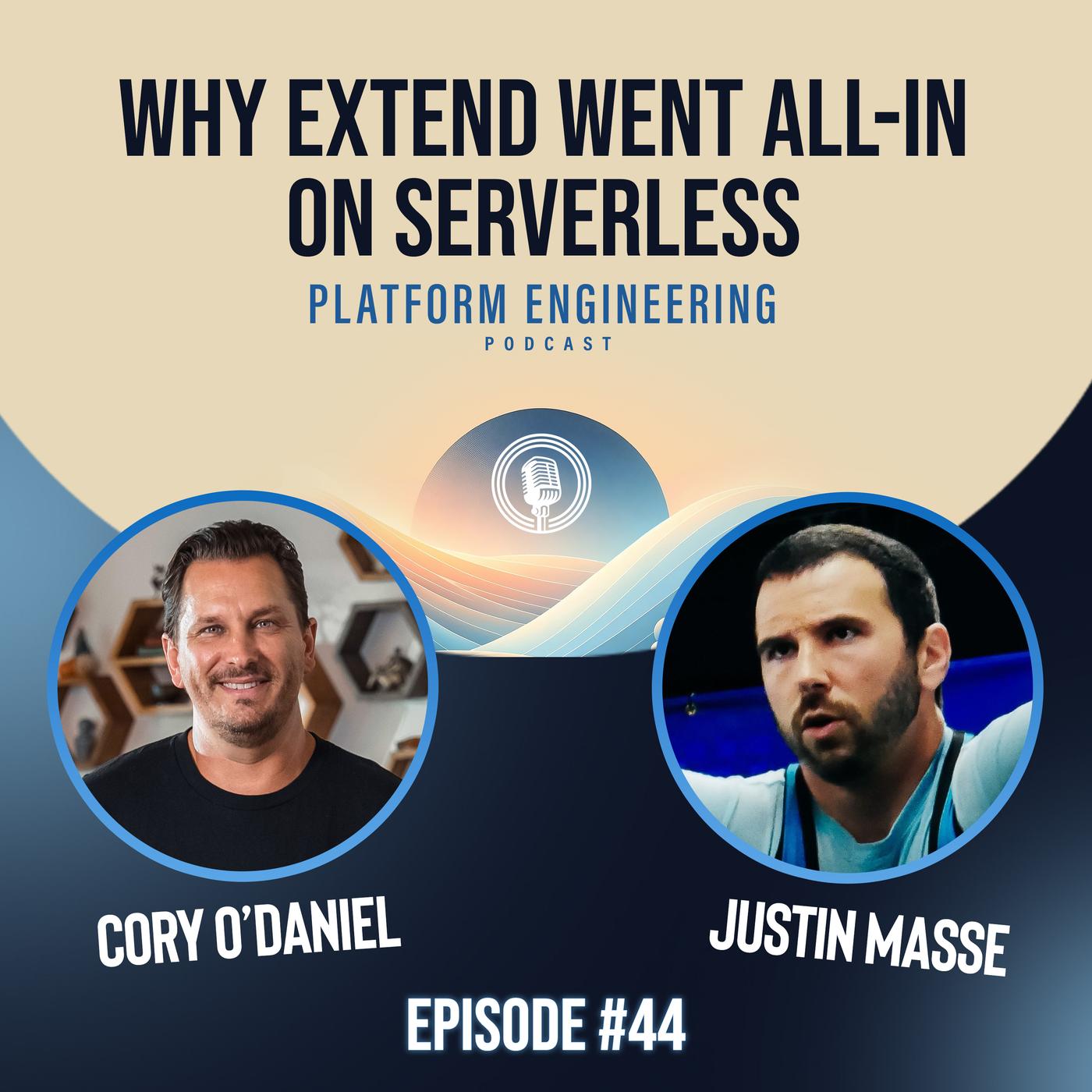
Billions of requests a month on AWS Lambda can cost less than a single engineer’s laptop budget, but only if the architecture and developer workflow are designed for it.
Justin Masse, Senior Platform DevOps Engineer at Extend, shares how Extend committed early to a serverless-first approach and bui…
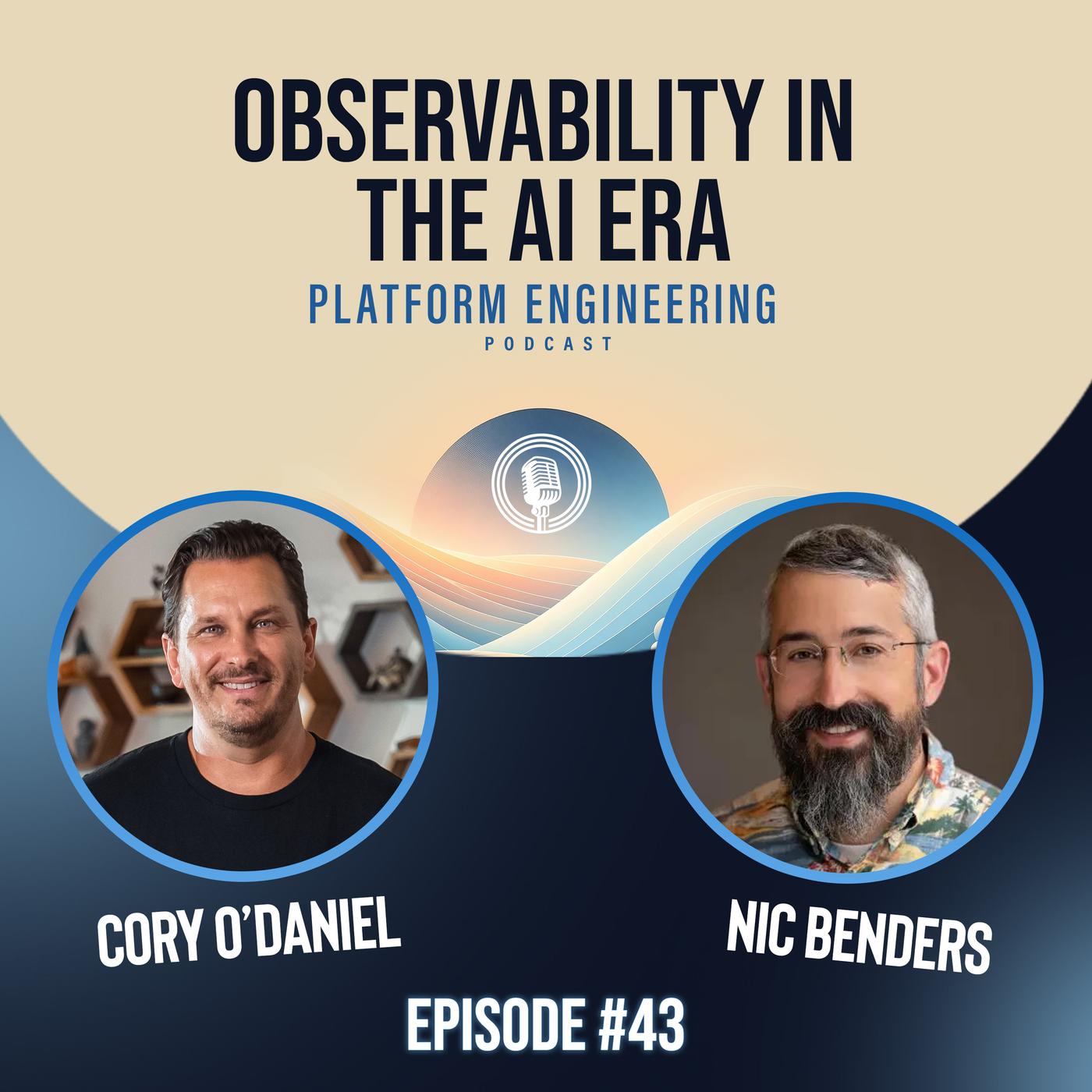
What happens when nobody wrote the code running in your production environment? As AI-generated software becomes standard practice, platform engineers face a new challenge: operating systems without experts to consult.
Nic Benders, Chief Technical Strategist at New Relic, has spent 15 years watchin…
면책 조항: 이 페이지에 포함된 팟캐스트와 작품은 Cory O'Daniel, CEO of Massdriver에서 가져온 것입니다. 이 팟캐스트는 소유자의 재산이며 Listen Notes, Inc.와 제휴하거나 보증하지 않습니다.
팟캐스트 검색 엔진
당사 웹사이트를 사용하여3,826,114팟캐스트 및196,009,690에피소드를 사람, 장소 또는 주제별로 검색할 수 있습니다.

지식에 대한 투자가 가장 큰 이익을 주기에 저는 팟캐스트를 듣습니다.
‐ Benjamin "Llamacorn" Franklin
이 팟캐스트 요청하기
Why to claim podcasts?
If you are a podcaster, the best way to manage your podcasts on Listen Notes is by claiming your Listen Notes
podcast pages.
It is a great, free way to engage the podcast community and increase the visibility of your podcasts.
After claiming your Listen Notes podcast pages, you will be able to:
✓
Manually refresh the RSS feed to sync up
✓
Get a verified badge (
✓
) alongside with your podcast name on Listen Notes
✓
Post 분류 광고 for sponsorship,
guests, co-hosts,
cross-promotion...
✓
Respond to listener comments on Listen Notes
✓
Use speech-to-text techniques to transcribe your show and
edit transcripts
✓
Improve the presence of your podcasts, e.g., self-service
팟캐스터 인터뷰...
✓
If you share your Listen Notes page and at-mention @ListenNotes
on X (formerly Twitter),
공식 X(구 Twitter) 계정 will retweet to promote
your show to our followers.
Coming soon:
◯ Self-service promotion on Listen Notes
◯ Track your podcast stats on Listen
Notes, e.g., listens, page
views...
◯ Manage episodes
