

이 팟캐스트 소개 🔗
Learn Spanish Podcast — Real Conversations for Real Spanish LearnersLearn Spanish Podcast is a language-learning show where a real beginner learns Spanish in real time, alongside an experienced teacher. Hosted by Roy Coughlan (the student) and Ania (the teacher and co-host, also known from Learn Polish Podcast), each episode breaks down practical Spanish vocabulary, grammar, and pronunciation through natural conversation rather than scripted lessons.Unlike traditional language courses, this podcast follows an authentic learning journey: mistakes, corrections, and progress happen live on air, making it ideal for beginner and intermediate Spanish learners who want to hear how real language acquisition actually works.Episodes cover everyday vocabulary, common phrases, grammar explanations, cultural context, and conversational practice for anyone learning Spanish as a second language. Perfect for commuters, travelers, expats, and self-taught learners who want an engaging, low-pressure way to build Spanish listening comprehension and speaking confidence episode by episode.New episodes regularly. Learn Spanish the natural way, one real conversation at a time.
업데이트 빈도:
daily
평균 오디오 길이:
6 minutes
스폰서 있음
영어
미국
에피소드 17 개
2026년 7월 10일부터
episodic
최신 에피소드 🔗
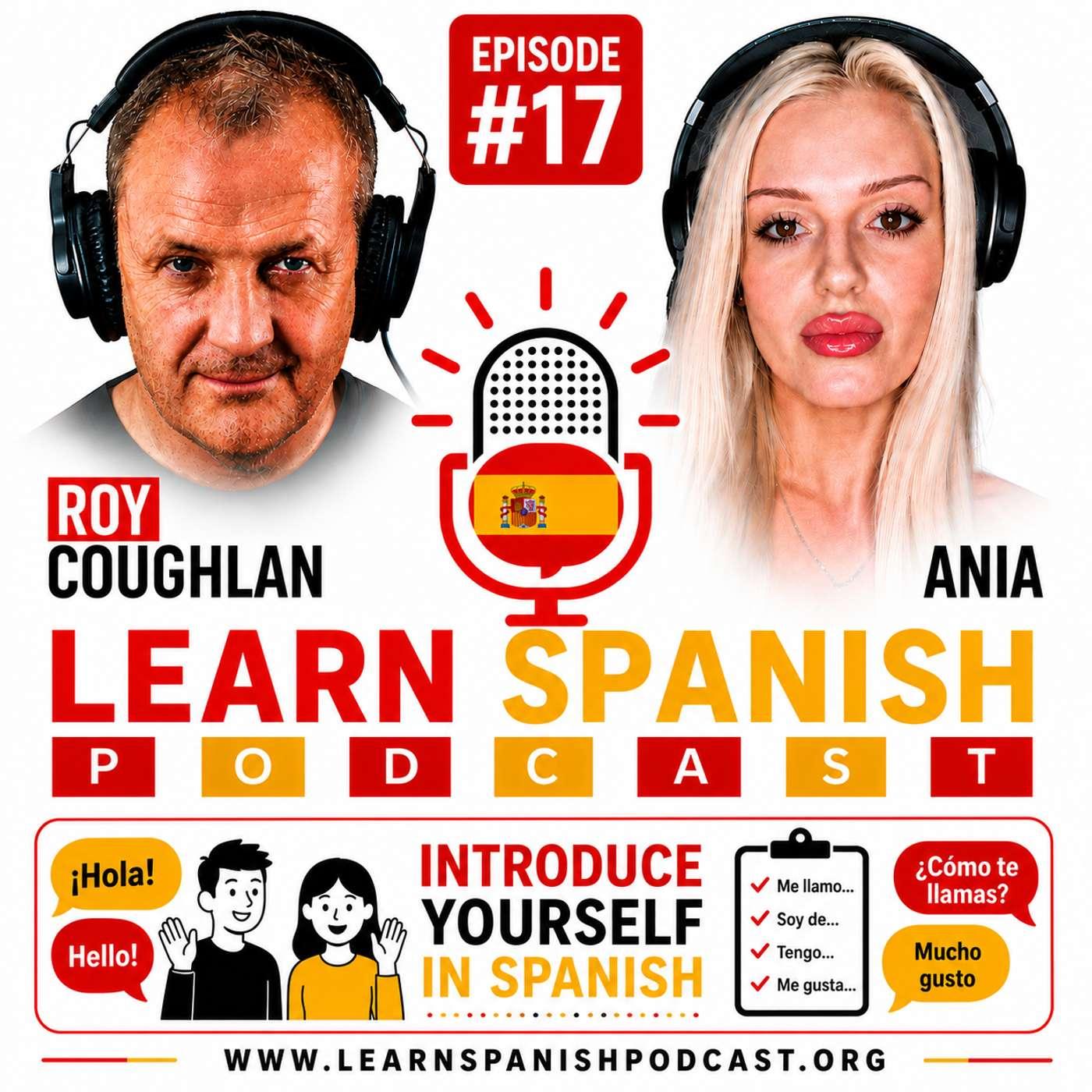
In this episode, Roy and Ania put together a complete personal introduction in Spanish. Roy practices answering a full set of personal questions: his name and surname (me llamo Roy, me apellido Coughlan), nationality (soy de Irlanda), age (cincuenta y tres años), profession (soy empresario), langua…
이전 에피소드 🔗
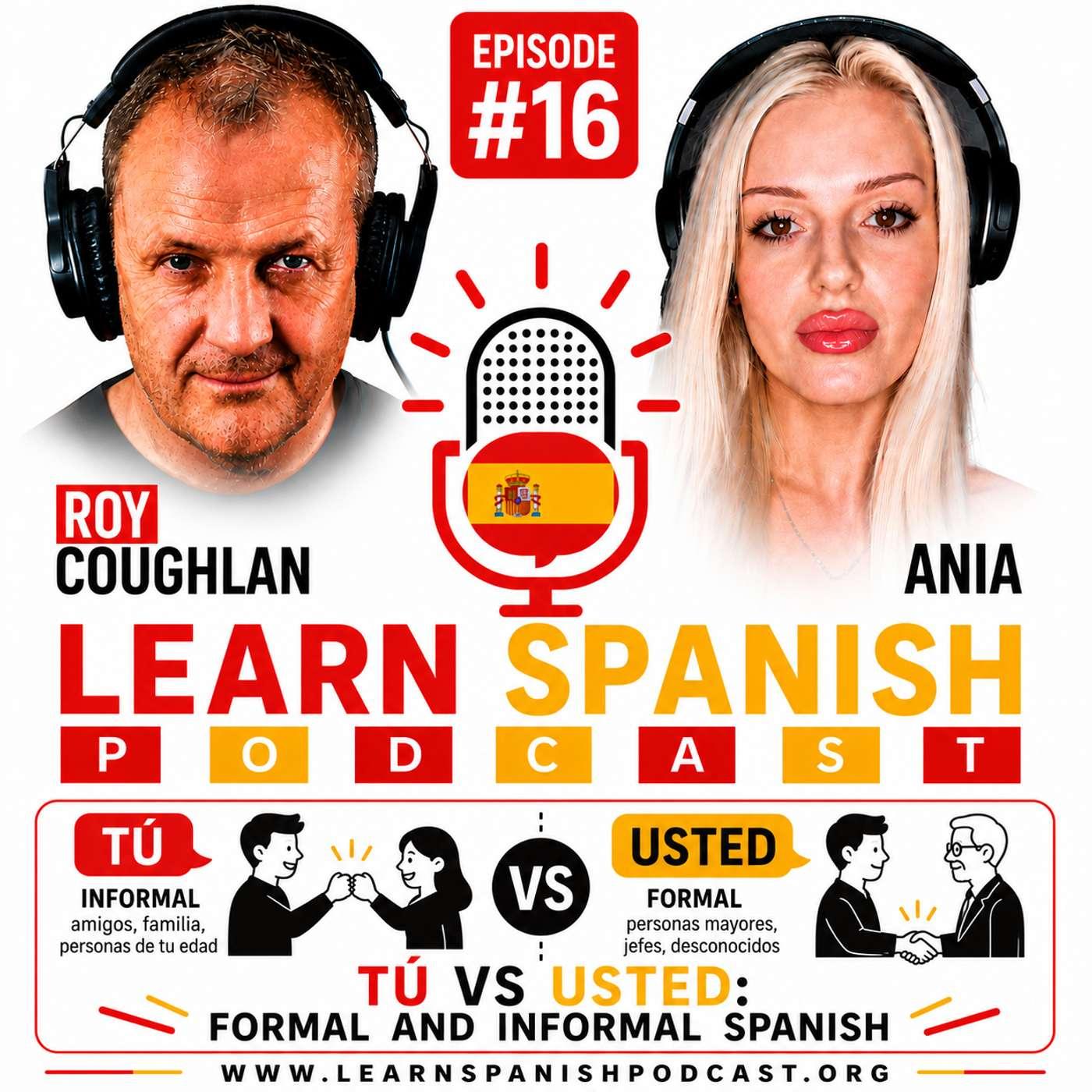
In this episode, Roy and Ania tackle the difference between tú (informal you) and usted (formal you) in Spanish, a distinction that doesn't exist in English. They introduce two new verbs, vivir (to live) and dedicarse (to do for a living), working through the full present tense conjugation of each.…
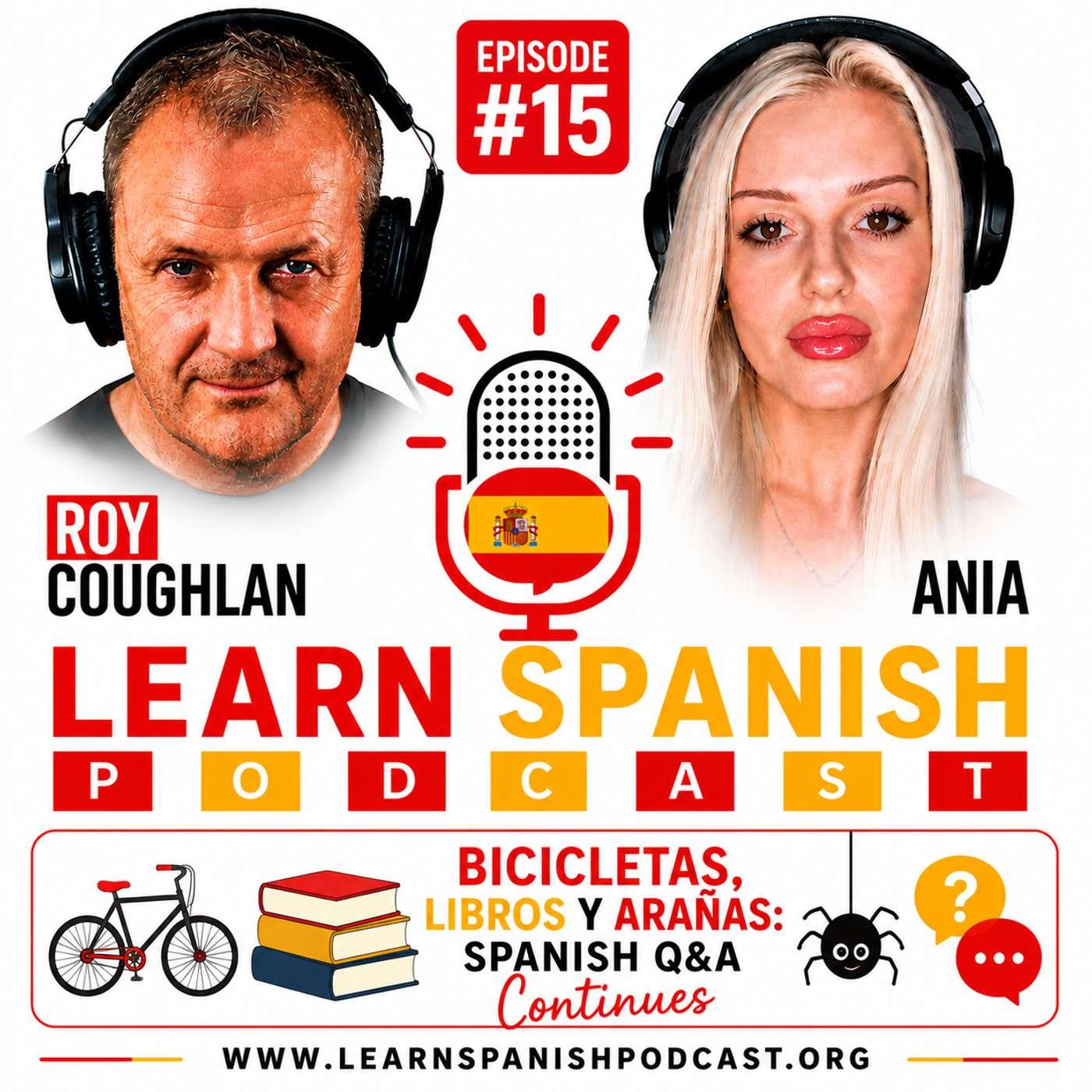
In this episode, Roy and Ania continue their conversational practice with a fresh round of everyday questions in Spanish. Topics range from possessions (¿tienes una bicicleta?, ¿tienes muchos libros?) to family size (mi familia es pequeña), nationality and culture (talking about Poland, Polish cine…
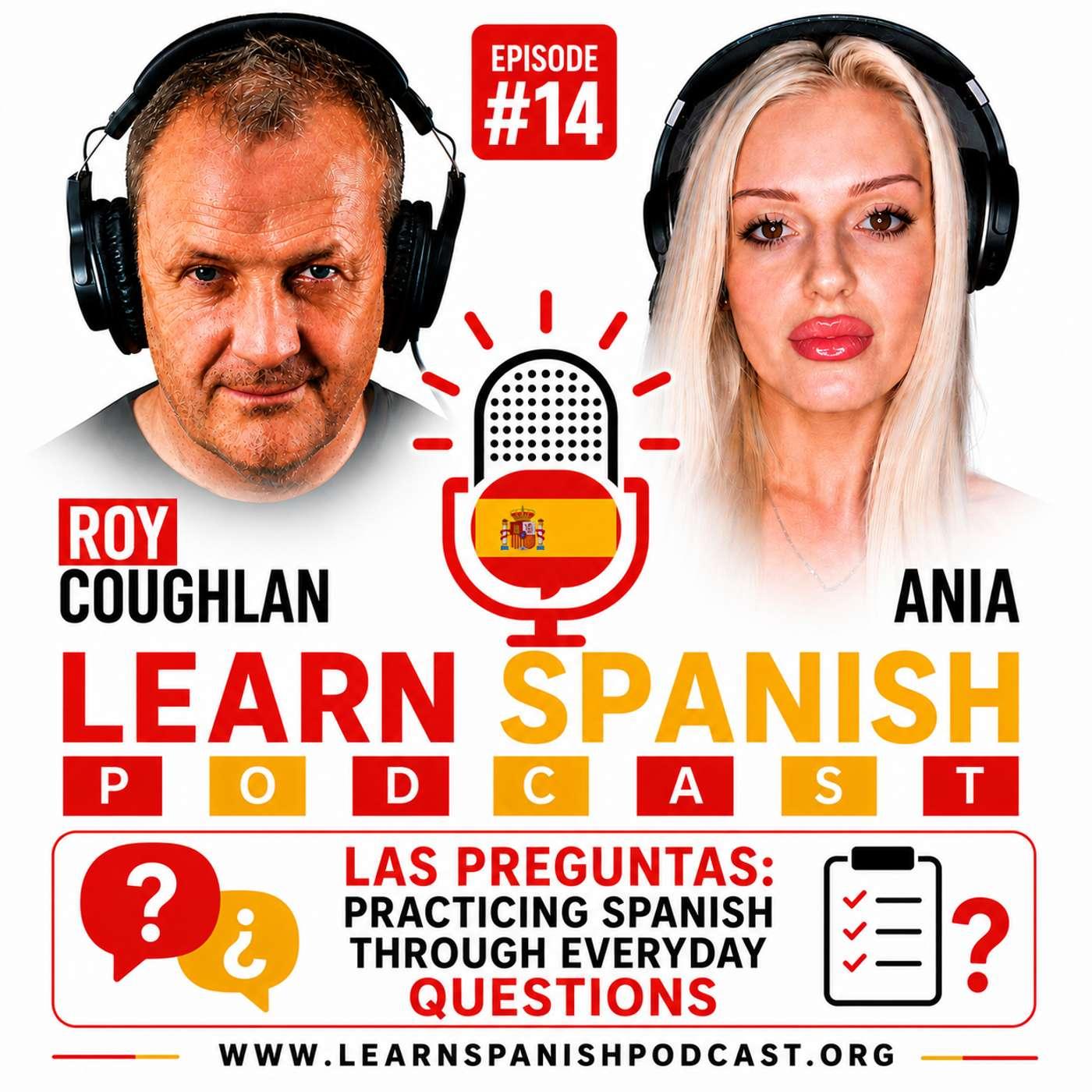
In this episode, Roy and Ania put everything learned so far into practice through a series of everyday conversational questions in Spanish. They cover personality traits (¿eres una persona paciente o impaciente?), pets, general mood, siblings, friendships, and family, along with fun tangents about …
In this episode, Roy and Ania tie together the verbs learned in previous episodes, estar and tener, to talk about feelings and sensations in Spanish. For feelings, they use estar, covering words like contento (content), alegre (cheerful), feliz (happy), triste (sad), preocupado (worried), enfadado …
In this episode, Roy and Ania cover the irregular verb tener, meaning to have. Ania walks Roy through the present tense forms: tengo, tienes, tiene, tenemos, tenéis, and tienen, then explains that tener is used to talk about possessions. They work through a range of practical examples, including te…
In this episode, Roy and Ania introduce the verb estar, Spanish's other verb for to be. Ania walks Roy through the present tense forms: estoy, estás, está, estamos, estáis, and están, then explains the key distinction from the verb ser covered in an earlier episode: ser is used for things like nati…
In this episode, Roy and Ania cover a full set of vocabulary for workplaces and everyday locations in Spanish. They work through la panadería (bakery), el banco (bank), el hospital, la escuela (school), la farmacia (pharmacy), el teatro (theatre), el restaurante, el correos (post office), el taller…
In this episode of Learn Spanish Podcast, Roy and Aña cover clothing and accessories vocabulary — from everyday basics like pantalones (pants) and camisa (shirt) to trickier ones like el jersey (sweater, with that easy-to-mispronounce "j" sound) and el bañador (swimming costume). Aña leads Roy thro…
Episode 8 — Querer: Learn to Say "I Want" in Spanish | Learn Spanish Podcast
In this short lesson, Roy and Ana cover the verb querer, meaning to want. Ana walks Roy through the full present tense conjugation: yo quiero, tú quieres, ella quiere, nosotros queremos, vosotros queréis, and ellos/ellas …
면책 조항: 이 페이지에 포함된 팟캐스트와 작품은 Roy Coughlan에서 가져온 것입니다. 이 팟캐스트는 소유자의 재산이며 Listen Notes, Inc.와 제휴하거나 보증하지 않습니다.
팟캐스트 검색 엔진
당사 웹사이트를 사용하여3,831,945팟캐스트 및196,905,369에피소드를 사람, 장소 또는 주제별로 검색할 수 있습니다.

I have no special talent. I am only passionately curious, and
I listen to podcasts.
‐ Albert "Llamacorn" Einstein
이 팟캐스트 요청하기
Why to claim podcasts?
If you are a podcaster, the best way to manage your podcasts on Listen Notes is by claiming your Listen Notes
podcast pages.
It is a great, free way to engage the podcast community and increase the visibility of your podcasts.
After claiming your Listen Notes podcast pages, you will be able to:
✓
Manually refresh the RSS feed to sync up
✓
Get a verified badge (
✓
) alongside with your podcast name on Listen Notes
✓
Post 분류 광고 for sponsorship,
guests, co-hosts,
cross-promotion...
✓
Respond to listener comments on Listen Notes
✓
Use speech-to-text techniques to transcribe your show and
edit transcripts
✓
Improve the presence of your podcasts, e.g., self-service
팟캐스터 인터뷰...
✓
If you share your Listen Notes page and at-mention @ListenNotes
on X (formerly Twitter),
공식 X(구 Twitter) 계정 will retweet to promote
your show to our followers.
Coming soon:
◯ Self-service promotion on Listen Notes
◯ Track your podcast stats on Listen
Notes, e.g., listens, page
views...
◯ Manage episodes
