INFORMAZIONI SU QUESTO PODCAST 🔗

Frequenza di aggiornamento:
monthly
Durata media dell'audio:
35 minutes
Interviste agli ospiti
Inglese
Stati Uniti
26 episodi
da 26 Giugno 2020
episodic
contenuto esplicito

ULTIMO EPISODIO 🔗

Concrete is the most widely used manufactured material on Earth — second only to water in global consumption — and one of the largest contributors to global carbon emissions. The race to develop and scale low-carbon alternatives is well underway, with the potential for an unprecedented reducti…

CERCA TRA GLI EPISODI PASSATI

Cerca gli episodi passati di Hypecast.

EPISODI PRECEDENTI

Social value refers to the positive social, environmental, and economic impacts of a project beyond financial gains. However, there is currently no standardised way to define or measure social value in the built environment in Australia; this lack of clarity makes it hard to assess a project’s impa…
Too often neglected in the project cycle, post-occupancy research seeks to understand gaps between design intent and real-world performance. Energy use, indoor environmental quality (IEQ), user satisfaction, culture & community, unintended consequences (good & bad)… In this episode, HIP V. …
Climate resilience is the ability of social, economic, human engineered and natural systems to withstand and recover from hazardous climatic events while maintaining their core structures and functions. Climate change related hazardous events and associated risks are rapidly evolving.  Vi…
Australia needs more housing, period. This is especially important in the community housing sector, and we applaud the efforts of governments to increase funding and set targets to seek to address the dire shortage. Community housing is secure, affordable, long term rental housing managed by not-fo…
The built environment is responsible for 37 per cent of global energy-related greenhouse gas emissions. As we look to the future of our buildings, cities and regions, innovative, high-performance, low carbon design becomes crucial to achieving a better tomorrow In this episode, former Habitus&…
How can finance be used to have a positive impact at scale? The Clean Energy Finance Corporation (CEFC) is helping to cut carbon emissions by investing $10 billion on behalf of the Australian Government – in agriculture, cleantech innovation, energy generation and storage, infrastructure, pr…
Originating in Germany in 1992, the Passive House methodology provides for energy efficient homes that support healthy indoor air quality and year-round thermal and acoustic comfort. Certified Passive Houses are underpinned by the five Passive House foundational principles of appropriate insulation…
Construction sites generate an enormous amount of waste. Research from RMIT found that in 2017, 20.4 million tonnes of construction and demolition waste was generated in Australia. 33% of this waste went into landfills, with the rest either illegally dumped, stockpiled, recycled or reused. What i…
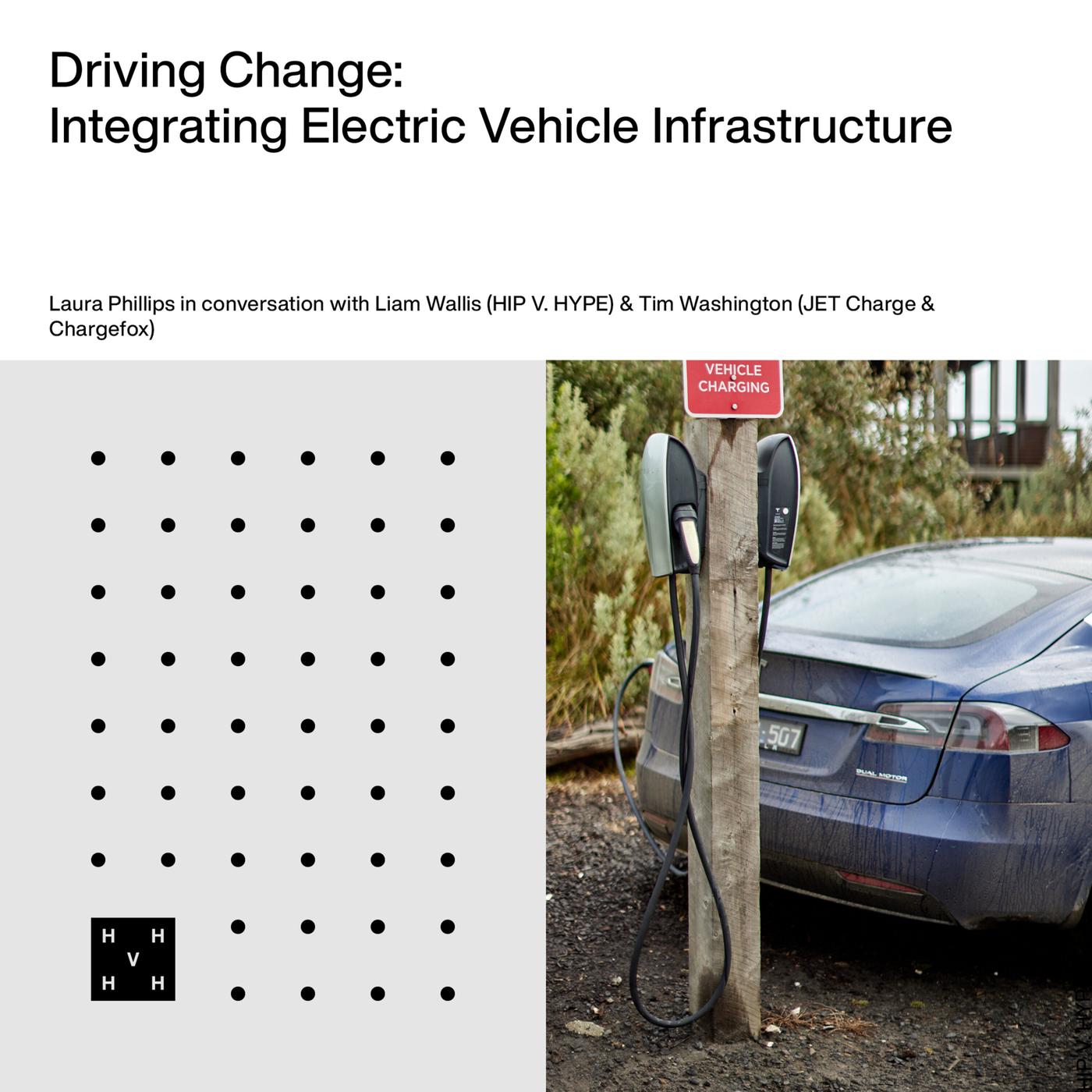
With our ample solar and wind power resources, Australia has the opportunity to lead the global transition to a net zero carbon economy. Transport currently contributes 17% of Australia's total carbon emissions, with internal combustible engine (ICE) vehicles responsible for around half of these e…
Dichiarazione di non responsabilità: Il podcast e la grafica incorporati in questa pagina provengono da HIP V. HYPE, che è di proprietà del suo proprietario e non è affiliato o approvato da Listen Notes, Inc.