

इस एपिसोड के बारे में

BUFFALO, NY — October 15, 2026 — A new #research paper was #published in Volume 18 of Aging on September 16, 2026, titled “Control theory of aging and longevity for gerotherapeutic drug discovery: state space, vector fields, modalities, safety, and the minimum safe cost of functional restoration.”
The paper introduces a mathematical framework for understanding aging and guiding the development of therapies aimed at preserving or restoring biological function. By applying principles from control theory, the researchers propose evaluating treatments according to their ability to move aging biological systems toward healthier functional states while accounting for treatment risks, intervention timing and irreversible damage.
The research was led by Aging Editorial Board member Alex Zhavoronkov, affiliated with Insilico Medicine and the Buck Institute for Research on Aging.
Aging research has identified numerous biological processes that contribute to functional decline, including cellular senescence, mitochondrial dysfunction, chronic inflammation, epigenetic alterations and loss of proteostasis. Established frameworks, such as the Hallmarks of Aging and the hyperfunction theory developed by Mikhail Blagosklonny, have helped explain these changes. However, identifying aging-related mechanisms does not automatically determine how, when or whether they should be targeted therapeutically.
The authors propose addressing this challenge using control theory, a mathematical discipline concerned with directing dynamic systems toward desired states. Their framework introduces the concept of biological state space, representing an organism’s condition across multiple dimensions, including inflammation, mitochondrial function, epigenetic stability, immune competence and regenerative capacity. Rather than aiming to restore every molecular feature to a youthful state, the framework prioritizes maintaining or recovering acceptable physiological function.
Full press release - https://www.aging-us.com/news-room/new-control-theory-framework-proposes-a-safer-approach-to-aging-drug-discovery
DOI - https://doi.org/10.18632/aging.206422
Corresponding author - Alex Zhavoronkov - alex@insilicomedicine.com
Abstract video - https://www.youtube.com/watch?v=qXL5LMhQTVs
Sign up for free Altmetric alerts about this article -
https://aging.altmetric.com/details/email_updates?id=10.18632%2Faging.206422
Subscribe for free publication alerts from Aging - https://www.aging-us.com/subscribe-to-toc-alerts
Keywords - aging, control theory, biological age, drug discovery, gerotherapeutics
To learn more about the journal, please visit https://www.Aging-US.com and connect with us on social media at:
Bluesky - https://bsky.app/profile/aging-us.bsky.social
ResearchGate - https://www.researchgate.net/journal/Aging-1945-4589
X - https://twitter.com/AgingJrnl
Facebook - https://www.facebook.com/AgingUS/
Instagram - https://www.instagram.com/agingjrnl/
LinkedIn - https://www.linkedin.com/company/aging/
Reddit - https://www.reddit.com/user/AgingUS/
Pinterest - https://www.pinterest.com/AgingUS/
YouTube - https://www.youtube.com/@Aging-US
Spotify - https://open.spotify.com/show/1X4HQQgegjReaf6Mozn6Mc
MEDIA@IMPACTJOURNALS.COM
The paper introduces a mathematical framework for understanding aging and guiding the development of therapies aimed at preserving or restoring biological function. By applying principles from control theory, the researchers propose evaluating treatments according to their ability to move aging biological systems toward healthier functional states while accounting for treatment risks, intervention timing and irreversible damage.
The research was led by Aging Editorial Board member Alex Zhavoronkov, affiliated with Insilico Medicine and the Buck Institute for Research on Aging.
Aging research has identified numerous biological processes that contribute to functional decline, including cellular senescence, mitochondrial dysfunction, chronic inflammation, epigenetic alterations and loss of proteostasis. Established frameworks, such as the Hallmarks of Aging and the hyperfunction theory developed by Mikhail Blagosklonny, have helped explain these changes. However, identifying aging-related mechanisms does not automatically determine how, when or whether they should be targeted therapeutically.
The authors propose addressing this challenge using control theory, a mathematical discipline concerned with directing dynamic systems toward desired states. Their framework introduces the concept of biological state space, representing an organism’s condition across multiple dimensions, including inflammation, mitochondrial function, epigenetic stability, immune competence and regenerative capacity. Rather than aiming to restore every molecular feature to a youthful state, the framework prioritizes maintaining or recovering acceptable physiological function.
Full press release - https://www.aging-us.com/news-room/new-control-theory-framework-proposes-a-safer-approach-to-aging-drug-discovery
DOI - https://doi.org/10.18632/aging.206422
Corresponding author - Alex Zhavoronkov - alex@insilicomedicine.com
Abstract video - https://www.youtube.com/watch?v=qXL5LMhQTVs
Sign up for free Altmetric alerts about this article -
https://aging.altmetric.com/details/email_updates?id=10.18632%2Faging.206422
Subscribe for free publication alerts from Aging - https://www.aging-us.com/subscribe-to-toc-alerts
Keywords - aging, control theory, biological age, drug discovery, gerotherapeutics
To learn more about the journal, please visit https://www.Aging-US.com and connect with us on social media at:
Bluesky - https://bsky.app/profile/aging-us.bsky.social
ResearchGate - https://www.researchgate.net/journal/Aging-1945-4589
X - https://twitter.com/AgingJrnl
Facebook - https://www.facebook.com/AgingUS/
Instagram - https://www.instagram.com/agingjrnl/
LinkedIn - https://www.linkedin.com/company/aging/
Reddit - https://www.reddit.com/user/AgingUS/
Pinterest - https://www.pinterest.com/AgingUS/
YouTube - https://www.youtube.com/@Aging-US
Spotify - https://open.spotify.com/show/1X4HQQgegjReaf6Mozn6Mc
MEDIA@IMPACTJOURNALS.COM
अंग्रेज़ी
संयुक्त राज्य अमरीका
अनुलिपि 🔗
Are you the producer of this podcast?
Add a podcast transcript
Need Audio-to-Text?
Transcribe with Listen411 in Just 60 Seconds
इस पॉडकास्ट के अन्य एपिसोड
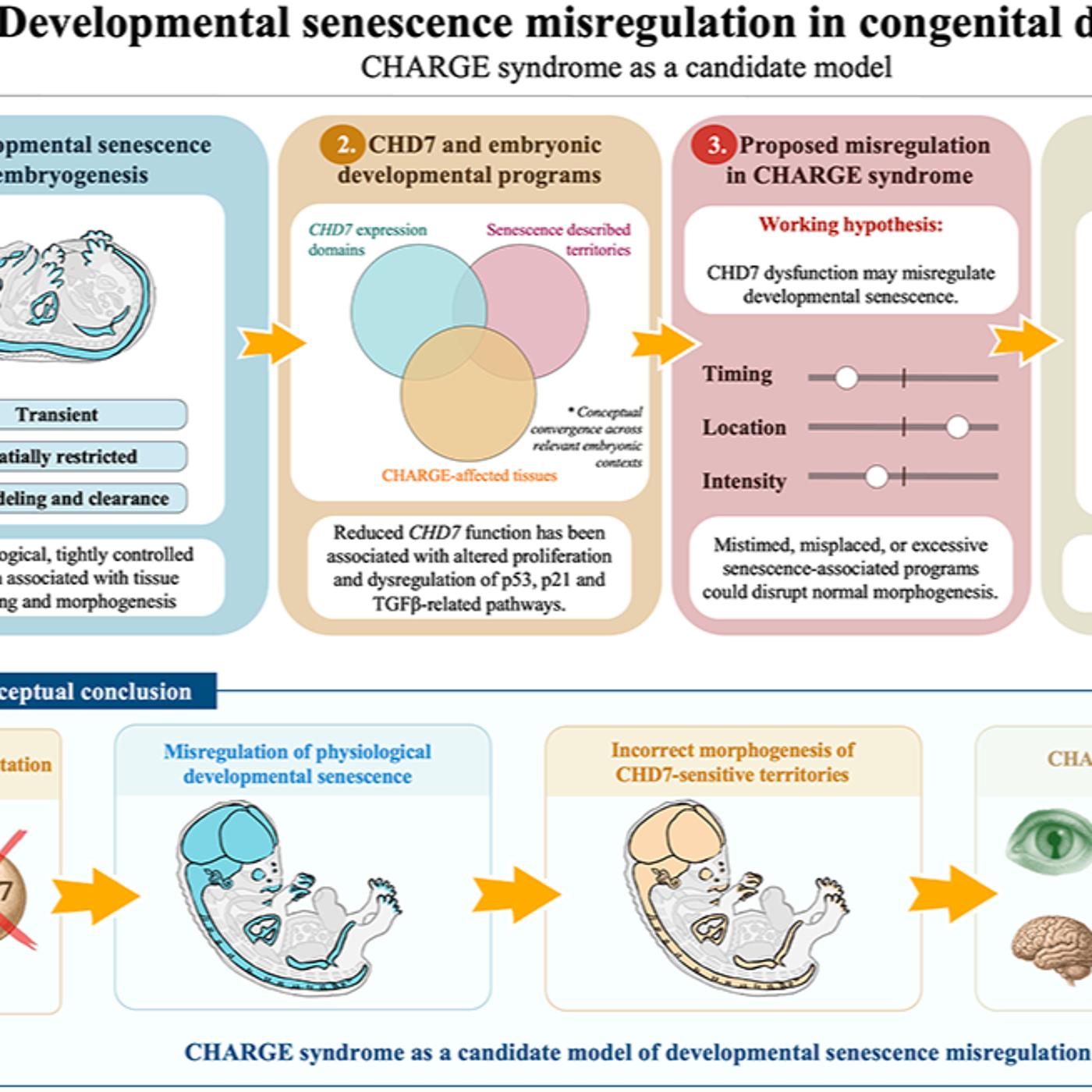
BUFFALO, NY — September 29, 2026 — A new #review was #published in Volume 18 of Aging on September 8, 2026, titled “Developmental senescence misregulation in congenital disorders: CHARGE syndrome as a candidate model.”
The article proposes that disruption of developmental senescence—a tightly cont…
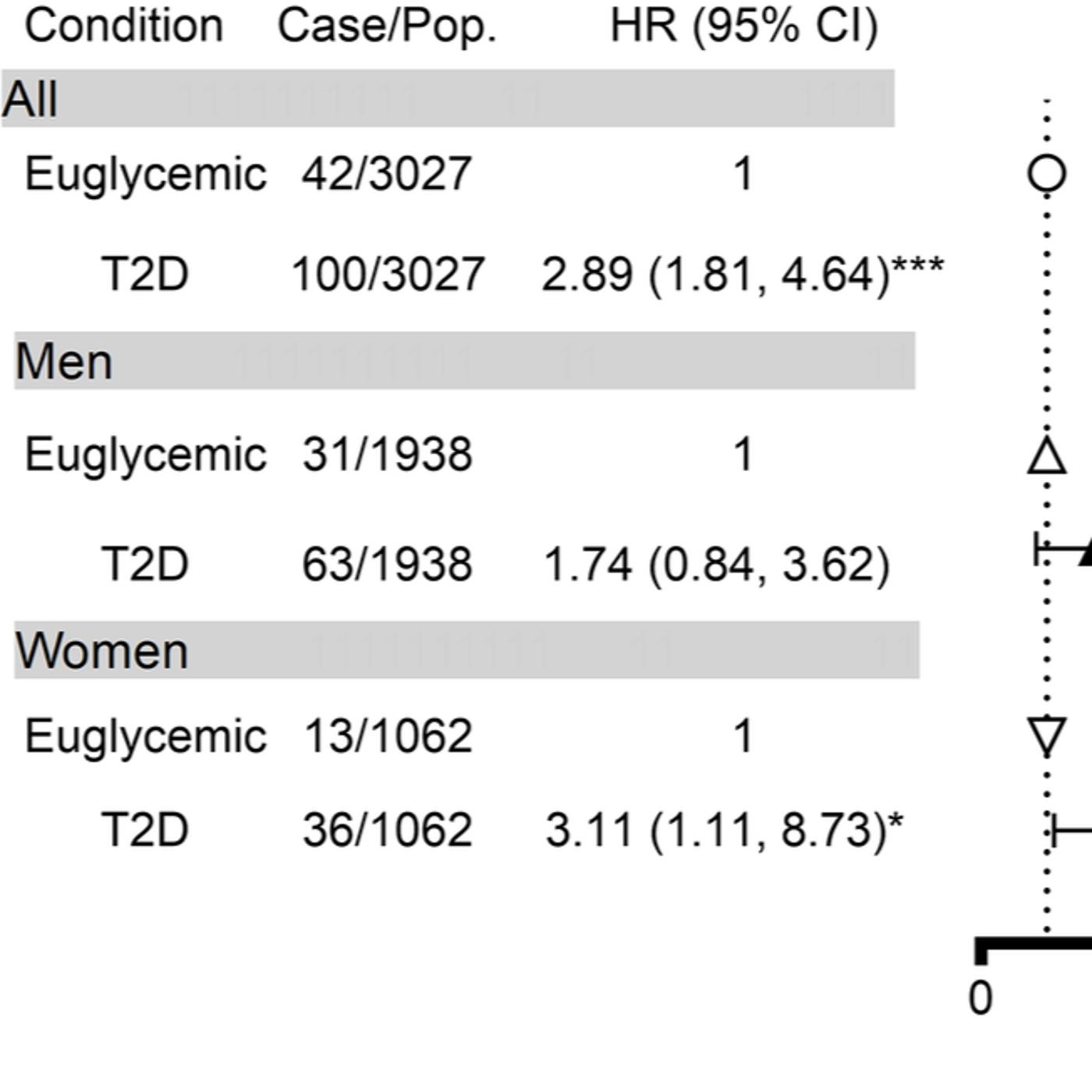
BUFFALO, NY — October 1, 2026 — A new #research paper was #published in Volume 18 of Aging on September 10, 2026, titled “Social determinants of health and risk of dementia in people with and without type 2 diabetes – findings from two large national-scale cohorts.”
The study found that unfavorabl…
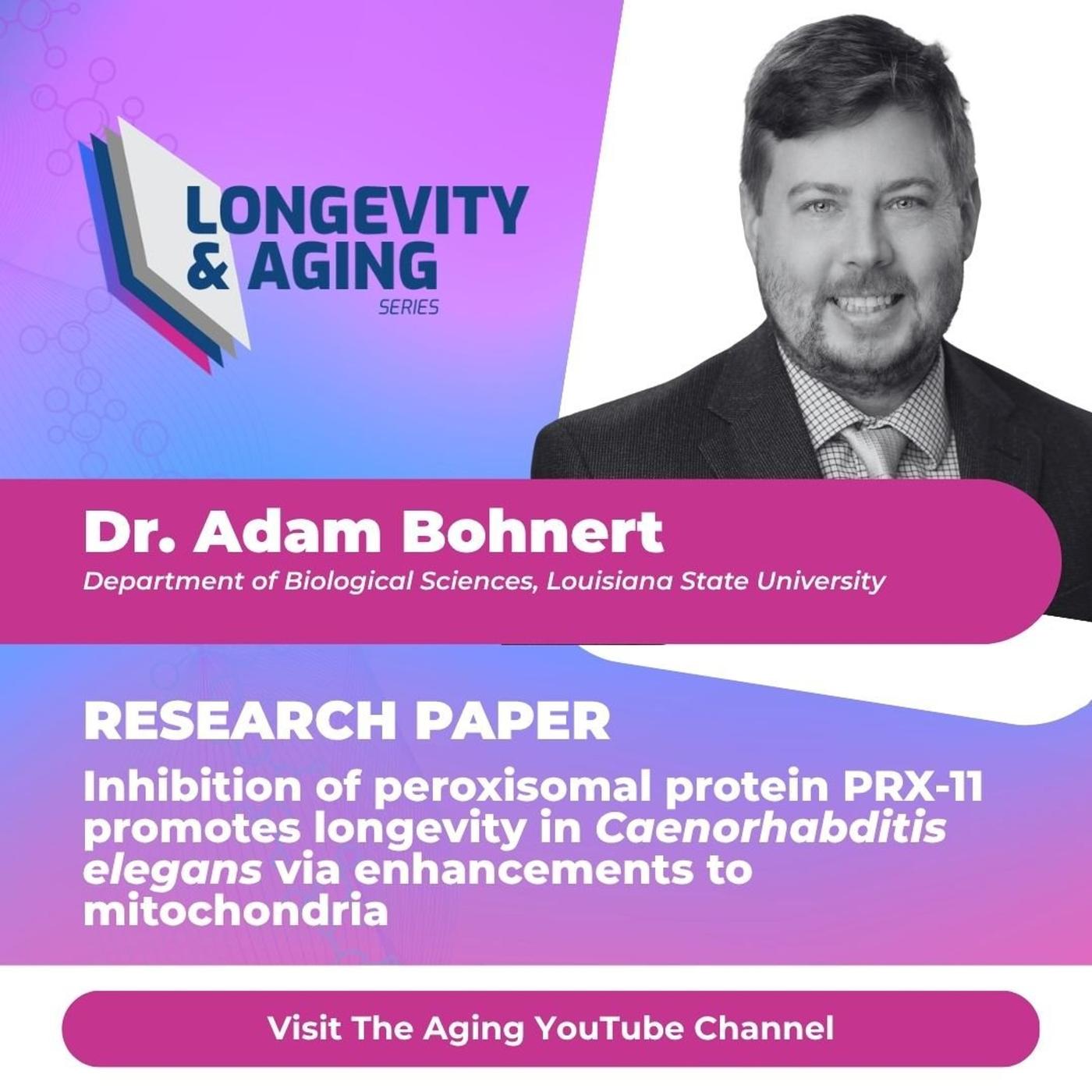
In this episode of the Longevity & Aging Series (S4, E6), Dr. Adam Bohnert from the Department of Biological Sciences at Louisiana State University (Baton Rouge, LA) joins host Dr. Yuan Zhao to discuss the research paper he co-authored in Volume 18 of Aging, titled “Inhibition of peroxisomal pr…

Aging is commonly associated with the gradual loss of skeletal muscle mass and function. While preserving muscle mass is important, muscle health also depends on the mitochondria that provide energy for contraction and help muscles respond to physical stress. A new study suggests that a protein cal…
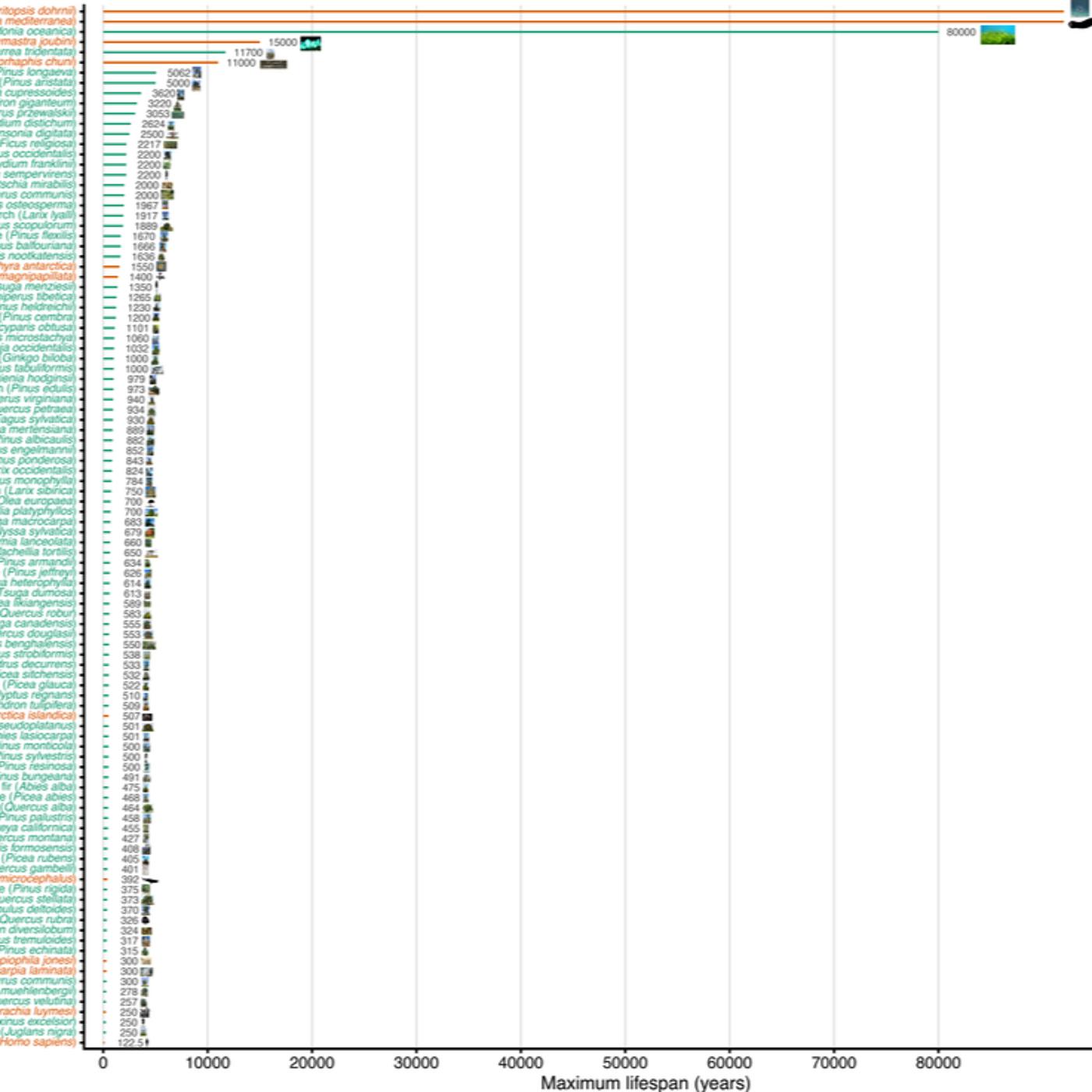
BUFFALO, NY — September 24, 2026 — A new #review was #published in Volume 18 of Aging on September 8, 2026, titled “How to live for centuries: common denominators of organisms with exceptional longevity.”
The review examines what some of the world’s longest-lived organisms may reveal about the bio…
अस्वीकरण: इस पृष्ठ पर एम्बेडेड पॉडकास्ट और कलाकृति Aging Podcast से हैं, जो इसके मालिक की संपत्ति है और Listen Notes, Inc. से संबद्ध या समर्थित नहीं है।
संपादित करें
पॉडकास्ट डेटाबेस को अपडेटेड रखने में मदद के लिए धन्यवाद।
