
על אודות פודקאסט זה 🔗
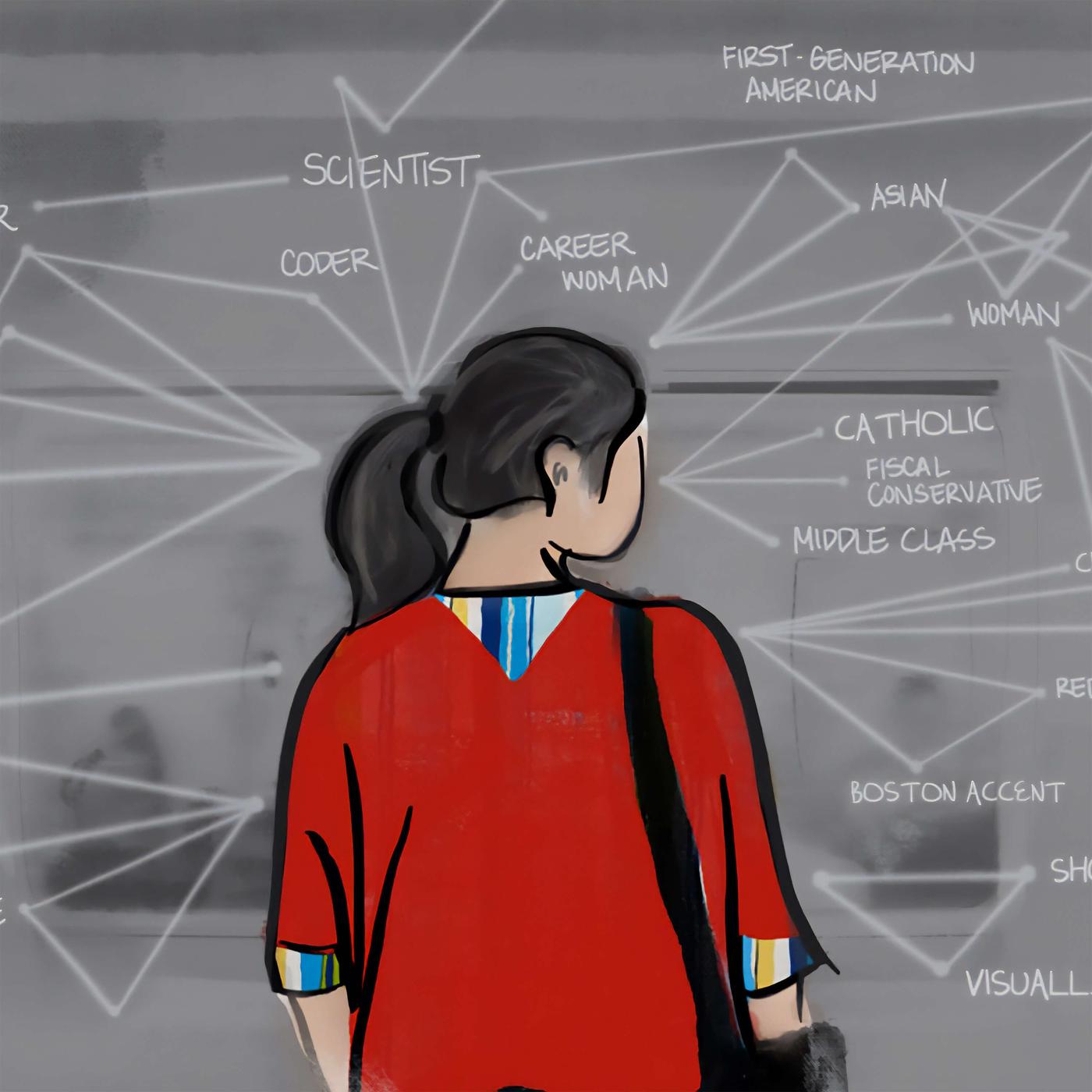
Explore the mind’s blindspots with Outsmarting Implicit Bias, an educational media series founded by Harvard psychologist Mahzarin Banaji. Apply insights from the science to make better decisions in life and at work.
תדירות עדכון:
every 41 days
אורך אודיו ממוצע:
8 minutes
אנגלית
ארצות הברית
17 פרקים
מאז 27 בספטמבר 2017
episodic
הפרק החדש ביותר 🔗

We have more information at our fingertips than ever before… but this doesn’t mean we’re making better decisions. Why? One culprit: the confirmation bias. From DNA analysis and political debates to the strategies we use in business and fantasy football, our desire to confirm our beliefs skews how …
פרקים קודמים 🔗

When it comes to food, presentation and taste are connected: the eyes eat first. The science suggests we apply a similar idea to people: attractive people are seen as smarter, kinder, more moral, and so on. It’s called the attractiveness halo.

What’s more likely: death by shark attack, or death by lightning strike? The science suggests you’ll choose “shark attack”… but that’s not the right answer. So why do so many of us agree? It’s called the availability bias: our tendency to assume that events that come easily to mind must be more co…

Here’s a little memory test designed by psychologists Amos Tversky and Daniel Kahneman (1973) to reveal a cognitive blindspot. Try it for yourself, and listen to our podcast "The Availability Bias" to learn more about this quirky bias.

In a groundbreaking study, sociologist Devah Pager showed that being Black hurts an applicant's chances of being hired just as much as a felony conviction. What do decisions based on gut instincts mean for the survival of a business?
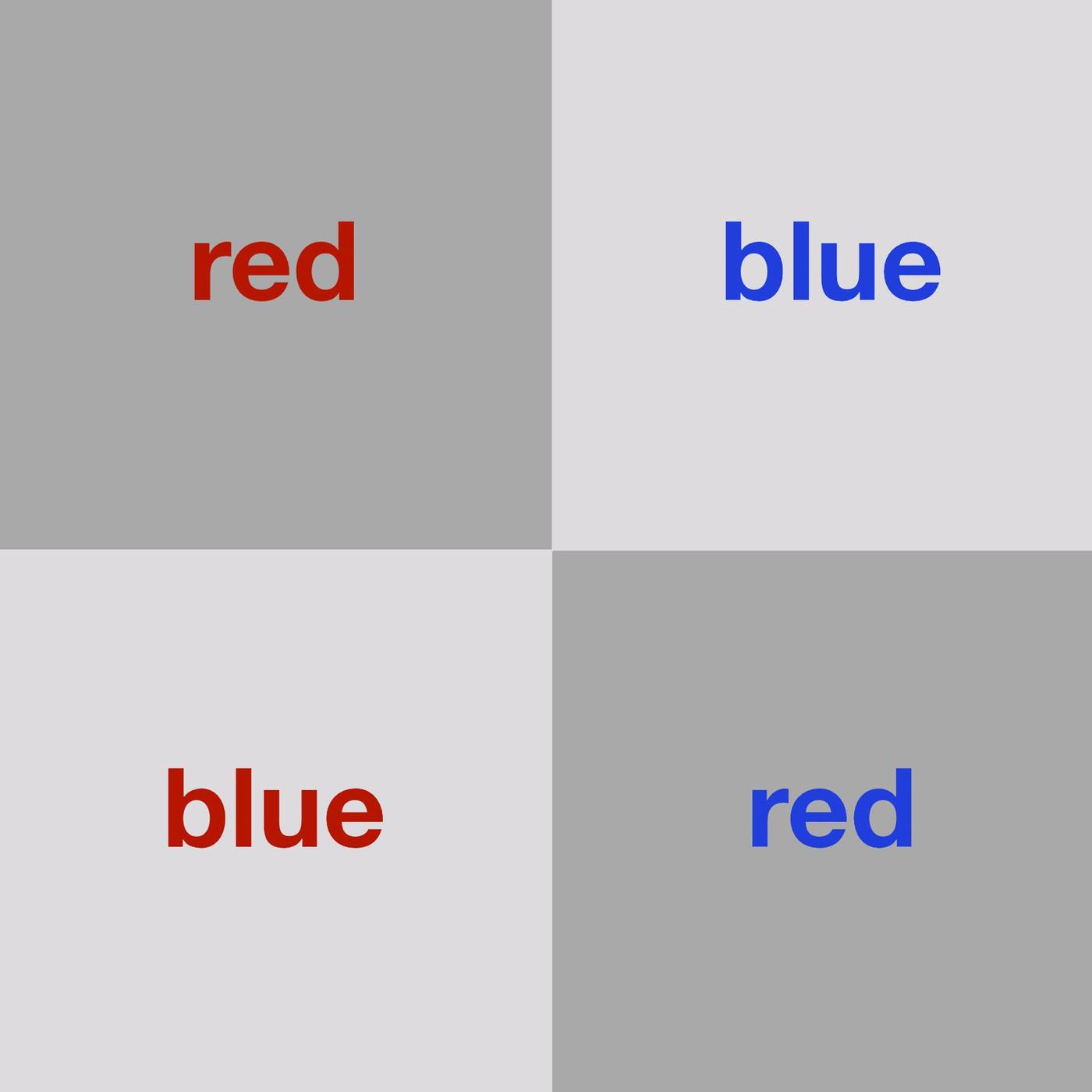

Imagine hearing this: “Alex is biased against women.” Most of us would assume that Alex is a man. But the science tells us we should think again – that our hypothetical “Alex” is just as likely to be Alexandra as Alexander. How can this be?
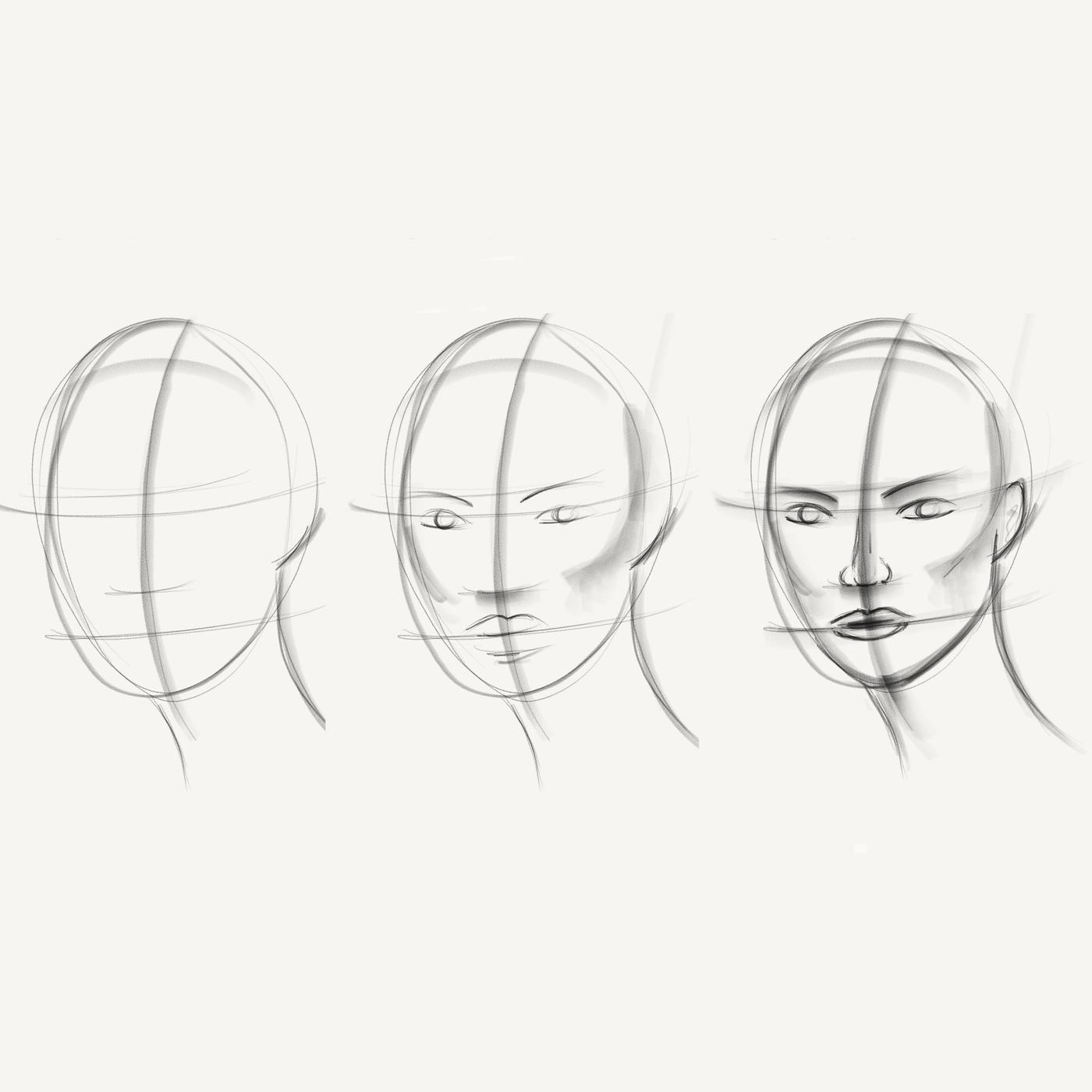
Our faces broadcast information about us: whether we’re smart, warm, trustworthy. How do these signals influence decision-making – and are they accurate? Psychologist Alexander Todorov discusses the science behind face value. (Visit our website to watch the video version of this episode.)

Voices are more than just sounds. They’re auditory faces that can give clues to who we are. In the time it takes to say “hello,” we can identify a person’s ethnic or cultural background as different from ours. Yet this can lead to other impressions that are just...wrong. How might accents influenc…

Albert Einstein, we would say, is a genius. Yet we might say the same for a puppy that can open a cabinet to get her snacks. Sometimes it makes sense to shift our standards based on context. But are we raising and lowering the bar when we shouldn’t?
For references and related material, visit http…
הצהרה: הפודקאסט והגרפיקה המוטבעים בדף זה הם מ-Outsmarting Implicit Bias, שהוא רכושו של בעליו ואינו קשור או מאושר על ידי Listen Notes, Inc.
מנוע חיפוש PODCAST
אתה יכול להשתמש באתר שלנו כדי לחפש3,822,285פודקאסטים ופודקאסטים195,515,379לפי אנשים, מקומות או נושאים.

I have no special talent. I am only passionately curious, and
I listen to podcasts.
‐ Albert "Llamacorn" Einstein
בקש/י פודקאסט זה
Why to claim podcasts?
If you are a podcaster, the best way to manage your podcasts on Listen Notes is by claiming your Listen Notes
podcast pages.
It is a great, free way to engage the podcast community and increase the visibility of your podcasts.
After claiming your Listen Notes podcast pages, you will be able to:
✓
Manually refresh the RSS feed to sync up
✓
Get a verified badge (
✓
) alongside with your podcast name on Listen Notes
✓
Post מודעות מסווגות for sponsorship,
guests, co-hosts,
cross-promotion...
✓
Respond to listener comments on Listen Notes
✓
Use speech-to-text techniques to transcribe your show and
edit transcripts
✓
Improve the presence of your podcasts, e.g., self-service
ריאיון עם פודקאסטר...
✓
If you share your Listen Notes page and at-mention @ListenNotes
on X (formerly Twitter),
חשבון ה־X הרשמי שלנו (לשעבר Twitter) will retweet to promote
your show to our followers.
Coming soon:
◯ Self-service promotion on Listen Notes
◯ Track your podcast stats on Listen
Notes, e.g., listens, page
views...
◯ Manage episodes
