

À PROPOS DE CET ÉPISODE
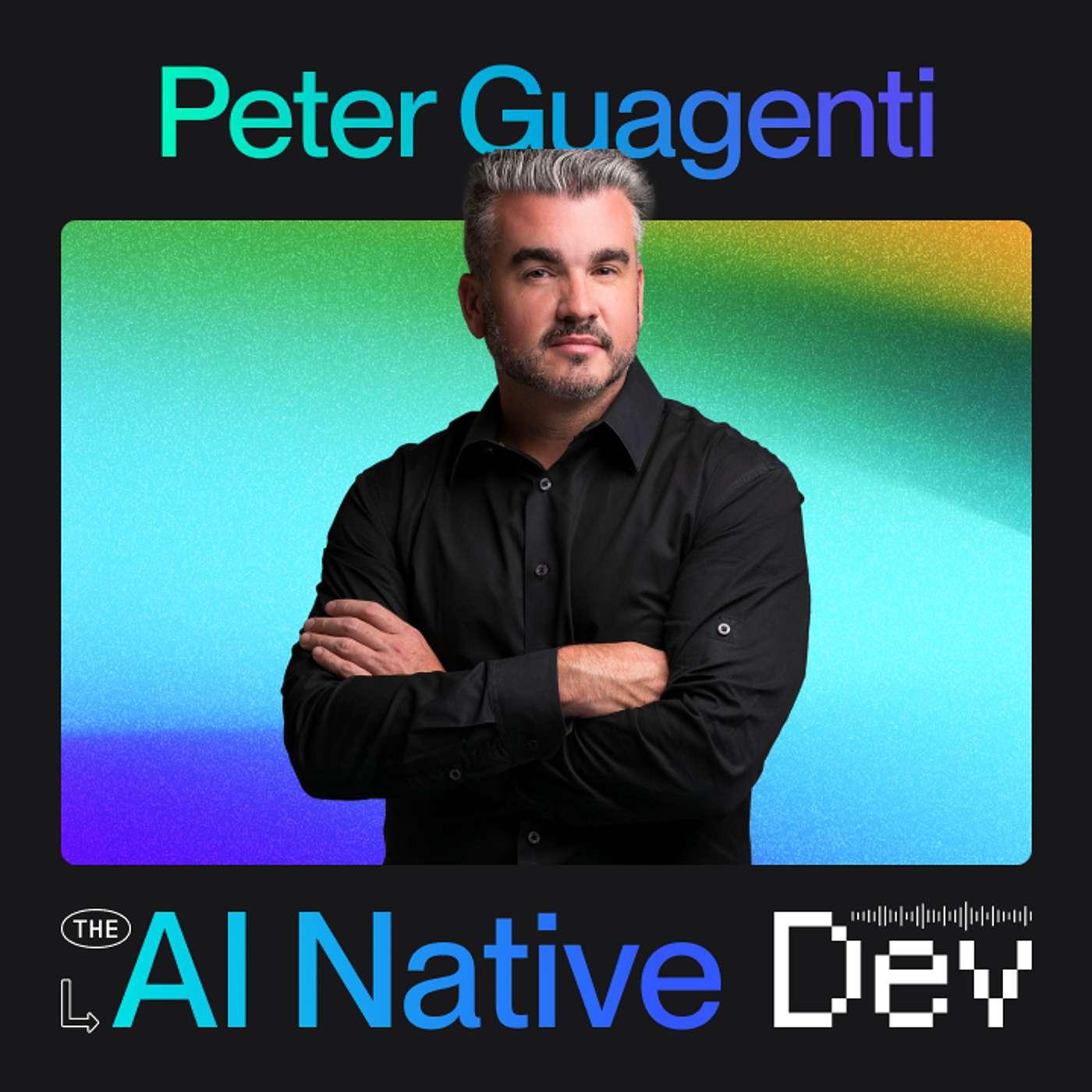
In this podcast episode, Simon Maple and Peter Guagenti explore the evolution, current capabilities, and future potential of AI code assistants like Tabnine. Peter shares extensive experience and insights into how these tools have transitioned from code completion aids to comprehensive assistants throughout the Software Development Life Cycle (SDLC). The discussion also addresses common concerns among developers, such as job security and the accuracy of AI-generated code. Listeners will learn practical tips for leveraging AI tools effectively and hear predictions of AI in software development. Join us as we delve into this fascinating topic with an industry expert.
Anglais
États-Unis
DANS CET ÉPISODE
TRANSCRIPTION 🔗
Are you the producer of this podcast?
Add a podcast transcript
Need Audio-to-Text?
Transcribe with Listen411 in Just 60 Seconds
RECHERCHER LES ÉPISODES PASSÉS
Rechercher les épisodes précédents de The AI Native Dev - from Copilot today to AI Native Software Development tomorrow.
AUTRES ÉPISODES DANS CE PODCAST
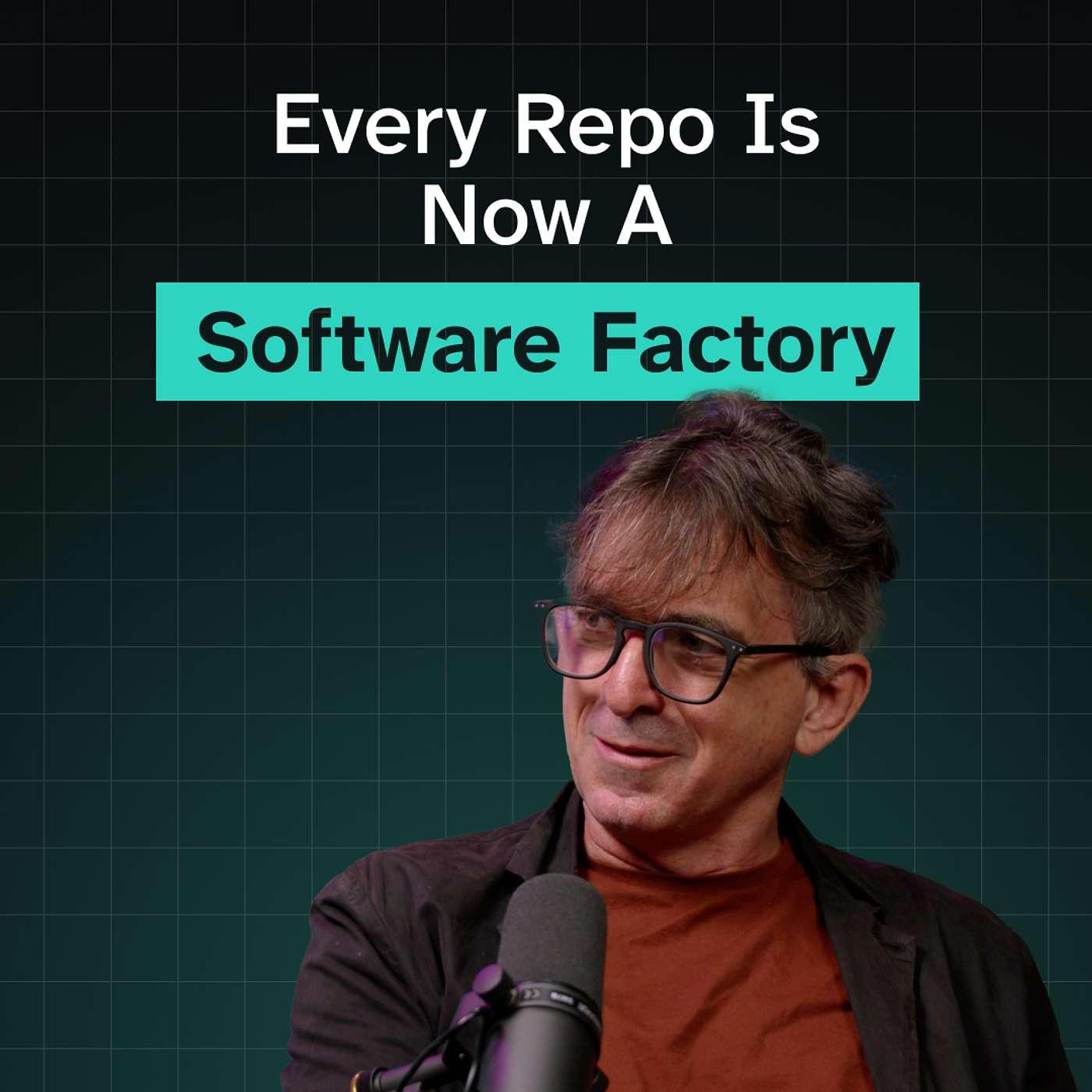
Turning every repo into a software factory sounds like marketing until you see the machinery underneath. Don Syme, Principal Researcher at GitHub, breaks down continuous AI and GitHub Agentic Workflows, now in public preview. The short version: the agents are the easy part, the quality gates and gu…

The software factory that put up 850 pull requests in a week, with 85 to 90% of them handled by agents end to end. Tessl's Head of Product Dru Knox on how it actually got built, why it started with skills rather than automation, and the two things nobody expects a factory to change. Guy Podjar…
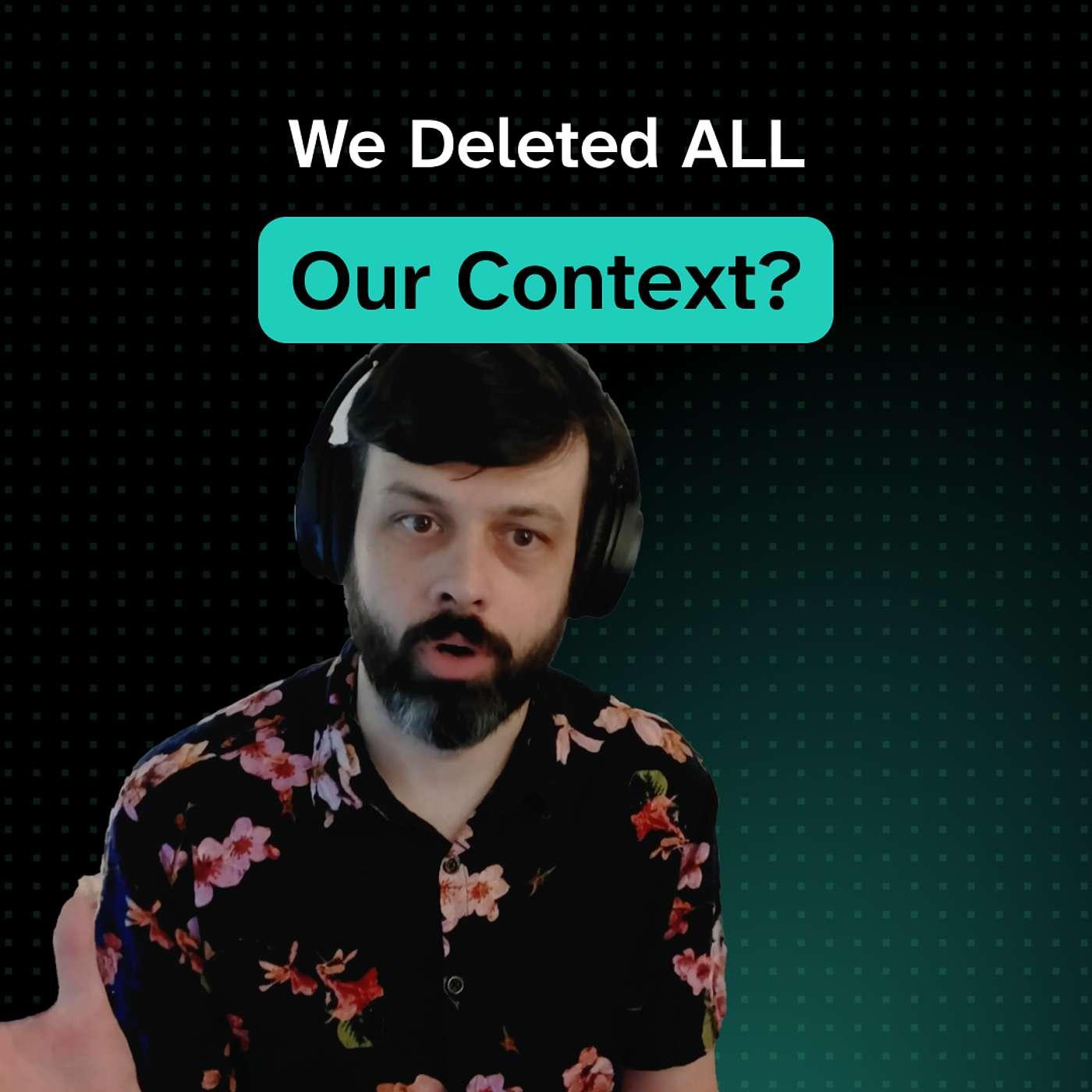
Datadog's Language Foundations team deleted an entire folder of AI context files that had been carefully written and maintained for over a year, expecting a performance hit. Instead, their evals got better. Simon Boudrias, who runs Language Foundations at Datadog, walks Guy through what that t…
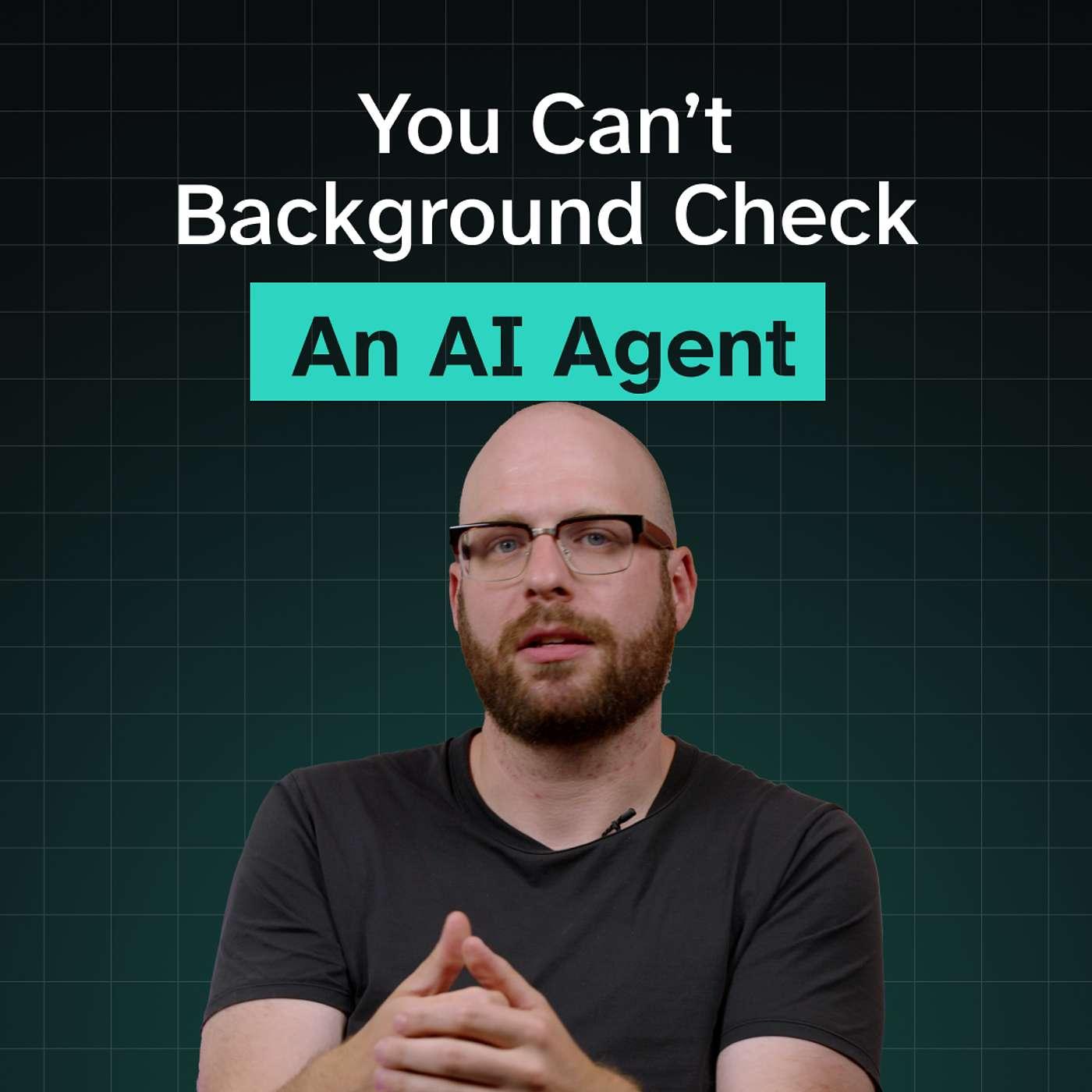
The thing that makes an agent useful is the exact thing that makes it dangerous. Keycard co-founder Ian Livingstone breaks down why non-determinism is both the feature and the bug, and why identity, not model quality, is what really gates how much autonomy you can hand an agent. If you have ever cl…
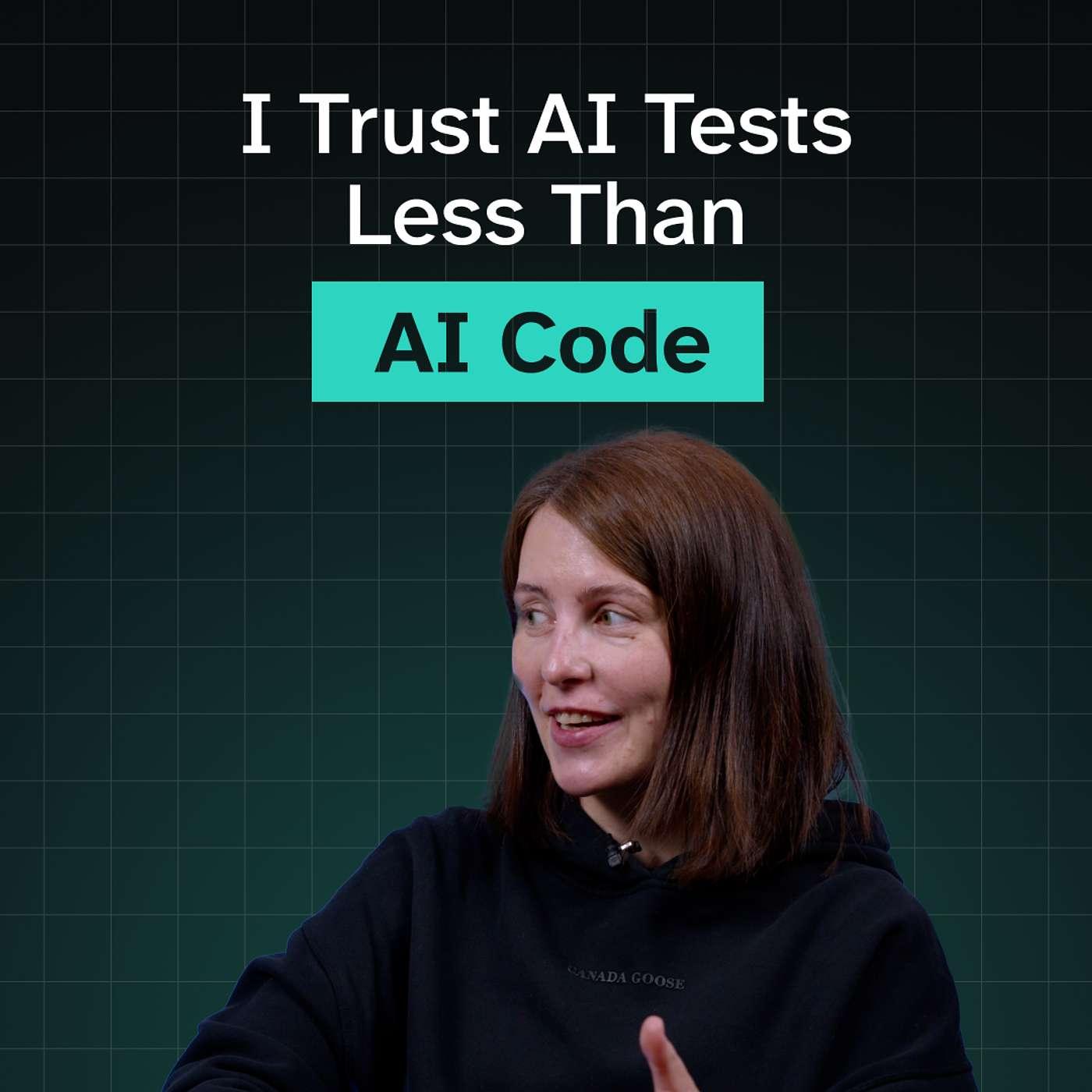
Lada Kesseler's approach to loop engineering is brutally simple: give the agent one step, make it write the result to a file, then read it back and go again. She calls it a centrifuge. Spin fast enough and the stupid comes out.The Logic20/20 principal engineer has spent the last year and a hal…
Avertissement: Le podcast et les illustrations intégrés sur cette page proviennent de Tessl, qui est la propriété de son propriétaire et n'est ni affilié ni approuvé par Listen Notes, Inc.
MODIFIER
Merci de nous avoir aidé à tenir la base de données de podcasts à jour.
