

À PROPOS DE CET ÉPISODE

More at www.philosophytalk.org/shows/mind-sharing.
Mind reading might sound like the stuff of science fiction. But in philosophy and psychology, mind reading is something that human beings do whenever we try to guess what another person is thinking. Could it be that people are also natural born mind sharers, unconsciously shaping our behavior to be understood by others? How do we change or exaggerate our actions when others are present? And how can we use these insights to communicate better with our loved ones? Josh and Ray share their mind(s) with Julian Jara-Ettinger, Director of the Computational Social Cognition Lab at Yale University.
Mind reading might sound like the stuff of science fiction. But in philosophy and psychology, mind reading is something that human beings do whenever we try to guess what another person is thinking. Could it be that people are also natural born mind sharers, unconsciously shaping our behavior to be understood by others? How do we change or exaggerate our actions when others are present? And how can we use these insights to communicate better with our loved ones? Josh and Ray share their mind(s) with Julian Jara-Ettinger, Director of the Computational Social Cognition Lab at Yale University.
Anglais
États-Unis
TRANSCRIPTION 🔗
Are you the producer of this podcast?
Add a podcast transcript
Need Audio-to-Text?
Transcribe with Listen411 in Just 60 Seconds
RECHERCHER LES ÉPISODES PASSÉS
Rechercher les épisodes précédents de Select Episodes.
AUTRES ÉPISODES DANS CE PODCAST

More at https://www.philosophytalk.org/shows/mary-astell.
Mary Astell (1666–1731) was an English philosopher and writer who advocated for equal rights for women. While she described marriage as a type of “slavery,” she was also a staunch conservative who claimed that women who did marry should acc…

More at https://www.philosophytalk.org/shows/margaret-cavendish.
Margaret Cavendish was a writer of poetry, philosophy, polemics, histories, plays, and utopian fiction. She employed many different genres as a way to overcome access barriers for women and build an audience for her subversive philos…
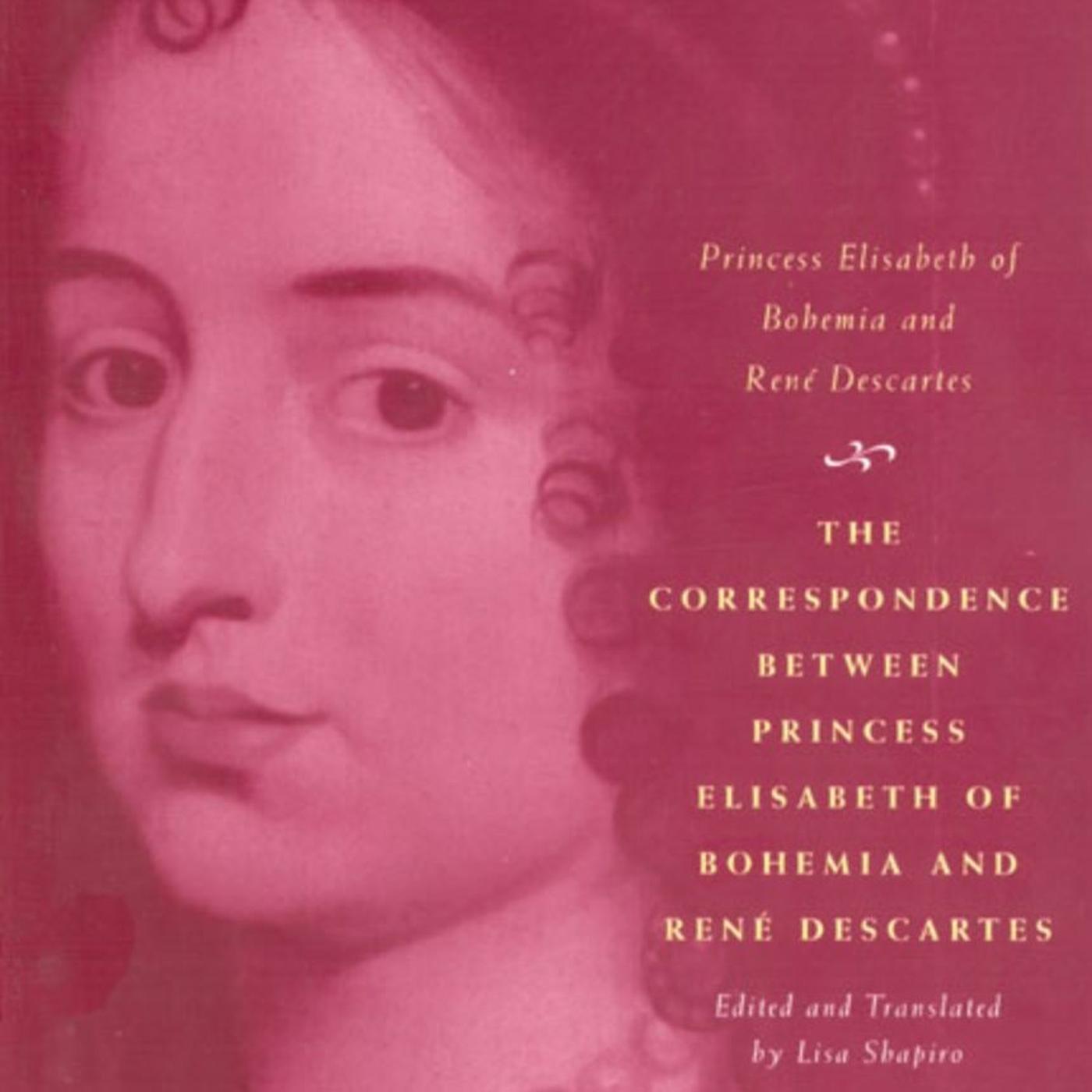
More at www.philosophytalk.org/shows/elisabeth-bohemia.
Princess Elisabeth of Bohemia (1618–1680) is best known for her correspondence with René Descartes. In her letters, she articulated a devastating critique of his dualist theory of mind, in particular on the impossibility of mind-body interact…

More at https://www.philosophytalk.org/shows/im-yunjidang.
18th-century Korean philosopher Im Yunjidang was the first Confucian to argue for women’s equality in matters of morality and to claim that women, just like men, can be sages. She also argued that it isn't just what you do that matters mor…
Avertissement: Le podcast et les illustrations intégrés sur cette page proviennent de Philosophy Talk, qui est la propriété de son propriétaire et n'est ni affilié ni approuvé par Listen Notes, Inc.
MODIFIER
Merci de nous avoir aidé à tenir la base de données de podcasts à jour.
