

À PROPOS DE CET ÉPISODE
On a November morning in 2023, more than 60 individuals across the bio-based construction value chain descended upon the MASS Design Group office in Boston to address one question: How can we begin to rapidly scale regionally produced, renewable building materials across the Northeast?
This intrepid group, which included designers, developers, builders, farmers, foresters, educators, suppliers, manufacturers, engineers, and policy makers, formed what is now known as the Bio-Based Materials Collective (BBMC). And in less than two years since that November convening, the focus and size of the Collective have broadened dramatically. No longer focused on just the Northeastern US, the Collective is now attempting to solve the scaling challenge across North America. Luckily, the membership base has scaled alongside that expanded focus, growing more than 12-fold since its inception.
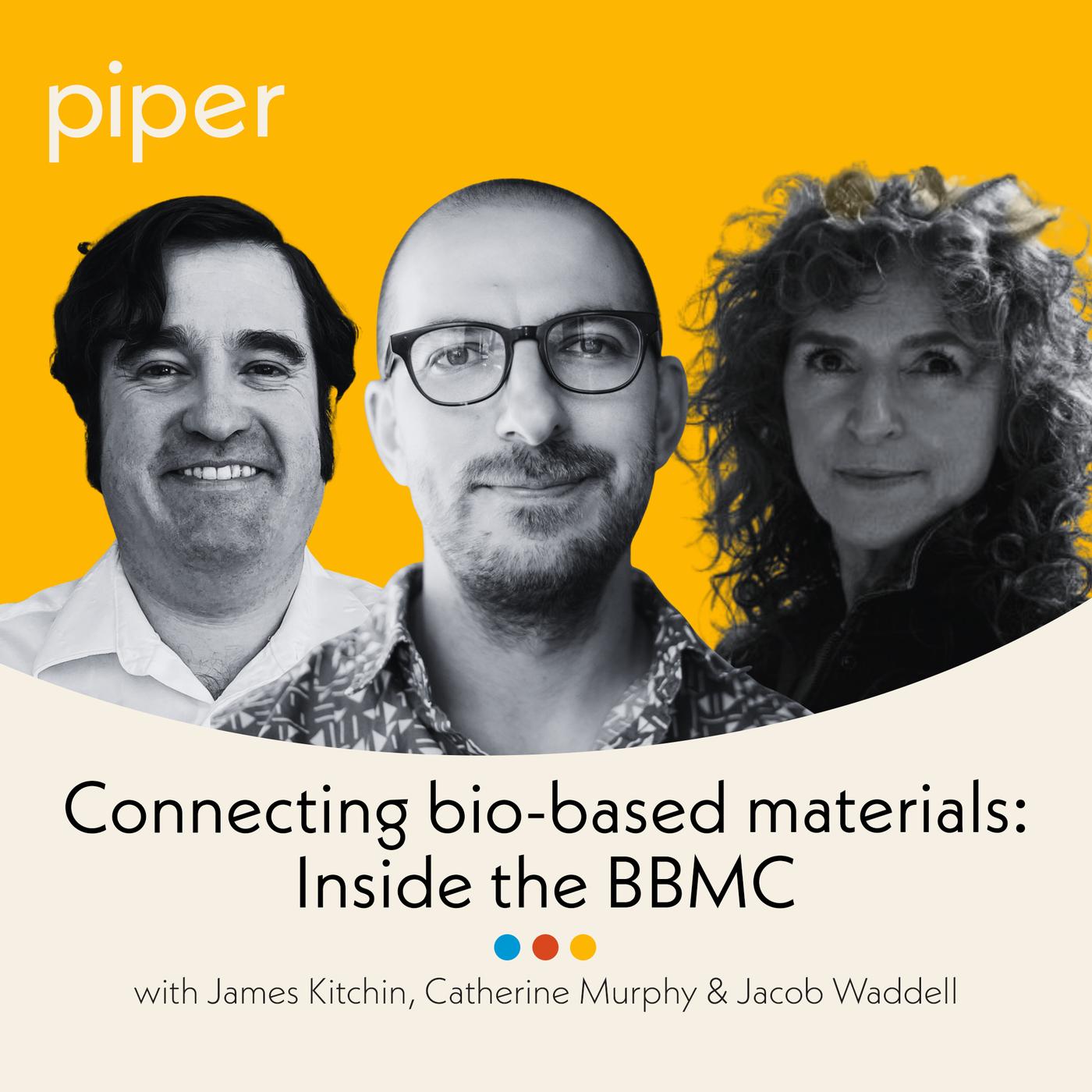
In this episode, James Kitchin, director of the Abundant Futures Design Lab at MASS Design Group; Catherine Murphy, director of education for the Parsons Healthy Materials Lab; and Jacob Waddell, president of the Hemp Building Institute, describe how the BBMC came to be, how the members are working to advance the use of bio-based materials in the built environment, and where the group is headed.