

À PROPOS DE CET ÉPISODE
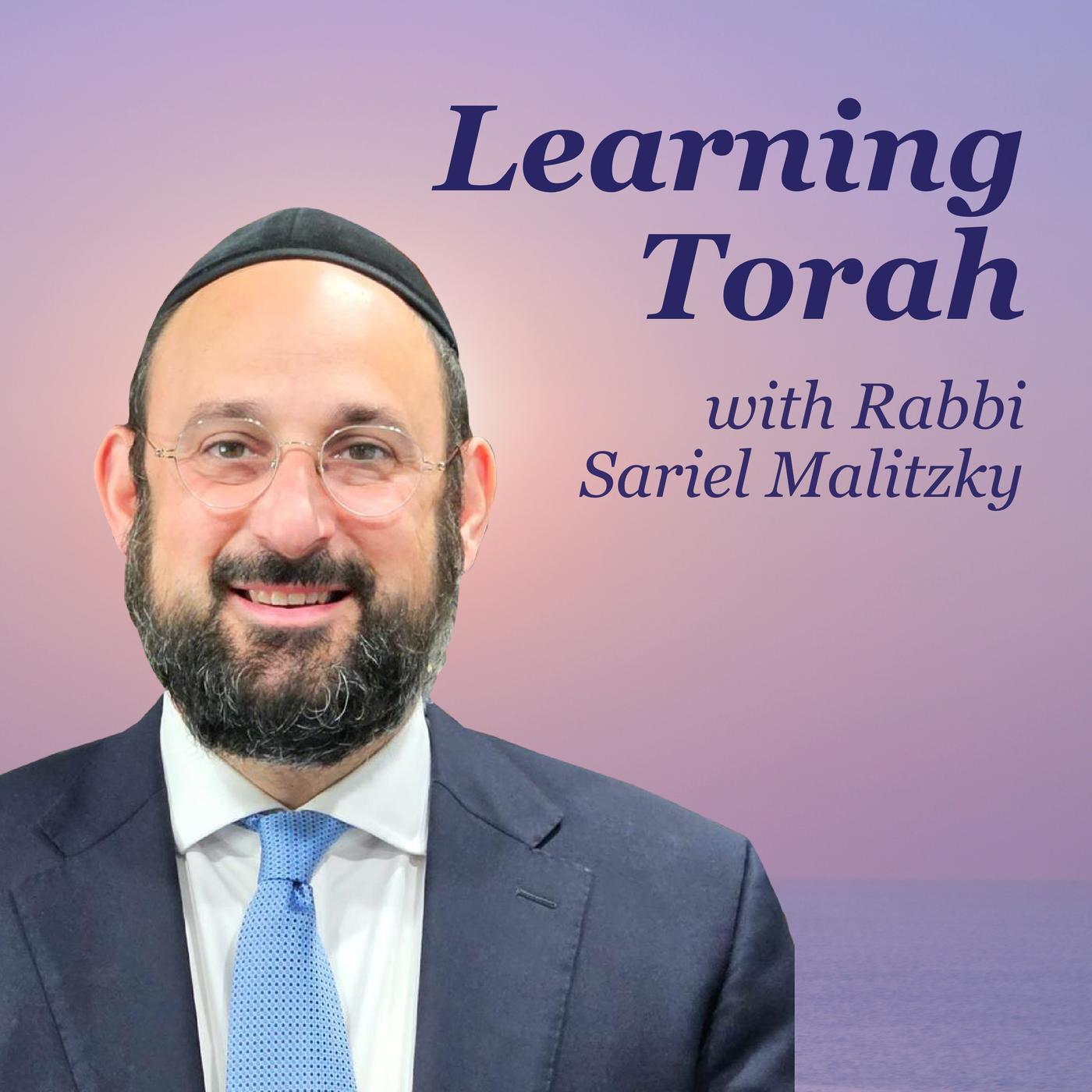
Before Shemona Esrei, we say משה ובני ישראל לך ענו שירה בשמחה רבה. Why do we say that? What is the role of Simcha and Shira in our davening?
Anglais
États-Unis
TRANSCRIPTION 🔗
Are you the producer of this podcast?
Add a podcast transcript
Need Audio-to-Text?
Transcribe with Listen411 in Just 60 Seconds
RECHERCHER LES ÉPISODES PASSÉS
Rechercher les épisodes précédents de Learning Torah with Rabbi Sariel Malitzky.
AUTRES ÉPISODES DANS CE PODCAST
Rosh Hashan, Teshuva, Living beyond yourself
Rosh Hashana, Adam Harison, Beis Hamikdash, and Selichos
What should we have in mind when we say אל תשליכנו לעת זקנה?
In this shiur, we explore the first steps of Teshuva according to the Rambam, Meiri, and Rabbeinu Yonah. What is the very first step in the Teshuva process, and why is it so critical? What happens if that first step is missing? Can you still do Teshuva, or is everything else meaningless without it?
Can you stack a sefer or two together to make the sefer you are learning easier to read? What can you use seforim for? Can you place a computer on top of a sefer?
Learn all about the proper way to treat and use seforim in this six-minute Dvar Halacha.
We all instinctively know what to do when a sefer falls: pick it up and give it a kiss. But where does that come from? Did our Morah in preschool make it up, or is it actually rooted in halacha?
Why did some Gedolim object to kissing a sefer? What did Rav Pam suggest doing when a sefer falls?
And…
Avertissement: Le podcast et les illustrations intégrés sur cette page proviennent de Rabbi Sariel Malitzky, qui est la propriété de son propriétaire et n'est ni affilié ni approuvé par Listen Notes, Inc.
MODIFIER
Merci de nous avoir aidé à tenir la base de données de podcasts à jour.