

À PROPOS DE CET ÉPISODE
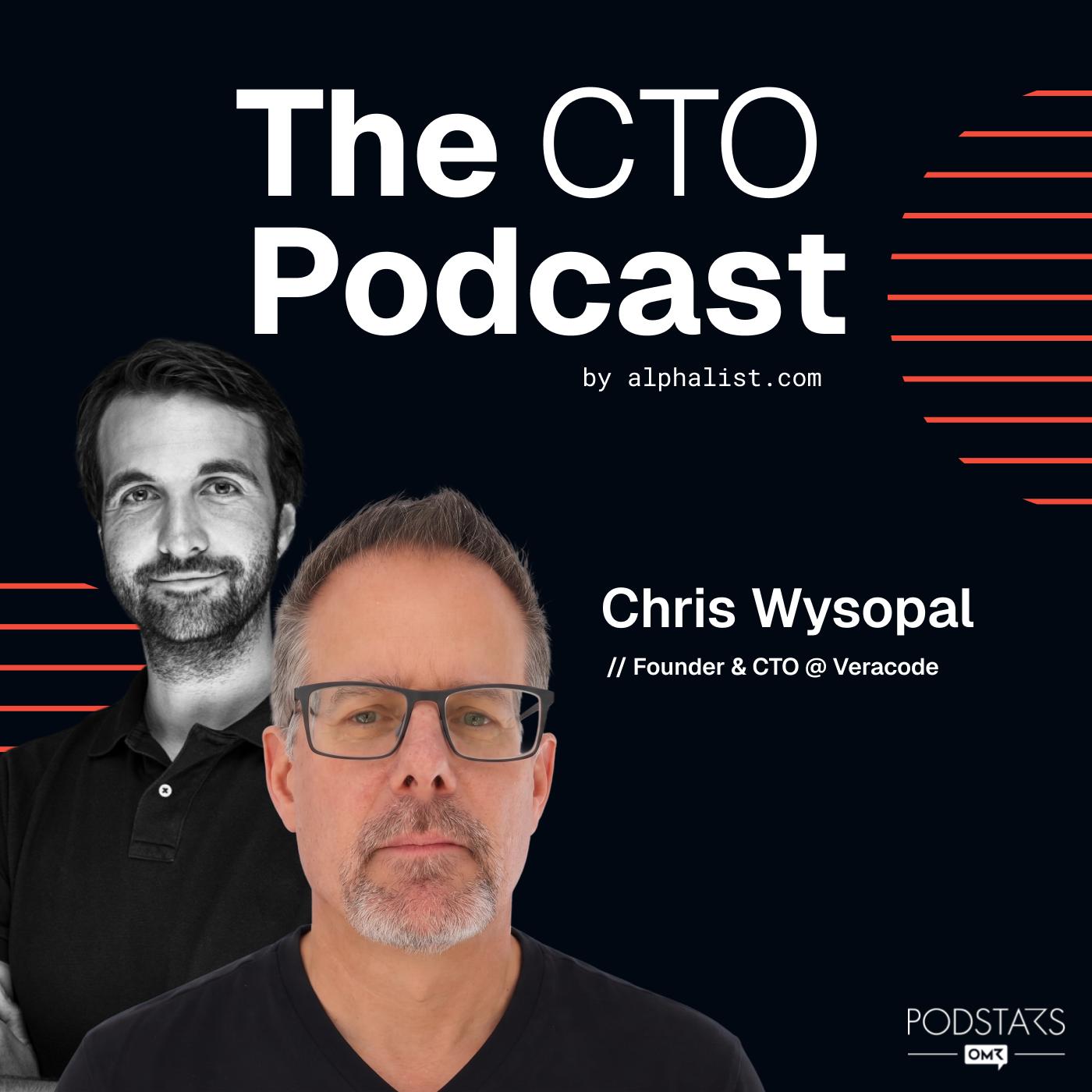
Nearly three decades after telling the US Senate the internet could be taken down in 30 minutes, the L0pht veteran explains why AI has made attack sophistication meaningless as a signal, and why the real fix is giving your models security intent before the code is written.
Chris Wysopal was one of the first hackers to go public. As "Weld Pond" at the L0pht hacker collective in Boston, he testified before the US Senate in 1998, where the group delivered the soundbite that they could take down the internet in 30 minutes. He also wrote the Windows version of Netcat. In 2006 he co-founded Veracode, which by his account has now analysed trillions of lines of code. Today he's the company's Chief Security Evangelist.
Tobi and Chris talk about what AI changes for attackers and defenders. Attacks are getting cheaper and faster, and a custom exploit no longer tells you a nation-state is behind it. Chris argues this follows a familiar cycle: attackers adopt a new class of tool first, defenders catch up, and parity returns. That only holds if defenders actually adopt the tools, especially underfunded organisations like hospitals, schools and utilities. They also cover the new attack surface created by agents, plugins and MCPs, why prompt injection may never be fully solvable, and how Chris would handle security debt when acquiring a small SaaS company.
CTOs will leave with a concrete shortlist: avoid memory-unsafe languages, put a package firewall in front of open source, run AI-assisted static analysis with real architectural context, and give coding agents explicit security intent rather than hoping "make it secure" does the job.
- From the L0pht and BBS culture to the professional security industry
- The BGP flaw behind "30 minutes to take down the internet"
- How AI changes the cost and speed of attacks
- Prompt injection, agents, MCPs and least privilege
- Security debt in B2B SaaS acquisitions
- Secure on first write: security intent, context and pre-merge testing
- How engineering and security roles change over the next two years
Anglais
États-Unis
TRANSCRIPTION 🔗
Are you the producer of this podcast?
Add a podcast transcript
Need Audio-to-Text?
Transcribe with Listen411 in Just 60 Seconds
RECHERCHER LES ÉPISODES PASSÉS
Rechercher les épisodes précédents de alphalist.CTO Podcast - For CTOs and Technical Leaders.
AUTRES ÉPISODES DANS CE PODCAST
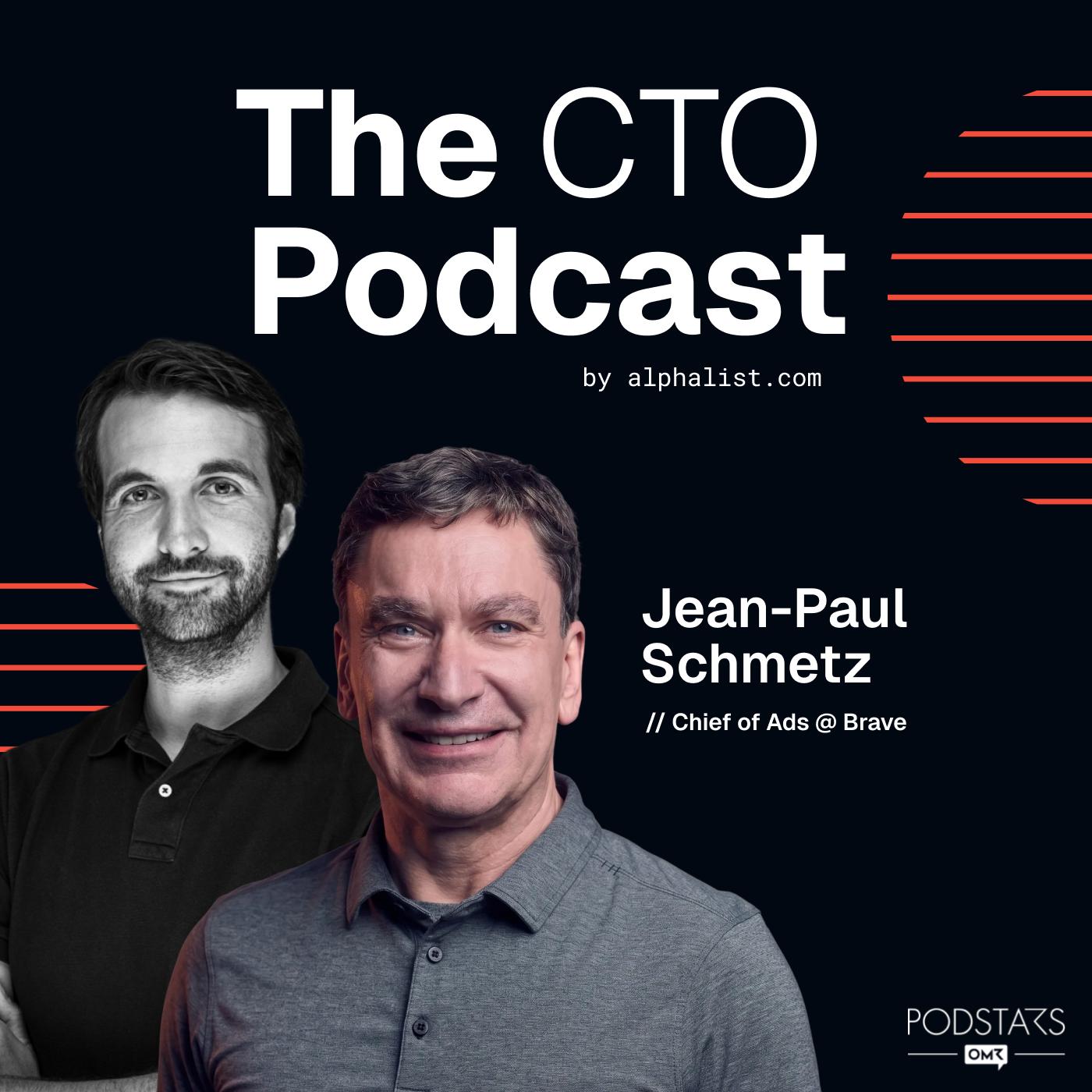
Thirty years building search infrastructure — and why the AI industry quietly depends on it.
SHOW NOTES
Jean-Paul Schmetz has been close to search infrastructure for nearly three decades — as founder of Clix, the European search engine that eventually became part of Brave, and now as Chief of Ads …
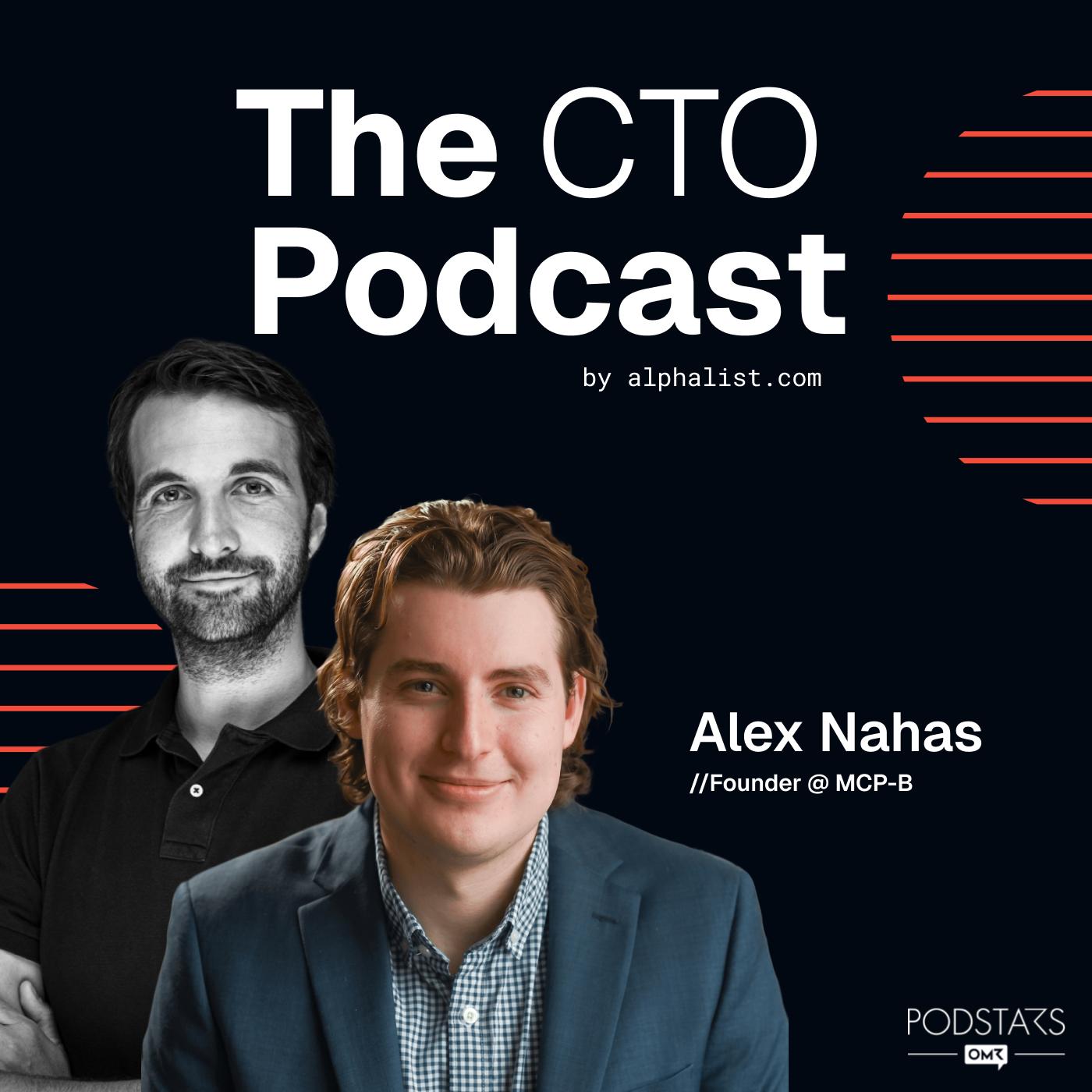
How a browser-based fix for an enterprise auth problem became a W3C web standard and what it means for how AI agents will interact with the web.
Alex Nahas, founder of MCP-B and initiator of the WebMCP web standard, joins Tobias to explore one of the most underappreciated shifts happening in AI: th…
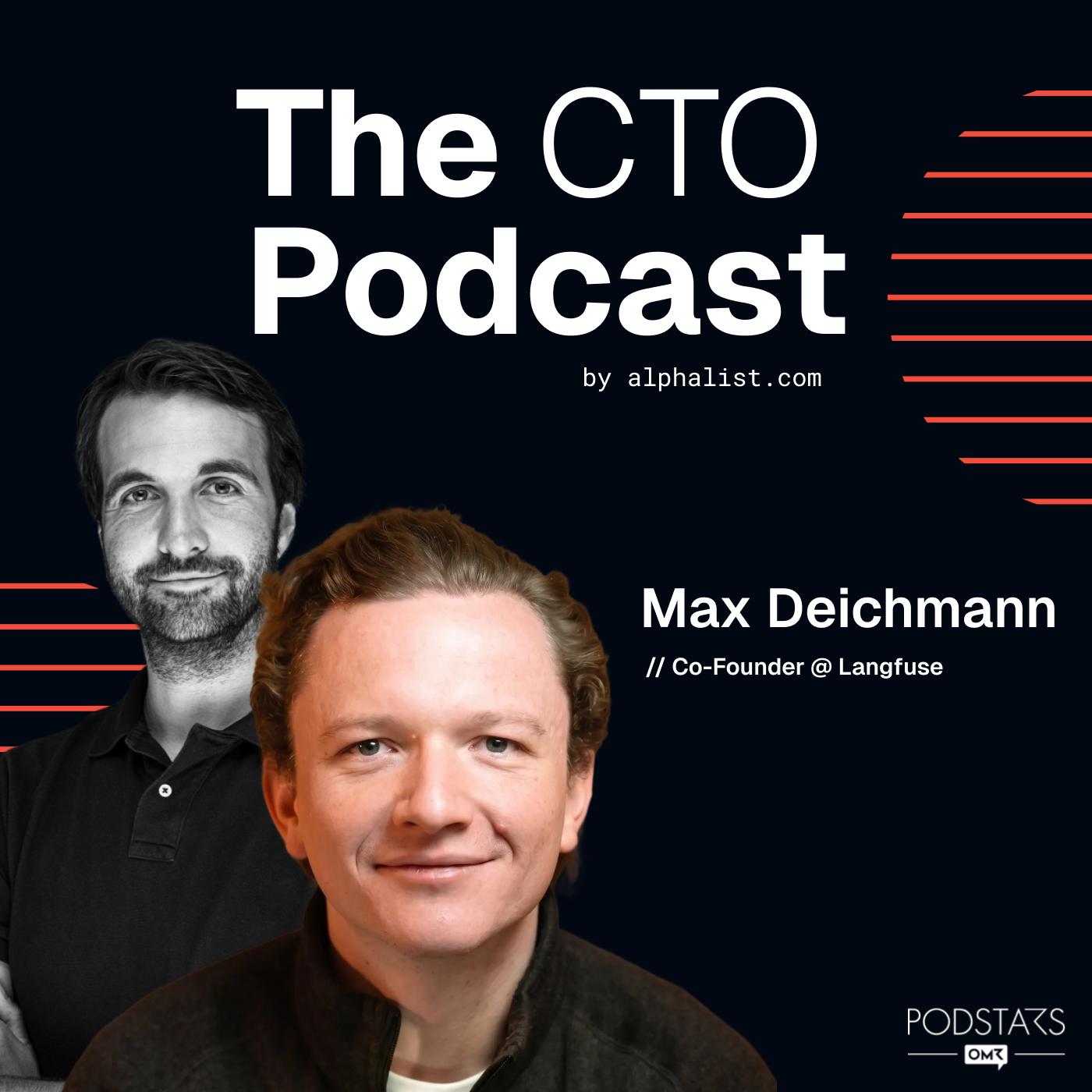
Max Deichmann built Langfuse — the open-source LLM engineering platform acquired by ClickHouse — and explains why the engineer of the future isn't writing code, they're reviewing what agents did overnight.
Max Deichmann didn't set out to build the observability layer for the AI era. He started with…
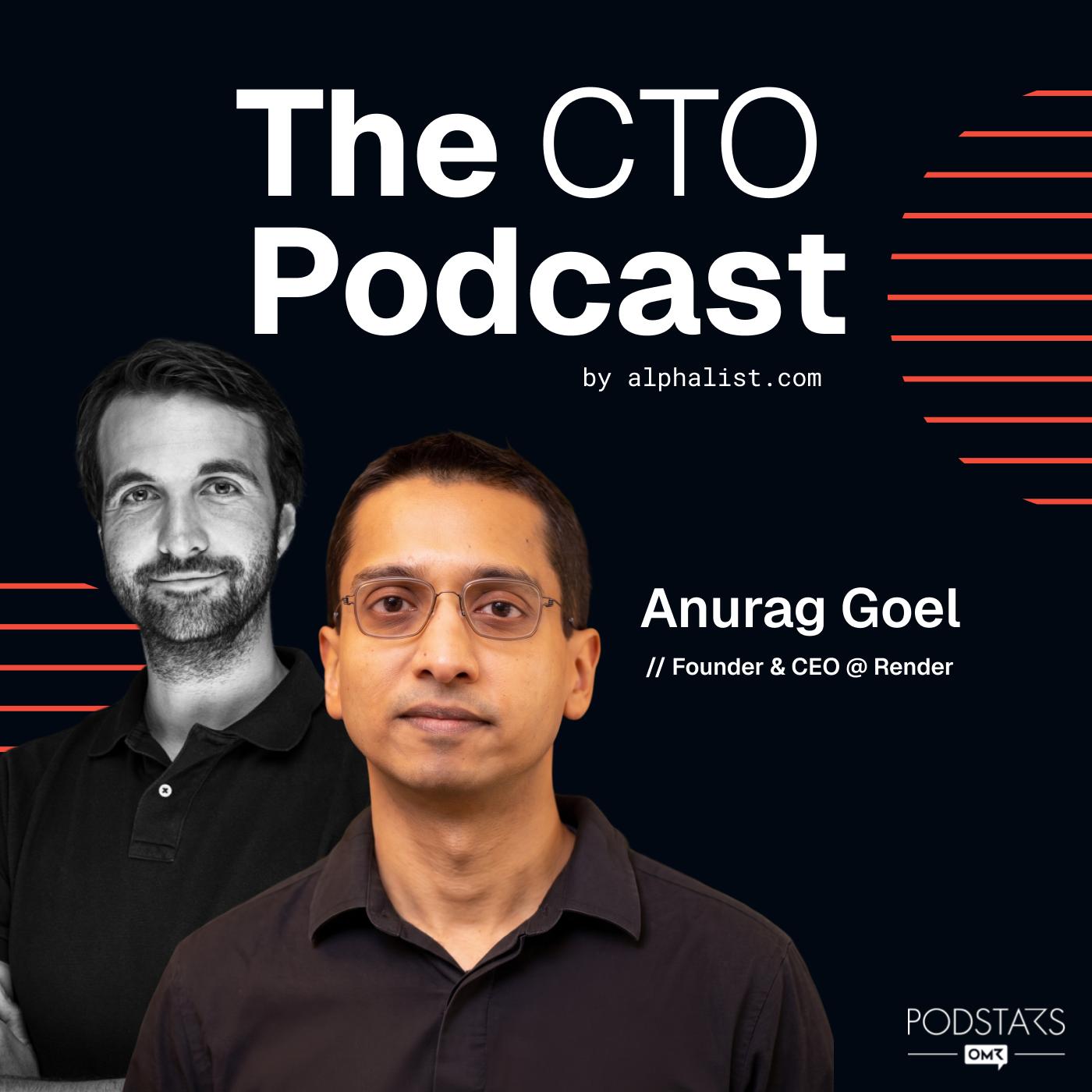
Anurag Goel was Stripe's fifth engineer before he built Render into a platform millions of developers deploy on. Here's his contrarian read on agents, security, and why "the AI cloud" is the wrong thing to be.
Show Notes
Anurag Goel joined Stripe as its fifth engineer in 2011 and later ran risk. H…
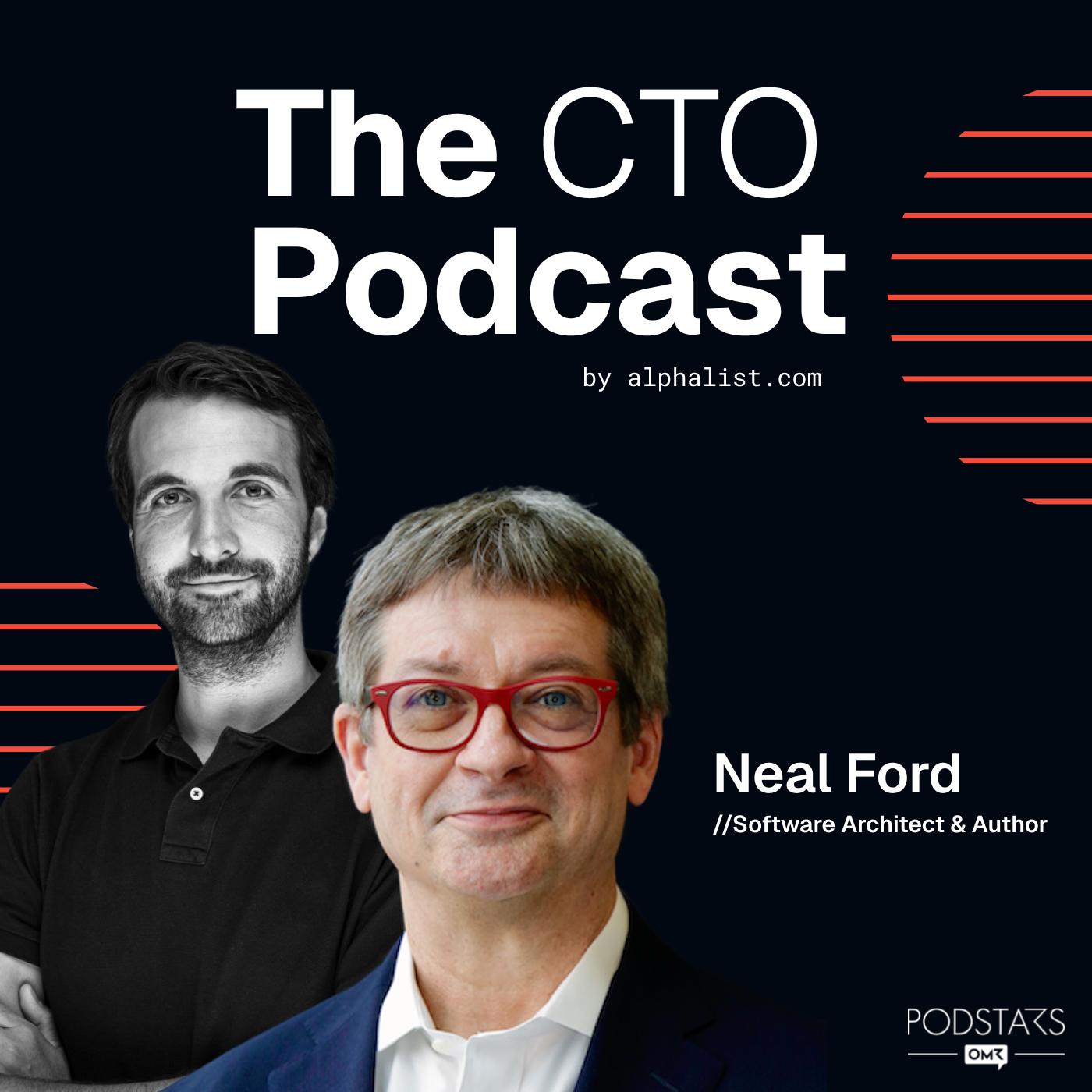
Fitness functions, agentic guardrails, and why experienced architects matter more than ever in the AI era
Show Notes:
Neal Ford has spent decades thinking about how software systems hold together over time. In this episode, Tobias sits down with Neal to ask the question nobody is asking loudly enou…
Avertissement: Le podcast et les illustrations intégrés sur cette page proviennent de Tobias Schlottke - alphalist CTO Podcast, qui est la propriété de son propriétaire et n'est ni affilié ni approuvé par Listen Notes, Inc.
MODIFIER
Merci de nous avoir aidé à tenir la base de données de podcasts à jour.
