

درباره این اپیزود

Frontline workers form the massive, beating heart of the global workforce, constituting up to 80% of all employees. But their enablement, experience, and upward mobility often remain quietly neglected. We sit down with J.D. Dillon, author of the upcoming Frontline Enablement Playbook, to dissect the persistent challenges these vital employees face and explore how organizations can better support and empower the often-overlooked deskless workforce.
We discuss why frontline managers are structurally trapped, JD breaks down a hierarchy of frontline worker needs, and shares more about the essential role of connection—over traditional training—and why genuinely understanding, not "othering," frontline experiences is key to meaningful change.
You will want to hear this episode if you are interested in...
Understanding the Structural Trap for Frontline Managers
Managers are often tasked with driving outcomes, hitting KPIs, retaining staff, and resolving customer complaints, but can be denied the resources or authority necessary to actually effect change. Everything in organizations is pushed through managers, but the visibility and empowerment of frontline managers is substantially less than that of their corporate peers, making both their influence and recognition of their struggles far more limited. This leads to a burned-out, under-supported middle layer that directly impacts both employee engagement and business performance.
Connection Over Content
Traditional strategies for improving frontline performance tend to default to more training or pressuring managers to be the catch-all for corporate initiatives. But this approach is not just incomplete—it may even be counterproductive. Instead of overloading managers with binders and leadership development modules, organizations should focus on fostering connection—especially enabling peer connections among frontline managers at different locations. Meaningful conversations, mentoring, and crowdsourced problem-solving trump content-driven learning. Managers, after all, best learn from each other’s lived realities, not generic directives.
The Hierarchy of Frontline Needs
At the core of Dillon’s framework is a hierarchy of needs for frontline workers:
Organizations often leap to culture-focused initiatives while neglecting the foundational layers. Without addressing pay, scheduling, and daily support first, those higher-order efforts rarely stick.
Tensions, Trade-offs, and Small-Scale Change
Frontline management must constantly navigate tensions such as being tasked with outcomes but denied the necessary authority, being pushed to develop staff but overwhelmed by daily operational issues, and being measured by metrics that don’t always reflect lived realities. JD believes...
We discuss why frontline managers are structurally trapped, JD breaks down a hierarchy of frontline worker needs, and shares more about the essential role of connection—over traditional training—and why genuinely understanding, not "othering," frontline experiences is key to meaningful change.
You will want to hear this episode if you are interested in...
- [00:00] How organizations support their managers
- [12:08] Understanding the frontline workforce
- [28:42] Improving employee retention strategies
- [36:39] Measuring impact on frontline work
- [40:33] Inviting in frontline employee feedback
- [48:40] Challenges faced by frontline managers
- [52:10] Supporting new managers effectively
- [57:07] AI tools for frontline employees
Understanding the Structural Trap for Frontline Managers
Managers are often tasked with driving outcomes, hitting KPIs, retaining staff, and resolving customer complaints, but can be denied the resources or authority necessary to actually effect change. Everything in organizations is pushed through managers, but the visibility and empowerment of frontline managers is substantially less than that of their corporate peers, making both their influence and recognition of their struggles far more limited. This leads to a burned-out, under-supported middle layer that directly impacts both employee engagement and business performance.
Connection Over Content
Traditional strategies for improving frontline performance tend to default to more training or pressuring managers to be the catch-all for corporate initiatives. But this approach is not just incomplete—it may even be counterproductive. Instead of overloading managers with binders and leadership development modules, organizations should focus on fostering connection—especially enabling peer connections among frontline managers at different locations. Meaningful conversations, mentoring, and crowdsourced problem-solving trump content-driven learning. Managers, after all, best learn from each other’s lived realities, not generic directives.
The Hierarchy of Frontline Needs
At the core of Dillon’s framework is a hierarchy of needs for frontline workers:
- Livelihood – The basic requirement: fair pay and benefits, recognizing that for many, work is first and foremost about economic necessity.
- Stability – Reliable schedules, clear policies, and the ability to plan life around work.
- Community – A sense of belonging and connection with coworkers; the knowledge that one’s immediate work environment isn’t built around corporate KPIs, but relationships.
- Culture and Purpose – The “top” of the pyramid: tying individual roles to broader organizational purpose and values.
Organizations often leap to culture-focused initiatives while neglecting the foundational layers. Without addressing pay, scheduling, and daily support first, those higher-order efforts rarely stick.
Tensions, Trade-offs, and Small-Scale Change
Frontline management must constantly navigate tensions such as being tasked with outcomes but denied the necessary authority, being pushed to develop staff but overwhelmed by daily operational issues, and being measured by metrics that don’t always reflect lived realities. JD believes...
انگلیسی
ایالات متحده آمریکا
محتوای صریح
در این اپیزود
رونوشت 🔗
Are you the producer of this podcast?
Add a podcast transcript
Need Audio-to-Text?
Transcribe with Listen411 in Just 60 Seconds
جستجوی اپیزودهای گذشته
اپیزودهای قبلی Workplace Stories by RedThread Research را جستجو کن.
قسمت های دیگر در این پادکست
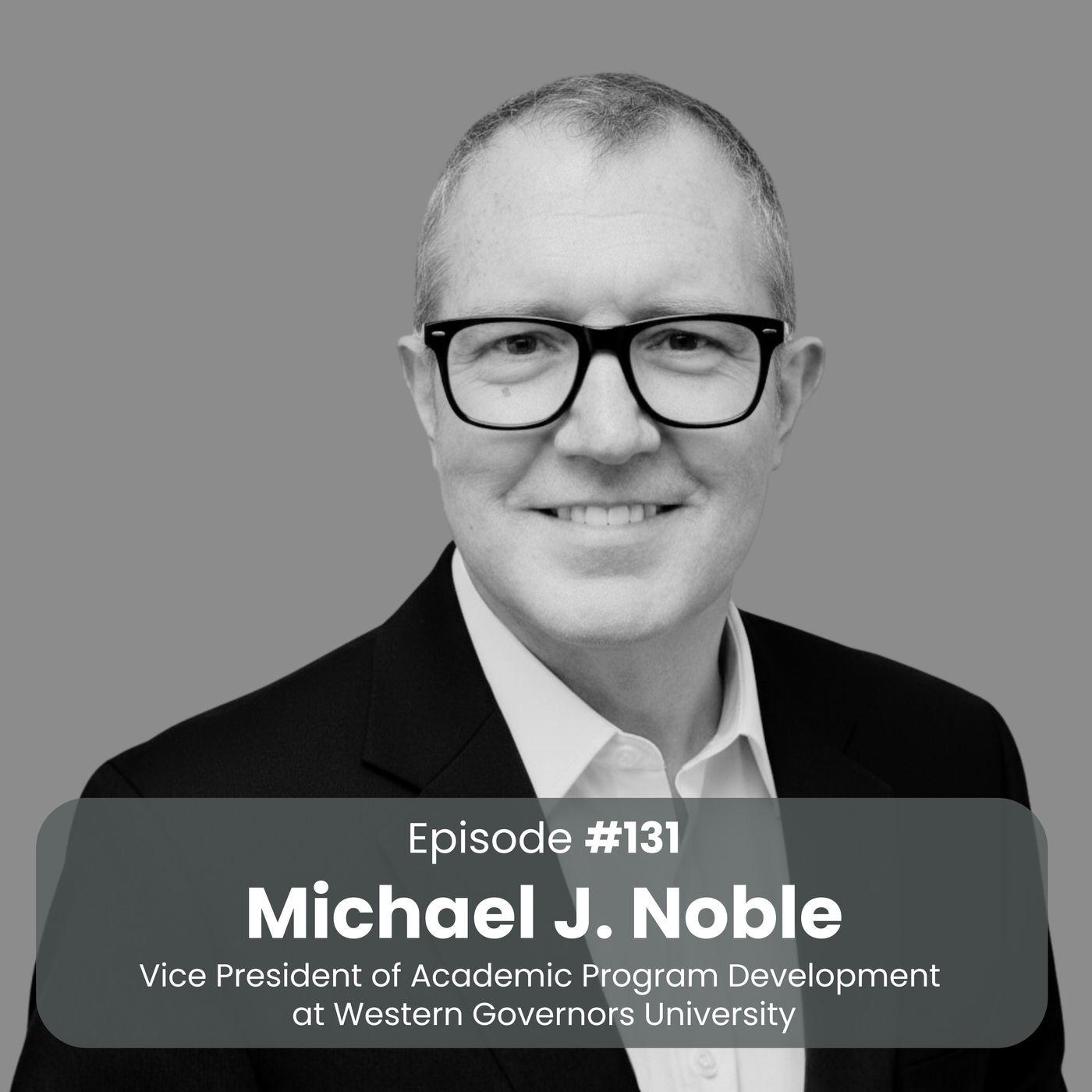
Artificial intelligence is transforming not just our workplaces, but the very nature of education and professional development. Our guest this week, Michael Noble, Vice President of Academic Program Development at Western Governors University (WGU), shares his views on how higher education can rise…

Organizational change is now a constant rather than a phase. Few stories illustrate this better than Hearst Networks’ journey, as shared by Dean Possenniskie, CEO, and Lucy King, Chief People Officer, on this episode of Workplace Stories. Moving from a legacy cable business into a diversified, high…

Learning and Development (L&D) is at a crossroads. As artificial intelligence (AI) accelerates changes in the workplace, L&D’s traditional stronghold—the creation and curation of content—is rapidly losing its strategic value. In this episode, I discuss the rapidly evolving intersection of A…
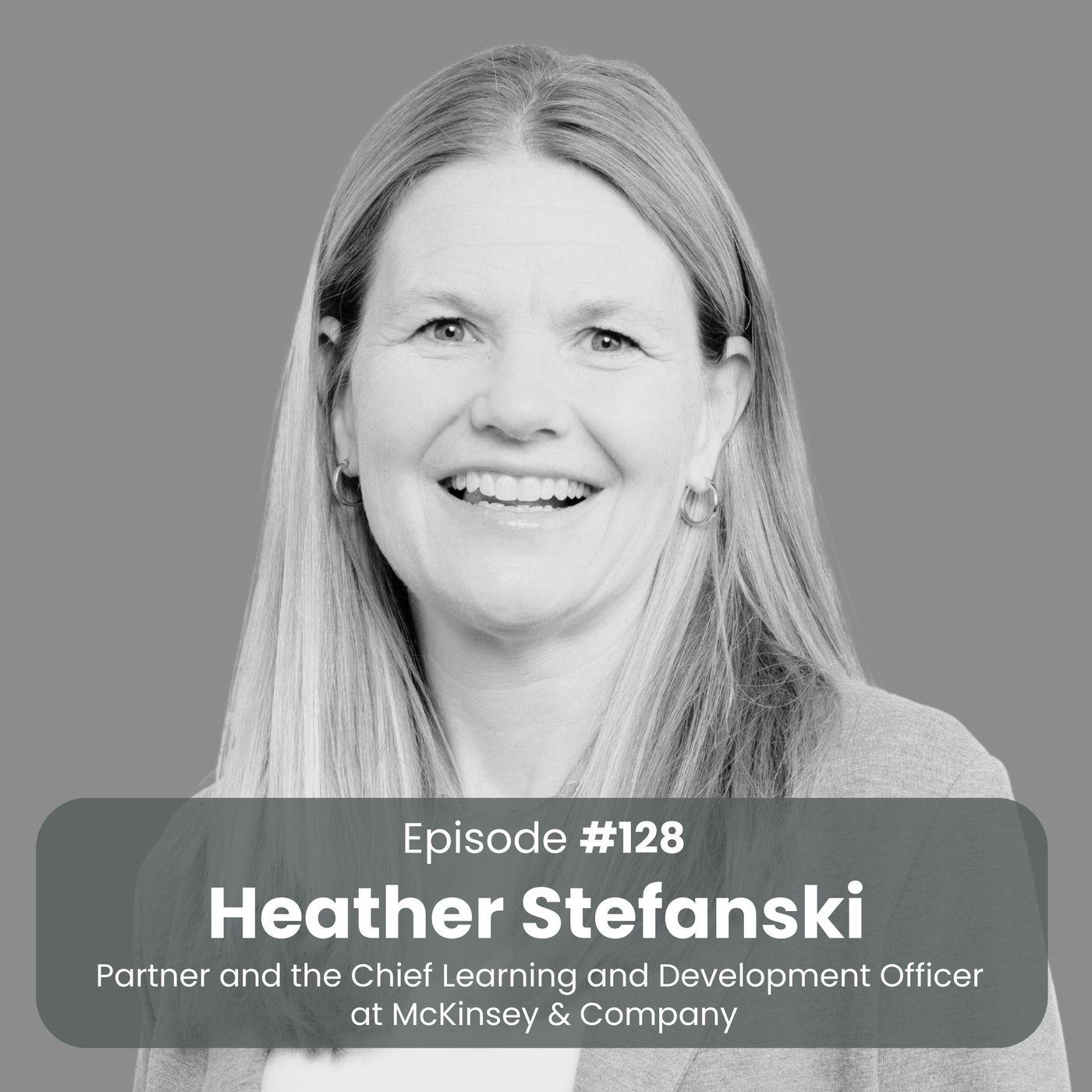
This week on the podcast, we welcome Heather Stefanski, Chief Learning and Development Officer at McKinsey & Company. We explore how organizations like McKinsey are reimagining employee development for the age of AI, shifting learning into the flow of work, focusing on systems and purposeful ap…
سلب مسئولیت: پادکست و آثار هنری تعبیه شده در این صفحه متعلق به Stacia Garr & Dani Johnson است که متعلق به صاحب آن است و به Listen Notes، Inc وابسته یا تایید نشده است.
ویرایش
از کمک شما برای بروز نگهداشتن پایگاهدادههای پادکست سپاسگزاریم
