

درباره این اپیزود
Visit https://dharmalicious.substack.com to join the newsletter and receive Paul's additional content.
One of the things I love most about being a dad is getting to share in the joy my eight-year-old son finds in simple pleasures. Small achievements. Imagined adventures. New discoveries. Lightbulb moments. Dots connected.
It’s a real tonic.
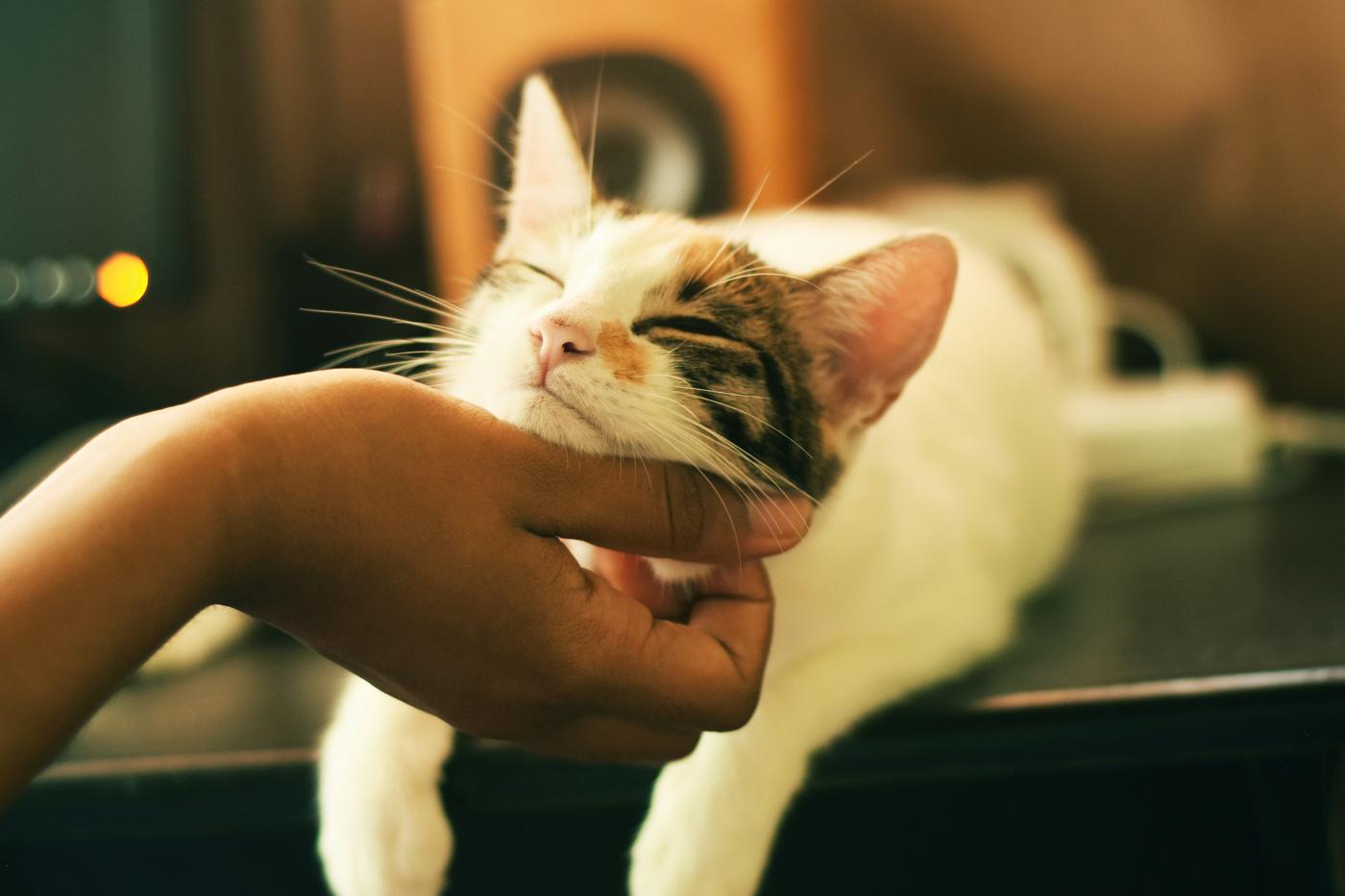
The other day, he finally got to stroke our cat, Sheldon, who for years would always have bolted for the cat flap, due to lingering memories of being chased by a hyper, toddler-shaped version of this boy. But not now. Now, sufficient trust has been kindled to allow for a tentative connection to be made.
For my son, this was a personal breakthrough that carried the joy-magnitude of many birthdays and Christmases arriving at once. And had it not been for his determination to remain calm and gentle with his touch, he’d have been doing cartwheels down the hall.
It doesn’t really matter what kind of a day I’ve been having. Seeing him light up from a small win gets me every time.
I’m happy that he’s happy.
The Joy That’s Already Here
The lesson that my son’s happiness is so often a natural trigger of my own happiness invites me to consider, ‘where else in life can I delight in the joy already happening around me?’
This has become an important aspect of my spiritual path.
Prior to fatherhood, I’d unknowingly assumed a very narrow and inwardly pointed view on happiness. My measure started and ended with, “What’s going on for me in my life right now?”
That’s not to say that when others shared their good news with me, I didn’t express happiness for them. I did. But it was more out of good manners—a polite courtesy—than it was about joining them in their joy.
In fact, I could be quite resentful and jealous of those I considered to be doing better than me in the happiness stakes. It’s uncomfortable to admit that, but that’s how it could be. I carried this bizarre (but apparently not uncommon) notion that as others increased their level of success and happiness, it somehow meant there would be less available for me.
But luckily, thanks to my son—and my Buddhist practice—I’m now able to see just how much unnecessary suffering that caused.
Not only have I learned that there is no limit to how much joy and happiness the world can handle, there is also no shortage of opportunity to share in the joy that’s available all around.
As the Vietnamese Zen Master, Thich Nhat Hanh, said, “Happiness is available, please help yourself to it.”
More Than Just A ‘Nice’ Thing To Do
In Buddhism, this quality of taking delight in the happiness or good fortune of others is called ‘Sympathetic Joy’ (Mudita, in Pali).
It is one of the Brahmaviharas—or ‘Four Immeasurables’—along with Lovingkindness, Compassion, and Equanimity. These are four beautiful, boundless qualities of the heart and mind that, when practised, support us on the path to awakening and freedom from suffering.
Sympathetic joy is not merely a “nicer” way of relating to others; it’s a necessary condition for personal freedom.
It inoculates us against the mind’s deeply held tendency for comparison—one of the most potent causes of human suffering. When our hearts are filled with joy for each other, we soften around our clinging and identification to egoic notions of superiority or inferiority.
Sympathetic joy gives rise to a natural sense of abundance that squeezes out the need for competitiveness, craving, envy, or ill-will. As we delight in the virtues and fortunes of others, imagined hierarchies dissolve and, in that moment, we become equal—bringing us closer to the truth of our togetherness in this common circumstance of humanity.
dharma⌁licious is a reader-supported publication. To receive new posts and support my work, consider becoming a free or paid subscriber.
Sympathetic joy is also an important balancing agent for our compassion. Minds that are awake don’t turn away from the suffering of the world—they meet it as it is with understanding, love, and care. Remembering that it’s equally important to acknowledge and celebrate the joy of the world helps us to not collapse under the weight of its suffering.
Practising Sympathetic Joy
When we look around, there are endless opportunities to take delight in the happiness and good fortune of others.
* A colleague’s success at work
* A person’s triumph through adversity
* Seeing a person emotionally moved by a thoughtful gift
* Observing friends laughing and savouring each other’s company
* A child marvelling at a tiny bug crawling up their forearm
But what if there doesn’t appear to be any obvious signs of joy or good fortune happening around us? No problem. We can always contemplate the simple truth that, right now, all around the world, there are countless people who are experiencing the circumstances that bring them true happiness.
Right now, untold numbers are finding themselves on the receiving end of incredible acts of kindness and generosity that’s making a positive and meaningful difference to their lives.
How many people, in this very moment, are hugging, laughing, celebrating, falling in love, or maybe collapsing into relief, having been told their cancer is gone?
What might it feel like to pause, breathe, and allow their joy to land in your body?
What might that do for your own contentment and wellbeing?
What might it do to the trajectory of your day?
With the busyness and distractions of everyday life, it is easy for us to miss these moments of opportunity.
It can sometimes feel as though the only thing happening in the world is the drama of our own thoughts and circumstances.
Can you relate?
Sympathetic joy is an intentional practice that invites us to pause more regularly, settle back, let go of our own tensions for a moment, and really connect with the inner happiness of others.
The key is to do this in a genuine, heartfelt, and unconditional way—not to be looking for any form of reciprocation or recognition. The feeling is its own reward.
But it is a practice, just like any other. Please don’t be discouraged if it feels difficult or you forget. It’s not about being perfect.
As always, a great approach is ‘short moments, many times’.
While we don’t need a reason to practice this, it is a particularly healthy thing to do anytime we catch ourselves experiencing the opposite of sympathetic joy—namely resentment, envy, jealousy, or ill-will.
Rather than resenting someone for winning the opportunity you wanted for yourself, can you soften, reflect on their good fortune, and wish them well?
When others around you are carefree and having a wonderful time, while you’re knee-deep in stress and struggle, can you invite some gratitude for their sense of ease and enjoyment?
Our capacity for sympathetic joy tells us that happiness can never be a finite commodity. It is, and always will be, endlessly expansive and liberating.
When their joy becomes your joy, it’s two for the price of one.
So, if you find yourself running low on happiness today, please remember you can always borrow some from someone else!
Be well, please take really great care of yourself.
Paul 🙏
Get full access to dharma⌁licious at dharmalicious.substack.com/subscribe