
درباره این پادکست 🔗
Welcome to Defense Disrupted, a podcast exploring how technology is transforming the future of defense operations. As the CEO of TurbineOne, I’m excited to bring together defense leaders, innovators, and practitioners who are leveraging cutting-edge solutions on the frontlines.
Through conversations with military professionals, technology experts, and implementation specialists, we’ll explore practical insights about deploying machine learning at the edge, emerging trends in field operations, and success stories from those accelerating threat recognition.
Thank you for joining us as we explore the intersection of technology and national security!
میزبانها:
فرکانس به روز رسانی:
every 20 days
میانگین طول صدا:
39 minutes
مصاحبه های مهمان
انگلیسی
ایالات متحده آمریکا
27 قسمت
از سال 5 مه 2025
episodic
آخرین اپیزود 🔗

The most effective way to prevent a Taiwan conflict is to convince Beijing an invasion would fail outright. Zack Cooper calls this deterrence by denial: sink enough amphibious ships that the operation stalls, avoiding the escalation risk of striking the Chinese mainland.
Zack, a senior fellow at th…
جستجوی اپیزودهای گذشته
اپیزودهای قبلی Defense Disrupted را جستجو کن.
اپیزود قبلی 🔗

A deterministic system keeps someone alive 60 percent of the time. A probabilistic one manages 80 percent but cannot explain why. Matt Amacker, Chief Technology Officer and Co-Founder of TurbineOne, argues the higher moral good is measured in lives, even though we refuse to trust the system we cann…
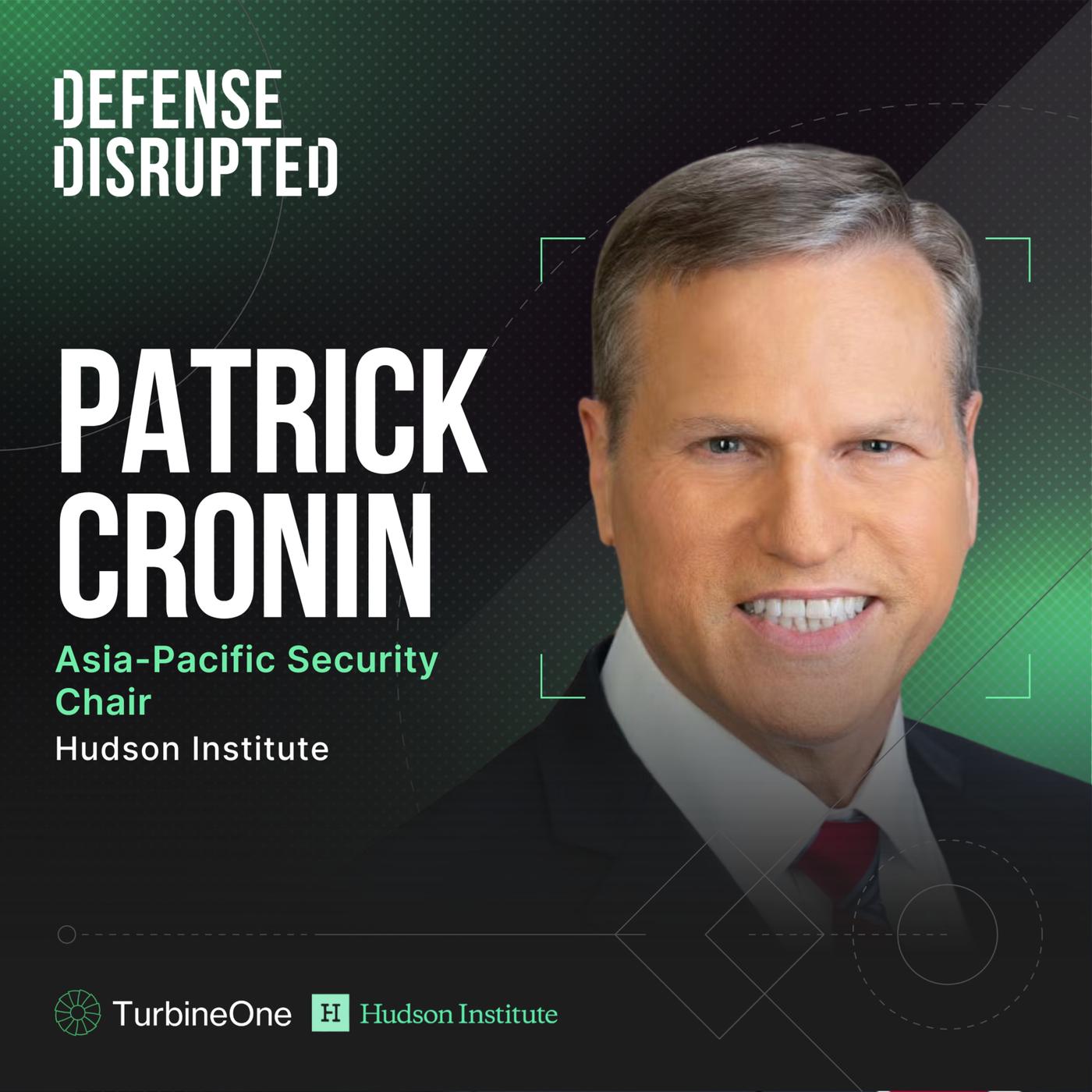
Patrick Cronin, Asia-Pacific Security Chair and Senior Fellow at the Hudson Institute, tells Ian Kalin that industrial endurance is deterrence and the US is falling short. The US commissioned 24 Essex-class carriers in the last 15 months of WWII. Today, it can't produce cheap expendable drones at t…
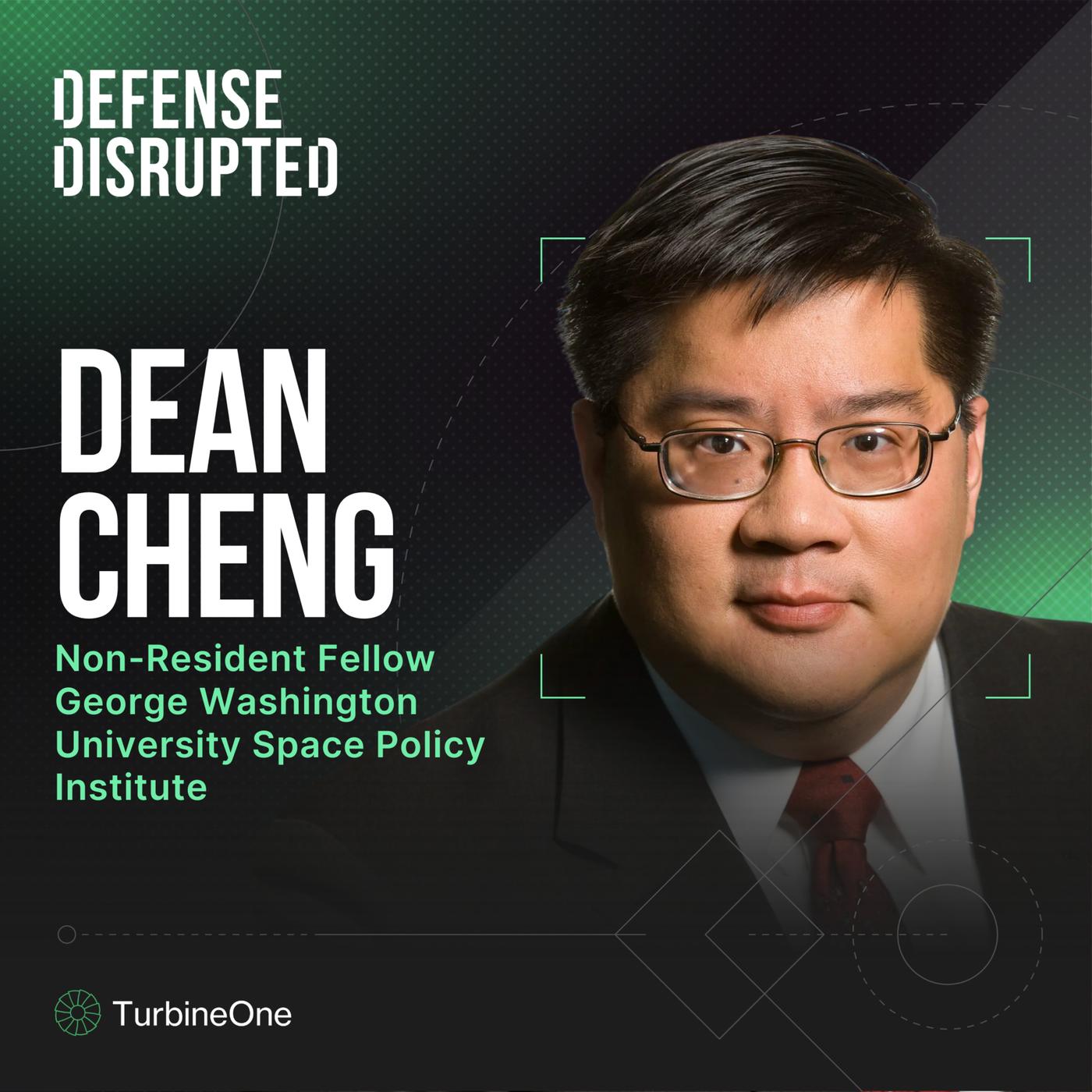
Every war the U.S. has fought since Korea, no American servicemember has had to wonder if they were being watched from space. Dean Cheng, one of fewer than two dozen analysts outside the U.S. government who reads Chinese primary sources on the PLA space program, tells Ian that era ends in any confl…
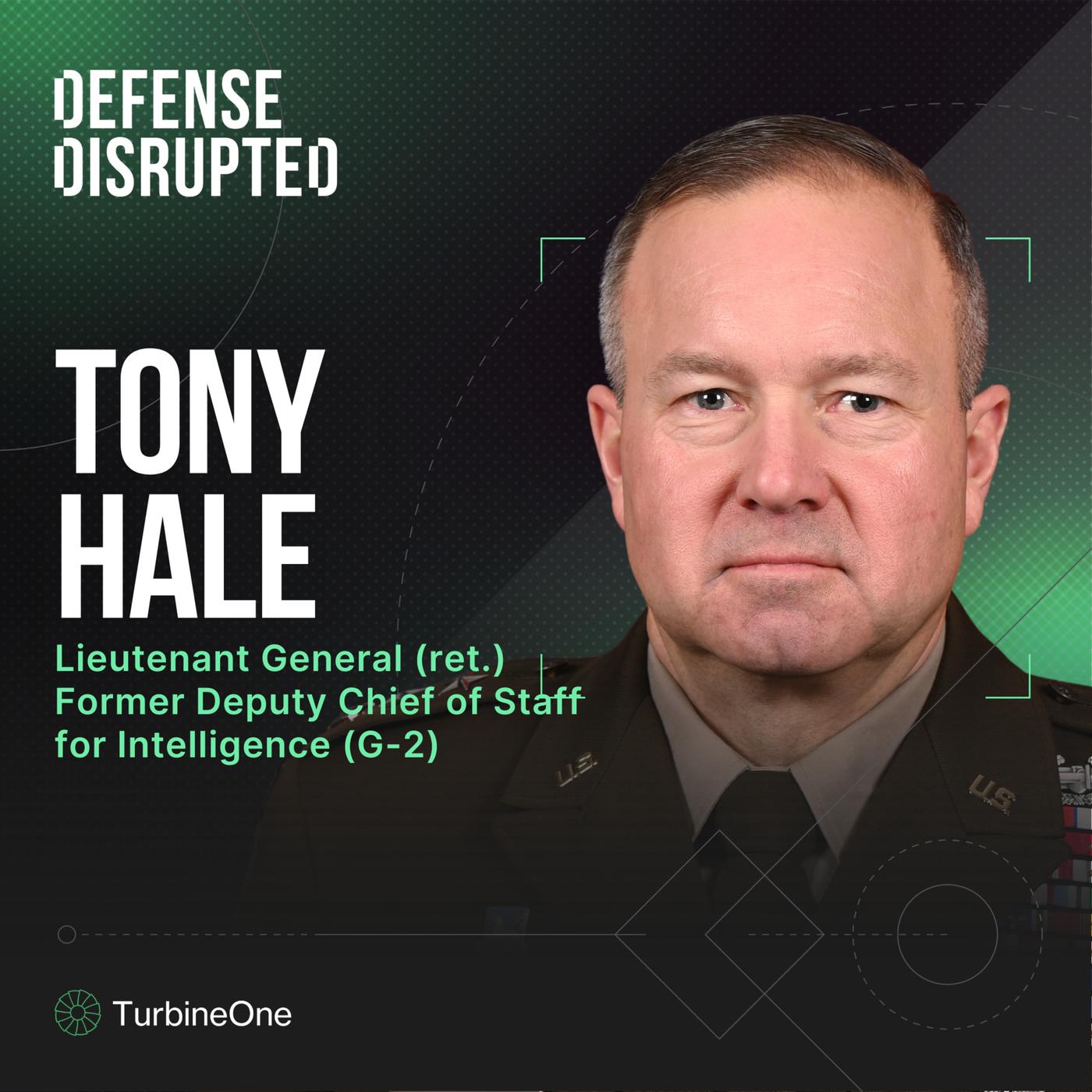
When retired Lieutenant General Tony Hale, former Deputy Chief of Staff for Intelligence (G-2) of the United States Army, took over as the Army's G-2, the intelligence community's flagship system was sitting in a box in the corner of TOCs because it took eight or nine hours to set up. His 45-day as…
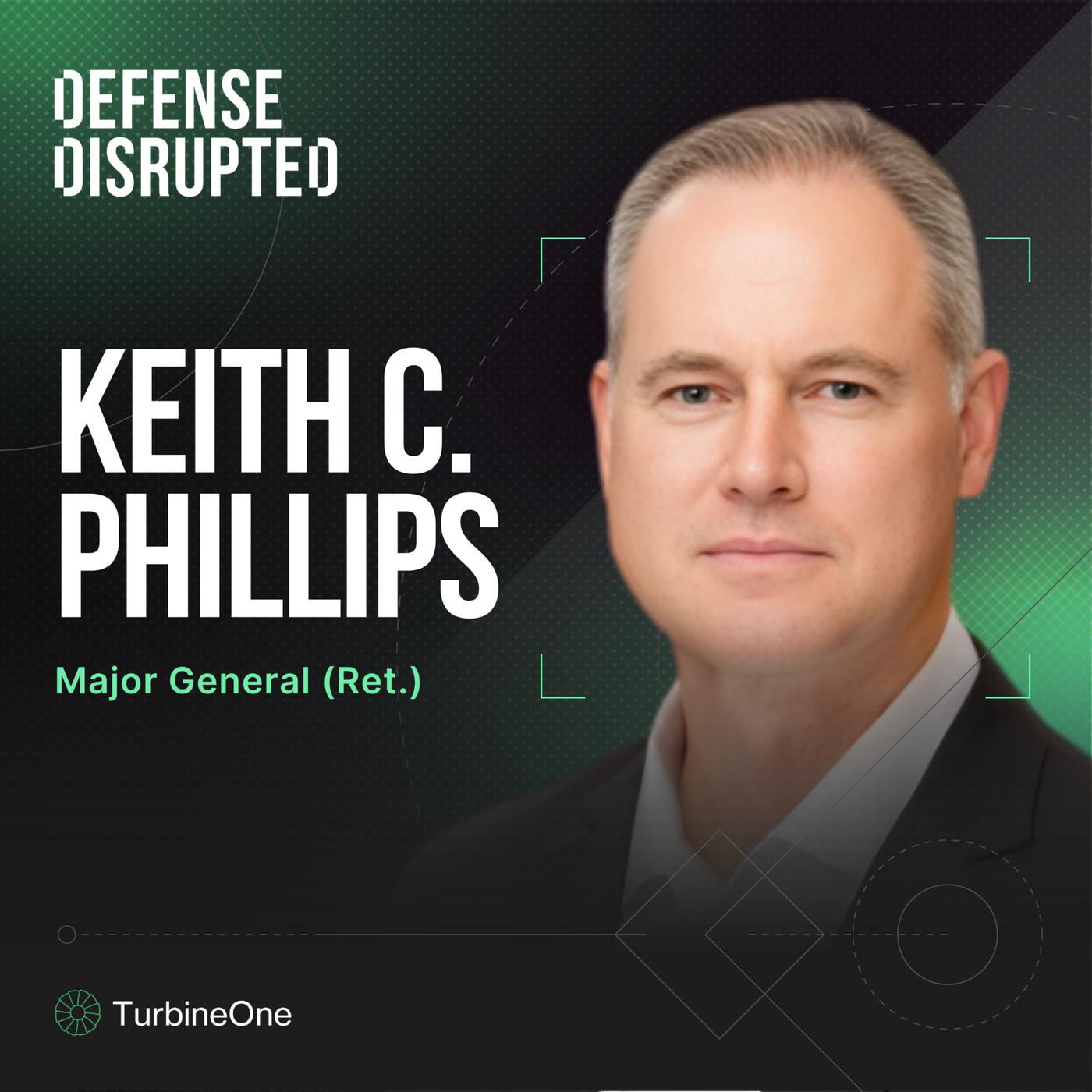
Keith C. Phillips, Major General (ret.), makes a sharp distinction: existential threat, not necessity, is what actually drives defense innovation. He uses Ukraine to prove it: Cold-War-era STEM depth, civil society capital, and 155mm expenditure rates not seen since World War II created conditions …
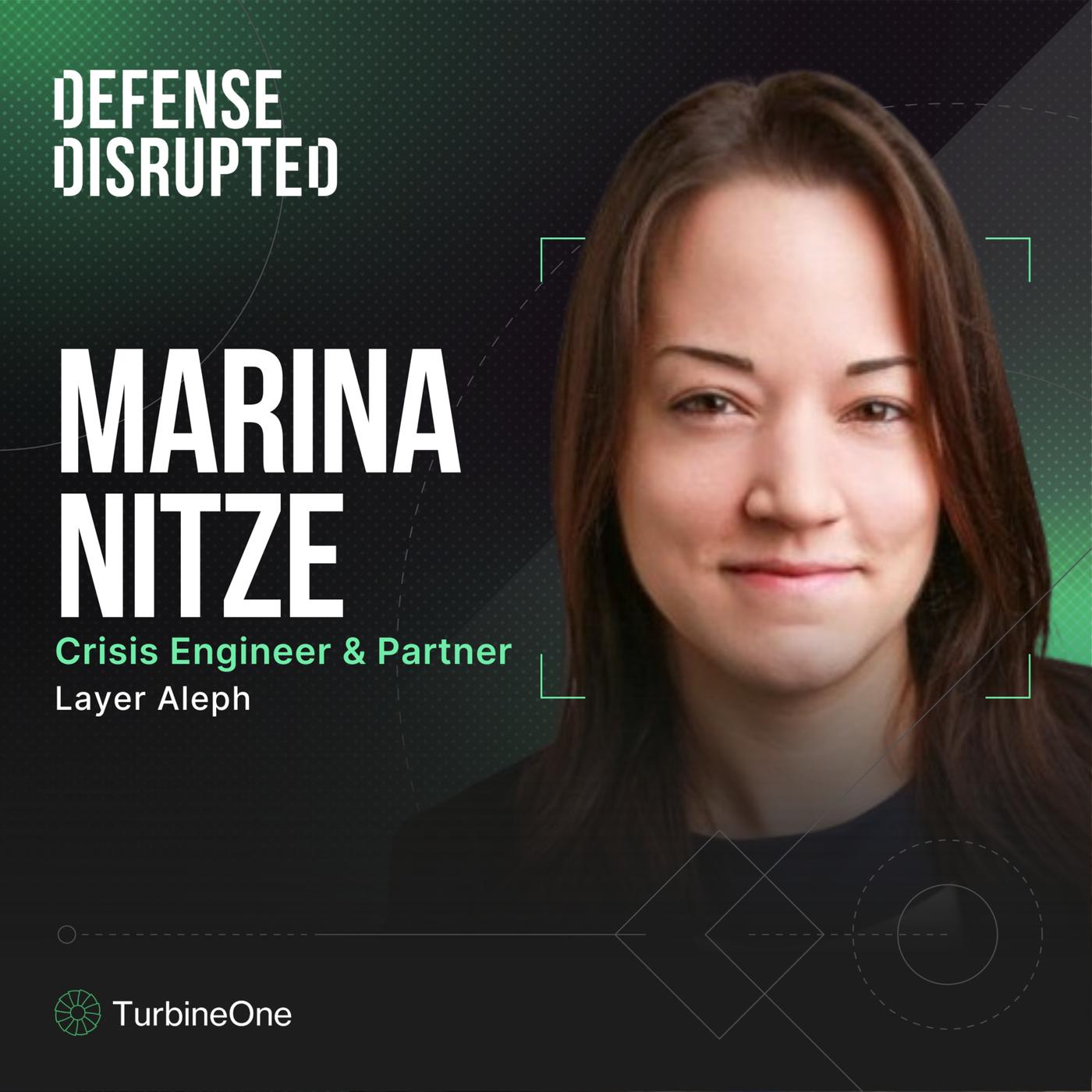
Every defense leader knows the feeling: the capability exists, the need is real, and the system won't move. Marina Nitze spent years inside the federal government — first as one of the original Presidential Innovation Fellows, then as Crisis Engineer & Partner at Layer Aleph — learning why that…
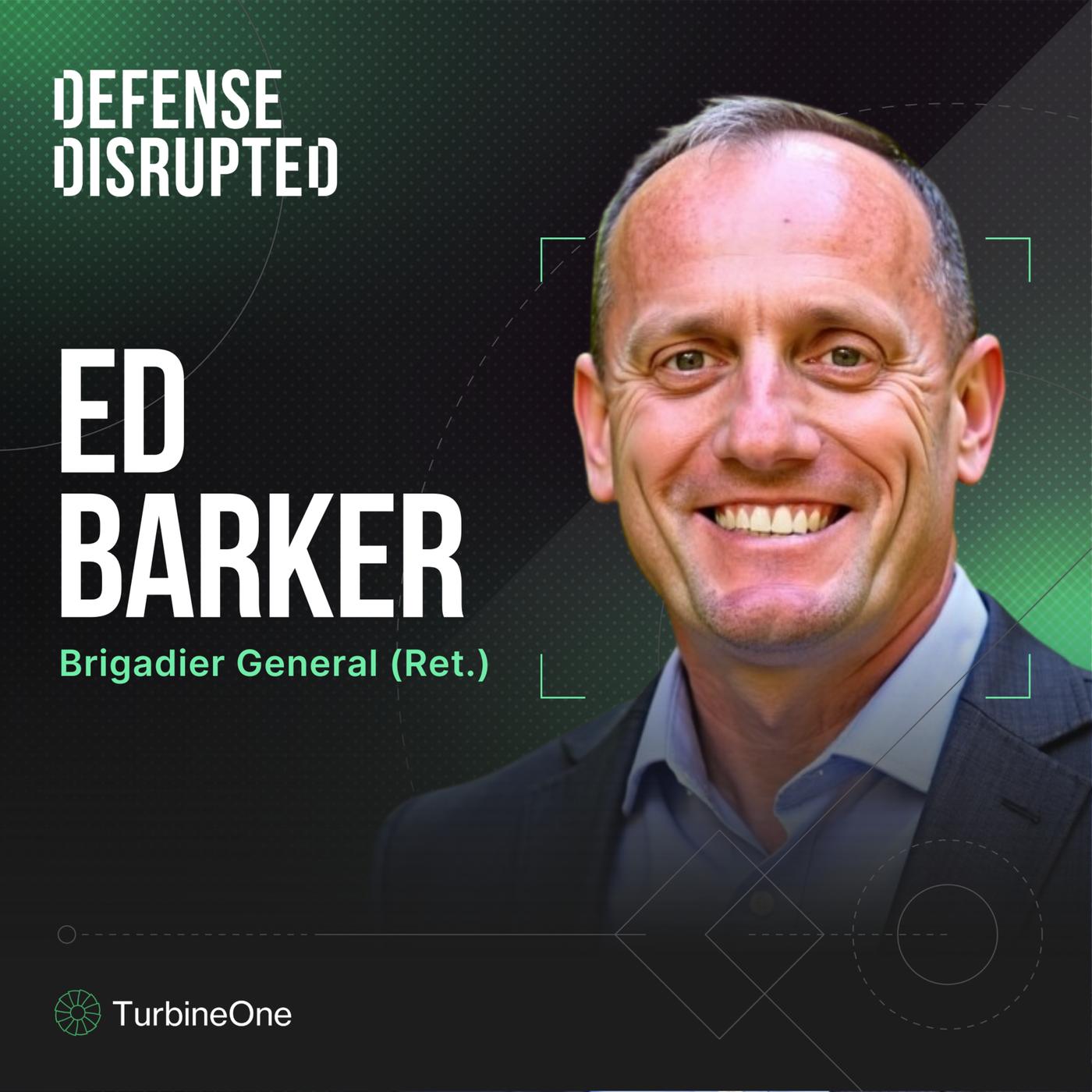
Ed Barker, Brigadier General (ret.), spent 34 years inside the Army acquisition system, including special operations units where mission failure wasn't an option and "no" was the beginning of the conversation, not the end. That environment forced him to know the rulebook well enough to se…
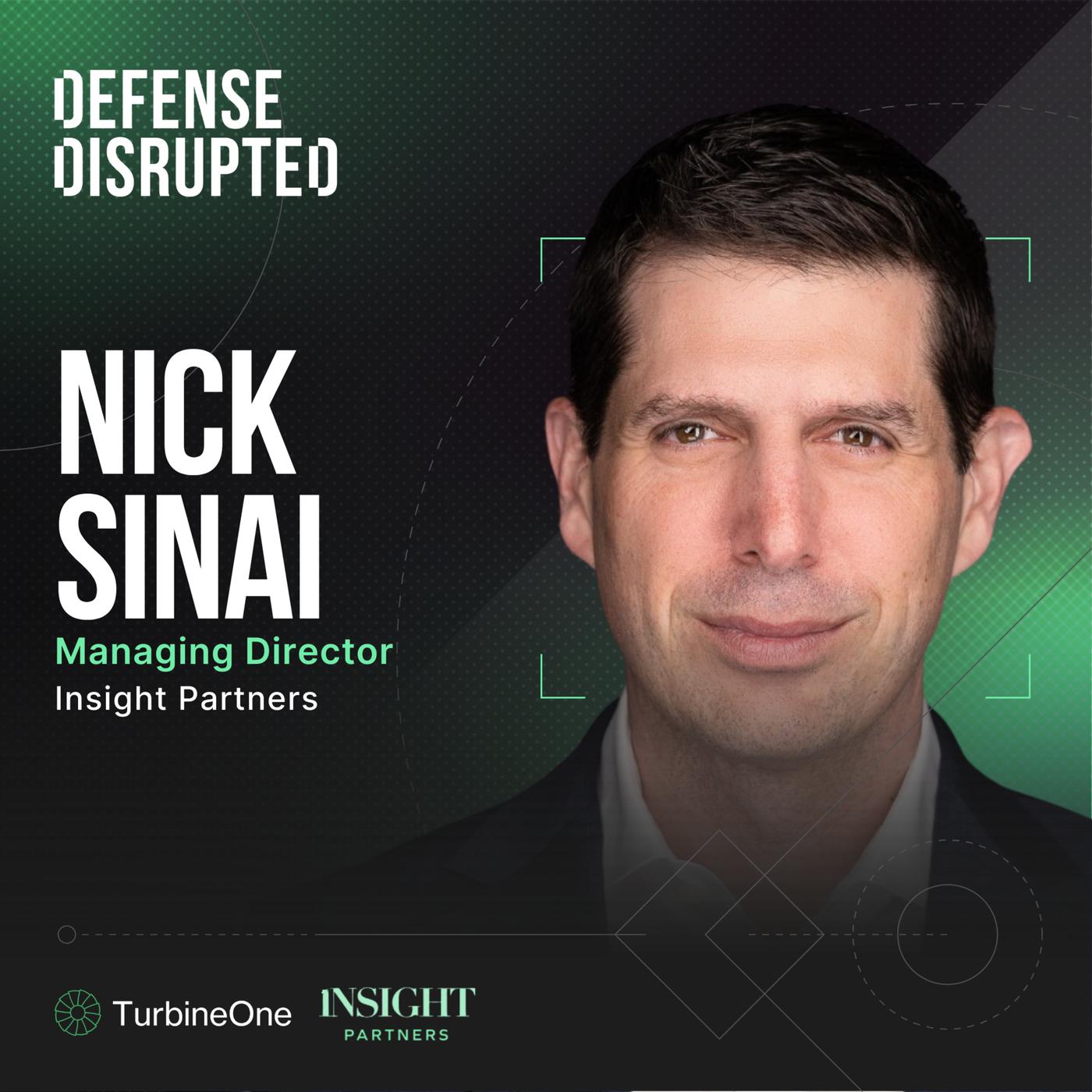
Nick Sinai, Managing Director at Insight Partners, spent nearly 6 years inside the Obama administration, helping stand up the Presidential Innovation Fellows program, and keeping notes on why high-profile tech talent from major firms kept failing to change government from the inside. His core obser…
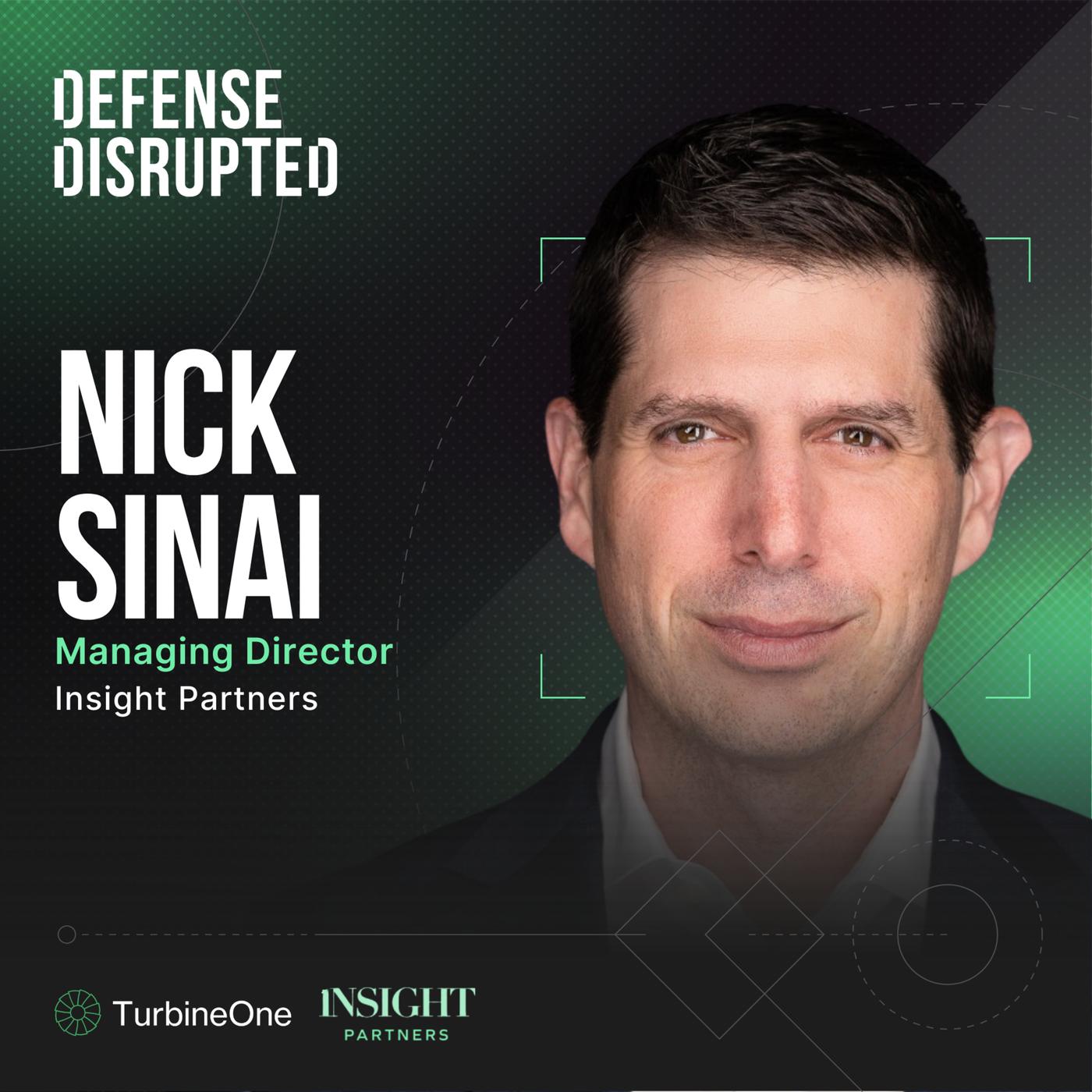
Nick Sinai, Managing Director at Insight Partners, spent nearly 6 years inside the Obama administration, helping stand up the Presidential Innovation Fellows program, and keeping notes on why high-profile tech talent from major firms kept failing to change government from the inside. His core obser…
سلب مسئولیت: پادکست و آثار هنری تعبیه شده در این صفحه متعلق به DefenseDisrupted است که متعلق به صاحب آن است و به Listen Notes، Inc وابسته یا تایید نشده است.
موتور جستجوی پادکست
می توانید از وب سایت ما برای جستجوی پادکست های3,827,930و قسمت های196,318,180بر اساس افراد، مکان ها یا موضوعات استفاده کنید.

سرمایهگذاری روی دانش بیشترین بازده را دارد؛ پس پادکست گوش میدهم.
‐ Benjamin "Llamacorn" Franklin
جستجوی اپیزودهای گذشته
اپیزودهای قبلی Defense Disrupted را جستجو کن.
مدعی این پادکست شوید
Why to claim podcasts?
If you are a podcaster, the best way to manage your podcasts on Listen Notes is by claiming your Listen Notes
podcast pages.
It is a great, free way to engage the podcast community and increase the visibility of your podcasts.
After claiming your Listen Notes podcast pages, you will be able to:
✓
Manually refresh the RSS feed to sync up
✓
Get a verified badge (
✓
) alongside with your podcast name on Listen Notes
✓
Post آگهیهای طبقهبندیشده for sponsorship,
guests, co-hosts,
cross-promotion...
✓
Respond to listener comments on Listen Notes
✓
Use speech-to-text techniques to transcribe your show and
edit transcripts
✓
Improve the presence of your podcasts, e.g., self-service
مصاحبه با پادکستر...
✓
If you share your Listen Notes page and at-mention @ListenNotes
on X (formerly Twitter),
حساب رسمی X ما (که قبلاً Twitter بود) will retweet to promote
your show to our followers.
Coming soon:
◯ Self-service promotion on Listen Notes
◯ Track your podcast stats on Listen
Notes, e.g., listens, page
views...
◯ Manage episodes
ویرایش
از کمک شما برای بروز نگهداشتن پایگاهدادههای پادکست سپاسگزاریم
