

ABOUT THIS PODCAST 🔗
📡 EURO—VISION 🛰 the podcast.
A series of weekly podcasts that compile conversations with activists, scholars, fisherpeople and artists, hosted by FRAUD, around the politics of extraction, migration and international agreements that are affecting communities and ecologies on a global scale and that perpetuate European colonial legacies.
Speakers include:
📢 Prof. Adekeye Adebajo, Director of the Institute for Pan-African Thought and Conversation at the University of Johannesburg, South Africa.
📢 Dr Epifania Akosua Amoo-Adare, Artist, Architect and Independent Scholar based in Accra, Ghana.
📢 Dr Nishat Awan, Artist and Architect, Principal Investigator of Topological Atlas, Delft University of Technology, The Netherlands.
📢 Prof. Liam Campling, International Business and Development, School of Business and Management of Queen Mary, University of London, England.
📢 Prof. Peo Hansen, Political Science, Division of Migration, Ethnicity and Society (REMESO), Linköping University, Sweden.
📢 Prof. Stefan Jonsson, Ethnic Studies, Division of Migration, Ethnicity and Society (REMESO), Linköping University, Sweden.
📢 Dr Pierre Josso, senior geologist and geochemist at the British Geological Survey (BGS) and Deputy Director of the UK Critical Minerals Intelligence Centre (CMIC).
📢 Dr Ndongo Samba Sylla, development economist at the Rosa Luxemburg Foundation, Dakar, Sénégal.
📢 Dr Jennifer Telesca, Assistant Professor of Environmental Justice in the Department of Social Science and Cultural Studies at the Pratt Institute.
FRAUD is an undisciplinary pack (Audrey Samson, Françîcco Gayardo, Gris Perla Amor, & Jefa Papi Chulo)
Original music by Frédéric Laurier
Sound editing by Kitty Turner
Images by Francisca Roseiro
EURO—VISION is an art-led enquiry that explores the extractivist gaze of European institutions and their policies. The relationship between international relations, trade, economic policy and military operations come into focus through the lens of 🇪🇺 🪨 Critical Raw Materials 🇪🇺 ⚒️ In 2008, the European Commission adopted the Critical Raw Materials Initiative, which defined a strategy for accessing resources viewed as imperative to the EU’s subsistence (then including the UK) 📘 📄 Resource criticality is measured according to supply risk and economic importance 📊 📈 Policies are thus drawn up to ensure the continued availability of materials deemed critical. Such policies have led to agreements guiding climate injustice and geological exhaustion of the Global South 🌎🌍🌏 The current list, revised in 2024, includes 30 materials, including Cobalt ⚙️ Rubber 🌳 Phosphate 🪨 and the newly added Lithium 🔋 and Titanium 🦾 EURO—VISION focuses on the inscriptive operations of such initiatives, such as the establishment of Free Trade Zones 📦 FTZs 📦, fisheries partnerships agreements 📄 FPAs📄, and de-risking investment tools like public-private partnerships 🔖 PPPs 🔖
This public programme has been supported by the 5th Istanbul Design Biennial, the Canada Council for the Arts, Arts Council England, Acción Cultural Española, the Flanders State of the Art, and the
British Academy through the BA/Leverhulme Small Research Grant Scheme.
This project originated as a collaboration between King's College London's Department of Digital Humanities and artist duo FRAUD, brokered and supported by the Cultural Institute at King’s in partnership with Somerset House Studios.
Update frequency:
every 55 days
Average audio length:
30 minutes
Guest interviews
English
United States
10 episodes
since April 1, 2021
episodic
LATEST EPISODE 🔗
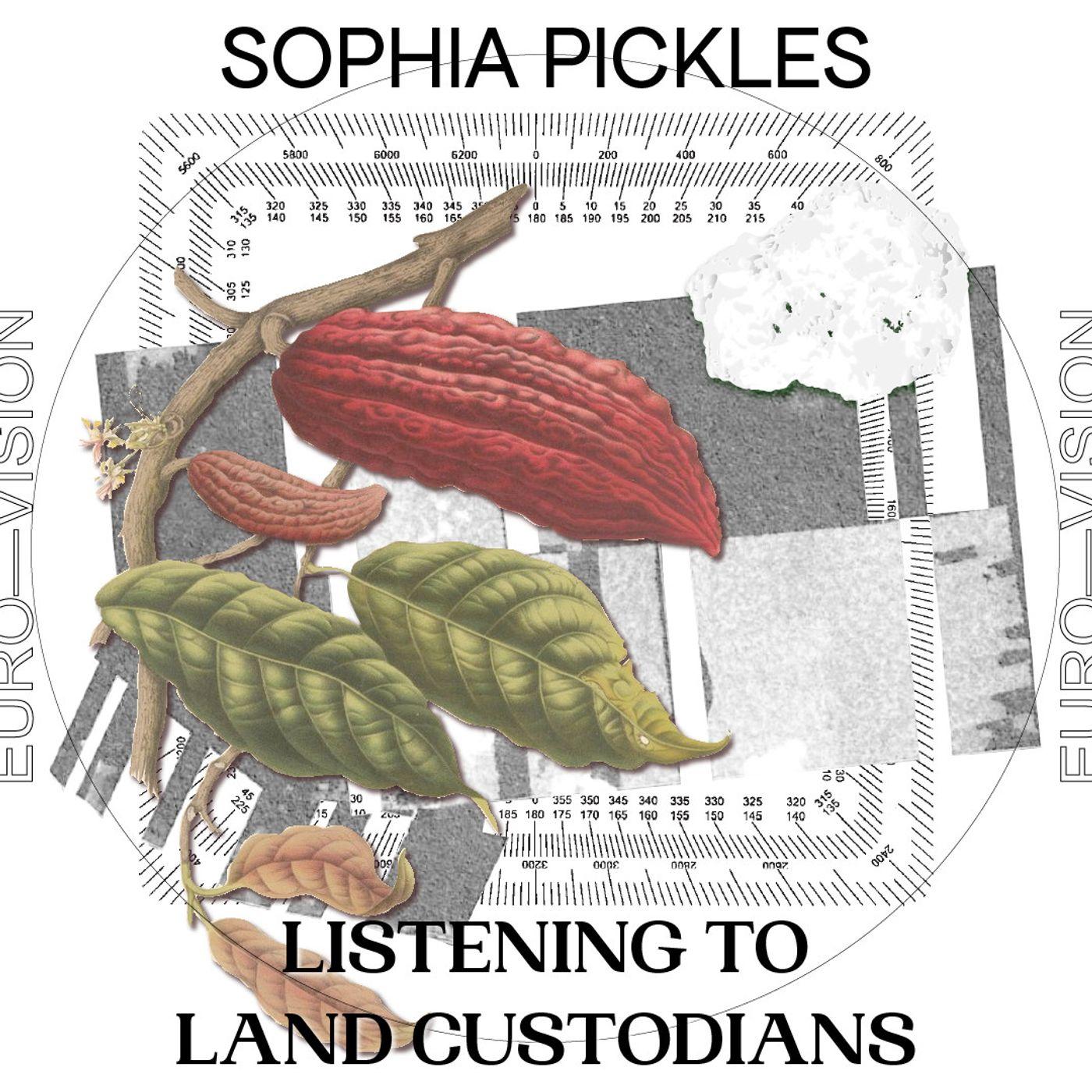
Description
(NL)
Markthandelsmechanismen en beheer van hulpbronnen op bestuursniveau bepalen de dagelijkse realiteit van gemeenschappen binnen en langs extractieve zones. In deze aflevering bevragen we samen met Sophia Pickles de voorstelling van klimaatonrechtvaardigheid als een onoplosbaar probl…
PREVIOUS EPISODES 🔗
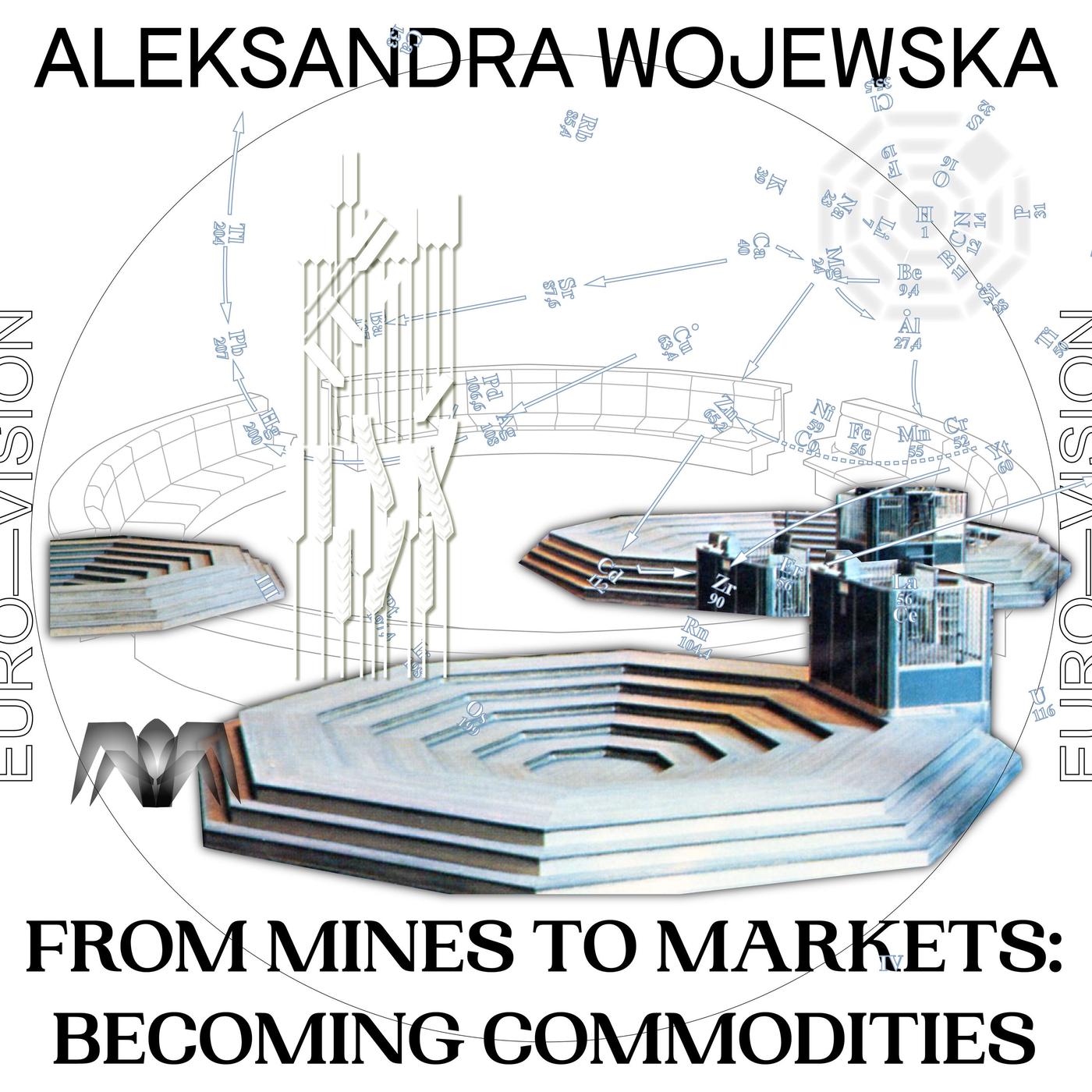
Description
(NL)
In ons vorige gesprek richtten we ons op mineralenkritikaliteit om de logica achter bevoorradingsrisico en grondstoffenpolitiek te onderzoeken. Samen met Aleksandra Wojewska focussen we in deze aflevering op de component economische belangrijkheid van de kritikaliteitsvergelijking…
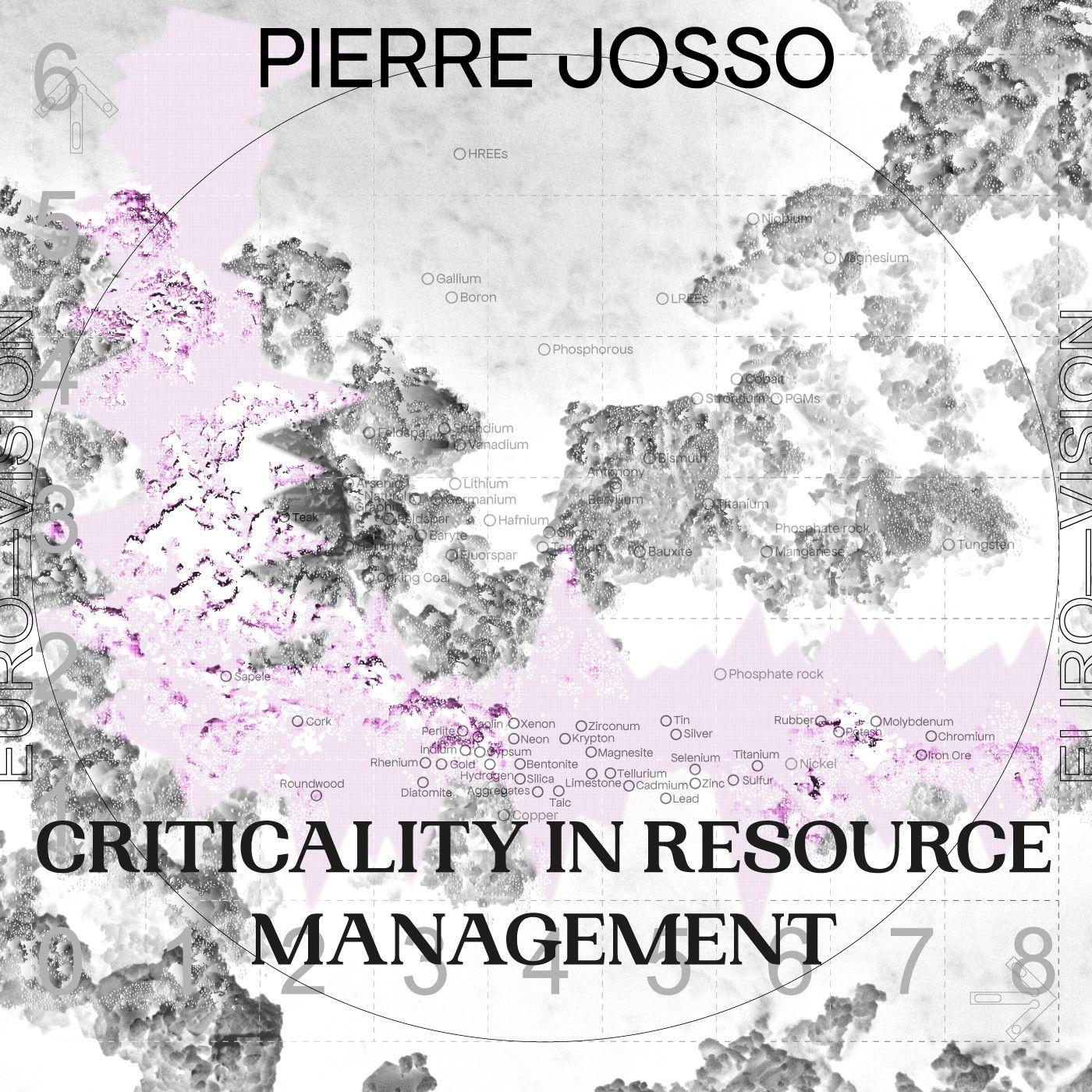
Description
(NL)
In deze aflevering richten we ons samen met Pierre Josso op de evaluatie van mineralenkritikaliteit (of kortweg kritikaliteit), ontwikkeld door de British Geological Survey voor de Britse strategie voor kritieke mineralen en eerder voor het EU-initiatief inzake kritieke grondstof…
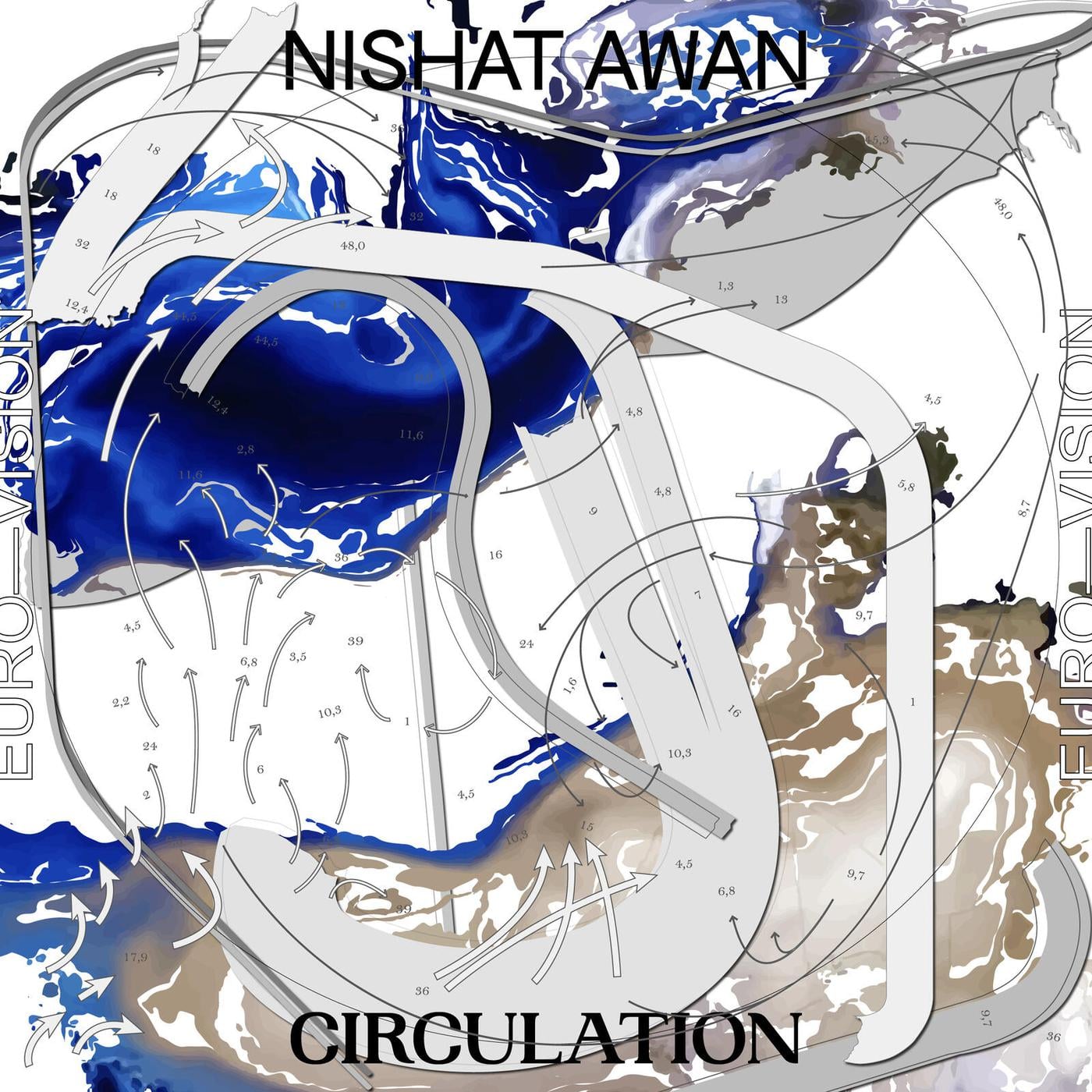
Description
In our last episode, we considered how institutions such as the International Commission for the Conservation of Atlantic Tunas (ICCAT) are managing the extinction of the bluefin tuna, which is emptying the seas and leading to the forced displacement of fisherfolk, namely, that are tra…
Description
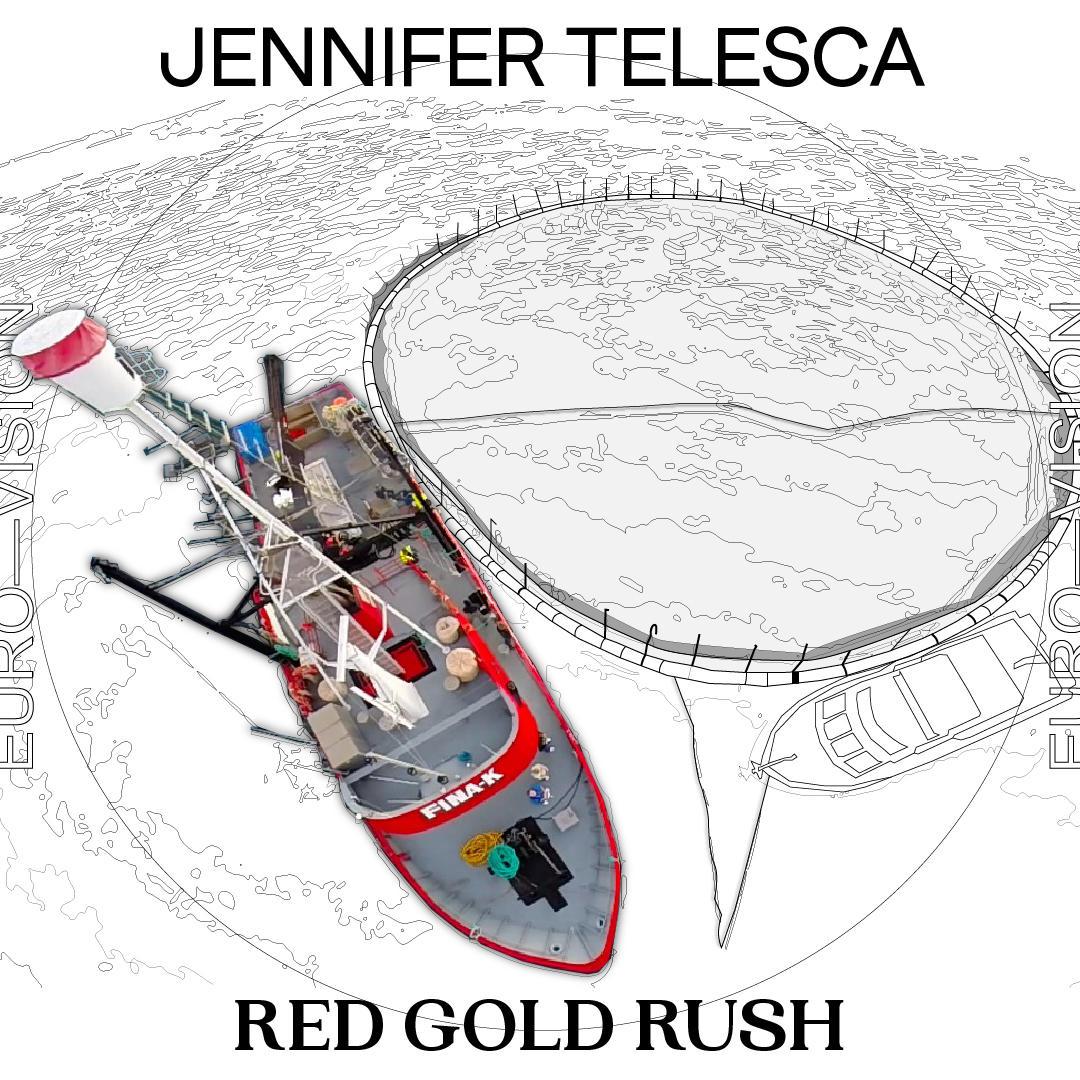
In the previous episode, we considered legacies of pelagic extraction from the perspective of artisanal fisherfolk, and discussed how to begin unthinking and unknowing these extractive ontologies. In the following, with Dr Jennifer Telesca we focus on the role of institutions tasked wi…
Description
Previous episodes have focused on certain measures of conservation in fisheries, such as Maximum Sustainable Yield (MSY), which were historically put in place to protect domestic industries rather than fish populations. These measures often reinforce legacies of pelagic extraction. Thi…
Description
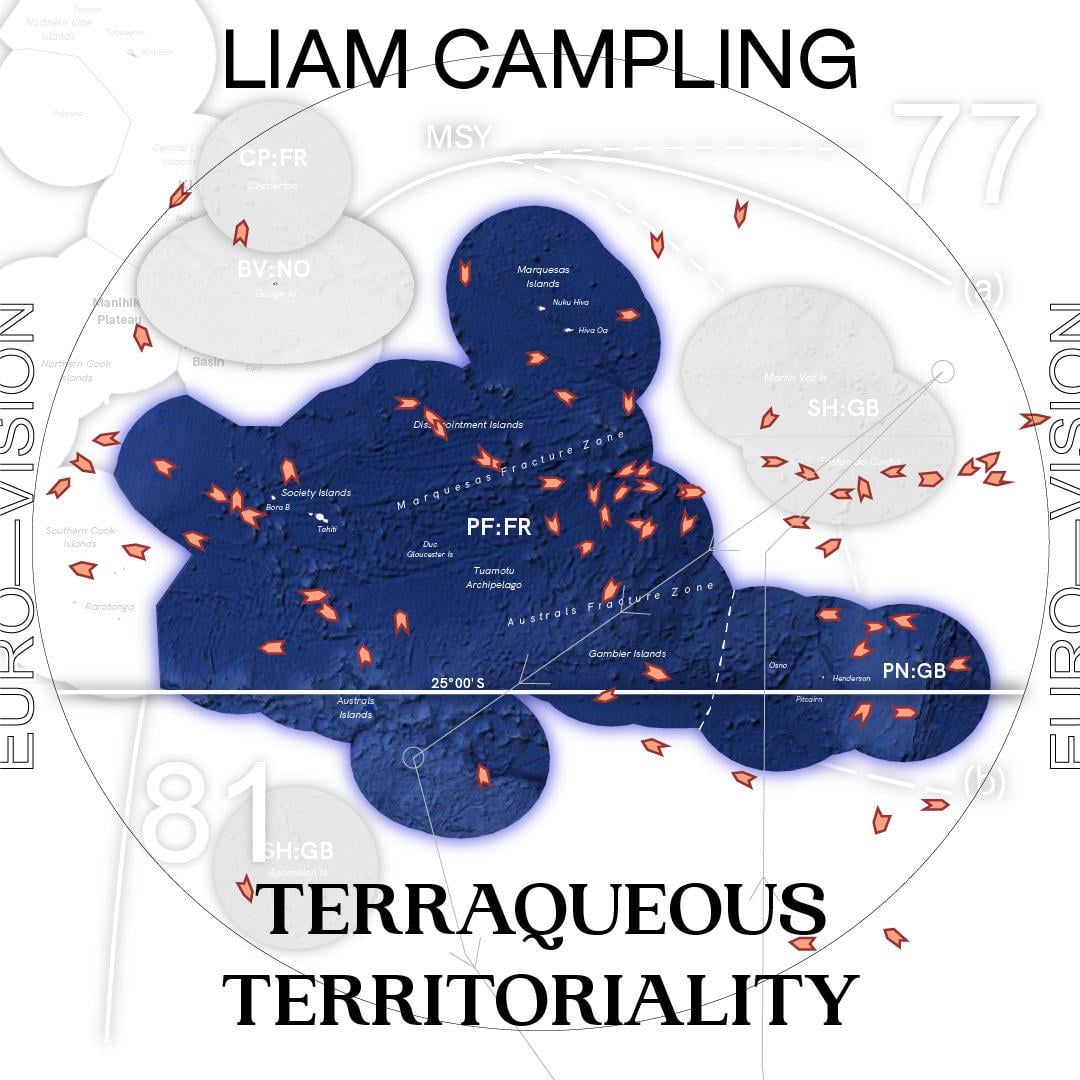
This episode focuses on modes of maritime extraction that continue legacies of colonial rule. In discussion with Liam Campling we explore some of the legal and economic infrastructures that support and perpetuate forms of pelagic extractivism, such as Exclusive Economic Zones (EEZs) an…
Description
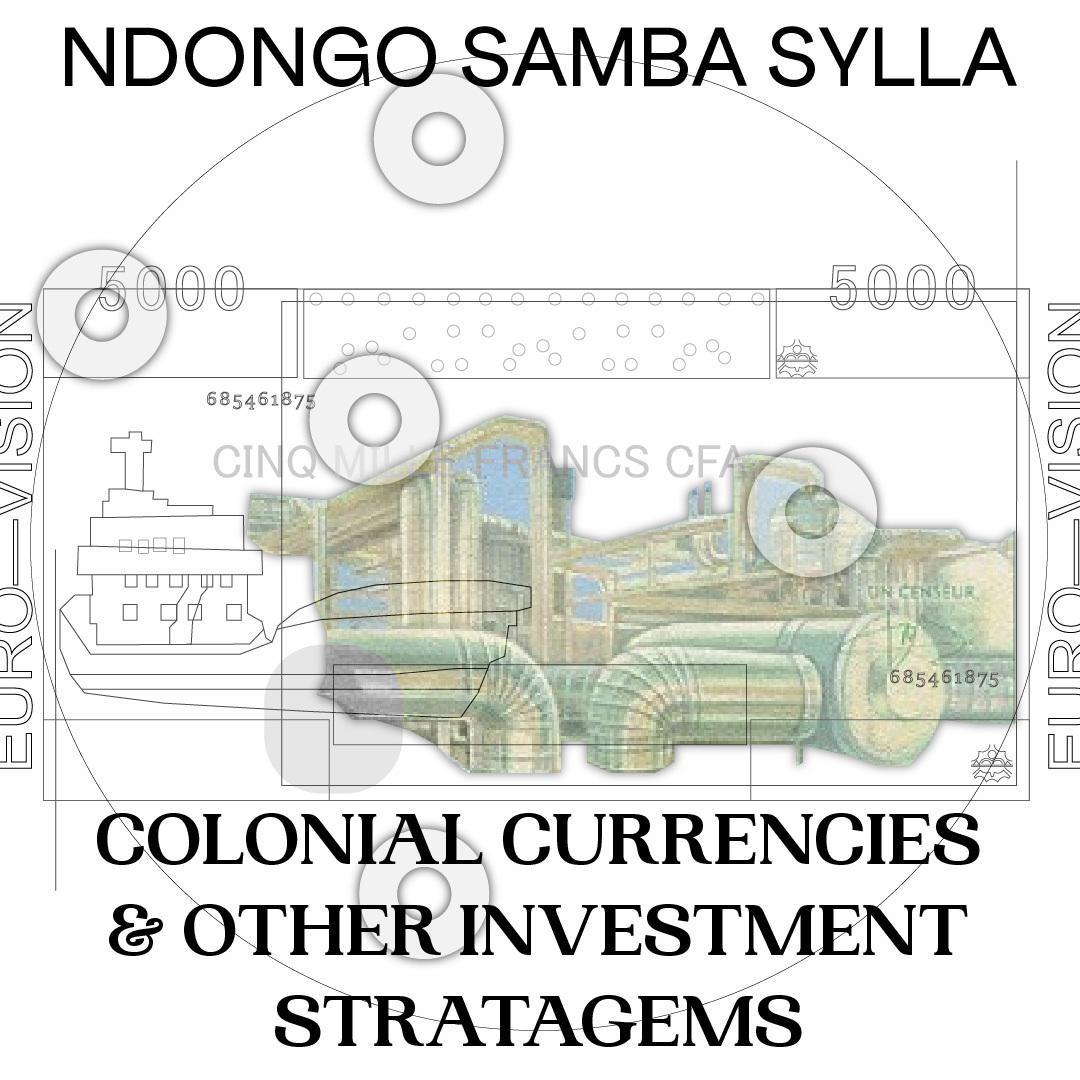
After developing an understanding of the Berlin Conference’s implications, of the concept of Eurafrica, and of how the European Integration project was truly founded in the previous episodes, we wanted to understand more about how these structures have continued, and how they have been…
Description
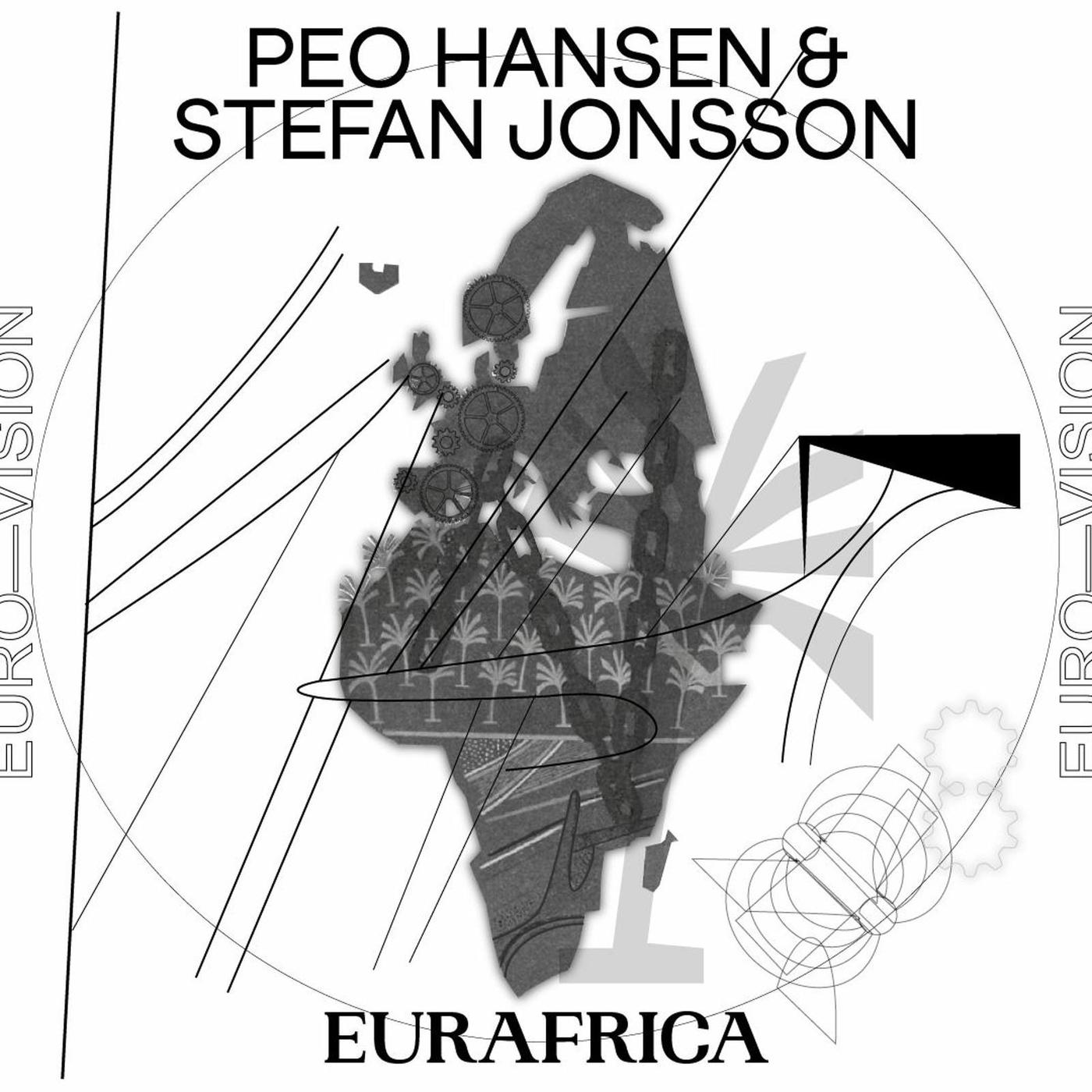
In this episode we consider how the very foundation of the EU was grounded on an extractivist model. In their book Eurafrica, the Untold History of European Integration and Colonialism, Prof. Peo Hansen and Prof. Stefan Jonsson, debunk the theory of what they refer to as the "Immaculat…
Description
Through sorcery and extraction, the EURO–VISION series begins with Prof Adekeye Adebajo, Director of the Institute for Pan-African Thought and Conversation at the University of Johannesburg. The conversation focuses on the history of extraction between the European and the African cont…
Disclaimer: The podcast and artwork embedded on this page are from FRAUD (Audrey Samson & Francisco Gallardo), which is the property of its owner and not affiliated with or endorsed by Listen Notes, Inc.
PODCAST SEARCH ENGINE
You can use our website to search 3,827,684 podcasts and 196,269,441 episodes by people, places, or topics.

I have no special talent. I am only passionately curious, and
I listen to podcasts.
‐ Albert "Llamacorn" Einstein
CLAIM THIS PODCAST
Why to claim podcasts?
If you are a podcaster, the best way to manage your podcasts on Listen Notes is by claiming your Listen Notes
podcast pages.
It is a great, free way to engage the podcast community and increase the visibility of your podcasts.
After claiming your Listen Notes podcast pages, you will be able to:
✓
Manually refresh the RSS feed to sync up
✓
Get a verified badge (
✓
) alongside with your podcast name on Listen Notes
✓
Post classified ads for sponsorship,
guests, co-hosts,
cross-promotion...
✓
Respond to listener comments on Listen Notes
✓
Use speech-to-text techniques to transcribe your show and
edit transcripts
✓
Improve the presence of your podcasts, e.g., self-service
podcaster interview...
✓
If you share your Listen Notes page and at-mention @ListenNotes
on X (formerly Twitter),
our official X (formerly Twitter) account will retweet to promote
your show to our followers.
Coming soon:
◯ Self-service promotion on Listen Notes
◯ Track your podcast stats on Listen
Notes, e.g., listens, page
views...
◯ Manage episodes
EDIT
Thank you for helping to keep the podcast database up to date.
