

ABOUT THIS EPISODE
Description
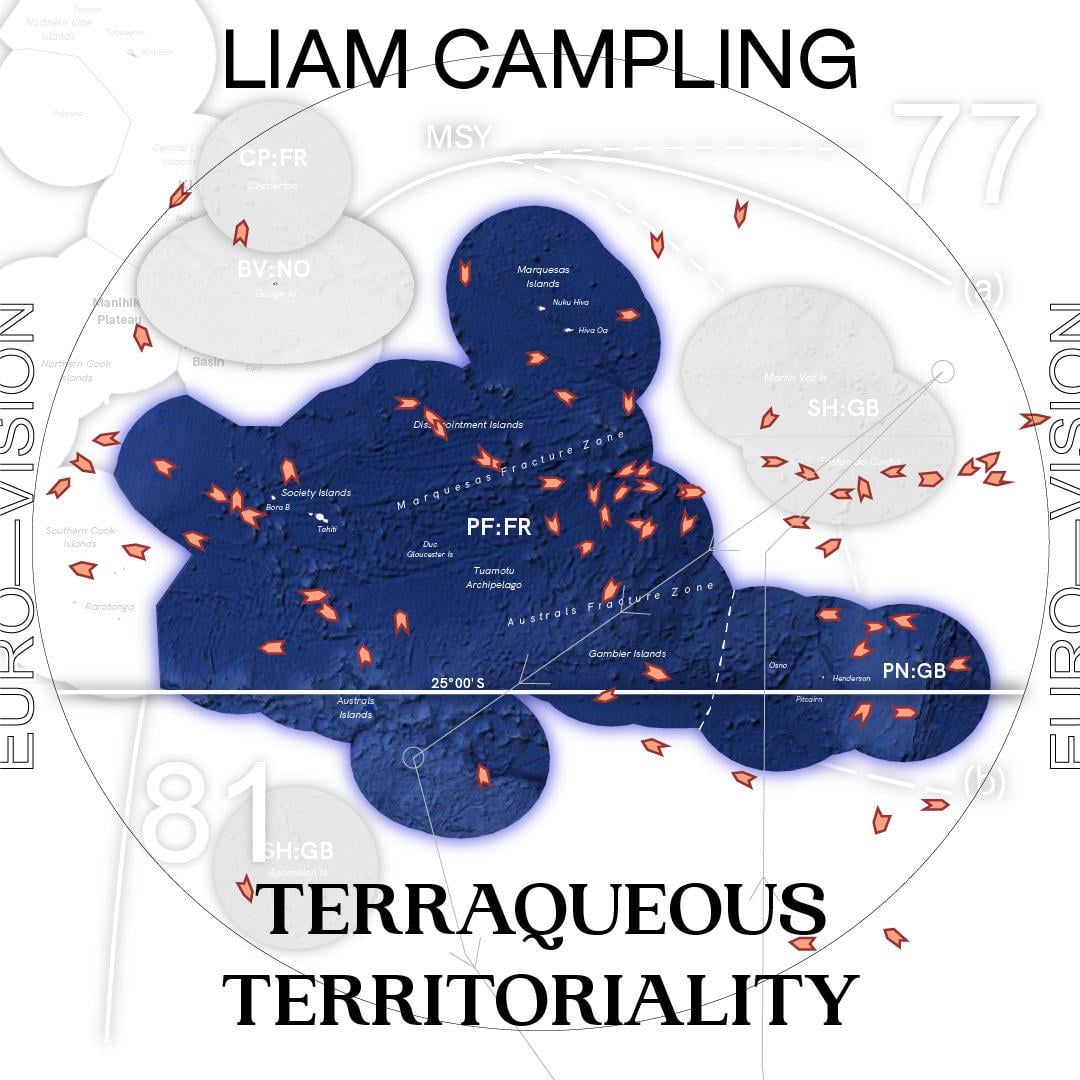
This episode focuses on modes of maritime extraction that continue legacies of colonial rule. In discussion with Liam Campling we explore some of the legal and economic infrastructures that support and perpetuate forms of pelagic extractivism, such as Exclusive Economic Zones (EEZs) and Maximum Sustainable Yield (MSY) among others, based on his recent book, co-authored with Alejandro Colás, Capitalism and the Sea: the Maritime Factor in the Making of the Modern World. As the EU has the third largest fishing fleet in the world, the majority of which belongs to companies registered in Spain, fisheries become a paramount resource to consider. Like most states, the EU approaches marine natural resources using mechanistic lenses such as input/output paradigms. This is exemplified in the usage of the word ‘stock’ to designate populations of fish. Understanding oceanic spaces as resources that can be measured like an inventory exists within a form of marine management which has facilitated the industrial, long-haul fishing responsible for much of today’s overfishing. This episode focuses on the specific tools and agreements that enable overfishing, bringing its logic to the Global South in a gold-rush for resources.
This episode focuses on modes of maritime extraction that continue legacies of colonial rule. In discussion with Liam Campling we explore some of the legal and economic infrastructures that support and perpetuate forms of pelagic extractivism, such as Exclusive Economic Zones (EEZs) and Maximum Sustainable Yield (MSY) among others, based on his recent book, co-authored with Alejandro Colás, Capitalism and the Sea: the Maritime Factor in the Making of the Modern World. As the EU has the third largest fishing fleet in the world, the majority of which belongs to companies registered in Spain, fisheries become a paramount resource to consider. Like most states, the EU approaches marine natural resources using mechanistic lenses such as input/output paradigms. This is exemplified in the usage of the word ‘stock’ to designate populations of fish. Understanding oceanic spaces as resources that can be measured like an inventory exists within a form of marine management which has facilitated the industrial, long-haul fishing responsible for much of today’s overfishing. This episode focuses on the specific tools and agreements that enable overfishing, bringing its logic to the Global South in a gold-rush for resources.
FRAUD (Audrey Samson & Francisco Gallardo)
Partnerships was produced as part of the 5th Istanbul Design Biennial — Empathy Revisited: Designs for more than one, organised by the Istanbul Foundation for Culture and Arts, and curated by: Mariana Pestana, Sumitra Upham and Billie Muraben.
The EURO—VISION public programme has been commissioned by Arts Catalyst & RADAR.
This public programme has been generously supported by the Canada Council for the Arts, Arts Council England and Acción Cultural Española.
English
United States
IN THIS EPISODE
TRANSCRIPT 🔗
Are you the producer of this podcast?
Add a podcast transcript
Need Audio-to-Text?
Transcribe with Listen411 in Just 60 Seconds
OTHER EPISODES IN THIS PODCAST
Description
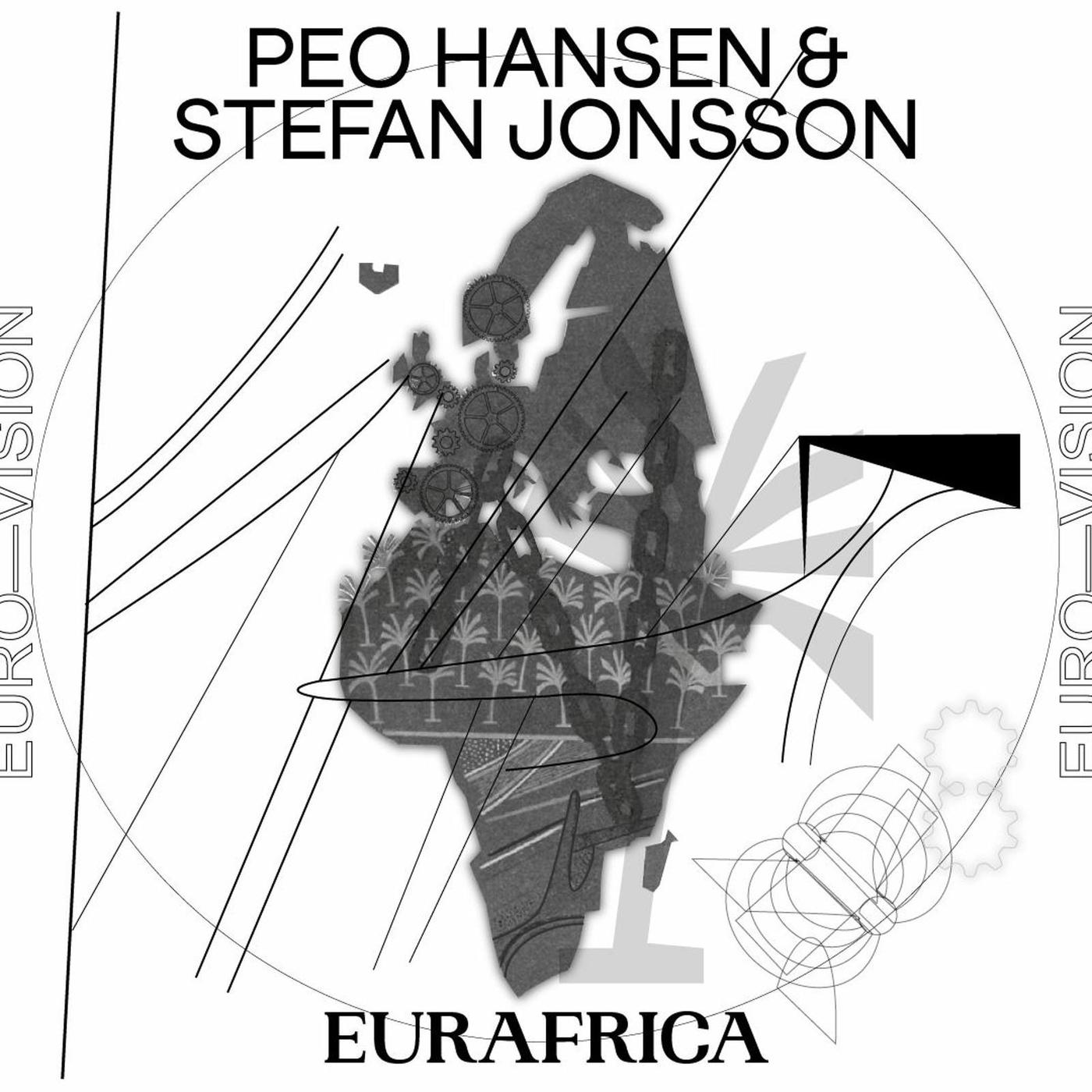
In this episode we consider how the very foundation of the EU was grounded on an extractivist model. In their book Eurafrica, the Untold History of European Integration and Colonialism, Prof. Peo Hansen and Prof. Stefan Jonsson, debunk the theory of what they refer to as the "Immaculat…
Description
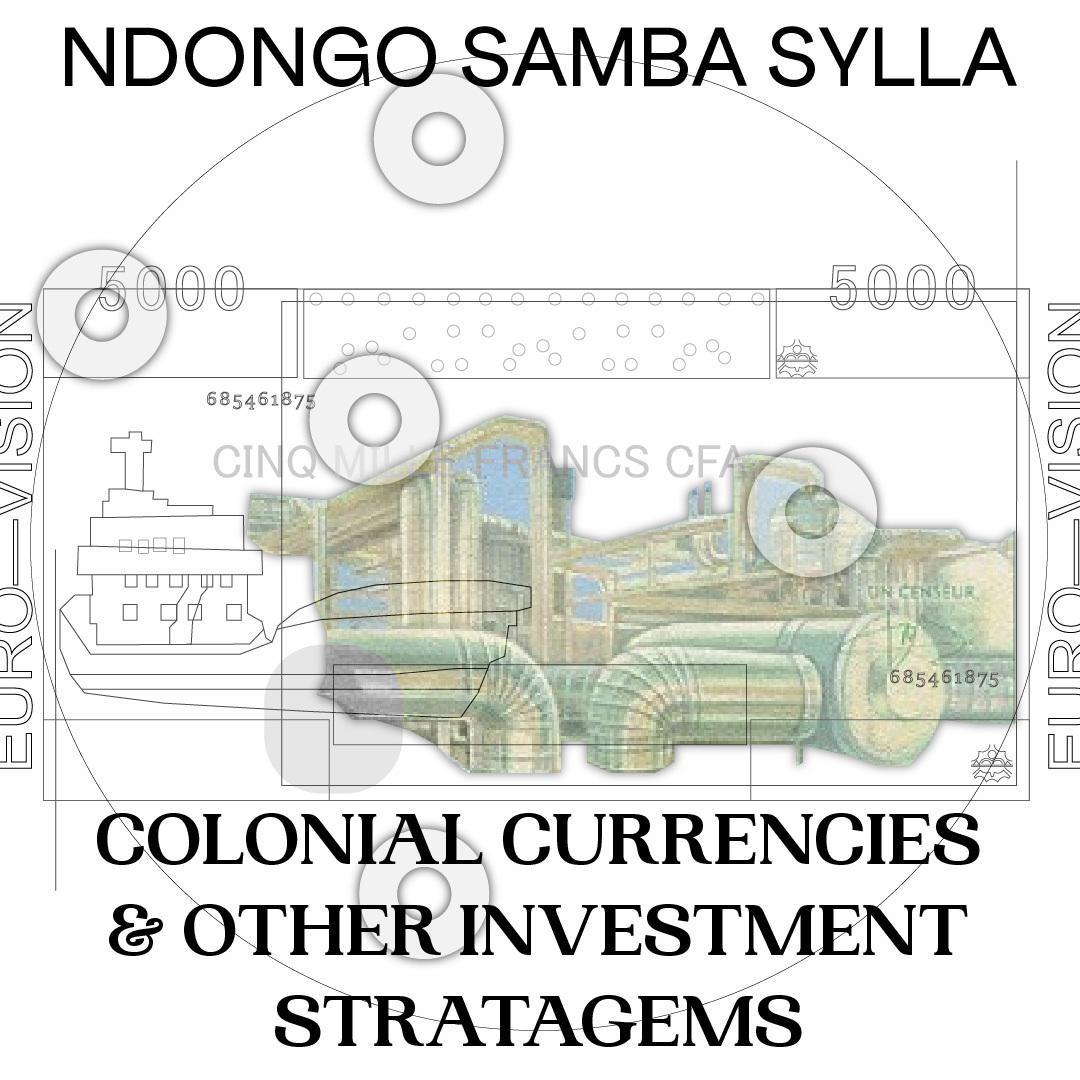
After developing an understanding of the Berlin Conference’s implications, of the concept of Eurafrica, and of how the European Integration project was truly founded in the previous episodes, we wanted to understand more about how these structures have continued, and how they have been…
Description
Through sorcery and extraction, the EURO–VISION series begins with Prof Adekeye Adebajo, Director of the Institute for Pan-African Thought and Conversation at the University of Johannesburg. The conversation focuses on the history of extraction between the European and the African cont…
Description
Previous episodes have focused on certain measures of conservation in fisheries, such as Maximum Sustainable Yield (MSY), which were historically put in place to protect domestic industries rather than fish populations. These measures often reinforce legacies of pelagic extraction. Thi…
Disclaimer: The podcast and artwork embedded on this page are from FRAUD (Audrey Samson & Francisco Gallardo), which is the property of its owner and not affiliated with or endorsed by Listen Notes, Inc.
EDIT
Thank you for helping to keep the podcast database up to date.
