


關於這一集

A 7-million parameter model outperforming models a thousand times its size on tasks like ARC Prize. That's what recursive reasoning unlocks.In this episode of Decoded, YC's Ankit Gupta and Francois Chaubard break down two recent papers on recursive AI models, HRMs and TRMs, that are achieving state-of-the-art results with a fraction of the parameters of today's largest models.They explain why standard LLMs hit a fundamental ceiling on certain reasoning tasks, how recursion at inference time gives small models the compute depth to break through it, and what happens when you combine these ideas with the power of large-scale foundation models.
英語
美國
逐字稿 🔗
Are you the producer of this podcast?
Add a podcast transcript
Need Audio-to-Text?
Transcribe with Listen411 in Just 60 Seconds
本 Podcast 中的其他單集

Today, more than 3% of the world’s lawyers use Legora, and the company has grown from $1 million to $100 million in ARR since launching in October 2024.At Startup School 2026, Legora co-founder and CEO Max Junestrand shares how they built one of the fastest-growing enterprise software companies in …
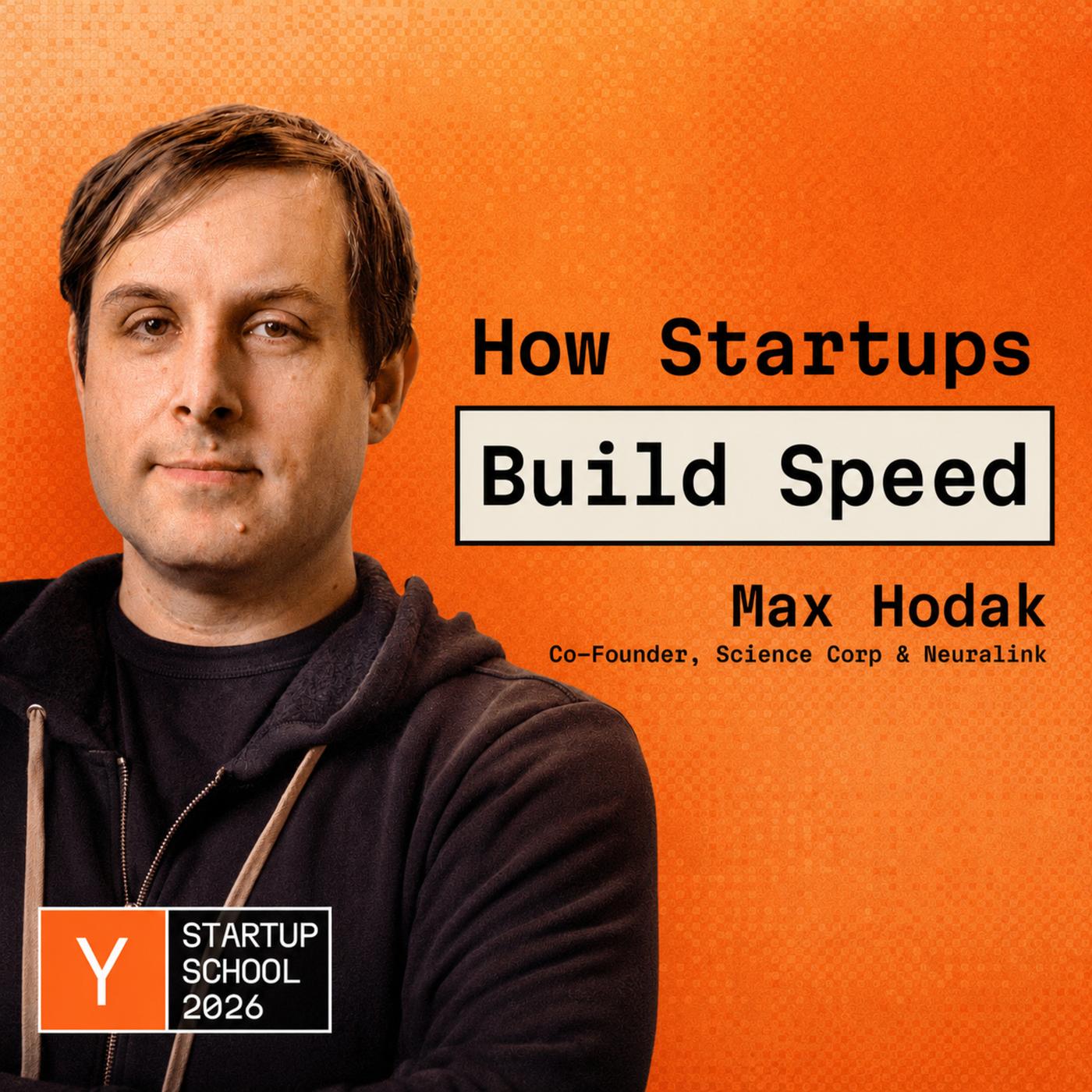
Science is building a retinal implant that restores vision to people who have gone blind. One patient has already used it to read a 300-page novel.Building a company like that requires a lot more than getting the technology right. At Startup School 2026, Science CEO Max Hodak explains how the compa…
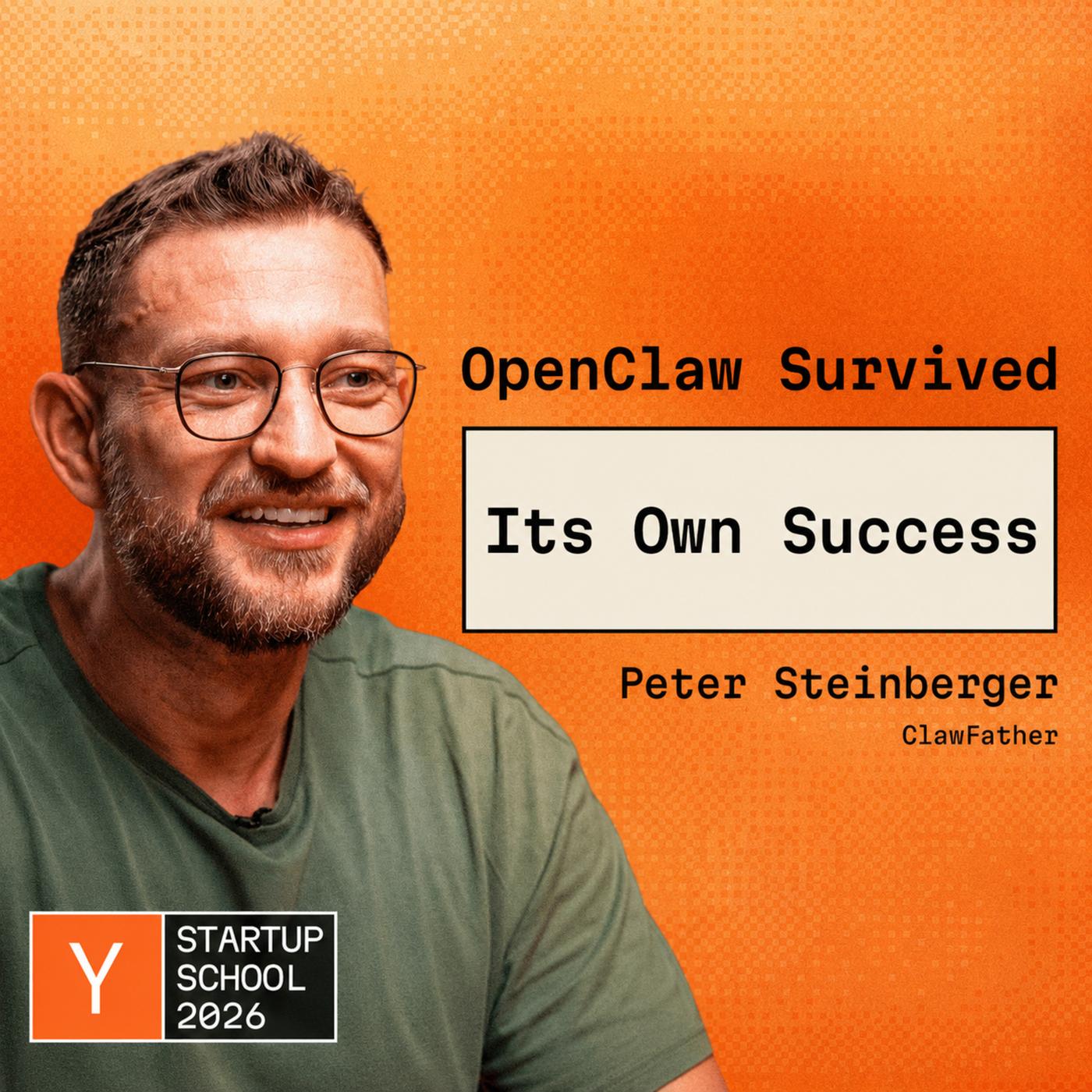
Last November, Peter Steinberger was annoyed that there was no good way to talk to his coding agents from his phone, so he built one himself. A few months later, OpenClaw had exploded into one of the biggest open source AI projects in the world, with nearly 3,000 contributors and a peak of 4.7 mill…

Susan Kare joined Apple as an art history PhD who barely knew anything about computers. She went on to design many of the icons, typefaces, and symbols that helped make the original Macintosh feel understandable and human, defining a visual language for personal computing that still influences soft…
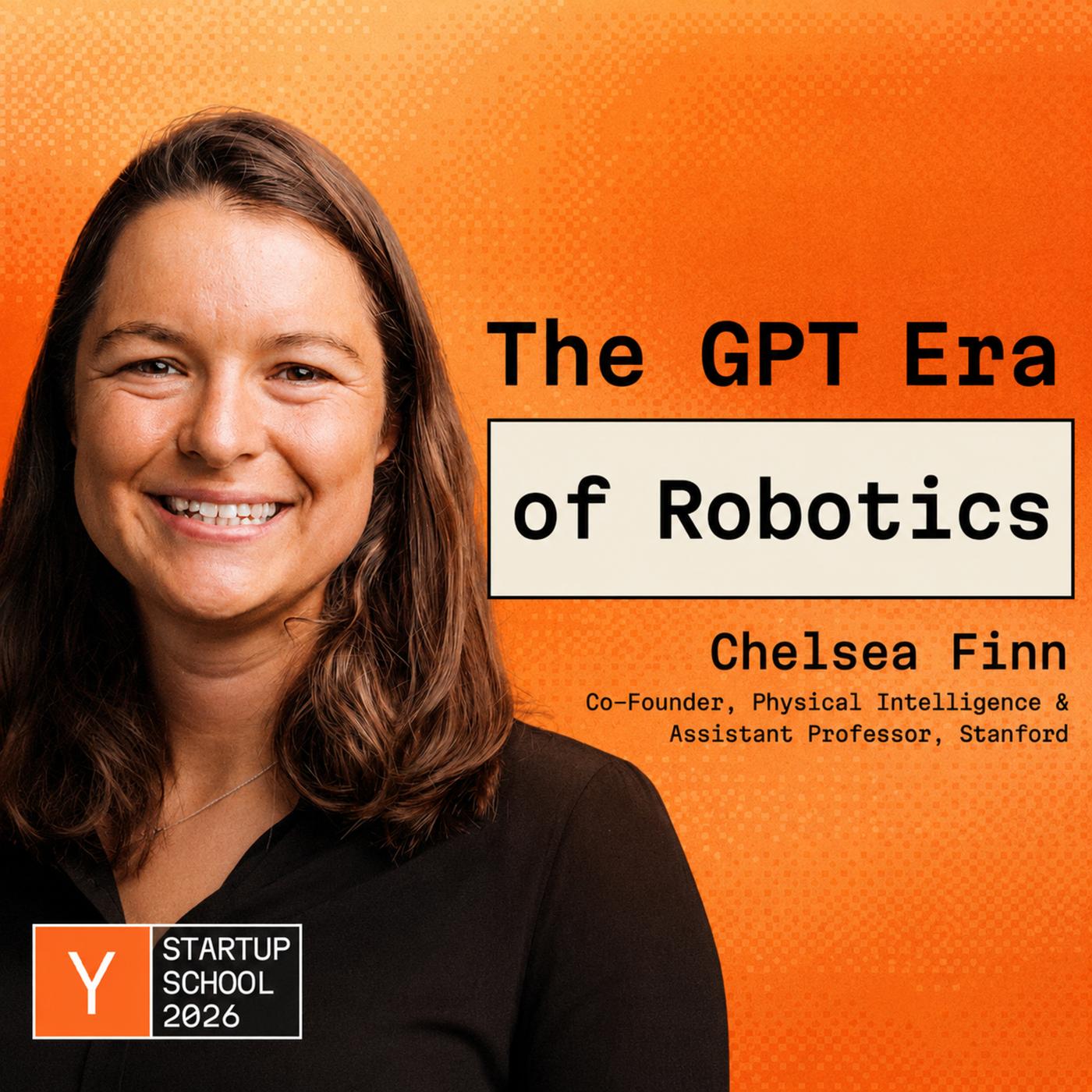
Robots can already fold laundry, make espresso, clean kitchens, and assemble things. The harder problem is getting them to do those tasks reliably, for long periods of time, without a human babysitting them.
At Startup School 2026, Physical Intelligence cofounder Chelsea Finn explains what it take…
免責聲明: 本頁面嵌入的 Podcast 和封面圖片來自 Y Combinator,歸其所有者所有,與 Listen Notes, Inc. 無關聯,也未獲得 Listen Notes, Inc. 背書。
