
關於這一集
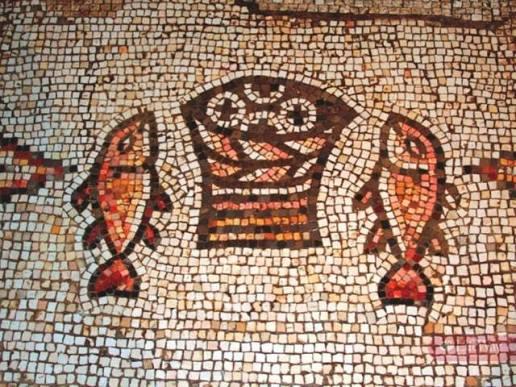
Can you imagine the crowd's astonishment, how they must have been utterly dumbfounded, by the multiplication miracle by Jesus of those famous five loaves and two fishes?
No matter whether that crowd could perceive it fully, the Kingdom was in fact near. The Messiah, Jesus, had come, and He had compassion on His people. The covenant was being renewed. The 12 tribes of Israel were being reconstituted with 12 of the King’s followers. Fragments— leftovers and remnants— the broken pieces of God’s people were being gathered up.
Join Pastor Chris as he looks at the multiplication-- and its implications-- that happened on the shore of the Sea of Galilee so very long ago.
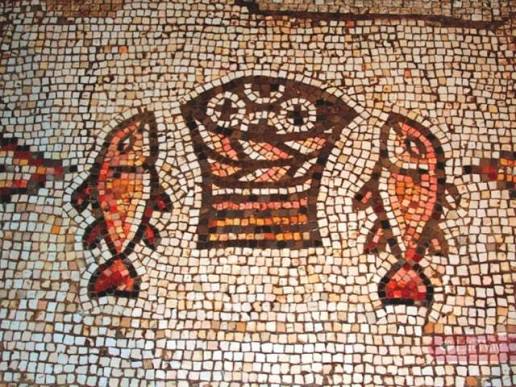
Note: The artwork associated with this podcast/sermon is of the mosaic beneath the altar at the Church of the Multiplication in Tabgha.
The images referred to in the sermon:
No matter whether that crowd could perceive it fully, the Kingdom was in fact near. The Messiah, Jesus, had come, and He had compassion on His people. The covenant was being renewed. The 12 tribes of Israel were being reconstituted with 12 of the King’s followers. Fragments— leftovers and remnants— the broken pieces of God’s people were being gathered up.
Join Pastor Chris as he looks at the multiplication-- and its implications-- that happened on the shore of the Sea of Galilee so very long ago.
Note: The artwork associated with this podcast/sermon is of the mosaic beneath the altar at the Church of the Multiplication in Tabgha.
The images referred to in the sermon:
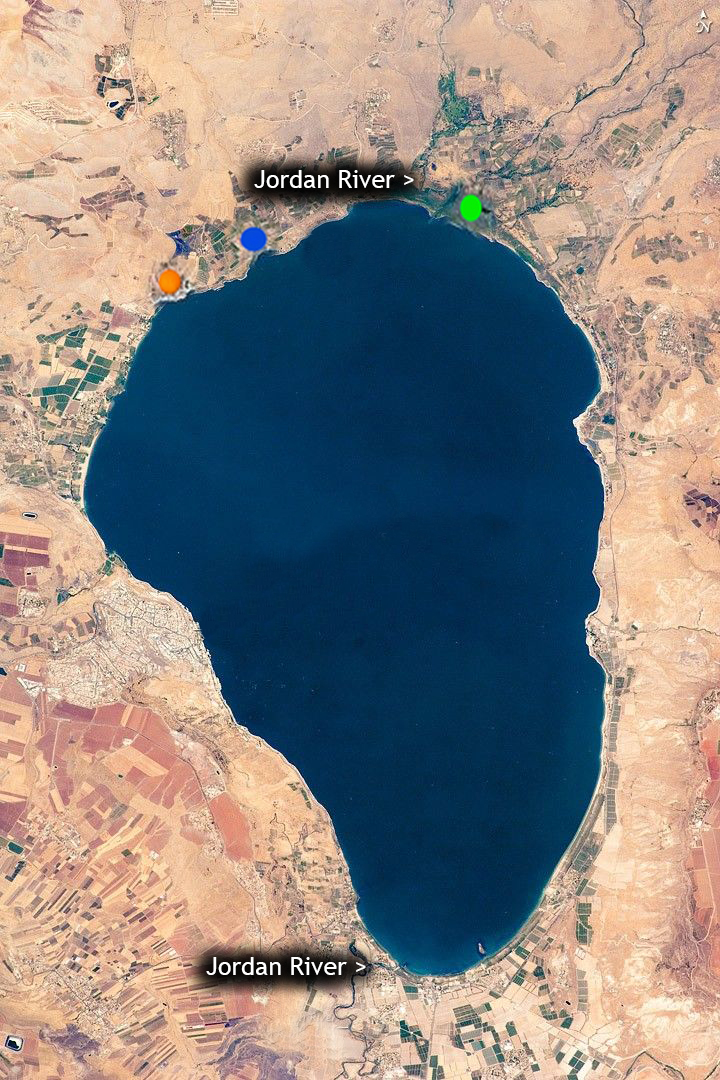
- Sea of Galilee with towns.
- Outside the Church of the Multiplication.
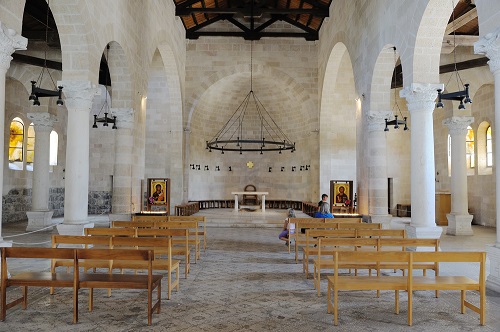
- Inside Church of the Multiplication.
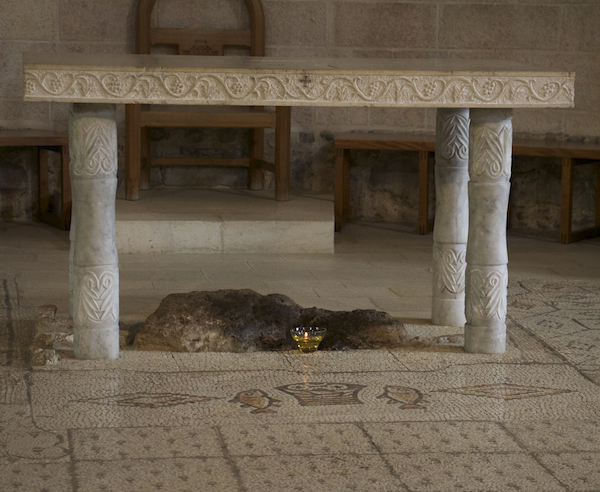
- Altar of the church.
- Mosaic beneath the altar.
英語
美國
逐字稿 🔗
Are you the producer of this podcast?
Add a podcast transcript
Need Audio-to-Text?
Transcribe with Listen411 in Just 60 Seconds
本 Podcast 中的其他單集
Why is there evil if the Kingdom is present? And what are we to do about it? In His parable of the weeds among the wheat, the Lord Jesus teaches us that the answer to the weeds around us in the world is... to plant more good seeds: patiently, lovingly, perseveringly, and abundantly, in the hope tha…

In the Roman Empire, patience was not a prized virtue. But it was very important to the early Christians.
Early Christians often talked about patience. It was the first virtue they wrote a treatise about —at least three, evidently— and they called patience the "highest virtue," "the greatest of al…
Jesus is saying it very plainly— He’s laying it right out there—that His messengers, His apostles, should expect persecution. Jesus even goes as far to say that His apostles should expect being flogged. Should we expect persecution as modern-day followers of Jesus? Join us as we look at a passage i…

One commentator has said that a parable is “storytelling with a message,” that also declares a truth, and that also asks for a response. So, when Jesus is telling a parable, it’s not just a literary exercise or a brain teaser. He’s using a story to call His listeners into some kind of transformatio…

As Jesus traveled around through the villages of Galilee, large crowds gathered around Him. Matthew describes those people as confused and helpless. Why did Jesus begin His ministry there, and why does the Gospel compare the people to sheep? Join Pastor Chris as he continue our series where we're "…
免責聲明: 本頁面嵌入的 Podcast 和封面圖片來自 Epiclesis,歸其所有者所有,與 Listen Notes, Inc. 無關聯,也未獲得 Listen Notes, Inc. 背書。