
关于这一集
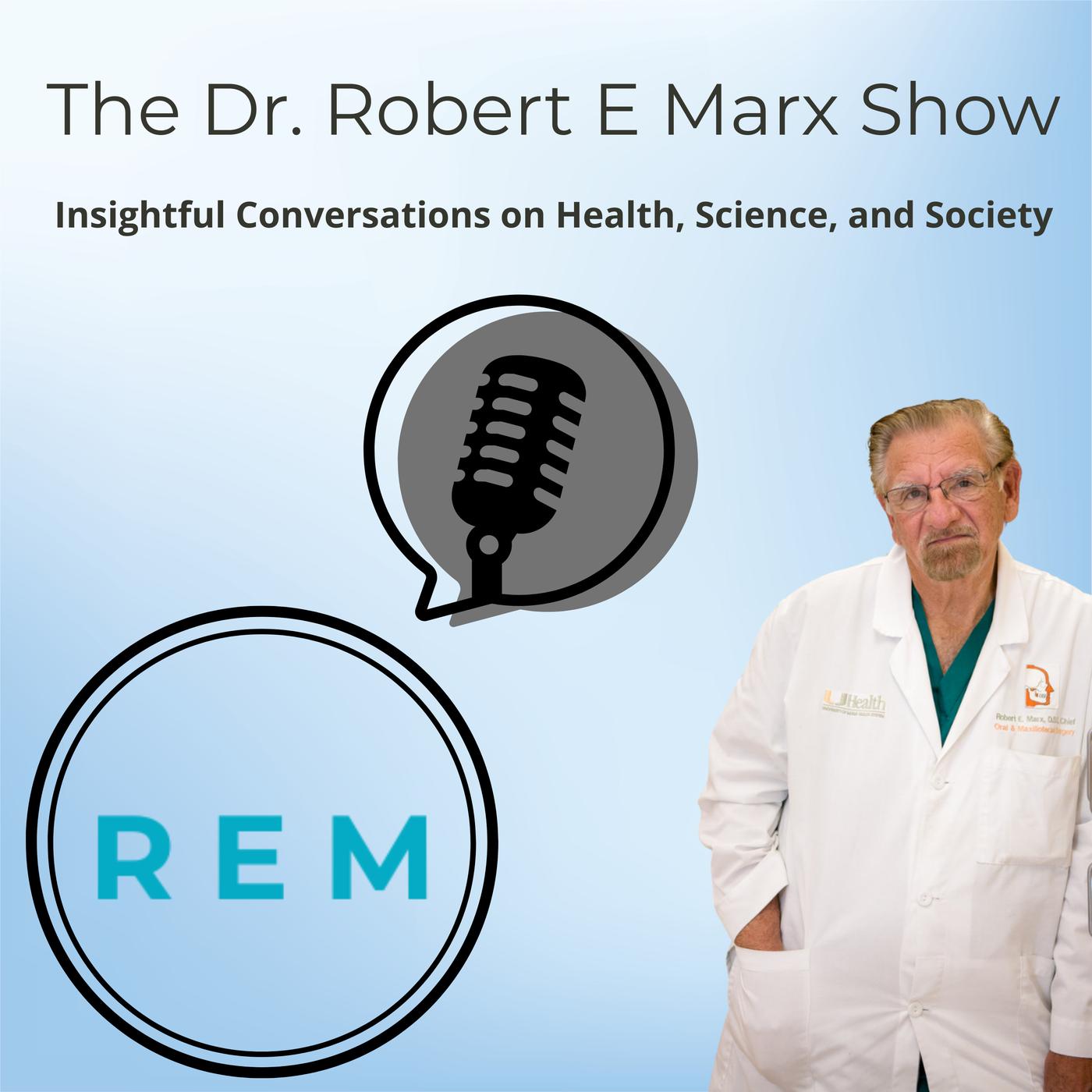
In this special simulcast of The Neil Haley Show and The Dr. Robert E. Marx Show, Neil “The Media Giant” Haley joins Dr. Robert E. Marx for a detailed conversation about the biological and social traits associated with women and the characteristics Dr. Marx believes distinguish biological women from biological men. Drawing on genetics, anatomy, physiology, reproductive biology, evolution, medicine, and social observations, Dr. Marx discusses 18 different traits and explains why he believes biological sex remains an important consideration in understanding the human body.
The conversation begins with the genetic foundation of biological sex, including the typical XX chromosomal pattern associated with females and the typical XY pattern associated with males. Dr. Marx then discusses physical and anatomical characteristics such as pelvic structure, body hair, facial hair, patterns of hair loss, average height, and bone mass. He explains how these characteristics can differ between males and females and connects some of these differences to reproductive biology, human development, and evolutionary physiology.
Dr. Marx also examines female reproductive anatomy and discusses the uterus and the biological capacity to carry a pregnancy. He compares reproductive anatomy between males and females and explains his discussion of the prostate gland and its relationship to male reproductive anatomy. The episode looks at how biological differences can be reflected throughout the body rather than being limited to reproductive organs alone.
Health and physiology are another major part of the conversation. Dr. Marx discusses osteoporosis and differences in bone health, particularly in relation to changes that occur after menopause. He also talks about thyroid disease, including Hashimoto’s thyroiditis, and breast cancer, including genetic factors such as BRCA1. The discussion considers how genetics, hormones, and other physiological characteristics can contribute to differences in health conditions and medical risks between women and men.
The episode also explores differences in vocal anatomy and behavior. Dr. Marx discusses the size and structure of the voice box and how these anatomical differences can contribute to differences in average vocal pitch. He talks about emotional expression and patterns involving verbal and spatial skills, referring to trends he associates with standardized testing such as the SAT and ACT. The conversation also considers possible evolutionary explanations for differences in behavior and cognitive patterns and how human social roles may have developed over time.
Dr. Marx continues by discussing several social and behavioral observations that he associates with women, including a greater tendency toward social dancing, different reactions to flatulence, and greater sensitivity to body odor. These observations are presented as part of his broader discussion of the biological and social characteristics he believes can be used to distinguish women from men. Neil and Dr. Marx also discuss how these characteristics fit into a larger conversation about biology, evolution, medicine, and the way sex differences are understood.
A significant part of the episode focuses on the relationship between biological characteristics and medical interventions. Dr. Marx discusses hormone therapy and surgical procedures and argues that although these interventions can change certain physical characteristics, they do not change underlying chromosomal patterns. He uses this distinction to explain his position on why biological markers remain relevant when discussing sex and the human body.
To learn more about Dr. Robert E. Marx and his books, visit drrobertemarxnet.com.
Featured Book: 28 Life-Changing Patients: Chronicles of an Oral & Maxillofacial Surgeon by Dr. Robert E. Marx.