


Pete: Ever wish you had someone to talk to anytime, anywhere, matter what you're going through? Meet PsychPAL, your 24-7 AI companion, designed to help you process your thoughts, calm your mind, and keep you moving forward. Chat anytime during a panic attack on a restless night or just when you need to vent. Prefer talking instead of typing? Try voice journaling. PsychPAL listens, transcribes, and truly understands. You can even upload screenshots of tough conversations, and it'll help you unpack how they made you feel. PsychPAL keeps life organized, too. It can add appointments to your calendar, track your mood, and even summarize your sessions for your therapist so you'll never lose progress. Plus, built-in crisis resources are always just one click away. It's a privacy-first, constantly evolving, made to complement your professional care, not replace it. Ready to try it out? Head over to the link in this episode and use my code, Pete, at checkout to get 20 % off your first month subscription to PsychPAL. PsychPAL, because your mind deserves a companion too. There we go. I think that's the one I like. We got it. We got it. Boom.
peter: but
Pete: went to doing like pre-recordings. Well, Keith, we're at the part of the interview where I'm gonna ask you those two questions. All right,
Amanda Landes: that I had been kind of like since head for a while about about writing the story because
Mia Mason: you are not the only one that experiences thoughts,
Pete "mental Health Champ": Well, Dr. Erica, before we start wrapping up, I'm going to ask you
Pete "mental health champ": Welcome into another exciting episode of Peace First Incity, guys. Before we get started today, I gotta give a shout-out to my partners over at PsychPal, guys. Links will be in the bio as usual. you know, if you want to try it out, seven-day free trial, and then by use my promo code PET at checkout to get 20% off the first month because I was a nice guy and I fought him for you. With that being said, my guest today's resume is something more than impressive could even mention. He's a keynote speaker, best-selling author, sales trainer, executive coach, and a martial arts hall of fame. Please welcome in the one, the only Chris Harris. Chris, welcome in man.
Chris Harris: Thanks, Pete. I'm excited to have this conversation with you today.
Pete "mental health champ": Chris, I gotta say, man, just from that list alone, holy crap. Like I was telling Chris I was looking into some of his martial arts backgrounds. And wow, Chris, you've you've done it all, man. Like you've been all over the place. You've had a lot of training in and stuff like that too, you know. So what before we get started, man, is there anything you want anybody else to know about you? Maybe something that's not on that list.
Chris Harris: Happily married to my best friend for thirty years. She's she's she she
Pete "mental health champ": Hell yeah, man. Congrats. That's awesome.
Chris Harris: she's amazing.
Pete "mental health champ": That's awesome, man. So Chris, let's get into this thing, man. Like, is Marshall Arsenal's obviously been a big thing. Was this a big thing when you were a kid? Or is it because I've seen those pictures with you and Steven Seagal. You were very young in that little picture, just to touch on it a little bit.
Chris Harris: Yeah, I was in my twenties. I actually started in martial arts at 10 years old. So
Pete "mental health champ": okay.
Chris Harris: we me and my mother and my two sisters, my sisters were 11 and 12, I was 10. but we lived in Dayton, Ohio, and we
Pete "mental health champ": Mm-hmm.
Chris Harris: lived in what government housing, the projects, whatever you want call it. But it was government subsidized housing for for you know low-income or no-income families. And We had a a guy, he was a pastor from a church that was in the you know in the neighborhood, and he he would walk. I mean literally that's how close he was, he would walk to the projects on Saturday and they they would let him use the rec center to teach martial arts. He knew that most of the boys there in the in the in the projects, you know, that we didn't have father figures, and we didn't have fathers or and were father figures. So He came in on Saturdays and talked taught karate. And and it it it it changed my life. I never looked back. But you know, from that experience, I just immediately got a taste for it, had a passion for it, had a a gift for it, and I never stopped training from that day forward.
Pete "mental health champ": That's awesome though, man. Yeah, clearly. Cause I've seen, like I said, I went through your resume and your website. You've you've done a lot, man. You have a six degree black belt and and one area too. you know, so but let's move forward now. So now you're you're doing keynote speaking, you're a best selling author. So how much did this apply from your martial arts training? Like, because you're taught discipline and all those other things in martial arts, obviously. So do you apply that to your coaching now and everything else you're doing?
Chris Harris: Well, I taught for twenty-five years as a private contractor. I taught military special forces.
Pete "mental health champ": okay, okay.
Chris Harris: And so I I taught Delta and Green Berets and Rangers and SEALs and very high barrier to entry. So if you you know, if you decide that you wanna train in martial arts and one day get your black belt, You know, that's one thing. If you decide you want to get your black belt and one day be a a full-time professional instructor, maybe open up a school, that's another thing. If you decide you want to get your black belt and then go train Navy SEALs, that's a different barrier to entry. And so
Pete "mental health champ": Yeah, yeah, for sure.
Chris Harris: so I trained really hard. And you know, as a private contractor, I've, you know, traveled around the world and And and taught my specialized system of combatives to these tier one and tier two operators. And had a lot of fun doing it. But at the end of twenty-five years, I just physically couldn't keep up with them anymore. So, you know, th they were all still twenty-eight and I wasn't twenty-eight anymore. So, you know, you lose things like your body's reaction time and how fast you heal and all these things. It's
Pete "mental health champ": Mm-hmm.
Chris Harris: it's why you don't see like a lot of professional heavyweight 50-year-old pro boxers or pro quarterbacks, right? You lose a lot of important things. So I I had to make a career pivot and I chose to pivot into technical sales and but what I taught with with martial arts a big piece of it more bigger piece than the discipline because I didn't really teach the discipline piece honestly if if if they didn't have a loads of self discipline, they would have never made it to to you know, to be a a Spec ops, you know, team member. They would have never made it that far. So they they had discipline in spades. What I taught was the mindset piece. I was the mindset guy.
Pete "mental health champ": okay, okay. yeah, definitely. I believe it, man. Especially if you're training those level forces and things like that too. Like I said, man, your journalism just keeps getting more impressive by the minute, man. Like, wow. You know, for you to go from there to teach them all that, and now you move to, you know, doing coaching, ex sales training and you know, the books. I've seen you have a bunch of the books and everything. I believe it's a series, right? Your books are a series because they're all the same title, but it it has a different topic underneath each one. So I'm assuming they're they're their own individual topic. Is that how you built the book?
Chris Harris: Well, I've I've written fourteen books and
Pete "mental health champ": okay.
Chris Harris: but out out of those four books, there is a four book series called the Seven
Pete "mental health champ": Okay.
Chris Harris: Rivals series. so that that was my attempt to do a series. So
Pete "mental health champ": Yeah.
Chris Harris: I did a I I did seven rivals of leadership, seven rivals of sales, seven rivals of faith, and seven rivals of success. So that was that was pretty interesting trying to maintain a a writing style and a theme and desired outcomes throughout a four book series. I won't ever do that again, but I'm glad I did it.
Pete "mental health champ": He's like that was too much for me. So what are some of the other books you've
Chris Harris: It was.
Pete "mental health champ": written? What what are the titles and like topics you've gotten into? Like different like coaching techniques and things?
Chris Harris: Well, I wrote I actually wrote my first book twenty six years ago. nineteen ninety nine, I believe, is when I got the contract from who at the time was one of the largest publishers in the world. They might still be, I don't know, but I was asked to write the complete idiot's guide to self defense.
Pete "mental health champ": really? That's awesome. That's so cool.
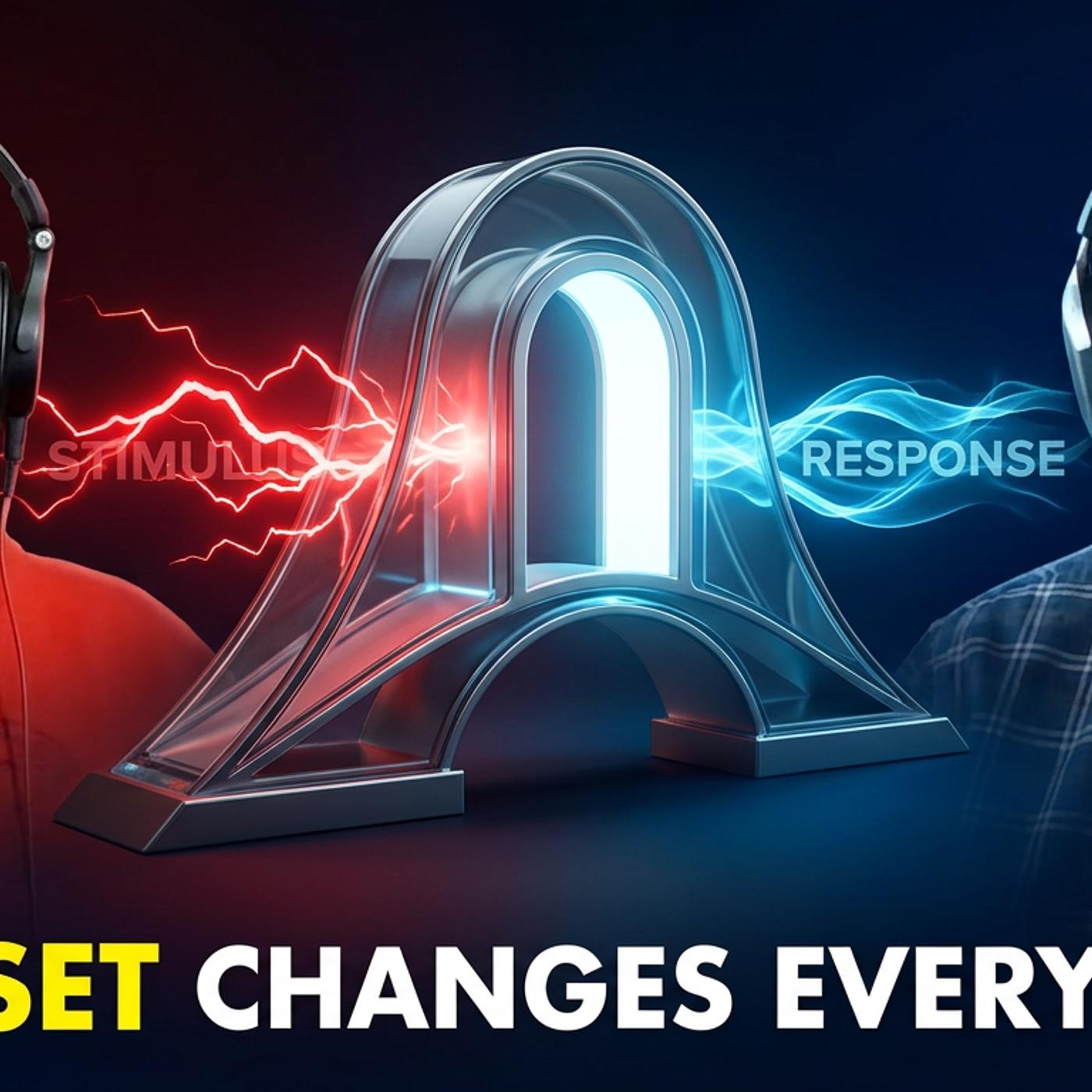
Chris Harris: Yeah. And then my latest my latest book that came out in January or February is the Book of Mindset. That was definitely the most challenging book for me to write. there's just a lot to know about mindset, a lot of moving parts. And you know, most people think they understand what mindset is, but if you ask them, all right, well then articulate for me what is the difference between mindset, attitudes, and beliefs? That's where that's where we start to trip up. So we think we know what it is. So when I talk about mindset or when I teach mindset, here's what I mean. So there's a space that lives in our subconscious mind. And that space, in that space, there's something very important throughout our daily life that happens consistently. And that is stimulus, stimulus,
Pete "mental health champ": Mm-hmm.
Chris Harris: stimulus. And then how we choose to respond or react to that stimulus. So from the time your alarm goes off, first thing in the morning, That's a stimulus. And then you've immediately you got to choose how you're going to react or respond to that. Are you going to hit the snooze button? Are you going to get up right away? Are you going to just lay in bed and kind of think about your day for 10 minutes and then be late to wherever you it is you need to go? Are you going to hit the ground running with enthusiasm and gratitude? So the stimulus is the alarm going off, but the the space between that stimulus and how you're going to react or respond to that stimulus. That's where mindset lives. That's mindset. That's what makes you who you are. And you know, throughout the day, we're bombarded with maybe hundreds of stimuli. And
Pete "mental health champ": Mm-hmm.
Chris Harris: then we're also put in a position to where we need to respond or react to it. And that's you, that's who you are. That's your character, that's your self-discipline, that's your motivation, that's your values, that's your attitudes, that's your beliefs. All of that is contained in that response. So when people tell me about you who know you and they give me an example of what you're like, what they're really talking about is a long list of responses and reactions they've watched over the years. And so if you want to make a meaningful and lasting change or transformation in your life, that's where it will be evident.
Pete "mental health champ": Mm-hmm. Yeah, no, you're right. 100%. you know, because with me, I I had gone through some change though. I I went through and and and took ownership of things I never would have said yes to. you know, in and like I didn't okay, so mind you, I had no relationship with my daughters for a few years because they didn't want to talk to me because I was a horrible person, which I was, you know, but when I shifted how I was doing things. They they noticed the difference. So they could tell or like my one daughter said to me, She's like, You're not the same person you were before. And you know, it's because I just, you know, started looking at things from a different perspective. You know, when I met somebody that taught me about mindfulness, and you know, and ever since then I can't look at things the same way because the way he was breaking it down to me. And it's like now I break things down in the same sense, you know. But I agree though, mindset is it is, you know, like when you ask people what it is, most people probably couldn't even tell you what it I got the right mindset. Are you sure then you like you said? Well, tell me what it is. And then they just get this fumbled answer and you're like, yeah, you don't know what it is. You know what I mean? I mean, but but
Chris Harris: Mm.
Pete "mental health champ": that's so cool though, man. Like, I mean, it it's an interesting book perspective. I can see why it was hard to write though, because you want to make sure you gave it the fullest effort possible of what you're putting in this because it's your name. It's it's behind this thing. You know what I mean? You've you've had other successful titles, you know, that's already getting you enough response there too. But now you have a new book, you're writing it. You know, and you're just trying to make sure it's impactful as possible, especially when it comes to mindset. Because you're right. When the alarm goes off in the morning, are you getting up? You know, for some people it's like they roll over, hit the snooze button, and then they're late. You know, it's it's one of those options like you were listening and and things like that. And then sometimes, you know, for other people it's like me, I just jump out of bed and like I'm up, I'm up. I wake up and I'm up, you know, and I'm ready to go, hit the ground running because, you know, I'm grateful because I woke up today and you know, I get to do this show. You know, like I get to sit here, record with people, you know, it's it I I take it
Chris Harris: More
Pete "mental health champ": I take great honor to everybody that invite to the show. So it's so nice when you get people to come on and spend time with you, you know. And I don't I don't take that lightly for anything, you know. I mean, like I before it probably would have been different. Like honestly, my mindset wasn't the same thing before. Now I look at things from a different perspective, you know, and it's a lot better for me. So and everything else. So it it was it was great though, but you know I I think it's an interesting topic to get into because, like you said, you're challenging people to answer the question. Do you really know what mindset is? let me explain it to you.
Chris Harris: Absolutely. And and most people, if you ask them, hey, raise your hand if you believe that adopting the right mindset is critical to your fulfillment, your joy, your success, just about everybody in the room will raise their hand. I've I haven't met too many people that pushed back on that. But then if you say, all right, now raise your hand if you want stand up and articulate what mindset really is, not a lot of volunteers.
Pete "mental health champ": I bet.
Chris Harris: It's it's it's the space between stimulus and response. That's what
Pete "mental health champ": Yeah.
Chris Harris: we need to master.
Pete "mental health champ": Yeah, of course. You know, and it's it's really cool though. So is that what you do when you keynote speak? You talk about mindset and things like that as well?
Chris Harris: I usually talk about how it relates to either leadership performers or sales performers. You know, when you when you go into an organization, a company, and you're being paid to come in to be their keynote speaker for their you know annual event, there's really only two niches within a an organization that I found that usually have a budget to bring in a paid keynote speaker. And that's usually the leadership folks or that's the sales folks. And so when I go to speak for a company, it's usually to sales leadership or a combination of the two. And yeah, I talk about mindset because at the end of the day, they want the leaders to be more effective and they want the sales professionals to perform at a higher level.
Pete "mental health champ": Yeah, obviously, yeah, 'cause if they're not sound, they're not winning, and if leaders aren't directing people the right way. We all see what happens when you have bad management, people leave. And you know, and most of the time people leave jobs, it's because they don't like the upper management because they're just not good. And you know, and sometimes it's not the upper management's fault, it's the people above them that are not training these people correctly or giving them the right tools to to succeed in that way, you know, and and things like that too. i it was like that in my previous job too, man. It was horrible. Like I just I was miserable. I couldn't deal with it anymore, man. It was just it was just like, you know, it was a constant struggle every day to not want to just lose my shit completely because I was burnt out. Like I'm burnt out. I'm doing all this extra stuff. And then my leadership above me is like, well, I I don't know what to do. And it's like, you don't know what to do, but you're the one in charge of us. That's the problem here. You're saying, I don't know. It's like, God. It's so scary though, man. You know, it and it's it's really just like it it's horrible. But listen, that's that's really cool though. Like the
Chris Harris: Yeah, but when we when we say
Pete "mental health champ": Yeah, go ahead, Chris.
Chris Harris: when we talk about, you know, people don't really leave bad jobs, they they really leave bad leave bad leaders, and that's
Pete "mental health champ": Mm-hmm.
Chris Harris: very true. But what we mean by bad leaders, like the type of leader that actually causes someone to put in their two weeks of notice and go work somewhere else, it's usually one of three things or a combination of all three things. But bad leaders usually they don't make you feel valued. They don't make you feel appreciated and they don't make you feel respected. And when we don't feel valued, appreciated, and respected, we vote with our feet.
Pete "mental health champ": Yeah, very true. Very true, Chris. That's really true. So let me ask you this though. How is your mental health these days? Is it good? You know what I mean? Like it's always a question you want to ask people. This being that we're recording this during Men's Mental Health Month, us having a conversation is more powerful than most of the statistics are saying out there, Chris. You know, it is a lot of people know eighty percent of suicides every year all are men. You know, do you do you have any anything you wanna say to that? I mean you like Like you're the mo you're the mindset guy, man. Like I figure you may have this one in the bag to help some of these guys maybe start talking more. Like, you know, saying something when you need help. You know what I'm saying?
Chris Harris: Well, I think it it begins with looking inward and just really keeping your finger on the pulse of where you're at.
Pete "mental health champ": Mm-hmm.
Chris Harris: especially that not it not just that day, but that moment. And it really comes down to, you know, what neuroscientists call metacognition. And metacognition, you know, they believe it's one of the the most important forms of intelligence that we can possess. But it basically means the ability to to stop and think about what I'm thinking and not let, you know. not let my life be driven on automation. You know, the in in the subconscious mind, that's where about 95% of everything that's going on is going on. And that's on automation. It's on autopilot. I mean right now it's it's blinking for you. It's inhaling for you. It's exhaling for you. It's holding your bladder for you. And if if you know if our personality, who we've become, our stress, our worry, our fears, if 95% of those are automated, Well, the only way we're really gonna make a lasting change or transformation is we have to get into the subconscious piece. But most of
Pete "mental health champ": Mm-hmm.
Chris Harris: us don't pay attention to it. We just let it live rent-free and ruminate and and next thing you know, it's what we'll call it a day. And so you have to be metacognition means I'm deliberately stopping and thinking about what am I thinking? And when you start doing that, you catch the stuff early.
Pete "mental health champ": Yeah. I love though, Chris, that you're mentioning the subconscious because the fact that people don't really know how powerful the subconscious really is. Like that's really where a lot of stuff comes from, you know. And me and Betsy Holmberg, she was a neuroscientist. We were talking about that that when she came on, we were discussing that negative self talk actually is in a different part of your brain than people realized and they had discovered it, you know, and things like that too. But I've I've had a lot of psychotherapists come on and things like that too. We've talked about how powerful your subconscious mind is really, man. So I I love that you you went to even to that level. You're you're doing the research for that kind of stuff too. It means that you really know what you're talking about, man.
Chris Harris: Well look, your analytical mind, which only makes up about five percent of our thinking throughout the course of a day, that that's easy to change. I can stop and change a thought.
Pete "mental health champ": Mm-hmm.
Chris Harris: But if I don't go in and make that change outside of the conscious mind, in the subconscious mind, the change won't last.
Pete "mental health champ": Yeah.
Chris Harris: You know, breaking old habits, creating new habits, making new thought patterns, getting rid of old limiting biases and attitudes. If you don't do it in the subconscious mind, it will not stick. It's like eating cotton candy at the fair. you you gotta change it at the level where it really matters. And you know, Carl Young. Famous psychologist, he said, until you make the unconscious mind conscious, he said it will it will control your life and you will just continue to blame it on fate.
Pete "mental health champ": Yeah, try true, very true. I love it though, man. Listen, Chr so people at home are probably asking this question, Chris, how do I work on changing my mindset? What are some tips you can give some of the guy people that are listening? I have a majority of male audience too, just so you know. So maybe if I don't know if you Katie or Sir certain certain genders, some people, some don't. I'm just letting you know.
Chris Harris: Yeah, look, the first thing you have to do is you have to be very clear about what it is you want and where you're starting from. So you have to identify here's my current position. The good, the bad, and the ugly.
Pete "mental health champ": Mm-hmm.
Chris Harris: You know, if you're fat, say I'm fat. If you're broke, say I'm broke. You know, if the love of your life just walked out of on you or cheated on you, what call it what it is. Here's my current position. You're not gonna do yourself any favors by being dishonest here. And then the second thing you have to do is say, okay, now what's my desired future trajectory? Here's my starting point, warts and scars and all. And here's where I want to go. And and I mean, you got to think of best case scenario. When you're thinking of your future trajectory, look, it doesn't take any more effort or energy to drum up or dream up worst case scenario versus best case scenario. They both take the same amount of effort and energy. And creativity. So you might as well think up best case scenario for that future trajectory. So one, self-awareness. Where am I? Two, let's dream a little bit. Where do I want to go? And now let's figure out based on me. I know me. I know me better than anybody. What is the most likely saboteur going to be that pokes out its ugly head in the final mile? And I know what it is, and here it is. All right, let's deal with that now before we take the first step on this journey.
Pete "mental health champ": Yeah. Yeah. That's a really good point though. I like I like how easy and digestible it is though. You know, you're not like, listen, I'll fix your problem in ten minutes. You're like, no, let me show you the steps. Let's deal with these what's gonna come out and possibly trip us up as we go down this road, you know, in and things like that too, man. That's that's really I really love it, man. I really do like, you know. I think it's very interesting though, because you're like, well, let's look at it. Let's call it for what it is. But most people can't do that. Let's be honest. A lot of us can't be honest with ourselves. We like to blame everything else for our situations. When at the end of the day, we don't look at what got us into this situation, you know. And we're not we're not honest with ourselves because for whatever reason, we just don't want to be honest. We don't want to look at the truth, is that maybe it is us that caused the problem. You know, in lot of a lot of situations that we get into, it's sometimes, you know, people don't look at it that way. They're not like, well, hey, you know, I maybe I did this to myself, you know. If I you went like when I was self-reflecting. I found, you know, a lot of the situations I was in was my own fault and I accepted faults in there. And I changed the way I looked at things, you know. And and ever since then, like people have noticed, Chris. Like people, like I said, my kid has noticed. All the other people, you know, the like things have changed with people. People are like, yeah, he's not the same person he used to be. Because I changed the way I look at things, you know, and I'm looking at it from a different perspective. I I don't react I'm not so reactive anymore. I'm more I think about the next thing I'm gonna say. So like when someone's talking to me, I'm listening. And I'm thinking of the next responses I'm looking at instead of being a quick reactor, I take a minute, think about it, and choose the least likely path of you know that's gonna cause any problems for me. You know, and I own my ownership. When I do faults, I say, you know what, I messed up. I'll tell people I screwed up, you know, it happens. You know, at the end of the day, you know, we're all human. That's that's the only thing I keep reminding people too, is like, you know, listen, at the end of the day, you you we all make mistakes. Like, you know, just just if you make one, you know, just disadmit it. It's okay, it's not a big deal.
Chris Harris: I agree. And you know, one of my favorite quotes is from a British philosopher, Alan Watts, who was kind of in his prime in the seventies. But he says, You are under no obligation to remain the same version of yourself you were five minutes ago. And I think that's very true. It's within our power
Pete "mental health champ": Love it, Chris.
Chris Harris: to change.
Pete "mental health champ": Yeah, definitely. So Chris, the gr the question that we're all wondering is like, what are you working on now, man? What are you up to these days? Are you got anything new planned? Any new books coming? Any of that kind of stuff, you know? Anything you can give us a little preview to? Any any real fun keynote speaking opportunities you got coming up?
Chris Harris: I'm writing a book that
Pete "mental health champ": okay.
Chris Harris: is by far is the most challenging book. I I don't even know what I was thinking getting into this project, but
Pete "mental health champ": Yeah.
Chris Harris: it's called The Book of What You're Searching For.
Pete "mental health champ": Okay.
Chris Harris: And, you know, I've done approximately 40 plus podcast interviews. And it's I've really taken all the questions that I've been asked. on
Pete "mental health champ": Mm-hmm.
Chris Harris: those podcast interviews. And then I've said, okay, let's put them in categories. You know, fulfillment, joy, transformation, discipline. Let's put them in categories. And let's turn each one of them into a master question that I've been asked over the course of 40 podcast interviews with a lot of different, you know, podcast hosts, personalities, a lot of different themes of these shows. And there's an underlying theme to these questions. And I'm saying, okay, what is the common denominator that they share? And so in this book, I'm basically writing the answers to the answers that I've given. You know, what is happiness? Where does happiness come from? What do you do if you feel like you're stuck in a rut? You know, what if everything that you've tried has failed? What if you're out of options? What if you feel like you're out of moves on the board? And so I'm I'm addressing these questions.
Pete "mental health champ": That's really cool though, man. It's an interesting project to get into, you know, especially because you've been on 40 of them, though you have a lot of questions. You can you can see with the common dominators, like you're saying, you can look and see what the most common question that pops up for you is. I think it's a really interesting approach, though, man. I'm I'm gonna be interested to see how it turns out though, because you know, it it's really cool because the more you do, you can add more data to it as you go, though. You know, okay, well let's see how many times this question pops up. All right, well, we can add another one to this column, and as you go. 'Cause there's no rush. You don't have to rush to write the book. You can take your time, do all the need the research you need to do, you know, and and just keep going and checking out different shows and seeing, you know, and in the different personalities and the way people do things. And that's why I love doing guest spots on their shows. Cause it's interesting to see how other people run their shows because that's like I know how to do mine, but I'm just I sit there and hang out with them and it's fun to watch some of these like, you know, the newer shows that I go on. You know, some of the troubles they have and things like that too. And I like I like just to watch it 'cause it's like I've been there, I know what it's like. And they're like, my God, I'm so sorry. And I'm just like I'm just sitting there like, Hey man, this happens. I know. You know, after two hundred and fifty interviews I've done on this show alone, you know, it's it's been interesting. Like I said, you meet a lot of interesting people as you go along the way in and things like that too. Now I don't think I've been on forty shows yet, but I've been on some, a few of I've had a few that were my episode was the number one downloaded one too. And it was just interesting 'cause we're just having a conversation and I'm like, okay, well I guess people really want to hear more about these things in and stuff like that too. But that's really cool though. You're writing a book. So have you ever done a biography though about yourself, man? 'Cause like that thing will write itself, did you really? That's awesome though. How did how did it go
Chris Harris: Yeah.
Pete "mental health champ": though?
Chris Harris: It went really well. The book, I didn't do any advertising or promotion. it was on Amazon and on Audible. It still is. It's called it
Pete "mental health champ": Hell yeah, I'm gonna have to check this out.
Chris Harris: Yeah, it's called I Go Through. And the book, just from word of mouth, just did really well. I didn't think I would
Pete "mental health champ": That's awesome though, Chris. I mean you guys like I said you've
Chris Harris: ever write I didn't ever think I would write something like that, but my wife encouraged me to do it and and I chose to do it. So there it is.
Pete "mental health champ": That's that's awesome though. Hats off to her though, man. That that I've got I'm gonna have to go check it out, man, because I'm interested to know more. Cause
Chris Harris: Mm.
Pete "mental health champ": this like I said, dude, you are a very interesting person to have on the show, man. Like your your resume speaks for itself, you know, things like that too. you know, have you ever thought about doing your own podcast though, Chris? Like it'd be maybe something you could do next, man. You never know, you maybe venture into space with us. It'd be kind of cool to see.
Chris Harris: Y you know, I would enjoy sitting down and having the conversations. What I wouldn't enjoy is trying to figure out how to get followers and listeners and downloads. Like that part
Pete "mental health champ": Hey man, listen, it's you know what, Chris, I think it's be more of just like you just putting it out there and reaching a br broader audience too, though. I think it'd be really cool to see what you come up with, you know. You could tell stories and things like this, or you know, you could do like 15 minute like episodes where you just fill them out on a different topic or whatever and do it once a week. You know, things like that. Lots a lot of people get really successful doing it like that too. I have a friend, he does like fifteen minute episodes about mental health. That's all he does is just these fifteen minute episodes. And things like that too. I would think it'd be pretty cool though for you to do like a mindset one, you know, and just start talking about these different things you've learned over your career and and stuff like that. So you know, maybe maybe something to check out, man. It's it's fun to do, man. Like I said, you know, you just record and see where it goes. Like you said, you didn't advertise the book and the book took off flying.
Chris Harris: Yeah. It's it's it it's great feedback. It's it's a great point and I'm and I'm challenged. I'll look into it.
Pete "mental health champ": Yeah, for sure, man. Like I said though, you know, it's it's it's interesting though, man. But listen, Chris, I I do wanna say that with all the books you've been writing, what would you say your favorite book is out of? I gotta ask you. I'm kinda curious.
Chris Harris: the Book of Mindset, by far. Yeah, it's in a category of its own.
Pete "mental health champ": Okay, okay. Yeah, well yeah, because it was the most challenging one. Yeah, because it was the most challenging one, right?
Chris Harris: Well, and it took me years to write. I I just I just I I kept walking away from it, frustrated and just not even convinced that I was gonna finish writing it. And it was just I was a I was way in above my head. I was punching above my weight. You know, I'm not a clinical psychologist. I'm not a neuroscientist. So I I kind of went where angels fear to tread. And but you know what, I I know a hell of a lot more about mindset today than I did before I started writing that book, that's for sure.
Pete "mental health champ": Well, listen, man, you did your due diligence, you did your research, you're clearly knowledgeable, man, based on the things you're you're quoting and the different things you're mentioning. So you've done your work though. That's that's what the best part about it is that you don't have to be a psychologist. You're just offering a different set of mindset and your martial arts background will play into it too, because it takes a lot of discipline to learn those styles and that the accomplishments and the, you know, different things. It all plays together, man. It's it's really cool though that you're tying it all together a little bit, you know. and things like
Chris Harris: Mm.
Pete "mental health champ": that too, man. Like, you know, that's that's awesome though. Like I said though. But listen, let me ask your thoughts on the internet these days, Chris. Are you are you do you go on the internet much? Have you have you seen a lot of this stuff these people are posting these days?
Chris Harris: I I have.
Pete "mental health champ": Okay. So my question to you now is what do you what do you think about the state of the internet is now with the the the state of the mental health being a crisis as we speak, which it is because with with this everything that's going on, like what are your what are your thoughts on it, man? Do you think that like people say we're talking about it enough, but but to me it feels like we're not talking about it enough because with the number of ten to fourteen year olds going up in in just to the suicide category, just to give you an example, they went up this year alone. Like that to me that says is that we're not talking about enough. What do you think?
Chris Harris: Well, I think we have more we have access to more information, immediate, instant information than we've had access to in the history of the the world. So we don't have an information problem.
Pete "mental health champ": Mm-hmm.
Chris Harris: and and I think there's a lot of accurate information. There's a lot of bad information out there too.
Pete "mental health champ": Yeah.
Chris Harris: But but you can't have as much access to as much information as we do today and not and not have to admit, well, some of it's actually pretty accurate. Not all of it. So do your due diligence. So we have we have we have a lot of truths and a lot of facts and a lot of statistics and a lot of stories at our fingertips, but yet we're declining. You know, not just mental health, but we're declining just the education system in our country's eroding. And
Pete "mental health champ": Yeah. Yeah, God, yes.
Chris Harris: so it's it's not an information problem. It's a taking action problem.
Pete "mental health champ": Yeah.
Chris Harris: You know, look, I I could I could walk into a room you know, guys you know, in their 40s, 50s, 60s. And I could say, hey, raise your hand if you would like a an absolute 100% surefire way on how to get six pack abs in one year. I don't care what you weigh right now, six pack abs in one year. Most of the guys in that room would raise their hand. And I could walk over and give hand to every one of them the same one pager. And it's a step-by-step guide on exactly what you have to do for one year, every day. And it and on the back of the paper is what you cannot do every day for one year. And if you do what's on the front, the cans, has to's, and you do what's on the back, can't, cannot, under any circumstances do these things, put these things in your mouth, whatever. And say, here you go. If you follow this front and back, 100% to the letter of the law in one year, you will most certainly have six-pack abs. How many of those guys do you think are gonna do it? Look, we don't have an
Pete "mental health champ": Probably not a lot of them.
Chris Harris: we don't have an information problem. We have we have a work ethic problem.
Pete "mental health champ": There you go. Yeah. Yep. I agree. I agree a hundred percent. You know what? Most therapists I talk to, Chris, say that is once they leave people leave their office, the work is the part that's the hardest part for them to do. That's why a lot of times it doesn't work for a lot of people to say, well, this isn't working for me. Whatever category you put in it, it's that that fact they gotta do that work, you know. And then when they find out how hard the work is, then it's like, never mind, you know. And and things like that too. A lot of people say that when I when I was showing them like the back scenes of podcasting. Like I'd be live and doing something and somebody was like, What are you doing? I'm showing them. And they're like, man, that's a lot of work. But it's it's not work to me. It's it's something I like doing. I love it. I enjoy it. You know, if it's something you enjoy, you you you do it. But a lot of those guys, that's where the biggest problem falls is to the doing part is where the the issue is. Whatever you insert that item is, whatever it is, it's doing. Think about think about all the gyms out there. How do you think they make their money? Because you don't have to go. They still make their money. That's what they're hoping you'll do. They're hoping you won't go and use that membership. Because that's how they they get you. Cause like, okay, because most people like you have to go and get to the gym every single day. But once you systematically start doing it, it's like it's like clockwork. Like for me, I would leave work, go to the gym, come home, sleep, you know, because I work nights. So I'd go out to the gym and things like that. And, you know, it was a great stress reliever, right? Have a rough night at work, go to the gym, get it locked in, get my headphones on, listen to my music, whatever, be there for an hour, working out, doing whatever, get on the treadmill, get my cardio in, things like that. You know, all that stuff you would do. But you know, it's it's that work part that a lot of people get scared of, you know, and and like I said, with therapy, it's the same thing though too. Like that's a lot of therapists say it's like people get all excited, they want to go do it, and then they find out how much work it is. And then like you said, it's a work ethic thing and they just don't want to do the work. They're like, shit, never mind. This is hard to do. I don't want to do this. I thought you said I was gonna get a quick risk scheme. You know, like like that's how a lot of people get scammed by those quick risk schemes because it's like, well, you can make a million dollars in two hours. I'm like, mm, yeah, but you can't. You can't. It takes time to get there.
Chris Harris: You know, one of my closest friends is a clinical psychologist.
Pete "mental health champ": okay.
Chris Harris: And a couple of weeks ago he and I got together just to catch up, have a beverage. And I ask him, and and we have a very, very deep relationship. We can we can we've got a lot of equity with one another, so we can ask the hard questions.
Pete "mental health champ": Yeah. Yeah.
Chris Harris: And he's been practicing you know, psychology professionally, probably for twenty-five years, and very successful. And I said, Hey, what's the in your opinion, what is the number one reason? Like people that you're helping that have have have come to you or been sent to you for help and you're helping them. I said, What's the number one reason they either fail and and and don't ring the bell?
Pete "mental health champ": Mm-hmm.
Chris Harris: or they do ring the bell, but then they backslide and they go back to you know the old ways. And I said, you know, take take as long as you need. He goes, I don't need any time. I know the answer right now. I said, Okay,
Pete "mental health champ": Love it.
Chris Harris: all right, great. What is it? He said, Avoidance. Hands down, it's avoidance. I said, avoidance. He said, Yeah. There's that one piece that they absolutely refuse. to do. They avoid doing. They avoid confronting. They avoid speaking into it or allowing feedback from it. He said, but there's just that one piece that they avoid. And he said, and it's always the demise.
Pete "mental health champ": That's so awesome though. That's so cool though. I mean, but that's interesting to hear that's what it is. It is that's similar, you know, avoiding everything, avoiding whatever it is they don't want to, you know, discuss. So, but Chris, we are at this part of that interview where I was telling you that we're gonna ask you two questions. All right, man. Now, the first one is a bit of a fun question I like to ask all my guests, and I borrowed this actually from a friend of mine. she runs a podcast called The Shit That Goes On in Our Heads. So her question to me, my question to you, Chris, is that if your mental health had a song, what would you say that song would be?
Chris Harris: Journey, don't stop believing.
Pete "mental health champ": I love it, man. Yes. There we go. That's really cool though, man. I like that though. Okay. Or
Chris Harris: Or depending or depending on the day, Lunatic Fringe by Red Ryder. It could go either way.
Pete "mental health champ": There you go. There you go. See, I like that though. You know, a lot of people that have answered. I had somebody tell me he was a war veteran in his 80s and he told me that grandma got ran over by a reindeer. What's his song for I started laughing the minute he said it, Chris? I like, what the hell? It had to be the funniest response to date I've gotten. I'm like, what the hell is that, dude? He was yeah, well if I had to say it, grandma got ran over by a reindeer. I I could not stop laughing hysterically. So Chris, here we go. We're at the final question. And the reason I started this podcast, all right? If you could break the stigma about mental health. Now what I'm asking you is there's the one thing that you just want people to stop believing. What would you say that one thing would be?
Chris Harris: it's a bullshit statement that I was fed when I was a little boy and it I drug it around in my wagon with me for many, many years until I grew up. it's a lie. But I was taught that real men don't cry.
Pete "mental health champ": Chris, that that's 100% correct. I agree with you, man. That was a big crock of shit. I think that, you know, the whole alpha male system to me is broken. It's like if you're the top dog in this this whole thought process, why can't you be in tune with your emotions? Because if you're the alpha, you're supposed to be the one that can do everything. That's why we're looking up to you. Because we all know men look at everything in a tower system. Women are more. more community based is what me and Betsy had were talking about in our conversation. But you know, that was my thoughts when that whole thing, you know, whenever that thing came up, because it's like, yeah, it's called being it's your emotions. For whatever reason, people are afraid to feel the feelings and all these other great things. But Chris, with that being said, thank you so much for coming to hang out with me. And it was, it was a great time having you here. I really, really am looking forward to the next book. When you get it done, you reach out to me though, because I want you to come back and we can talk about it in everything too and you can let us know what what things that we wanna take away from this book as we're getting ready to read it. You know what I'm saying?
Chris Harris: Absolutely. I will do. And thanks for having me on. Meaningful conversation.
Pete "mental health champ": Definitely Chris. Chris, as always, before we start wrapping up, brother, how where can they find you, man? Let them know where they can reach out if they wanna check you out. Guys, and mind you, Chris's books are on his biography and everything else, I'm sure, pretty sure on Amazon, correct?
Chris Harris: Yep. the easiest way to find me is just Google or go into AI and type in the Warrior Maker. I wouldn't type in I wouldn't
Pete "mental health champ": I love it. I love it.
Chris Harris: type in Chris Harris. There's about three hundred famous Chris Harrises, but there's only one, the Warrior Maker.
Pete "mental health champ": Yep, that's true. Chris Chris Harris, all he's gonna change it to the all-around badass after this conversation. Well, Chris,
Chris Harris: Yeah.
Pete "mental health champ": thank you so much, man, for coming to hang out, bro. I I had a fantastic time with you guys. Those links will be in the bios always, you know. And if you want to reach out, let Chris know, you know, you heard him on the show. I'm sure he'd appreciate it. I'd appreciate it, you know. And Chris, man, just keep keep hustling, man. Like I said, I'm looking forward to that next book, man. Listen, before we sign off, do you have any last words you want to share with anybody? Any powerful statement you want to leave them with?
Chris Harris: Never withhold love when it's within your power to give it.
Pete "mental health champ": Love it, Chris. Thank you so much again, guys. And with that being said, we're gonna wrap up this episode of Pete for Sanxiety, guys. You know where to find me on Pete for Sanxiety and X all the way down to TikTok. I'm on Spotify all the way down to Pandora Radio. And guys, if you're in the Pennsylvania area, I will be joining the Pep Radio Station this Thursday going forward. I would love to hear you guys if you hear it on there. Let me know, guys. And with that being said, it costs nothing, absolutely nothing to be kind to somebody. One kind act you can do can save some life, hell, you can make their day. I'm Pete Fritz Anxiety signing off saying, don't ask how your day is the day. Say, hey, how's your mental health?
peter: but
Pete: went to doing like pre-recordings. Well, Keith, we're at the part of the interview where I'm gonna ask you those two questions. All right,
Amanda Landes: that I had been kind of like since head for a while about about writing the story because
Mia Mason: you are not the only one that experiences thoughts,
Pete "mental Health Champ": Well, Dr. Erica, before we start wrapping up, I'm going to ask you
Pete "mental health champ": Welcome into another exciting episode of Peace First Incity, guys. Before we get started today, I gotta give a shout-out to my partners over at PsychPal, guys. Links will be in the bio as usual. you know, if you want to try it out, seven-day free trial, and then by use my promo code PET at checkout to get 20% off the first month because I was a nice guy and I fought him for you. With that being said, my guest today's resume is something more than impressive could even mention. He's a keynote speaker, best-selling author, sales trainer, executive coach, and a martial arts hall of fame. Please welcome in the one, the only Chris Harris. Chris, welcome in man.
Chris Harris: Thanks, Pete. I'm excited to have this conversation with you today.
Pete "mental health champ": Chris, I gotta say, man, just from that list alone, holy crap. Like I was telling Chris I was looking into some of his martial arts backgrounds. And wow, Chris, you've you've done it all, man. Like you've been all over the place. You've had a lot of training in and stuff like that too, you know. So what before we get started, man, is there anything you want anybody else to know about you? Maybe something that's not on that list.
Chris Harris: Happily married to my best friend for thirty years. She's she's she she
Pete "mental health champ": Hell yeah, man. Congrats. That's awesome.
Chris Harris: she's amazing.
Pete "mental health champ": That's awesome, man. So Chris, let's get into this thing, man. Like, is Marshall Arsenal's obviously been a big thing. Was this a big thing when you were a kid? Or is it because I've seen those pictures with you and Steven Seagal. You were very young in that little picture, just to touch on it a little bit.
Chris Harris: Yeah, I was in my twenties. I actually started in martial arts at 10 years old. So
Pete "mental health champ": okay.
Chris Harris: we me and my mother and my two sisters, my sisters were 11 and 12, I was 10. but we lived in Dayton, Ohio, and we
Pete "mental health champ": Mm-hmm.
Chris Harris: lived in what government housing, the projects, whatever you want call it. But it was government subsidized housing for for you know low-income or no-income families. And We had a a guy, he was a pastor from a church that was in the you know in the neighborhood, and he he would walk. I mean literally that's how close he was, he would walk to the projects on Saturday and they they would let him use the rec center to teach martial arts. He knew that most of the boys there in the in the in the projects, you know, that we didn't have father figures, and we didn't have fathers or and were father figures. So He came in on Saturdays and talked taught karate. And and it it it it changed my life. I never looked back. But you know, from that experience, I just immediately got a taste for it, had a passion for it, had a a gift for it, and I never stopped training from that day forward.
Pete "mental health champ": That's awesome though, man. Yeah, clearly. Cause I've seen, like I said, I went through your resume and your website. You've you've done a lot, man. You have a six degree black belt and and one area too. you know, so but let's move forward now. So now you're you're doing keynote speaking, you're a best selling author. So how much did this apply from your martial arts training? Like, because you're taught discipline and all those other things in martial arts, obviously. So do you apply that to your coaching now and everything else you're doing?
Chris Harris: Well, I taught for twenty-five years as a private contractor. I taught military special forces.
Pete "mental health champ": okay, okay.
Chris Harris: And so I I taught Delta and Green Berets and Rangers and SEALs and very high barrier to entry. So if you you know, if you decide that you wanna train in martial arts and one day get your black belt, You know, that's one thing. If you decide you want to get your black belt and one day be a a full-time professional instructor, maybe open up a school, that's another thing. If you decide you want to get your black belt and then go train Navy SEALs, that's a different barrier to entry. And so
Pete "mental health champ": Yeah, yeah, for sure.
Chris Harris: so I trained really hard. And you know, as a private contractor, I've, you know, traveled around the world and And and taught my specialized system of combatives to these tier one and tier two operators. And had a lot of fun doing it. But at the end of twenty-five years, I just physically couldn't keep up with them anymore. So, you know, th they were all still twenty-eight and I wasn't twenty-eight anymore. So, you know, you lose things like your body's reaction time and how fast you heal and all these things. It's
Pete "mental health champ": Mm-hmm.
Chris Harris: it's why you don't see like a lot of professional heavyweight 50-year-old pro boxers or pro quarterbacks, right? You lose a lot of important things. So I I had to make a career pivot and I chose to pivot into technical sales and but what I taught with with martial arts a big piece of it more bigger piece than the discipline because I didn't really teach the discipline piece honestly if if if they didn't have a loads of self discipline, they would have never made it to to you know, to be a a Spec ops, you know, team member. They would have never made it that far. So they they had discipline in spades. What I taught was the mindset piece. I was the mindset guy.
Pete "mental health champ": okay, okay. yeah, definitely. I believe it, man. Especially if you're training those level forces and things like that too. Like I said, man, your journalism just keeps getting more impressive by the minute, man. Like, wow. You know, for you to go from there to teach them all that, and now you move to, you know, doing coaching, ex sales training and you know, the books. I've seen you have a bunch of the books and everything. I believe it's a series, right? Your books are a series because they're all the same title, but it it has a different topic underneath each one. So I'm assuming they're they're their own individual topic. Is that how you built the book?
Chris Harris: Well, I've I've written fourteen books and
Pete "mental health champ": okay.
Chris Harris: but out out of those four books, there is a four book series called the Seven
Pete "mental health champ": Okay.
Chris Harris: Rivals series. so that that was my attempt to do a series. So
Pete "mental health champ": Yeah.
Chris Harris: I did a I I did seven rivals of leadership, seven rivals of sales, seven rivals of faith, and seven rivals of success. So that was that was pretty interesting trying to maintain a a writing style and a theme and desired outcomes throughout a four book series. I won't ever do that again, but I'm glad I did it.
Pete "mental health champ": He's like that was too much for me. So what are some of the other books you've
Chris Harris: It was.
Pete "mental health champ": written? What what are the titles and like topics you've gotten into? Like different like coaching techniques and things?
Chris Harris: Well, I wrote I actually wrote my first book twenty six years ago. nineteen ninety nine, I believe, is when I got the contract from who at the time was one of the largest publishers in the world. They might still be, I don't know, but I was asked to write the complete idiot's guide to self defense.
Pete "mental health champ": really? That's awesome. That's so cool.
Chris Harris: Yeah. And then my latest my latest book that came out in January or February is the Book of Mindset. That was definitely the most challenging book for me to write. there's just a lot to know about mindset, a lot of moving parts. And you know, most people think they understand what mindset is, but if you ask them, all right, well then articulate for me what is the difference between mindset, attitudes, and beliefs? That's where that's where we start to trip up. So we think we know what it is. So when I talk about mindset or when I teach mindset, here's what I mean. So there's a space that lives in our subconscious mind. And that space, in that space, there's something very important throughout our daily life that happens consistently. And that is stimulus, stimulus,
Pete "mental health champ": Mm-hmm.
Chris Harris: stimulus. And then how we choose to respond or react to that stimulus. So from the time your alarm goes off, first thing in the morning, That's a stimulus. And then you've immediately you got to choose how you're going to react or respond to that. Are you going to hit the snooze button? Are you going to get up right away? Are you going to just lay in bed and kind of think about your day for 10 minutes and then be late to wherever you it is you need to go? Are you going to hit the ground running with enthusiasm and gratitude? So the stimulus is the alarm going off, but the the space between that stimulus and how you're going to react or respond to that stimulus. That's where mindset lives. That's mindset. That's what makes you who you are. And you know, throughout the day, we're bombarded with maybe hundreds of stimuli. And
Pete "mental health champ": Mm-hmm.
Chris Harris: then we're also put in a position to where we need to respond or react to it. And that's you, that's who you are. That's your character, that's your self-discipline, that's your motivation, that's your values, that's your attitudes, that's your beliefs. All of that is contained in that response. So when people tell me about you who know you and they give me an example of what you're like, what they're really talking about is a long list of responses and reactions they've watched over the years. And so if you want to make a meaningful and lasting change or transformation in your life, that's where it will be evident.
Pete "mental health champ": Mm-hmm. Yeah, no, you're right. 100%. you know, because with me, I I had gone through some change though. I I went through and and and took ownership of things I never would have said yes to. you know, in and like I didn't okay, so mind you, I had no relationship with my daughters for a few years because they didn't want to talk to me because I was a horrible person, which I was, you know, but when I shifted how I was doing things. They they noticed the difference. So they could tell or like my one daughter said to me, She's like, You're not the same person you were before. And you know, it's because I just, you know, started looking at things from a different perspective. You know, when I met somebody that taught me about mindfulness, and you know, and ever since then I can't look at things the same way because the way he was breaking it down to me. And it's like now I break things down in the same sense, you know. But I agree though, mindset is it is, you know, like when you ask people what it is, most people probably couldn't even tell you what it I got the right mindset. Are you sure then you like you said? Well, tell me what it is. And then they just get this fumbled answer and you're like, yeah, you don't know what it is. You know what I mean? I mean, but but
Chris Harris: Mm.
Pete "mental health champ": that's so cool though, man. Like, I mean, it it's an interesting book perspective. I can see why it was hard to write though, because you want to make sure you gave it the fullest effort possible of what you're putting in this because it's your name. It's it's behind this thing. You know what I mean? You've you've had other successful titles, you know, that's already getting you enough response there too. But now you have a new book, you're writing it. You know, and you're just trying to make sure it's impactful as possible, especially when it comes to mindset. Because you're right. When the alarm goes off in the morning, are you getting up? You know, for some people it's like they roll over, hit the snooze button, and then they're late. You know, it's it's one of those options like you were listening and and things like that. And then sometimes, you know, for other people it's like me, I just jump out of bed and like I'm up, I'm up. I wake up and I'm up, you know, and I'm ready to go, hit the ground running because, you know, I'm grateful because I woke up today and you know, I get to do this show. You know, like I get to sit here, record with people, you know, it's it I I take it
Chris Harris: More
Pete "mental health champ": I take great honor to everybody that invite to the show. So it's so nice when you get people to come on and spend time with you, you know. And I don't I don't take that lightly for anything, you know. I mean, like I before it probably would have been different. Like honestly, my mindset wasn't the same thing before. Now I look at things from a different perspective, you know, and it's a lot better for me. So and everything else. So it it was it was great though, but you know I I think it's an interesting topic to get into because, like you said, you're challenging people to answer the question. Do you really know what mindset is? let me explain it to you.
Chris Harris: Absolutely. And and most people, if you ask them, hey, raise your hand if you believe that adopting the right mindset is critical to your fulfillment, your joy, your success, just about everybody in the room will raise their hand. I've I haven't met too many people that pushed back on that. But then if you say, all right, now raise your hand if you want stand up and articulate what mindset really is, not a lot of volunteers.
Pete "mental health champ": I bet.
Chris Harris: It's it's it's the space between stimulus and response. That's what
Pete "mental health champ": Yeah.
Chris Harris: we need to master.
Pete "mental health champ": Yeah, of course. You know, and it's it's really cool though. So is that what you do when you keynote speak? You talk about mindset and things like that as well?
Chris Harris: I usually talk about how it relates to either leadership performers or sales performers. You know, when you when you go into an organization, a company, and you're being paid to come in to be their keynote speaker for their you know annual event, there's really only two niches within a an organization that I found that usually have a budget to bring in a paid keynote speaker. And that's usually the leadership folks or that's the sales folks. And so when I go to speak for a company, it's usually to sales leadership or a combination of the two. And yeah, I talk about mindset because at the end of the day, they want the leaders to be more effective and they want the sales professionals to perform at a higher level.
Pete "mental health champ": Yeah, obviously, yeah, 'cause if they're not sound, they're not winning, and if leaders aren't directing people the right way. We all see what happens when you have bad management, people leave. And you know, and most of the time people leave jobs, it's because they don't like the upper management because they're just not good. And you know, and sometimes it's not the upper management's fault, it's the people above them that are not training these people correctly or giving them the right tools to to succeed in that way, you know, and and things like that too. i it was like that in my previous job too, man. It was horrible. Like I just I was miserable. I couldn't deal with it anymore, man. It was just it was just like, you know, it was a constant struggle every day to not want to just lose my shit completely because I was burnt out. Like I'm burnt out. I'm doing all this extra stuff. And then my leadership above me is like, well, I I don't know what to do. And it's like, you don't know what to do, but you're the one in charge of us. That's the problem here. You're saying, I don't know. It's like, God. It's so scary though, man. You know, it and it's it's really just like it it's horrible. But listen, that's that's really cool though. Like the
Chris Harris: Yeah, but when we when we say
Pete "mental health champ": Yeah, go ahead, Chris.
Chris Harris: when we talk about, you know, people don't really leave bad jobs, they they really leave bad leave bad leaders, and that's
Pete "mental health champ": Mm-hmm.
Chris Harris: very true. But what we mean by bad leaders, like the type of leader that actually causes someone to put in their two weeks of notice and go work somewhere else, it's usually one of three things or a combination of all three things. But bad leaders usually they don't make you feel valued. They don't make you feel appreciated and they don't make you feel respected. And when we don't feel valued, appreciated, and respected, we vote with our feet.
Pete "mental health champ": Yeah, very true. Very true, Chris. That's really true. So let me ask you this though. How is your mental health these days? Is it good? You know what I mean? Like it's always a question you want to ask people. This being that we're recording this during Men's Mental Health Month, us having a conversation is more powerful than most of the statistics are saying out there, Chris. You know, it is a lot of people know eighty percent of suicides every year all are men. You know, do you do you have any anything you wanna say to that? I mean you like Like you're the mo you're the mindset guy, man. Like I figure you may have this one in the bag to help some of these guys maybe start talking more. Like, you know, saying something when you need help. You know what I'm saying?
Chris Harris: Well, I think it it begins with looking inward and just really keeping your finger on the pulse of where you're at.
Pete "mental health champ": Mm-hmm.
Chris Harris: especially that not it not just that day, but that moment. And it really comes down to, you know, what neuroscientists call metacognition. And metacognition, you know, they believe it's one of the the most important forms of intelligence that we can possess. But it basically means the ability to to stop and think about what I'm thinking and not let, you know. not let my life be driven on automation. You know, the in in the subconscious mind, that's where about 95% of everything that's going on is going on. And that's on automation. It's on autopilot. I mean right now it's it's blinking for you. It's inhaling for you. It's exhaling for you. It's holding your bladder for you. And if if you know if our personality, who we've become, our stress, our worry, our fears, if 95% of those are automated, Well, the only way we're really gonna make a lasting change or transformation is we have to get into the subconscious piece. But most of
Pete "mental health champ": Mm-hmm.
Chris Harris: us don't pay attention to it. We just let it live rent-free and ruminate and and next thing you know, it's what we'll call it a day. And so you have to be metacognition means I'm deliberately stopping and thinking about what am I thinking? And when you start doing that, you catch the stuff early.
Pete "mental health champ": Yeah. I love though, Chris, that you're mentioning the subconscious because the fact that people don't really know how powerful the subconscious really is. Like that's really where a lot of stuff comes from, you know. And me and Betsy Holmberg, she was a neuroscientist. We were talking about that that when she came on, we were discussing that negative self talk actually is in a different part of your brain than people realized and they had discovered it, you know, and things like that too. But I've I've had a lot of psychotherapists come on and things like that too. We've talked about how powerful your subconscious mind is really, man. So I I love that you you went to even to that level. You're you're doing the research for that kind of stuff too. It means that you really know what you're talking about, man.
Chris Harris: Well look, your analytical mind, which only makes up about five percent of our thinking throughout the course of a day, that that's easy to change. I can stop and change a thought.
Pete "mental health champ": Mm-hmm.
Chris Harris: But if I don't go in and make that change outside of the conscious mind, in the subconscious mind, the change won't last.
Pete "mental health champ": Yeah.
Chris Harris: You know, breaking old habits, creating new habits, making new thought patterns, getting rid of old limiting biases and attitudes. If you don't do it in the subconscious mind, it will not stick. It's like eating cotton candy at the fair. you you gotta change it at the level where it really matters. And you know, Carl Young. Famous psychologist, he said, until you make the unconscious mind conscious, he said it will it will control your life and you will just continue to blame it on fate.
Pete "mental health champ": Yeah, try true, very true. I love it though, man. Listen, Chr so people at home are probably asking this question, Chris, how do I work on changing my mindset? What are some tips you can give some of the guy people that are listening? I have a majority of male audience too, just so you know. So maybe if I don't know if you Katie or Sir certain certain genders, some people, some don't. I'm just letting you know.
Chris Harris: Yeah, look, the first thing you have to do is you have to be very clear about what it is you want and where you're starting from. So you have to identify here's my current position. The good, the bad, and the ugly.
Pete "mental health champ": Mm-hmm.
Chris Harris: You know, if you're fat, say I'm fat. If you're broke, say I'm broke. You know, if the love of your life just walked out of on you or cheated on you, what call it what it is. Here's my current position. You're not gonna do yourself any favors by being dishonest here. And then the second thing you have to do is say, okay, now what's my desired future trajectory? Here's my starting point, warts and scars and all. And here's where I want to go. And and I mean, you got to think of best case scenario. When you're thinking of your future trajectory, look, it doesn't take any more effort or energy to drum up or dream up worst case scenario versus best case scenario. They both take the same amount of effort and energy. And creativity. So you might as well think up best case scenario for that future trajectory. So one, self-awareness. Where am I? Two, let's dream a little bit. Where do I want to go? And now let's figure out based on me. I know me. I know me better than anybody. What is the most likely saboteur going to be that pokes out its ugly head in the final mile? And I know what it is, and here it is. All right, let's deal with that now before we take the first step on this journey.
Pete "mental health champ": Yeah. Yeah. That's a really good point though. I like I like how easy and digestible it is though. You know, you're not like, listen, I'll fix your problem in ten minutes. You're like, no, let me show you the steps. Let's deal with these what's gonna come out and possibly trip us up as we go down this road, you know, in and things like that too, man. That's that's really I really love it, man. I really do like, you know. I think it's very interesting though, because you're like, well, let's look at it. Let's call it for what it is. But most people can't do that. Let's be honest. A lot of us can't be honest with ourselves. We like to blame everything else for our situations. When at the end of the day, we don't look at what got us into this situation, you know. And we're not we're not honest with ourselves because for whatever reason, we just don't want to be honest. We don't want to look at the truth, is that maybe it is us that caused the problem. You know, in lot of a lot of situations that we get into, it's sometimes, you know, people don't look at it that way. They're not like, well, hey, you know, I maybe I did this to myself, you know. If I you went like when I was self-reflecting. I found, you know, a lot of the situations I was in was my own fault and I accepted faults in there. And I changed the way I looked at things, you know. And and ever since then, like people have noticed, Chris. Like people, like I said, my kid has noticed. All the other people, you know, the like things have changed with people. People are like, yeah, he's not the same person he used to be. Because I changed the way I look at things, you know, and I'm looking at it from a different perspective. I I don't react I'm not so reactive anymore. I'm more I think about the next thing I'm gonna say. So like when someone's talking to me, I'm listening. And I'm thinking of the next responses I'm looking at instead of being a quick reactor, I take a minute, think about it, and choose the least likely path of you know that's gonna cause any problems for me. You know, and I own my ownership. When I do faults, I say, you know what, I messed up. I'll tell people I screwed up, you know, it happens. You know, at the end of the day, you know, we're all human. That's that's the only thing I keep reminding people too, is like, you know, listen, at the end of the day, you you we all make mistakes. Like, you know, just just if you make one, you know, just disadmit it. It's okay, it's not a big deal.
Chris Harris: I agree. And you know, one of my favorite quotes is from a British philosopher, Alan Watts, who was kind of in his prime in the seventies. But he says, You are under no obligation to remain the same version of yourself you were five minutes ago. And I think that's very true. It's within our power
Pete "mental health champ": Love it, Chris.
Chris Harris: to change.
Pete "mental health champ": Yeah, definitely. So Chris, the gr the question that we're all wondering is like, what are you working on now, man? What are you up to these days? Are you got anything new planned? Any new books coming? Any of that kind of stuff, you know? Anything you can give us a little preview to? Any any real fun keynote speaking opportunities you got coming up?
Chris Harris: I'm writing a book that
Pete "mental health champ": okay.
Chris Harris: is by far is the most challenging book. I I don't even know what I was thinking getting into this project, but
Pete "mental health champ": Yeah.
Chris Harris: it's called The Book of What You're Searching For.
Pete "mental health champ": Okay.
Chris Harris: And, you know, I've done approximately 40 plus podcast interviews. And it's I've really taken all the questions that I've been asked. on
Pete "mental health champ": Mm-hmm.
Chris Harris: those podcast interviews. And then I've said, okay, let's put them in categories. You know, fulfillment, joy, transformation, discipline. Let's put them in categories. And let's turn each one of them into a master question that I've been asked over the course of 40 podcast interviews with a lot of different, you know, podcast hosts, personalities, a lot of different themes of these shows. And there's an underlying theme to these questions. And I'm saying, okay, what is the common denominator that they share? And so in this book, I'm basically writing the answers to the answers that I've given. You know, what is happiness? Where does happiness come from? What do you do if you feel like you're stuck in a rut? You know, what if everything that you've tried has failed? What if you're out of options? What if you feel like you're out of moves on the board? And so I'm I'm addressing these questions.
Pete "mental health champ": That's really cool though, man. It's an interesting project to get into, you know, especially because you've been on 40 of them, though you have a lot of questions. You can you can see with the common dominators, like you're saying, you can look and see what the most common question that pops up for you is. I think it's a really interesting approach, though, man. I'm I'm gonna be interested to see how it turns out though, because you know, it it's really cool because the more you do, you can add more data to it as you go, though. You know, okay, well let's see how many times this question pops up. All right, well, we can add another one to this column, and as you go. 'Cause there's no rush. You don't have to rush to write the book. You can take your time, do all the need the research you need to do, you know, and and just keep going and checking out different shows and seeing, you know, and in the different personalities and the way people do things. And that's why I love doing guest spots on their shows. Cause it's interesting to see how other people run their shows because that's like I know how to do mine, but I'm just I sit there and hang out with them and it's fun to watch some of these like, you know, the newer shows that I go on. You know, some of the troubles they have and things like that too. And I like I like just to watch it 'cause it's like I've been there, I know what it's like. And they're like, my God, I'm so sorry. And I'm just like I'm just sitting there like, Hey man, this happens. I know. You know, after two hundred and fifty interviews I've done on this show alone, you know, it's it's been interesting. Like I said, you meet a lot of interesting people as you go along the way in and things like that too. Now I don't think I've been on forty shows yet, but I've been on some, a few of I've had a few that were my episode was the number one downloaded one too. And it was just interesting 'cause we're just having a conversation and I'm like, okay, well I guess people really want to hear more about these things in and stuff like that too. But that's really cool though. You're writing a book. So have you ever done a biography though about yourself, man? 'Cause like that thing will write itself, did you really? That's awesome though. How did how did it go
Chris Harris: Yeah.
Pete "mental health champ": though?
Chris Harris: It went really well. The book, I didn't do any advertising or promotion. it was on Amazon and on Audible. It still is. It's called it
Pete "mental health champ": Hell yeah, I'm gonna have to check this out.
Chris Harris: Yeah, it's called I Go Through. And the book, just from word of mouth, just did really well. I didn't think I would
Pete "mental health champ": That's awesome though, Chris. I mean you guys like I said you've
Chris Harris: ever write I didn't ever think I would write something like that, but my wife encouraged me to do it and and I chose to do it. So there it is.
Pete "mental health champ": That's that's awesome though. Hats off to her though, man. That that I've got I'm gonna have to go check it out, man, because I'm interested to know more. Cause
Chris Harris: Mm.
Pete "mental health champ": this like I said, dude, you are a very interesting person to have on the show, man. Like your your resume speaks for itself, you know, things like that too. you know, have you ever thought about doing your own podcast though, Chris? Like it'd be maybe something you could do next, man. You never know, you maybe venture into space with us. It'd be kind of cool to see.
Chris Harris: Y you know, I would enjoy sitting down and having the conversations. What I wouldn't enjoy is trying to figure out how to get followers and listeners and downloads. Like that part
Pete "mental health champ": Hey man, listen, it's you know what, Chris, I think it's be more of just like you just putting it out there and reaching a br broader audience too, though. I think it'd be really cool to see what you come up with, you know. You could tell stories and things like this, or you know, you could do like 15 minute like episodes where you just fill them out on a different topic or whatever and do it once a week. You know, things like that. Lots a lot of people get really successful doing it like that too. I have a friend, he does like fifteen minute episodes about mental health. That's all he does is just these fifteen minute episodes. And things like that too. I would think it'd be pretty cool though for you to do like a mindset one, you know, and just start talking about these different things you've learned over your career and and stuff like that. So you know, maybe maybe something to check out, man. It's it's fun to do, man. Like I said, you know, you just record and see where it goes. Like you said, you didn't advertise the book and the book took off flying.
Chris Harris: Yeah. It's it's it it's great feedback. It's it's a great point and I'm and I'm challenged. I'll look into it.
Pete "mental health champ": Yeah, for sure, man. Like I said though, you know, it's it's it's interesting though, man. But listen, Chris, I I do wanna say that with all the books you've been writing, what would you say your favorite book is out of? I gotta ask you. I'm kinda curious.
Chris Harris: the Book of Mindset, by far. Yeah, it's in a category of its own.
Pete "mental health champ": Okay, okay. Yeah, well yeah, because it was the most challenging one. Yeah, because it was the most challenging one, right?
Chris Harris: Well, and it took me years to write. I I just I just I I kept walking away from it, frustrated and just not even convinced that I was gonna finish writing it. And it was just I was a I was way in above my head. I was punching above my weight. You know, I'm not a clinical psychologist. I'm not a neuroscientist. So I I kind of went where angels fear to tread. And but you know what, I I know a hell of a lot more about mindset today than I did before I started writing that book, that's for sure.
Pete "mental health champ": Well, listen, man, you did your due diligence, you did your research, you're clearly knowledgeable, man, based on the things you're you're quoting and the different things you're mentioning. So you've done your work though. That's that's what the best part about it is that you don't have to be a psychologist. You're just offering a different set of mindset and your martial arts background will play into it too, because it takes a lot of discipline to learn those styles and that the accomplishments and the, you know, different things. It all plays together, man. It's it's really cool though that you're tying it all together a little bit, you know. and things like
Chris Harris: Mm.
Pete "mental health champ": that too, man. Like, you know, that's that's awesome though. Like I said though. But listen, let me ask your thoughts on the internet these days, Chris. Are you are you do you go on the internet much? Have you have you seen a lot of this stuff these people are posting these days?
Chris Harris: I I have.
Pete "mental health champ": Okay. So my question to you now is what do you what do you think about the state of the internet is now with the the the state of the mental health being a crisis as we speak, which it is because with with this everything that's going on, like what are your what are your thoughts on it, man? Do you think that like people say we're talking about it enough, but but to me it feels like we're not talking about it enough because with the number of ten to fourteen year olds going up in in just to the suicide category, just to give you an example, they went up this year alone. Like that to me that says is that we're not talking about enough. What do you think?
Chris Harris: Well, I think we have more we have access to more information, immediate, instant information than we've had access to in the history of the the world. So we don't have an information problem.
Pete "mental health champ": Mm-hmm.
Chris Harris: and and I think there's a lot of accurate information. There's a lot of bad information out there too.
Pete "mental health champ": Yeah.
Chris Harris: But but you can't have as much access to as much information as we do today and not and not have to admit, well, some of it's actually pretty accurate. Not all of it. So do your due diligence. So we have we have we have a lot of truths and a lot of facts and a lot of statistics and a lot of stories at our fingertips, but yet we're declining. You know, not just mental health, but we're declining just the education system in our country's eroding. And
Pete "mental health champ": Yeah. Yeah, God, yes.
Chris Harris: so it's it's not an information problem. It's a taking action problem.
Pete "mental health champ": Yeah.
Chris Harris: You know, look, I I could I could walk into a room you know, guys you know, in their 40s, 50s, 60s. And I could say, hey, raise your hand if you would like a an absolute 100% surefire way on how to get six pack abs in one year. I don't care what you weigh right now, six pack abs in one year. Most of the guys in that room would raise their hand. And I could walk over and give hand to every one of them the same one pager. And it's a step-by-step guide on exactly what you have to do for one year, every day. And it and on the back of the paper is what you cannot do every day for one year. And if you do what's on the front, the cans, has to's, and you do what's on the back, can't, cannot, under any circumstances do these things, put these things in your mouth, whatever. And say, here you go. If you follow this front and back, 100% to the letter of the law in one year, you will most certainly have six-pack abs. How many of those guys do you think are gonna do it? Look, we don't have an
Pete "mental health champ": Probably not a lot of them.
Chris Harris: we don't have an information problem. We have we have a work ethic problem.
Pete "mental health champ": There you go. Yeah. Yep. I agree. I agree a hundred percent. You know what? Most therapists I talk to, Chris, say that is once they leave people leave their office, the work is the part that's the hardest part for them to do. That's why a lot of times it doesn't work for a lot of people to say, well, this isn't working for me. Whatever category you put in it, it's that that fact they gotta do that work, you know. And then when they find out how hard the work is, then it's like, never mind, you know. And and things like that too. A lot of people say that when I when I was showing them like the back scenes of podcasting. Like I'd be live and doing something and somebody was like, What are you doing? I'm showing them. And they're like, man, that's a lot of work. But it's it's not work to me. It's it's something I like doing. I love it. I enjoy it. You know, if it's something you enjoy, you you you do it. But a lot of those guys, that's where the biggest problem falls is to the doing part is where the the issue is. Whatever you insert that item is, whatever it is, it's doing. Think about think about all the gyms out there. How do you think they make their money? Because you don't have to go. They still make their money. That's what they're hoping you'll do. They're hoping you won't go and use that membership. Because that's how they they get you. Cause like, okay, because most people like you have to go and get to the gym every single day. But once you systematically start doing it, it's like it's like clockwork. Like for me, I would leave work, go to the gym, come home, sleep, you know, because I work nights. So I'd go out to the gym and things like that. And, you know, it was a great stress reliever, right? Have a rough night at work, go to the gym, get it locked in, get my headphones on, listen to my music, whatever, be there for an hour, working out, doing whatever, get on the treadmill, get my cardio in, things like that. You know, all that stuff you would do. But you know, it's it's that work part that a lot of people get scared of, you know, and and like I said, with therapy, it's the same thing though too. Like that's a lot of therapists say it's like people get all excited, they want to go do it, and then they find out how much work it is. And then like you said, it's a work ethic thing and they just don't want to do the work. They're like, shit, never mind. This is hard to do. I don't want to do this. I thought you said I was gonna get a quick risk scheme. You know, like like that's how a lot of people get scammed by those quick risk schemes because it's like, well, you can make a million dollars in two hours. I'm like, mm, yeah, but you can't. You can't. It takes time to get there.
Chris Harris: You know, one of my closest friends is a clinical psychologist.
Pete "mental health champ": okay.
Chris Harris: And a couple of weeks ago he and I got together just to catch up, have a beverage. And I ask him, and and we have a very, very deep relationship. We can we can we've got a lot of equity with one another, so we can ask the hard questions.
Pete "mental health champ": Yeah. Yeah.
Chris Harris: And he's been practicing you know, psychology professionally, probably for twenty-five years, and very successful. And I said, Hey, what's the in your opinion, what is the number one reason? Like people that you're helping that have have have come to you or been sent to you for help and you're helping them. I said, What's the number one reason they either fail and and and don't ring the bell?
Pete "mental health champ": Mm-hmm.
Chris Harris: or they do ring the bell, but then they backslide and they go back to you know the old ways. And I said, you know, take take as long as you need. He goes, I don't need any time. I know the answer right now. I said, Okay,
Pete "mental health champ": Love it.
Chris Harris: all right, great. What is it? He said, Avoidance. Hands down, it's avoidance. I said, avoidance. He said, Yeah. There's that one piece that they absolutely refuse. to do. They avoid doing. They avoid confronting. They avoid speaking into it or allowing feedback from it. He said, but there's just that one piece that they avoid. And he said, and it's always the demise.
Pete "mental health champ": That's so awesome though. That's so cool though. I mean, but that's interesting to hear that's what it is. It is that's similar, you know, avoiding everything, avoiding whatever it is they don't want to, you know, discuss. So, but Chris, we are at this part of that interview where I was telling you that we're gonna ask you two questions. All right, man. Now, the first one is a bit of a fun question I like to ask all my guests, and I borrowed this actually from a friend of mine. she runs a podcast called The Shit That Goes On in Our Heads. So her question to me, my question to you, Chris, is that if your mental health had a song, what would you say that song would be?
Chris Harris: Journey, don't stop believing.
Pete "mental health champ": I love it, man. Yes. There we go. That's really cool though, man. I like that though. Okay. Or
Chris Harris: Or depending or depending on the day, Lunatic Fringe by Red Ryder. It could go either way.
Pete "mental health champ": There you go. There you go. See, I like that though. You know, a lot of people that have answered. I had somebody tell me he was a war veteran in his 80s and he told me that grandma got ran over by a reindeer. What's his song for I started laughing the minute he said it, Chris? I like, what the hell? It had to be the funniest response to date I've gotten. I'm like, what the hell is that, dude? He was yeah, well if I had to say it, grandma got ran over by a reindeer. I I could not stop laughing hysterically. So Chris, here we go. We're at the final question. And the reason I started this podcast, all right? If you could break the stigma about mental health. Now what I'm asking you is there's the one thing that you just want people to stop believing. What would you say that one thing would be?
Chris Harris: it's a bullshit statement that I was fed when I was a little boy and it I drug it around in my wagon with me for many, many years until I grew up. it's a lie. But I was taught that real men don't cry.
Pete "mental health champ": Chris, that that's 100% correct. I agree with you, man. That was a big crock of shit. I think that, you know, the whole alpha male system to me is broken. It's like if you're the top dog in this this whole thought process, why can't you be in tune with your emotions? Because if you're the alpha, you're supposed to be the one that can do everything. That's why we're looking up to you. Because we all know men look at everything in a tower system. Women are more. more community based is what me and Betsy had were talking about in our conversation. But you know, that was my thoughts when that whole thing, you know, whenever that thing came up, because it's like, yeah, it's called being it's your emotions. For whatever reason, people are afraid to feel the feelings and all these other great things. But Chris, with that being said, thank you so much for coming to hang out with me. And it was, it was a great time having you here. I really, really am looking forward to the next book. When you get it done, you reach out to me though, because I want you to come back and we can talk about it in everything too and you can let us know what what things that we wanna take away from this book as we're getting ready to read it. You know what I'm saying?
Chris Harris: Absolutely. I will do. And thanks for having me on. Meaningful conversation.
Pete "mental health champ": Definitely Chris. Chris, as always, before we start wrapping up, brother, how where can they find you, man? Let them know where they can reach out if they wanna check you out. Guys, and mind you, Chris's books are on his biography and everything else, I'm sure, pretty sure on Amazon, correct?
Chris Harris: Yep. the easiest way to find me is just Google or go into AI and type in the Warrior Maker. I wouldn't type in I wouldn't
Pete "mental health champ": I love it. I love it.
Chris Harris: type in Chris Harris. There's about three hundred famous Chris Harrises, but there's only one, the Warrior Maker.
Pete "mental health champ": Yep, that's true. Chris Chris Harris, all he's gonna change it to the all-around badass after this conversation. Well, Chris,
Chris Harris: Yeah.
Pete "mental health champ": thank you so much, man, for coming to hang out, bro. I I had a fantastic time with you guys. Those links will be in the bios always, you know. And if you want to reach out, let Chris know, you know, you heard him on the show. I'm sure he'd appreciate it. I'd appreciate it, you know. And Chris, man, just keep keep hustling, man. Like I said, I'm looking forward to that next book, man. Listen, before we sign off, do you have any last words you want to share with anybody? Any powerful statement you want to leave them with?
Chris Harris: Never withhold love when it's within your power to give it.
Pete "mental health champ": Love it, Chris. Thank you so much again, guys. And with that being said, we're gonna wrap up this episode of Pete for Sanxiety, guys. You know where to find me on Pete for Sanxiety and X all the way down to TikTok. I'm on Spotify all the way down to Pandora Radio. And guys, if you're in the Pennsylvania area, I will be joining the Pep Radio Station this Thursday going forward. I would love to hear you guys if you hear it on there. Let me know, guys. And with that being said, it costs nothing, absolutely nothing to be kind to somebody. One kind act you can do can save some life, hell, you can make their day. I'm Pete Fritz Anxiety signing off saying, don't ask how your day is the day. Say, hey, how's your mental health?
