

GIỚI THIỆU VỀ TẬP NÀY

After last week's inquiry into Guy Claxton and Emily Poel's theory of "real-world intelligence", this is the second of four short episodes exploring the fuller implications of embodiment science to our core concepts and deep grammars of schooling and education.
Today we are exploring the concept of how learning might be described differently from an embodiment science perspective, and how it is an integral part of the process of making our way in the world intelligently, balancing concerns, capabilities and circumstances as we explored last week.
Tiếng Anh
BẢN CHÉP ÂM THANH 🔗
Are you the producer of this podcast?
Add a podcast transcript
Need Audio-to-Text?
Transcribe with Listen411 in Just 60 Seconds
TÌM KIẾM CÁC TẬP TRƯỚC
Tìm kiếm các tập trước của Future Learning Design Podcast.
CÁC TẬP KHÁC TRONG PODCAST NÀY
This is the first the 4 short episodes exploring the fuller implications of embodiment science to our core concepts and deep grammars of schooling and education.
As you will have heard on a previous episode I did with Prof. Guy Claxton and Emily Poel, their book 'Bodies of Learning: How Embodiment …
Cognition is a strange word and not a very commonly used word by practicing educators. It feels academic and detached from the act of a group of young people learning in the world.
But when you look at the dictionary definition of cognition – the "mental action or process of acquiring, stori…

There aren’t many people who can say that they have learned their hard-won leadership lessons through the experience of steering an educational transformation across a whole country, let alone a country made up of nearly 300 million people across 17,000 islands! My guest in this episode, Dr. Iwan S…
A recent guest, Prof. Tony Chemero highlighted that anthropology is one of the more underestimated and often excluded of the ‘cognitive sciences’. I completely agree and since I discovered it in the early 2000s when I did my undergraduate degree at the University of Sussex, I have personally experi…
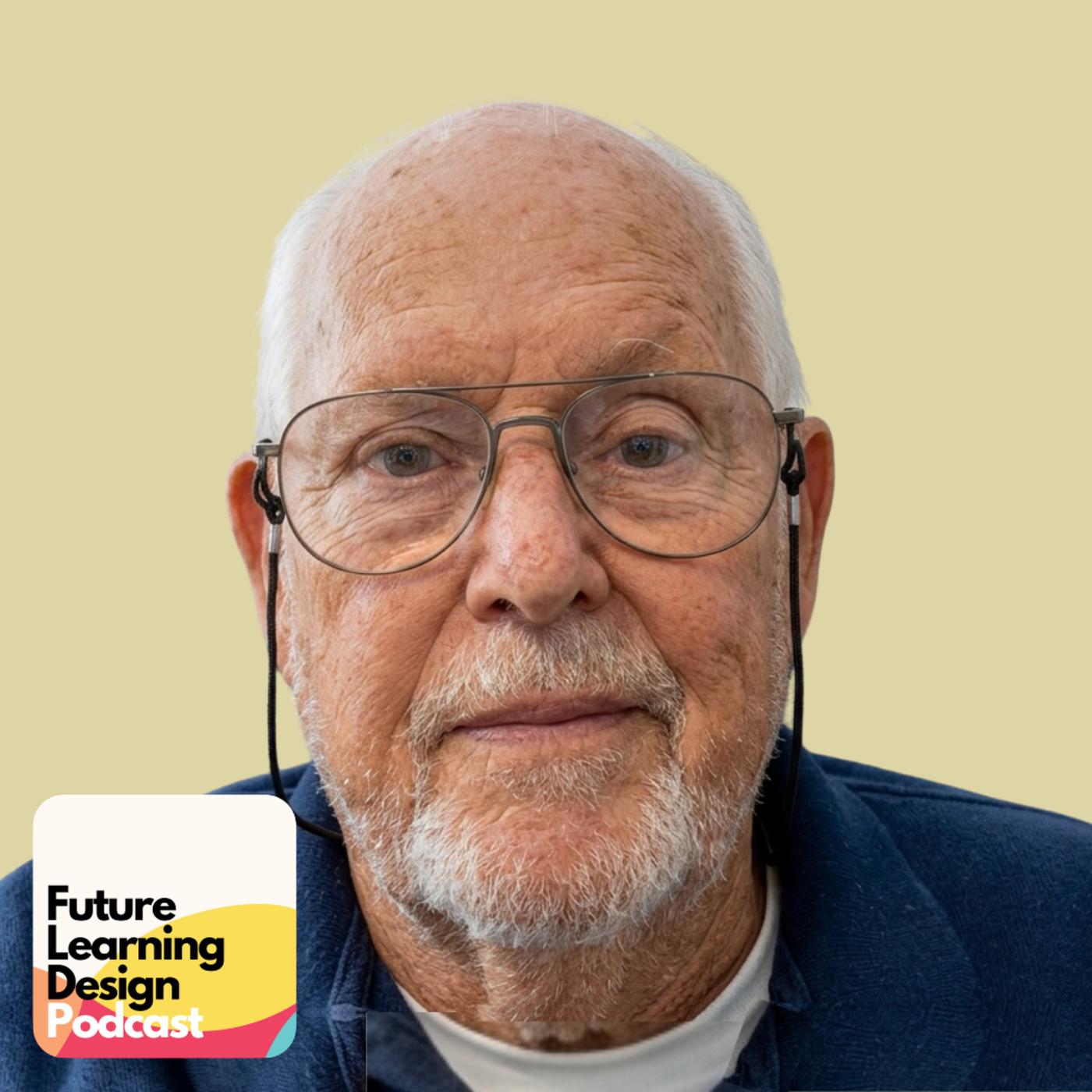
"How do we learn what we already know?" (Carlos Alvarez Pereira). A lot of so-called innovation is old ideas, tried in a different place at a different time, packaged up in new wrapping to seem like a "new" idea. Whether it's from 50 years ago or 10000 years ago, there is a huge…
Tuyên bố miễn trừ trách nhiệm: Podcast và tác phẩm nghệ thuật được nhúng trên trang này là của Tim Logan, là tài sản của chủ sở hữu và không được liên kết hoặc xác nhận bởi Listen Notes, Inc.
CHỈNH SỬA
Cảm ơn bạn đã giúp cơ sở dữ liệu podcast luôn cập nhật.
