
BU BÖLÜM HAKKINDA
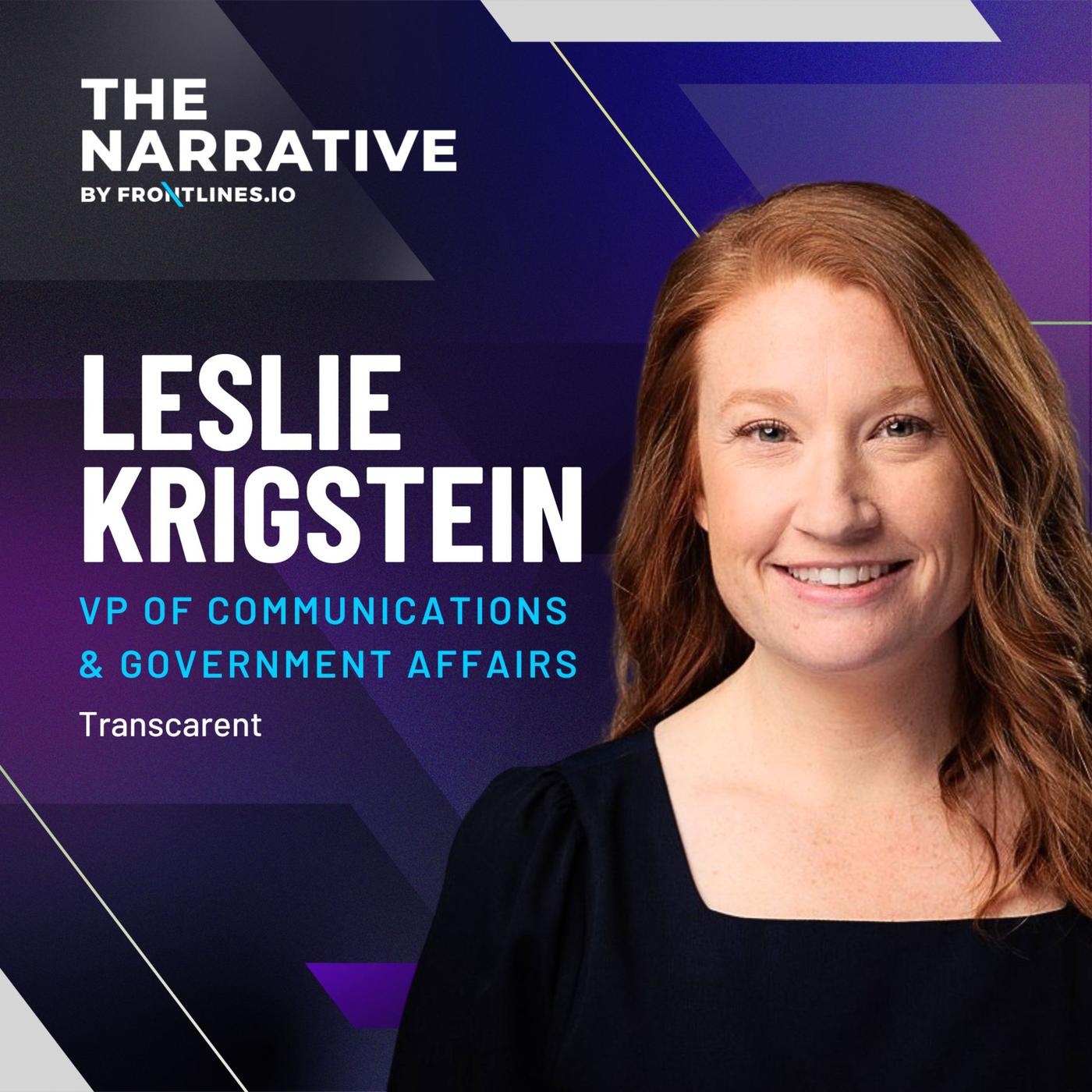
Leslie Krigstein didn't come up through a traditional PR path. She started in a mayor's office, spent years on Capitol Hill, and built her chops as a lobbyist before landing at Transcarent — a health tech company sitting squarely at the intersection of AI, data privacy, and an increasingly aggressive regulatory environment. When Transcarent's head of communications left, the CEO didn't look far: Leslie, who'd been running government affairs, was handed both programs.
That hybrid seat — owning communications and government affairs simultaneously — is the lens through which this entire conversation runs. In a moment when AI legislation is churning out faster than most founders can track, when a single post on X can trigger a regulatory inquiry, and when a congressional hearing can either legitimize or crater a young company's brand, Leslie makes the case that comms leaders who treat policy as someone else's problem are operating with a blind spot that could be fatal.
Topics Discussed
How a Transcarent clinician's testimony before the House Energy and Commerce Committee on healthcare AI — alongside Fortune 500 companies — became one of the company's most powerful brand moments at an early stage
The preparation framework Leslie uses for congressional testimony: pre-meetings with committee staff, murder board sessions tailored to specific members' personal agendas, and managing the difference between an educational hearing and a hostile one
Why a congressional hearing room is one of the most underrated brand stages available to a startup — and how to get invited to one
The tactical entry points for founders who want to build a government affairs function without a DC office: trade associations like CTA, public comment letters, and direct constituent outreach to local congressional offices
How Leslie navigates the political chameleon problem — staying close to the center across administrations without becoming disingenuous or getting pulled into a partisan vortex
Why regulation can be a competitive gift for early adopters who invest in compliance infrastructure — and a slow-motion death sentence for those who don't
Comms Lessons for Founders & Leaders
A hearing room is a brand stage — use it. Leslie's framing is direct: "A hearing room can be one of the most important or impactful brand stages." When a Transcarent clinician testified before Congress on healthcare AI, investors immediately pointed to it as a defining moment of credibility. For a young company sitting next to Fortune 500 giants on the same panel, the brand halo is enormous and essentially unearnable through paid channels.
If you're not at the table, you're on the menu. Leslie quotes a colleague's line that she's internalized as a governing principle. In fast-moving, heavily regulated industries — and at this point, if you're building with AI, that means you — waiting until regulation arrives to engage is a losing strategy. The companies that get favorable rules written are the ones that showed up before anyone was asking.
Public comment letters are an underused comms asset. When federal agencies open comment periods, anyone can respond — and those comments must be read and addressed in the final rule. Leslie's point is that a two-page letter isn't just a policy play; it's a public signal that your company is engaged, expert, and serious. "That demonstrates that you are a leading company that's engaged and wants to be a voice at the table."
Prep for the hostile questioner the same way you prep for the hostile journalist. Whether it's a senator going for a YouTube clip or a reporter convinced they have a scoop, the playbook is similar: know their likely underlying motive, prep your spokesperson for the specific angle, and stay calm. You can't control the question, but preparation determines how much damage it can do.