
BU BÖLÜM HAKKINDA
Addiction or Choice? Understanding Sexual Compulsivity, Responsibility, and Recovery
When sexual betrayal occurs, one of the most difficult questions is: Was this an addiction, or was it a choice?
For betrayed partners, that question is rarely just intellectual. It can quickly become deeply personal: If my partner chose this behavior, does that mean they chose it over me? Was I not enough? Was there something wrong with me?
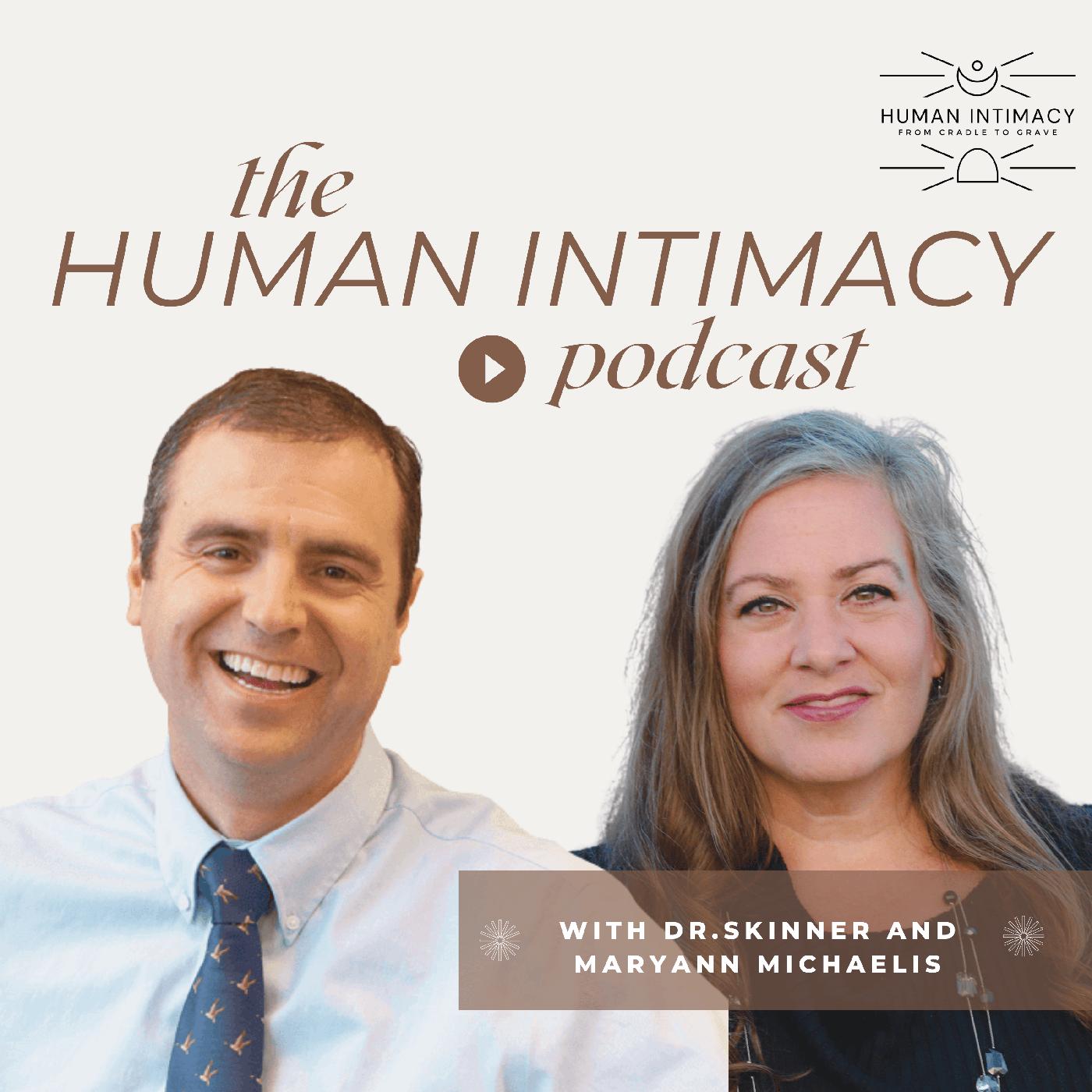
In this episode of the Human Intimacy Podcast, Dr. Kevin Skinner and MaryAnn Michaelis explore the complicated relationship between sexual compulsivity, addiction, and personal choice.
Repeated sexual behaviors can be influenced by early exposure, emotional distress, neurochemistry, learned coping patterns, and years of reinforcement. Over time, these patterns can narrow a person's perception of the choices available to them. But understanding why a behavior developed does not remove responsibility for it.
Instead, recovery involves developing greater choice.
Dr. Skinner and MaryAnn discuss how individuals can move from automatic or compulsive patterns toward greater awareness—learning to recognize triggers, regulate difficult emotions, reach for support, develop healthier coping strategies, and intentionally choose different responses. With practice, what once felt like the only available option can become one of many possible choices.
For betrayed partners, however, understanding addiction is only part of the healing process. An addiction framework should never become an excuse for deception, minimization, blame, or avoiding responsibility.
Relational healing requires accountability.
The acting-out partner must become increasingly capable of understanding and communicating what was happening internally, recognizing the thinking and behavioral patterns that contributed to their choices, acknowledging the impact of deception and betrayal, and demonstrating consistent change over time.
For the betrayed partner, safety often begins to return not simply because they intellectually understand why something happened, but because they begin to see and experience new patterns in the relationship.
Ultimately, the question may not be simply, “Was it addiction or choice?”
A more helpful question may be:
How does someone move from narrowed choices and automatic patterns toward awareness, accountability, healthier choices, and genuine relational repair?
That is where recovery—and the possibility of rebuilding trust—begins.
Resources Mentioned in This EpisodeRISE: Hope and Healing After Sexual Betrayal
A podcast and companion course created for betrayed partners, particularly those in the early stages of healing. RISE helps individuals better understand betrayal trauma and provides principles and practical steps for beginning the healing process.
RISE Online Companion Course:
https://www.humanintimacy.com/course/hope-and-healing-from-sexual-betrayal
RISE Podcast:
https://rise-hope-and-healing.podbean.com/
Reclaim: Healing from Pornography and Rebuilding Your Life
A podcast and 12-week companion course designed for individuals struggling with pornography. Reclaim focuses on developing greater awareness of behavioral patterns, learning how to respond differently during difficult moments, and understanding how pornography use can affect relationships and other areas of life.
Reclaim Course:
https://www.humanintimacy.com/reclaim
Reclaim Podcast:
https://humanintimacy-reclaim.podbean.com/
Charles Duhigg — The Power of Habit
Referenced during the discussion of habit formation, neural pathways, and the concept of a keystone habit—the idea that changing one important behavioral pattern can begin influencing multiple areas of a person's life.
Human Intimacy
Additional podcasts, courses, and educational resources for individuals and couples experiencing sexual betrayal, compulsive sexual behavior, and relationship distress:
Interested in Group Support?
If you are looking for additional educational or group support, contact: