


BU BÖLÜM HAKKINDA
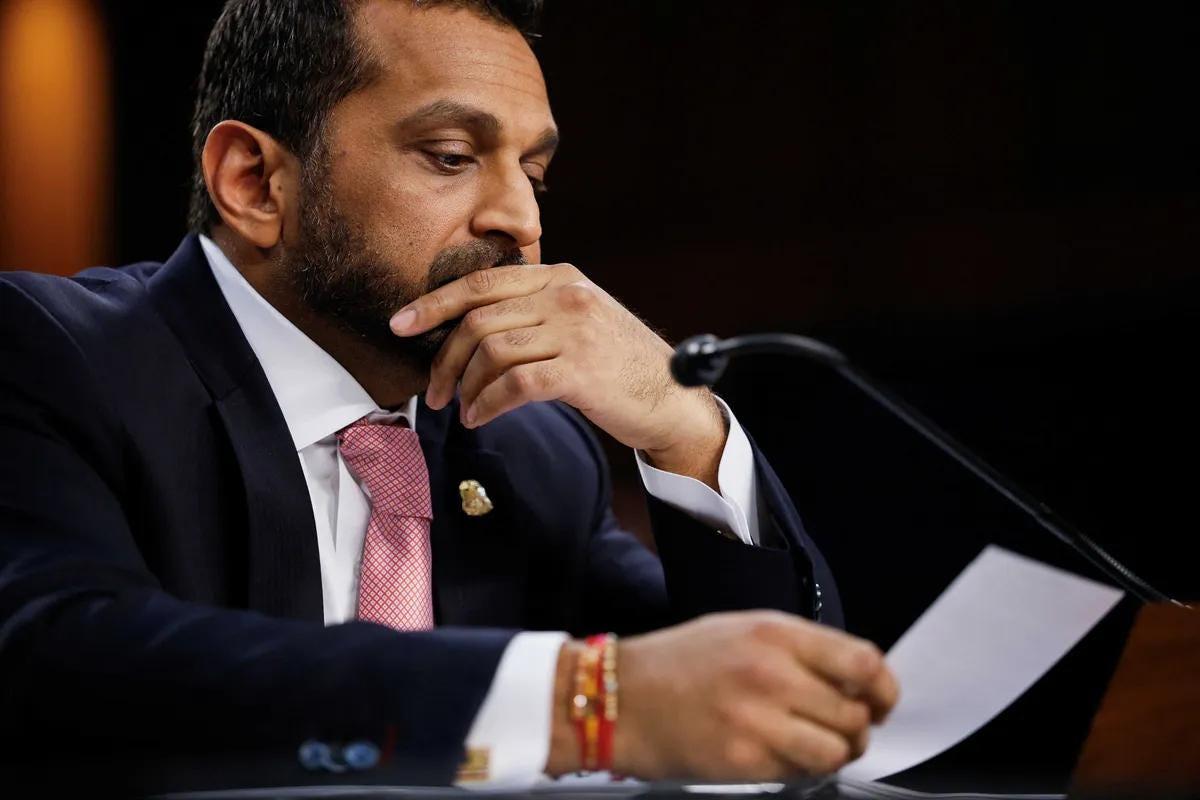
FBI Director Kash Patel testifies before a Senate Judiciary Committee hearing on oversight of the Federal Bureau of Investigation, on Capitol Hill in Washington, D.C., U.S., September 15, 2026. REUTERS/Evan Vucci
The FBI’s Security Claims Collide With Its Own Exposure
A Breach Claim With Real Evidence—and Major Unknowns
ShinyHunters told 404 Media that it stole personal information covering every FBI employee and applicant, including addresses, phone numbers, birth dates and, in some cases, details about spouses. The group supplied a purported 5,000-person sample; 404 Media and Reuters found that some entries matched outside records. But reporters could not determine where the data originated or confirm the group’s claim that it penetrated FBI systems and extracted two to three terabytes. That distinction matters: there is evidence that at least some personal data is genuine, not proof of every claim the hackers made.
The People at Risk Are Not Abstractions
The immediate power here belongs to whoever possesses the records. Home addresses and family information can turn a bureaucratic directory into a map for intimidation. According to 404 Media, criminals in the same ecosystem have previously used stolen phone records to track and harass agents investigating them. The outlet also identified potential value for foreign intelligence services studying the bureau’s personnel and operations.
Help fuel the work. Independent analysis doesn’t fund itself:☕ Buy us a coffee
This is not merely “data exposure,” the antiseptic phrase institutions use when they want human danger to sound like an IT ticket. If the file is as extensive as alleged, employees, applicants and spouses could face consequences from a security failure they neither authorized nor controlled.
ShinyHunters Is Performing Power
The group’s defacement of the FBI jobs website was political theater with a specific target: the bureau’s claim to technological authority. By copying the FBI’s website-seizure language, the hackers attempted to reverse the symbolism of enforcement. Their representative also framed the operation as retaliation after the FBI publicized the group’s methods in May and advised victims not to pay.
That explanation remains the group’s claim, not an established motive. Its denial of financial motivation deserves no automatic credibility, particularly from an operation associated with demands for payment. Calling the contemplated pressure “coercion” instead of extortion does not clarify what ShinyHunters intends to do with the data. It advertises leverage while withholding the terms.
Institutional Silence Is Not an Answer
The FBI did not immediately respond to 404 Media, while its jobs site and Special Agent Applicant Portal were reported unavailable. BleepingComputer later described the outage as maintenance. None of that establishes how the data was obtained, whether internal systems were breached or whether the attackers exploited PeopleSoft and reached Amazon Web Services GovCloud as alleged.
But uncertainty about the intrusion does not erase institutional responsibility. The FBI controls its systems, its vendors and the conditions under which applicants surrender sensitive information. It therefore owes affected people a precise accounting: what records were held, which systems were touched, who was exposed and what protection is being offered. A maintenance notice cannot perform that function.
Congress Was Already Warned About Capacity
The political context sharpens the stakes. At a September 2025 Senate Judiciary Committee hearing, Sen. Dick Durbin said information received by his office indicated that cuts would reduce the FBI cyber division’s personnel by half. FBI Director Kash Patel answered by pointing to increased arrests and convictions under the Trump administration.
That response, as reported, did not address whether the bureau retained enough specialists to defend its own infrastructure and sensitive personnel records. Enforcement statistics are not a substitute for defensive capacity. Arresting more suspects cannot retroactively secure a spouse’s address once it has entered criminal markets.
The reporting does not establish that staffing cuts caused this incident, and the origin of the data remains unresolved. It does establish a serious mismatch in the public argument: lawmakers raised a warning about cyber personnel, while the bureau’s director answered with a different metric.
Security Theater Cannot Secure an Institution
The larger pattern is institutional misdirection through measurement. Officials confronted with questions about capacity often cite visible outputs—arrests, convictions, takedowns—because those numbers project force. Defensive work is harder to stage. Its success usually looks like nothing happening.
Now a criminal group is exploiting that gap, using partially validated personal data and an unverified account of a sweeping intrusion to humiliate the country’s premier federal law-enforcement agency. ShinyHunters may be exaggerating its access; the available reporting cannot settle that question. But the exposure already demonstrates the consequence of treating cybersecurity as branding and enforcement theater while leaving basic questions about staffing, systems and accountability unanswered.
Thanks to Raw Story
Source: FBI blindsided as hackers claim to steal data on ‘all employees’: ‘This is extremely bad’
Systemic Error is a reader-supported publication. To receive new posts and support my work, consider becoming a free or paid subscriber.
We warned them.We told them.We shouted from the rooftops.We plead.We begged.They didn’t listen.Now, we all will suffer.Y’all know what to do, right?VOTE BLUE! 💙Vote as if your life — nay, our country — depend on it.Because, this time, and every time, it does.
This is a public episode. If you'd like to discuss this with other subscribers or get access to bonus episodes, visit paulstsmith.substack.com/subscribe


