
BU BÖLÜM HAKKINDA
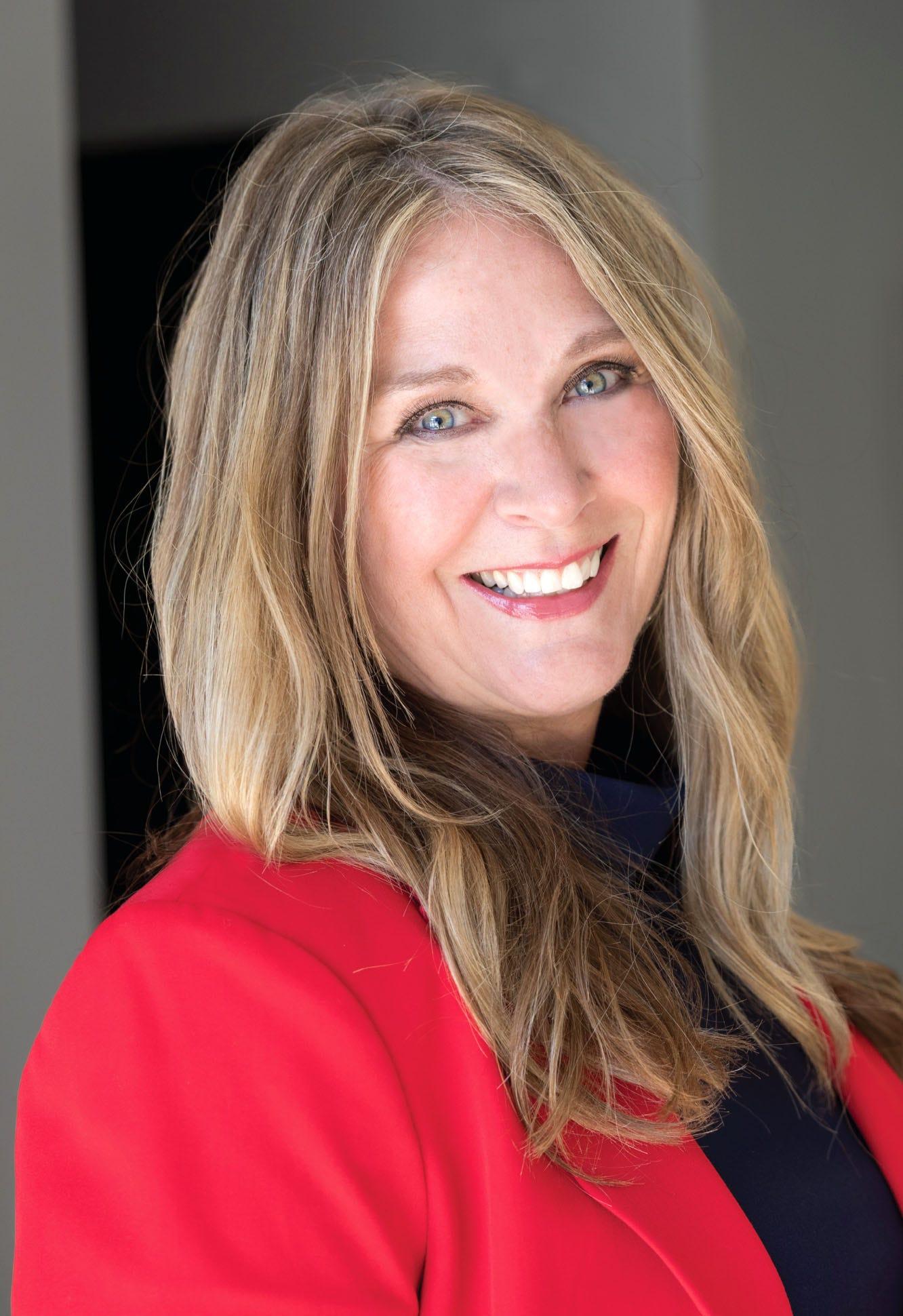
Senator Mykala Voita of South Dakota Senate District 21 joins Dave Roetman to discuss her work on the Appropriations Committee during the 2026 session. Voita reports on a summer study of community support providers, which serve people with intellectual and behavioral disabilities and would be 9.3% or $21.9 million behind their costs under the governor’s recommended budget. She describes an appropriations work group seeking 5% general fund cuts, including unused “phantom” FTEs, and argues the state budgets at too high a level to see program costs, noting a missed chance for deeper detail in the Bison accounting system upgrade. She also discusses SCR 604, designating July as a month of prayer and fasting, SB 124 on lab-grown meat with Representative John Sjaarda, a direct-to-consumer beef sales trigger bill, and her support for SB 88.
Topics: Appropriations Committee, community support providers, Medicaid, state budget cuts, phantom FTEs, Bison accounting system, government transparency, SCR 604, prayer and fasting, SB 124, lab-grown meat, direct beef sales
“The Legislature is the people’s arm of government. When you have the Executive branch running the show, not getting the details to the Legislative Branch, you are effectively cutting out the people in that process, and I don’t think that’s right.” - Mykala Voita
HB 1057 prohibit the manufacture, sale, and distribution of any product containing cell-cultured protein, and to provide a penalty therefor.
SB 88 clarify the procedure for a potential condemnor to examine real property absent the property owner's permission.
SB 124 temporarily prohibit the manufacture, sale, and distribution of any product containing cell-cultured protein, and to provide a penalty therefor.
HB 1064 provide for the sale of producer-raised meat and meat food products directly to consumers pending legalization under federal law.
SCR 604 urging the people of the state of South Dakota to return to the Lord Most High, the Almighty and Uncreate, and plead for His mercy upon the state.
Full transcript
About this transcript: It was machine-transcribed in-house and then edited for readability. Filler words and false starts are removed, and the meaning is unchanged. [?] marks a word or phrase we’re unsure of. Timestamps are approximate.
[00:00]
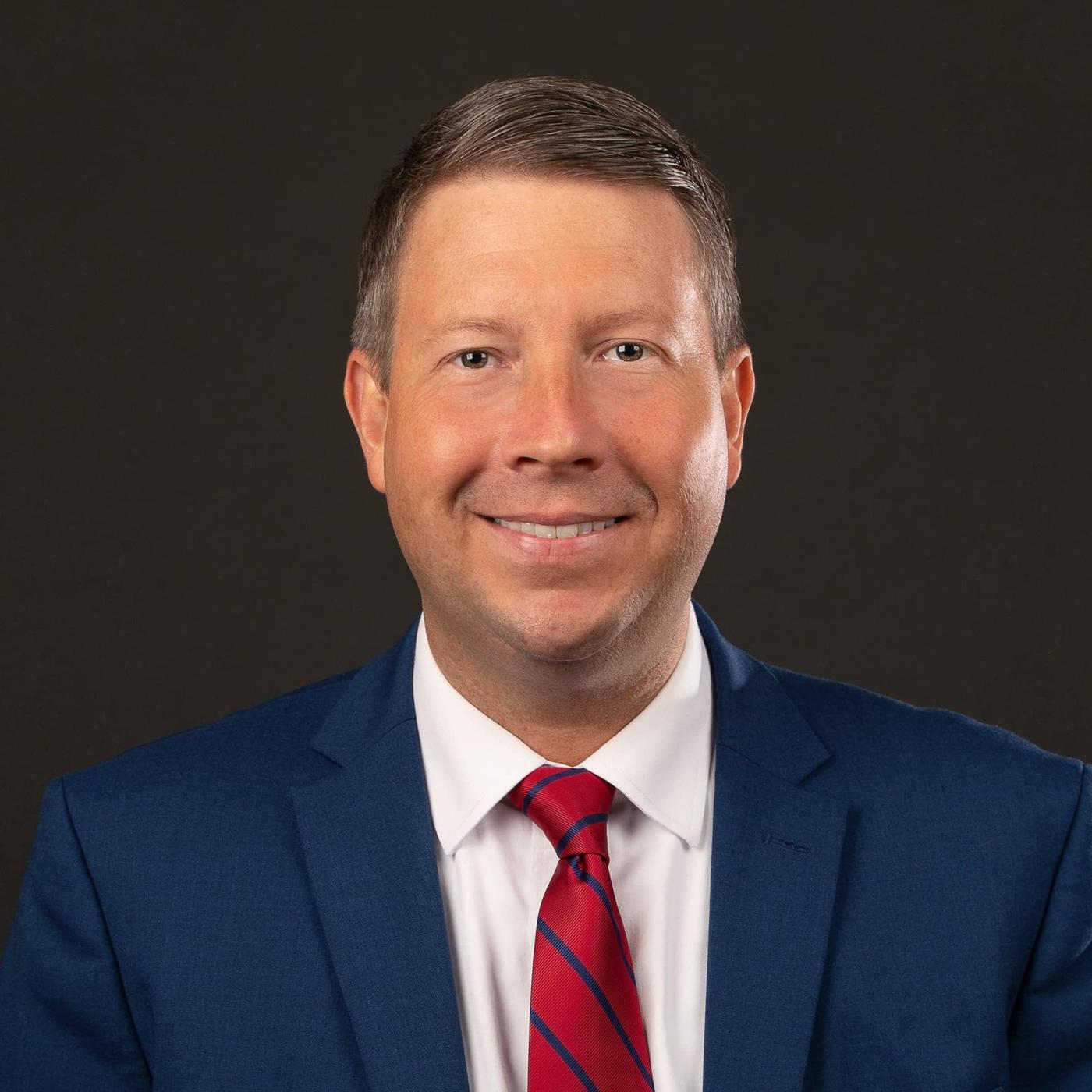
Dave Roetman: This is the Making Waves podcast. My name is Dave Roetman. We’re here with Mykala Voita, senator from District 21. Welcome, Mykala.
Mykala Voita: Hey, Dave. Thanks for having me again.
Dave Roetman: Absolutely. Your last podcast was very popular, so I’m happy to have you on again. Let’s just get right into it. You were on a summer study about the community support providers. Could you tell us a little bit about how that went and what are the issues that are going on with them?
Mykala Voita: First of all, community support providers, they are the folks who basically contract for the state, fulfilling a constitutional duty to care for people with intellectual and behavioral disabilities. These guys, they’re pretty much completely funded by Medicaid, the Medicaid program. There’s several different waivers that they operate under. I won’t get into all the nitty-gritty detail on that because we could be here for a long time, but the summer study was focusing on trying to find efficiencies in both the state and federal methodologies and our waivers.
Because, with inflation, costs go up, trying to retain good help, we just see that the delta between what we are funding at the methodology rate and their actual cost, it just keeps growing. We came out of that summer study recommending the Division of Developmental Disabilities to work on their new waiver, which will be renewed in 2027. So they’re already starting to work on that. And we’re trying to work in some changes in billing and stuff like that that we hope will take some of the administrative burden back off of these folks.
Other than that, we just we’re going to have to put our brains together and come up with something creative to find another revenue stream to help keep the ongoing dollars that is the state’s duty to fund, keep that level up. In 2023, the community support providers were funded at 100% of their methodology, so 100% of their cost. That gap has been growing since. Currently, if we don’t do anything other than the governor’s recommended budget this year, they’re going to be 9.3% behind or $21.9 million in total, unfunded services.
$10.8 million of that will be the state share. That’s where we’re at with that so I hope that we can work a little bit something out to catch some of that up.
Dave Roetman: That’s a large gap in a very short period of time and that’s largely due to inflation?
Mykala Voita: Yeah inflationary increase workforce I mean we know that everything just keeps going up.
Dave Roetman: Yeah, and it’s important work, and it’s constitutionally mandated. Yes. All right, well, I hope we can resolve that problem. You’re also, besides appropriations, and you’re on a subcommittee. Could you tell us a little bit about the subcommittee and what that’s about?
Mykala Voita: I got put on a subcommittee. We’re calling it the 5% cut. What we’re doing is we’re looking for 5% reductions in the general fund budget. Our state budget, we have general funds. Federal funds and other funds. We are trying to find places where we can find reductions, unutilized FTEs, analyzing different rates that we use to calculate our budgets, our revenue, and see can we put our heads together and find 5% that we can cut from the general fund.
It’s been very interesting trying to dig into this and I actually started digging into this back in during the interim because this is something that has been one of my goals since I’ve been on appropriations. The problem that I’m finding, the problem that I’m running into is that we budget at such a high level that when we have agencies come in, they give us their budget hearing. A lot of the agencies have different divisions underneath their agency and the level that we budget at, so where we can actually see the state accounting system.
It’s so high that, we don’t have the details of what programs are actually operating under each of these. Divisions, or they’re called budget centers. We don’t get to see the actual budget cost of each program. So when you’re trying to find efficiencies and programs that aren’t necessary or statutorily required, it takes a lot of investigative work. Trying to get information from the agency. Trying to dig into actual raw numbers because you can’t get information from the agency.
It’s going to be interesting to see what we can come up with. We’ve got a list of several things that we asked staff to help us find. We’re creating a list of unutilized FTEs, we call them phantom FTEs. There’s agencies that have over-budgeted allotments of FTEs that are historically unused.
[05:00]
They just sit there open. When it comes to the next year, those could come back in reversions and that’ll be where some of your one-time funding comes in that the state always fights over. Another thing that contributes to one-time funding is under forecasting revenues. If you set your revenue projections and you have your budget actuals come in, and you have extra money, well that’s another thing that’s going to get tucked in as excess or can get tucked in as excess that next fiscal year.
Another thing is looking at Department of Education trends. I will give the department this they did finally lower their projected student enrollment this year which historically they had been holding out. They had been over budgeting for what the actual student enrollment was so that left extra money in that part of the budget. Another place is the medicaid enrollment and medicaid eligibles versus what was utilized there’s a lot that goes into that trying to find the historical forecast of are we over budgeting there because once again that’s extra money that it’s gonna get it’s going to get stuck in other places.
So it’s just it’s very interesting. It’s been a very thorough learning process for me really digging into the nitty-gritty of all this.
Dave Roetman: Sounds like that’s a lot of detail. This is something that’s going to go on just this legislative session or is this going to be an ongoing thing throughout the year? The subcommittee.
Mykala Voita: Well this is it’s one of our appropriations work groups. We are slated to meet up to five times and then report to the committee with our findings. I think this is something that should be continually done by people that are on appropriations. If we could budget at a deeper level than we do right now. That would require a very committed, appropriations committee, but in my opinion, that is what the appropriations committee’s job is.
The legislature is the people’s arm of government. When you have the executive branch running the show, not getting the detail to the legislative branch, you’re effectively cutting out the people in that process, and I don’t think that’s right.
Dave Roetman: Yeah, it sounds to me like there needs more transparency in government here.
Mykala Voita: So good luck with that. Oh, we had a great opportunity to push for that with this project Bison that’s coming online soon. They’re making changes to the accounting system and how the state can share records and stuff like that. It’s just a huge upgrade because we were operating a dinosaur in South Dakota.
Dave Roetman: Tell us about that. What is Bison?
Mykala Voita: It’s a tech IT project. They’re updating all of the accounting stuff. There’s going to be way more transparency, way more checks and balances to help combat possible fraud, stuff like that. And when they were designing this, we had discussions. Do we as the legislature do we as the appropriations committee want to push to go deeper than just the budget center so like i said the programs right well there was all kinds of pushback on us going deeper than the budget center because then, well, one, it takes control away, but two, I think there was people that probably didn’t want to have to put in that much effort.
They kept arguing, oh, well, you’re going to be telling them to buy red pens or blue pens. It’s like, that’s not what we’re talking about here. But there just wasn’t enough willpower. In the Appropriations Committee to get that pushed to do that. It would have been a great opportunity.
Dave Roetman: I think so too. I mean, if you can upgrade your, update your software, it should be top-down all the entire system. Yeah, I agree. I’m going to help with the transparency, so I’m all about that. Let’s move on a little bit to some of the bills that you’re going to be co-sponsoring or prime sponsoring or being in support of this legislative session. Let’s just talk a little bit about SCR 604.
Mykala Voita: Can you tell us a little bit about that? It’s a concurrent resolution. There’s no like law. There’s no force of law behind it. It’s basically the legislature taking a position and making a declaration. This was something that God put on my heart when I first got in the legislative legislature. The state of Tennessee actually passed one it was just a single year one a couple years ago and then last year they passed one very similar to this where the month of July is annually designated as a call to prayer and fasting in South Dakota.
Now the reason this is important to me is because When you read through the Old Testament, you see the leaders that they were brought up and they fell.
[10:00]
And it was directly correlated with, were they obedient to God? Did they actually walk in what God was calling them to do? And I feel like this is something that God was telling me to do and I started kind of working on it last year, but I just it wasn’t the timing wasn’t right. And then Tony Randolph, Representative Tony Randolph, he’s the one priming it in the house. We had some pretty good conversations about it.
We prayed about it and we worked on it over the interim and we’re like, yeah, I think God’s saying get this done. Tennessee, when they pass theirs... The guy that sponsored it there actually went clear across the state meeting in the counties, praying with people clear across the state. And I think that’s huge because, God wants unity with his people. He wants us all to come together and admit that we can’t do it without his blessing.
And, also in Ephesians 6-12 it says we wrestle not against flesh and blood but against principalities against powers against rulers of the darkness of this world against spiritual wickedness in high places. That is directly what this is about. I’m on the Appropriations Committee. I see the departments come in, tell us their issues, how much money they’re throwing at these issues, trying to correct things, the correction system, the school systems, all of it.
And we think that throwing money at something is going to fix it, but it’s not. It’s changing hearts of people and you can’t legislate that. So what this resolution is doing is just admitting that. We can’t fix everything through legislation and we call upon the people just like john adams did just like so many of our other founders did we call upon the people to come together and take.
Dave Roetman: It to the one who can’t change it seems very appropriate for today well there’s a couple other bills that are Fairly near and dear to my heart involving steak. So there’s SB 124. This is about lab-grown meat products.
Mykala Voita: Representative John Sjaarda is actually the one who brought this bill last year in the House. It made it through the House and it died in the Senate by one vote. This year, he asked me if I would be willing to introduce it in the Senate. We’re kind of taking a two-prong approach at this. We are introducing this one in the Senate. Julie Auch has another bill. It’s a little bit different. Hers is basically what Nebraska passed this last year, stating that lab grown meat, remember the technical terms for it, are designated as adulterated food.
We got two bills running to try and tackle this issue because, I mean, we just feel that there hasn’t been enough research into this to declare it food. There’s proprietary information that they will not release to the public for what are you ingesting? How has this stuff grown? The FDA is pretty much hands-off on it when it comes to human consumption, and so we just feel that it’s appropriate for the state to step in and put a pause on this.
We need way more research, way more time into it, and quite frankly we’re a beef state and there’s no need for lab grown meat. And I know that I’m a free market person, but like I said, there’s been no research into the long-term effects of this. The bill that John Sjaarda and I have, it has a 10-year sunset clause in it. The legislature can look at it again in 10 years and decide if they want to repeal it or leave it there.
That’s what that one’s about.
Dave Roetman: I’m a free market guy too but if they’re not going to tell us what’s in it, the answer is no. That’s that should be this is food this is not something that’s proprietary it’s food and they can’t tell us what’s in it then no they can’t sell it to people that’s my opinion about that so you have another bill though about producers being able to sell directly to consumers.
Mykala Voita: Yeah, I’m just a co-sponsor on this one, but I think it’s a great idea. Representative John Schubeck [?] is the one who introduced this bill, and it’s effectively a trigger law. This would allow the producers to sell directly locally to consumers, as long as the consumer agrees not to resell it or donate it or anything like that, understanding that they’re buying direct from the consumer or direct from the producer. But until the federal government changes their laws regulating.
Beef for consumption, this won’t go into effect.
Dave Roetman: So it’s a trigger law depending upon whether the feds change their laws or rules regarding meat processing plants essentially? Yep. Okay, that seems reasonable to me.
[15:00]
I mean, we have an issue with very few meat processing plants and that is a bottleneck. And it seems to me that producers should be able to sell their product directly to consumers.
Mykala Voita: Yeah. And I mean, currently the practice that we have in South Dakota, people just buy a beef, they buy the beef live. Take it to the locker, and then they could have it processed by a non-USDA inspected locker. But this would just align that and make it much more reasonable.
Dave Roetman: That seems reasonable to me. I mean, I know people who’ve owned restaurants. And they said that they’d love to be able to buy half a beef they do it every week and that they can process it right there in their kitchen they’ve got all the facilities for it and they don’t see why they can’t just do that that sounds very interesting i’m in favor of it and i like steak so you have any final thoughts it has been a very.
Mykala Voita: Crazy first couple of weeks but I think that there is some pretty important issues to tackle. I’m gonna throw a bone out to I believe it’s SB 88 and the constitutional amendment for the eminent domain no eminent domain for private gain and changing those surveying laws. I think those are great bills. Fully in support of them. Can’t wait till we hear them in the Senate. Other than that, pray for your legislators and I appreciate taking the time to listen.
Dave Roetman: Well, thank you, Mykala. Really appreciate it. This has been the Making Waves Podcast. My name is Dave Roetman. We’ve been here with Mykala Voita, District 21 Senate. Thanks, Mykala.
Mykala Voita: Thanks, Dave. Thank you. Thank you.
This is a public episode. If you would like to discuss this with other subscribers or get access to bonus episodes, visit daveroetman.substack.com