
BU BÖLÜM HAKKINDA
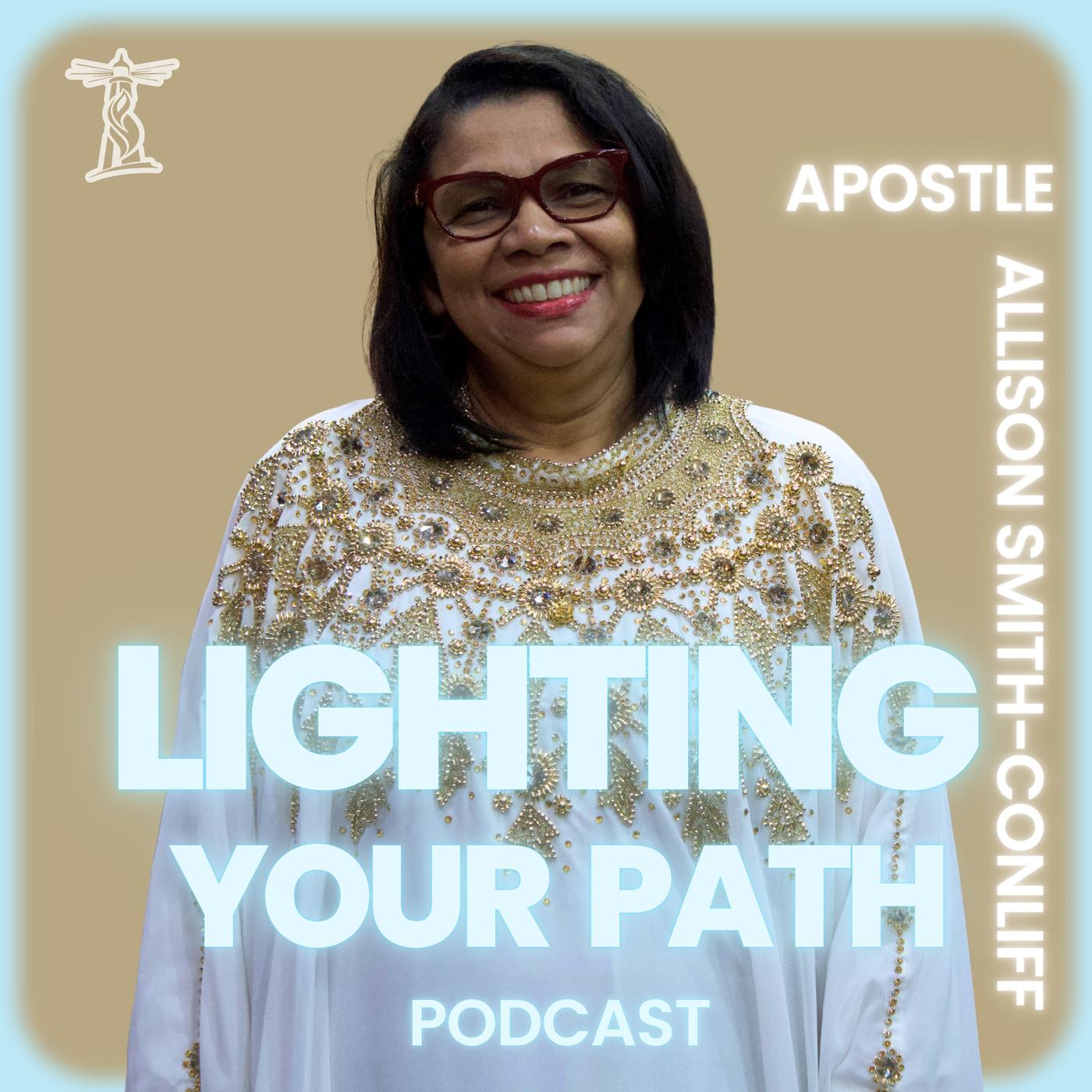
Apostle Allison Smith Conliff delivers a sobering message calling believers to abandon empty religiosity, cultivate a deep spiritual thirst, and walk in total consecration. Grounded in scripture, her message emphasizes that divine authority and miraculous power require holy, available vessels who take God at His word.
1. Authentic Spirituality vs. Empty "Hype"
Apostle Conliff opens by urging the congregation not to fail in their duty to share the gospel. Drawing from the Apostle John's character and writings, she distinguishes true Christianity from mere "hype" or religious formalism. She asserts that believers are not called to be "religious people," but to live a deeply spiritual life in alignment with the Holy Spirit. Preparing for Christ's return requires absolute obedience, following God's direction without double-mindedness or questioning.
2. The Dangers of "Playing Church" and Compromise
A major focus is a stern rebuke against living a double life. Apostle Conliff shares a sobering account of a request to pray for a sick churchgoer who lived simultaneously in the church and the world. Through spiritual discernment, she refused to go where God did not send her, noting that at the threshold of death, the individual suffered terrifying visions of dark figures because they played with God’s mercy. She emphasizes that human pride is limited; no matter how powerful someone claims to be, they cannot raise themselves or wash their own hair when death arrives.
3. Holy Vessels and Miracles
Apostle Conliff teaches that God performs extraordinary miracles, such as the healing of Sister Sandra Boodoo, who arrived needing ushers to lift her up the stairs due to a heart stent and walked down unassisted, through available vessels who "walk holy". She warns that one cannot indulge in worldly partying on Friday night and expect to be used by God on Sunday, as every action carries spiritual consequences.
4. Unashamed Worship and Overcoming Fear
The Apostle challenges believers to break fear and engage in bold worship rather than remaining "stush" or worrying about foundation and lipstick cracking. Using the analogy of medical visits, she notes that people readily strip down into a blue hospital gown when in physical pain despite the shame. Believers must show that same urgency in glorifying God, using the word of their testimony and the blood of the Lamb to overcome the enemy.
5. Thirsting for Living Water
Referencing the Feast of Tabernacles, Apostle Conliff contrasts physical drinks with the "living water" offered by Jesus. She critiques spiritual apathy, such as yawning during worship or watching the clock after 40 minutes, as proof of thirsting for worldly distractions rather than God. Believers must become "addicted to Jesus," using the Word as a lamp to avoid walking in darkness.
6. Cleaving to Christ and Avoiding Backsliding
Apostle Conliff calls the church to fight the "faith fight" rather than fighting in the flesh, echoing Elijah’s call to choose between God and Baal. Sharing her personal testimony of surviving a near-death encounter when God granted her more years to serve Him, she urges believers to cleave to Christ, eliminate gossip, and cultivate a deep spiritual love affair with the Savior. She warns against backsliding, citing the author of "The Anchor Holds," who fell away by taking eyes off the Master to chase earthly things.
Rec. Date: 25th September, 2025