

เกี่ยวกับตอนนี้
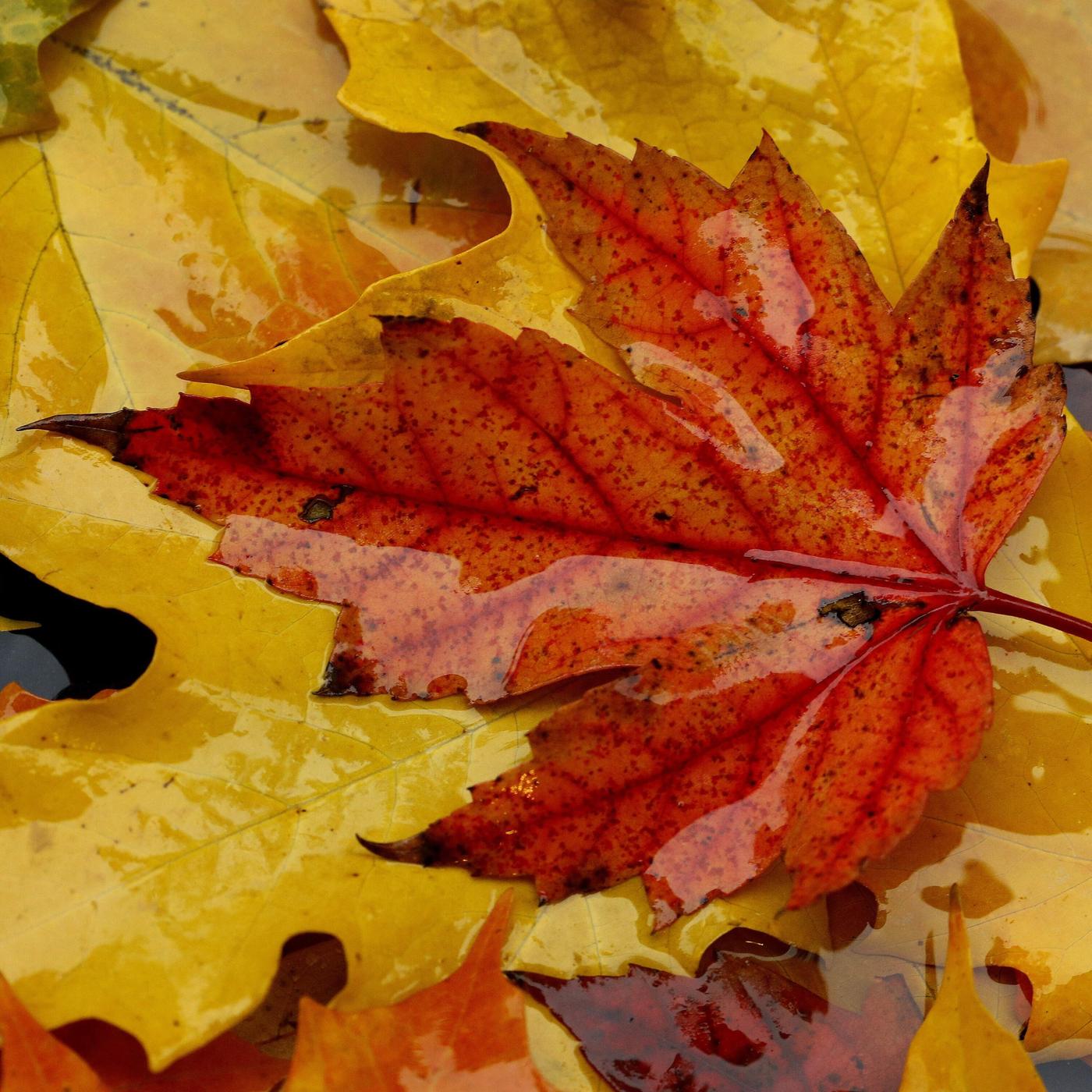
Leaves turn yellow in the fall because Chlorophyll breaks down, revealing the yellow pigment that was there all along. But why red? Red is a different story altogether. Leaves have to make a new pigment to turn red. Why would a dying leaf go an extra mile to do that? Scientists don’t really know. NPR science correspondent Nell Greenfieldboyce reports on the leading hypotheses out there.
Read more of Nell's reporting on this topic.
Interested in more seasonal science? Email us your ideas at shortwave@npr.org.
Support public media with NPR+ and enjoy perks for over 25 podcasts like this one. This show’s perks include sponsor-free listening. Learn more at plus.npr.org.
See pcm.adswizz.com for information about our collection and use of personal data for sponsorship and to manage your podcast sponsorship preferences.
NPR Privacy Policy
ภาษาอังกฤษ
สหรัฐอเมริกา
สำเนาบทสนทนา 🔗
Are you the producer of this podcast?
Add a podcast transcript
Need Audio-to-Text?
Transcribe with Listen411 in Just 60 Seconds
ตอนอื่นๆ ใน PODCAST นี้

Police departments across the U.S. are installing Flock cameras, saying the surveillance devices help deter theft and solve crimes, like helping find stolen property and missing people. But as the technology and its use by federal agencies expands, a handful of people have taken matters into their …

In 2022, parachutist Luigi Cani dropped 100 million seeds over the Amazon rainforest while skydiving. He did it to raise awareness about deforestation and help regrow the forest. But there has been little scientific follow up to see whether it worked. So, today, we talk to restoration ecologist Ped…

Saunas have gone from a Scandinavian tradition to a global wellness phenomenon. But how long should a person endure heat? Do saunas actually work? And if so, what are their benefits? NPR health reporter Will Stone goes as deep as the science will let him to explore the sauna hype waves and find out…

While dinosaurs roamed the earth, giant monsters roamed the sea. Mosasaurs were like the deadly T-rexes of the ocean: They grew up to the size of a bus and chased down their smaller prey. A recent study in the journal Current Biology details just how exactly they might have done that. And the answe…

It's Halloween season — and what better way to celebrate October 13th than to explore the haunting sound of fear? That's exactly what we do in this episode, where host Regina G. Barber and NPR science correspondent Nate Rott dive into the science behind the sound of fear. Along the way, they find o…
ข้อสงวนสิทธิ์: พอดแคสต์และอาร์ตเวิร์คที่ฝังอยู่ในหน้านี้มาจาก NPR ซึ่งเป็นทรัพย์สินของเจ้าของและไม่มีส่วนเกี่ยวข้องหรือรับรองโดย Listen Notes, Inc.
