

เกี่ยวกับตอนนี้
AI coding tools are everywhere, but how do you prove they're actually making engineers more productive?
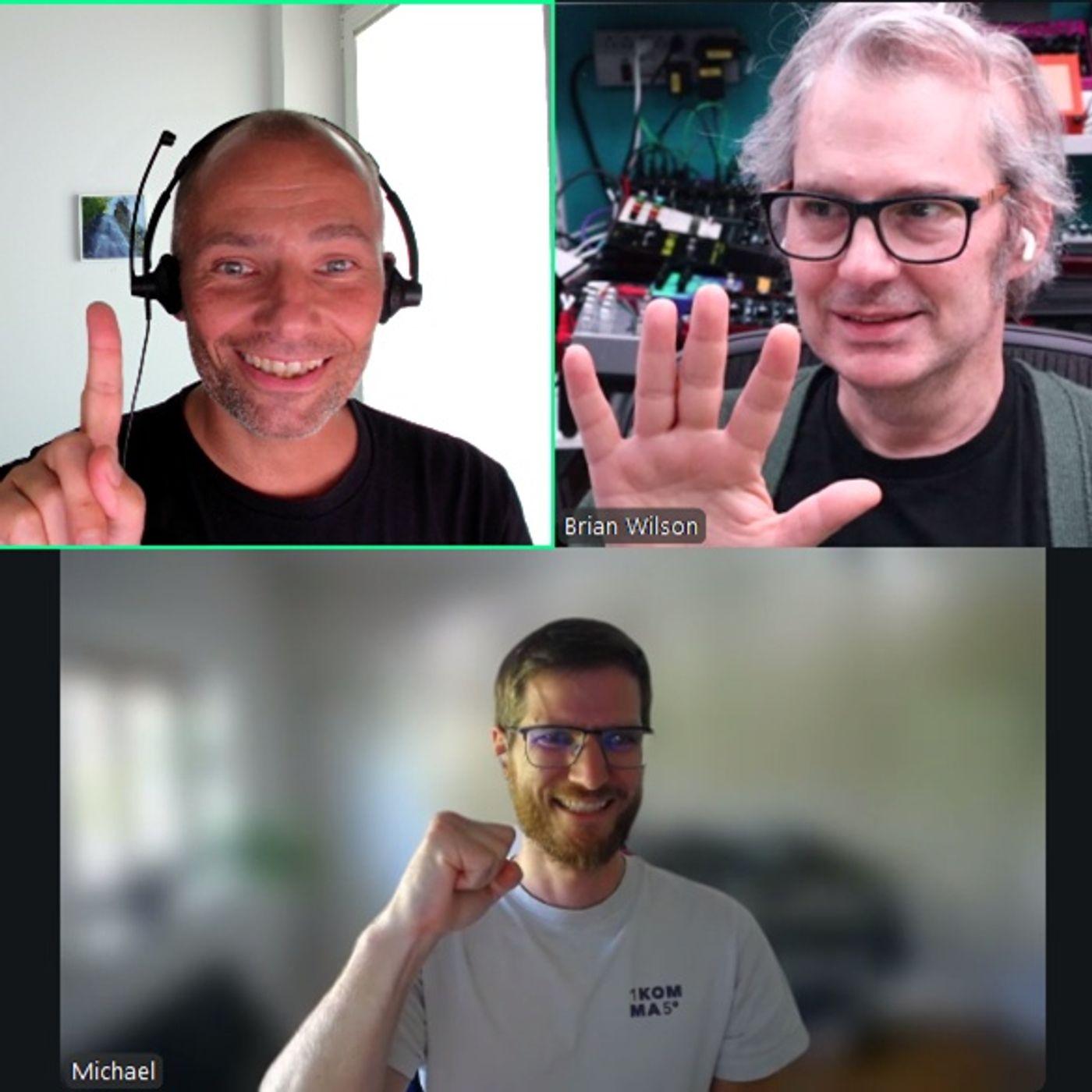
In this episode of PurePerformance, hosts Brian Wilson and Andi Grabner welcome Michael Reichenbach, Platform Engineer at 1KOMMA5°, to discuss the company's journey toward more than 80% AI-written code. Rather than relying on anecdotes or hype, Michael shares how his team designed a real experiment to measure the impact of AI-assisted development.
We explore the metrics they chose, why traditional DORA metrics such as deployment frequency and change failure rate were not the right indicators, and how they instead focused on "Time to Code" from ticket creation and first commit to merged pull request. Michael also explains how AI lowered the barrier for contribution across the organization, enabling even non-engineering teams to prototype and build solutions faster.
The conversation also dives into the operational side of AI adoption, including AI observability dashboards, budget controls, Slack alerts, usage monitoring, and the surprising decision to intentionally limit AI spending during their proof of concept.
Whether you're evaluating Cursor, GitHub Copilot, or other AI coding tools, this episode offers practical lessons on measuring value, maintaining quality, and scaling AI adoption responsibly.
Links we discussed
Michael's LinkedIn: https://www.linkedin.com/in/michael-reichenbach/
Klaus's LinkedIn: https://www.linkedin.com/in/langenheldt/
Talk at Cloud Native Munich: https://www.youtube.com/watch?v=Ntf0h0vFuMQ
1Komm5 Website: https://1komma5.com/
Kenote from KubeCon: https://youtu.be/P1phxZHJGrA?t=570&is=9DYnbK8VGorMmaXo
Michael's YouTube Playlist: https://youtube.com/playlist?list=PLn-u2xOcMlXlVweZ0aB4pu6VM6Xv6895i&si=MZ6jzF-VwIAY3HFF
ภาษาอังกฤษ
สหรัฐอเมริกา
เนื้อหาที่โจ่งแจ้ง
ในตอนนี้
สำเนาบทสนทนา 🔗
Are you the producer of this podcast?
Add a podcast transcript
Need Audio-to-Text?
Transcribe with Listen411 in Just 60 Seconds
ตอนอื่นๆ ใน PODCAST นี้
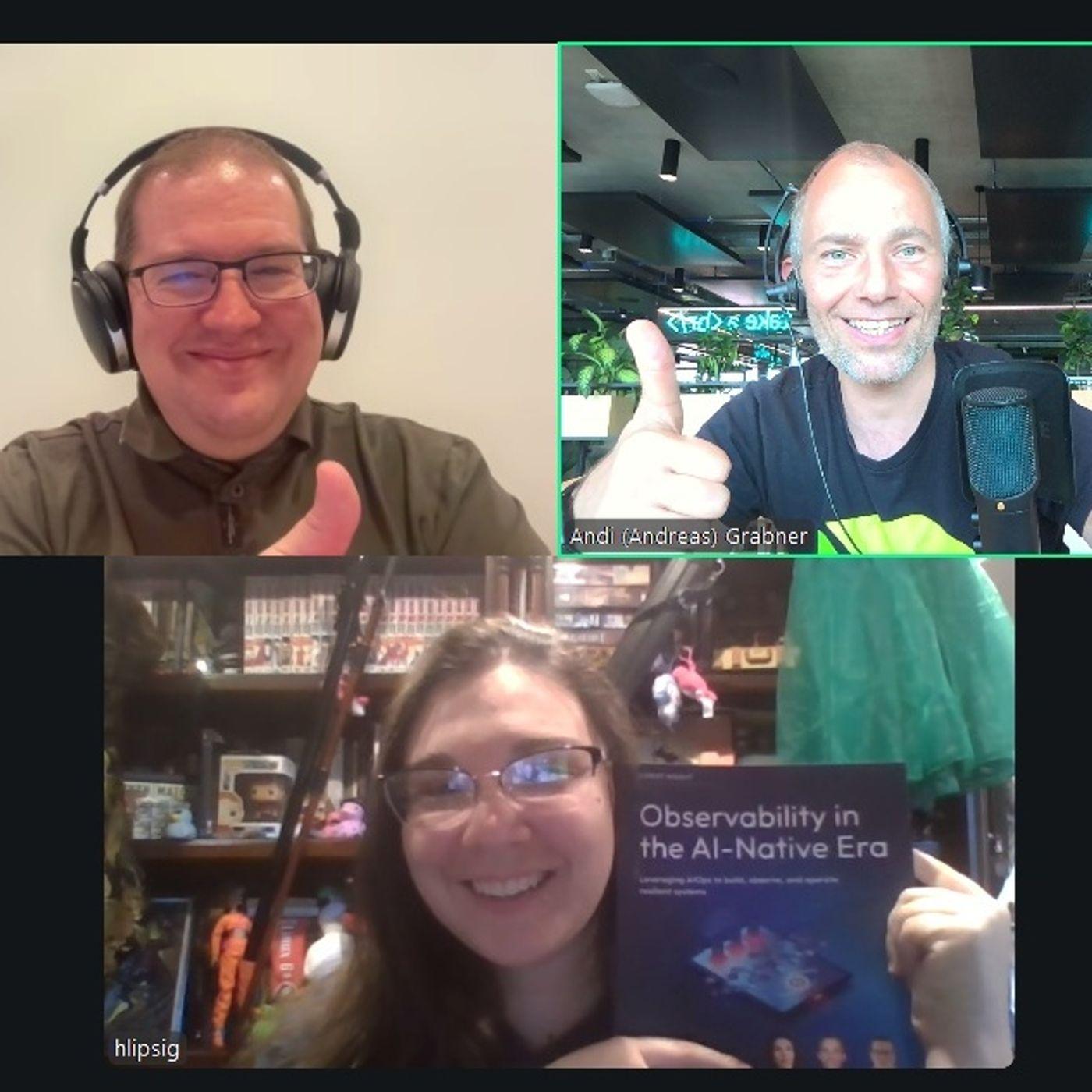
As the software world is transforming from cloud native to AI-native, observability must transform with it. But how exactly? How do we apply this in an existing enterprise with established processes and practices?In this PurePerformance episode, Andi Grabner hosts Hilliary Lipsig and Rob Rati to di…
I still hear people say, “OpenTelemetry is vendor-neutral, so you can switch any time!”In this episode, Adriana Villela and Josh Lee (both active OpenTelemetry contributors) help bust that myth.While OTel standardizes instrumentation and signal transport—and unlocks a rich ecosystem of tools—switch…
Its rare - but it happens: A guest-free episode of PurePerformance, allowing Andi Grabner and Brian Wilson reconnect to share real-world insights from recent months in the cloud-native and observability space. From KubeCon Amsterdam experiences and the strength of open-source collaboration to emerg…
In this episode, we explore how AI is transforming education, from classrooms to corporate training. What changes are needed in schools and universities? How does AI affect both students and educators? And how should companies rethink internal training and hiring to stay competitive?To answer these…
In 2011 Heroku defined the 12 factor app to remove emerging bottlenecks as developers tried to scale their output when they moved from building monoliths to microservices. In Platform Engineer we see a repeating pattern called the "8 Factor Platform Producers". AI allows engineering teams to speed…
ข้อสงวนสิทธิ์: พอดแคสต์และอาร์ตเวิร์คที่ฝังอยู่ในหน้านี้มาจาก PurePerformance ซึ่งเป็นทรัพย์สินของเจ้าของและไม่มีส่วนเกี่ยวข้องหรือรับรองโดย Listen Notes, Inc.
