
เกี่ยวกับตอนนี้

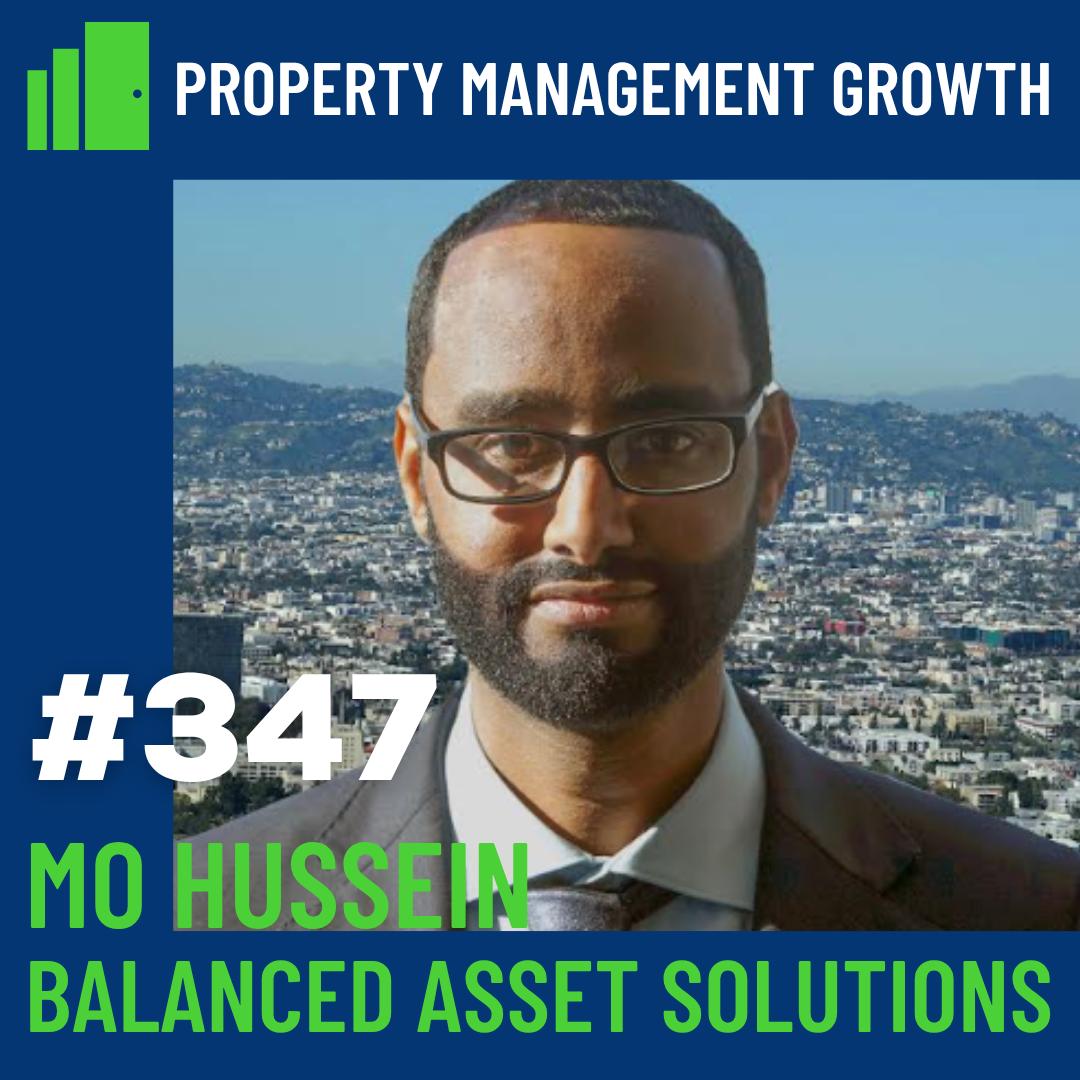
Property management teams are drowning in disconnected software. In this episode of the #DoorGrowShow, Jason Hull sits down with Jake Drutchas of Lodg AI to explore how AI can move beyond point solutions and actually execute everyday workflows.
Jake explains why growing a portfolio usually forces companies to grow headcount, how centralizing data and operations creates real leverage, and where human-in-the-loop decision making still matters. If your team is stuck managing tools instead of outcomes, this conversation shows how technology can expand capacity without constantly adding people.
You'll Learn[00:00] Introduction: Scaling property management without adding headcount [01:28] Why growing doors usually means growing headcount [02:48] Centralizing disconnected tools into one operational room [05:31] Using AI as a team superpower, not a replacement [08:06] Lead-to-lease: speeding decisions without losing humans [13:30] Where human-in-the-loop still matters [18:00] Building with and for property management teams [21:00] How Lodg AI works across workflows [28:00] Customization, maturity, and implementation realities [33:30] How to connect with Jake and Lodg AI
Quotables"We really early on landed on this notion of you have to bring everything into one room. It's got to be centralized."
"When technology is best being applied today, it becomes a superpower for the team."
"How can we get as much leverage for your team to get them focused on and executing on the most high value add tasks and to still be participating in these critical decisions."
"I like to think of us as really a flight controller sitting at the middle of operations, helping the whole team think through and execute on work and pulling in team members when and where they're needed."
Resources
Transcript
Jason Hull (00:00)
Hey everybody, I'm Jason Hull, the founder and CEO of DoorGrow. We are the world's leading and most comprehensive coaching and consulting firm for long-term residential property management entrepreneurs. For over a decade and a half, we've brought innovative strategies and optimization to the property management industry. At DoorGrow, we are on a mission to transform property management business owners and their businesses.
Jason Hull (00:24)
We want to transform the industry, eliminate the BS, build awareness, change perception, expand the market, and help the best property management entrepreneurs win. Now, let's get into the show. All right, my guest today is Jake Drutchas. Did I say it right? You did. All right, awesome. And we're going to be talking about the next evolution of property management technology, exploring how AI can move beyond disconnected software tools to execute everyday workflows, increase your team's capacity, help you scale without constantly adding head count.
Jake Drutchas (00:56)
And we're going to discuss why understanding your business is essential to effective automation and where human involvement still really matters, that human in the loop and where that human connection is important. So that's what we're going to be talking about today. Jake is with Lodg, L-O-D-G dot A-I, Lodg AI. And so Jake, welcome here to the DoorGrow show.
Jake Drutchas (01:18)
Thanks for having me. Super excited to be here. Awesome. Where should we start? We've got several topics we want to get into. I want to hear about Lodg and what it is for people that are listening. I also want to get into exploring how AI, the challenges that people are having. Maybe we'll start with just talking about how AI can move beyond disconnected software tools.
Jake Drutchas (01:39)
And I'm sure that leads into what Lodg can help with. Yeah, yeah, absolutely. I think maybe a quite helpful kind of introduction to Lodg and how that all kind of fits together is this notion when you talked with property management teams, right, you get to this world of people are constantly trying to grow their portfolio, but to grow their portfolio, they have to grow headcount.
Jake Drutchas (01:59)
To grow headcount, you have to figure out and constantly be reevaluating your operations and how you guys are looking at the world. And when we talk to management teams that have, you know, a five or seven person team that are running seven to 10 to even 15 plus point solutions, it just becomes this discombobulation of operations. What does it look like to run a team efficiently focused on providing the best renters experience and the best owners experience and putting it all together?
Jake Drutchas (02:28)
We really early on landed on this notion of you have to bring everything into one room. It's got to be centralized. All the data needs to exist in one place because having that data helps build this context around you and your business and your units and your tenants and your owners that ends up becoming so much more valuable as you try to layer on more and more technology. So when I like to think of Lodg, I like to think of us as really a flight controller sitting at the middle of operations, helping the whole team think through and execute on work and pulling in team members when and where they're needed.
Jake Drutchas (02:59)
But we can also start with just the specific problem. So when I start with property management teams, I love to start with where your biggest pain points, where are your biggest bottlenecks in your organization? And let's start working there and then we'll figure out all the other stuff down the line. Got it. Okay. So we're solving this challenge of all these disconnected workflows. We've got disconnected tools.
Jake Drutchas (03:20)
We want to increase the team members capacity. So how do we do that without adding headcount? Where does it matter to make sure that we're keeping humans in place? Yeah. So I think when technology is best being applied today, it becomes a superpower for the team. Right. And so technology in the lens through which I like to look at the world is how can we get as much leverage for your team to get them focused on and executing on the most high value add tasks and to still be participating in these critical decisions and these critical junctures in these different workflows.
Jake Drutchas (03:55)
But they don't need to be living in every single detail to execute every workflow end to end. Right. To take an example, right? Marketing. And if you take the kind of lead to lease cycle, great. You get, you know, depending on your portfolio size and depending on the time of year, hundreds of people coming in. And we're starting to see a lot of AI infrastructure going into this lead management and conversations, which is great.
Jake Drutchas (04:18)
But it only works if it's matching how your team likes to communicate with your prospects, matching the information that's critical to your tenants and your units and that's specific to your business. Right. It needs to be able to embody how you guys kind of approach the world as a property management organization.
Jason Hull (04:37)
And so that's where all of these notions of like, like, training and how do you, you know, build into the systems, the right controls and ultimately, what's the trust not look like? I think when we talk about human in the loop, it's really how do we think about trust with technology because there are critical interactions here and we can't just take over them day zero without building that trust and building that rapport and building that understanding.
Jake Drutchas (05:02)
And then we can dial that trust not over time. Jason, I've lost your sound. I was on my end. So, okay, so let's get into some specifics. How can Lodg AI actually help people? Like what does it do? Because a lot of property managers are hearing us talk high level workflows and integration and you know, blah, blah, blah, and they're like, yeah, but what's it can actually do for me?
Jake Drutchas (05:24)
Great. Yeah. So what? Why does any of this matter? So Lodg today, we sit on top of the PMS, we pull the relevant data, we're going to sit alongside your team to learn all about your business. And then we have workflows that you can turn on and use kind of across end to end. So everything from marketing, lead management, applications, lease signings, how that follows all the way back around to renewals, working with delinquency and delinquency management, maintenance coordination, and the execution and follow up on maintenance.
Jake Drutchas (05:53)
We have this spread of functionality that we can apply to your team, but it's not an all or nothing solution. So really, what I talked about earlier is like the consultative approach here, where are your biggest pain points and problems? Let's jump into that. Let's start driving value for you today and your team today. And we'll figure out all the other workflows that start to make some sense. But at the end of the day, the power from technology and new AI infrastructure like Lodg is in taking on as much of the work as possible across the team gives your team as much leverage as possible.
Jason Hull (06:22)
So do you have some specific examples, like of what it's done for some companies or some of the people that are using it, maybe the size of these companies, kind of paint a picture that's very real for people that are listening? Yeah. So our kind of core property managers that we love to work with are 100 to 1,000 unit plus property managers.
Jake Drutchas (06:43)
It's a pretty big spread here, you know, within these teams and organizations. There's a couple of employees to more than a handful, right? They're using usually when we first start talking with them, they have their PMS plus five to 15 point solutions that their team is trying to juggle across. That means not only are they trying to execute work, but they're stuck having to upload, download and make sure that everything's reconciled between these different systems.
Jake Drutchas (07:05)
And then we come in and we're like, listen, let's help start to simplify, centralize and automate. To get specific about workflows and what that looks like, right? We onboarded with an organization that manages a handful of multifamily properties in the Midwest, right? At certain times of the year with marketing, they were just absolutely inundated with leads.
Jake Drutchas (07:26)
And how do you stay on top of all the leads? And when a property management organization is syndicating across multiple ILSs, posting on social media, posting in local networks, they've got their website where they're getting phone calls, text messages, they're doing local things. There's just so much surface area. And so we jumped in and we found that they were missing, you know, someplace between 20 to 30 percent of their leads were never even getting touched.
Jake Drutchas (07:48)
By layering on top, we were able to jump in, make sure every single thing leads. Sorry? By leads, you're talking about leasing leads? Yeah, new leasing leads. So people are coming in looking for new units to run it. Okay. Yeah. And so we were able to jump in, immediately jump on every single lead coming in.
Jake Drutchas (08:08)
We were using that company's branding and their approach. So we were using the messaging that they like to use for first touch. And then we were driving that sales funnel. So our system pops in and once we learn about your buildings, your units, all the details, we can respond to questions. We capture all of your pre-screening criteria. So what do you look for when you're looking at a prospect? What makes a high value versus a more risky prospect?
Jason Hull (08:30)
So our system will not only engage with that prospect, we will start asking them the pre-screening questions. We will be answering their questions, driving them down the sales funnel to get that walkthrough scheduled. And then just before that walkthrough, we're shooting a message over to the leasing team who's doing the walkthrough so that they're going to get the two or three key bullet points on that prospect, their area of interest, their concerns about this unit potentially.
Jake Drutchas (08:54)
So now we're customizing that walkthrough. After the walkthrough is complete, we're going to shoot a quick one or two question survey to that prospect just to get some of their feedback on the unit. And then we're going to roll them right into the application phase. And on the application side, again, we capture all of your criteria. How do you like to think about and look at your candidates and your underwriting process?
Jake Drutchas (09:13)
But then we will pull all the data. We will work with that prospect to help them get that application complete. If they've got questions, comments, concerns, the system will help address all of that. Once that application's in, we're pulling all of the data and helping just provide all of that data much faster and much more readily digestible to the team to be able to make decisions faster so you don't lose out on candidates who are looking at multiple units, right?
Jason Hull (09:36)
And so all of this is how do we get these prospects through that funnel and down as quickly as possible so you're not losing opportunities while also not inundating your team with the busy work where they need to be available to drive these critical decisions or to jump in on edge cases where the system might not have all the context, so it needs to raise its hand to have someone on the team jump in to help.
Jason Hull (09:57)
Got it. So we're talking a lot about leasing here, and that is a big piece of the puzzle. And so what you're suggesting and what it sounds like is this is a tool, at least this portion that you're talking about, that competes with Tenet Turner, Rend engine, ShowMojo. It's a leasing solution. Is that accurate?
Jake Drutchas (10:16)
It is, yeah. Got it. And so how I'm sure you're a little bit aware of the competitive landscape in this and people maybe that are already using these tools. What competitive advantage do you feel like Lodg has over these, or why would people switch to this? Is it because you do that piece plus more? Or do you feel like that piece is particularly also better? Yeah, I think our tooling and infrastructure on that piece is better, right?
Jake Drutchas (10:40)
I think when we onboard with a new property management organization, we will get as much of a data dump from the team on as much of their business context as possible. So when we're automating and jumping into these conversations with these prospects, we start and we drive as quickly as possible on this first four to six week learning cycle for the AI system to learn as much about how your team and your organization likes to talk to your prospects or your tenants, how you guys present yourselves.
Jason Hull (11:08)
And so once we're four, six, eight weeks in, we should be sounding and looking and feeling like your team and how you talk and really embodying your operations and process. I think that becomes a big part of it. But on top of that, it's that interconnection into all the follow on workflows that also ends up driving so much value, right? We shouldn't be in a world where a team has to manage five to 15 point solutions anymore.
Jake Drutchas (11:29)
Everyone should be on goal operation zero. It's a PMS and a PMS plus one piece of technology. Cool. So when you say PMS, which software in particular do you guys integrate with currently? So we can sit on top of all the PMS's so far. We get integrated by pulling data alongside different reporting mechanisms that exist in the PMS's so we can keep everything up to date.
Jake Drutchas (11:50)
We've been in this world where you use technology to help support operations. And we are getting to a point now where that idea gets so much more blended. And so teams who are actually thinking about taking a step back and saying, hey, how can I reconfigure my operations to get as much value out of technology to drive as much impact for my team, my organization, my owners, my tenants, right?
Jake Drutchas (12:12)
Like this is a moment in time where taking a bit of a re-imagination of how things could or should work is going to provide so much value in the long term for property managers at every scale. And I think putting that alongside of that notion of human centered design, what does it mean to build with and for your users?
Jake Drutchas (12:33)
It's what makes this so much fun. I love working with these teams and these organizations because they're just trying to figure out how can I be better tomorrow than I am today? And what's the role of technology in that process? Got it. Right now, everybody has AI, right? Everybody that's going to probably listen to this is thinks, oh, I've got AI, I've got Claude, or I've got chat GPT, or I'm using AI.
Jason Hull (12:54)
And so then they're listening here and they're going, yeah, yeah, AI, AI, whatever, Jake, right? So then why help them understand the gap between just asking chat GPT for a good recipe versus having- Or help me draft my email. Running their business, right? And so, yes. And so, because I think some of the people listening, there's going to be a disconnect because I can hear their voices.
Jake Drutchas (13:19)
They're like, oh yeah, I'm already using AI. I'm already using this. I'm finding myself personally, I'm shifting away from using any of the LLMs directly. And now I'm conversing with agents that are using the LLMs, right? And so I want to move up the hierarchy in management. I don't want to move down to where I'm now a frontline staff member talking to LLMs all day, chat GPT or Claude, for those that don't know what an LLM is.
Jake Drutchas (13:44)
So, I don't want to move down in hierarchy. I want to move upward. I want to have more people or agents below me taking care of stuff and handling it for me so I don't have to be involved in as much. So let's bridge that gap for people because I'm worried some people are going to just listen to this and go, oh yeah, I already have AI.
Jake Drutchas (14:05)
Or yeah, each of my tools already has AI, or whatever. They're not going to understand the benefit maybe of Lodg. Yeah, no, I think it's a... First off, I love how you frame that, right? Where in the organization do you want to be sitting and spending your time? And ultimately, how does that work? And what does that look like? And using Claude, using GPT, it has some memory that it ends up being able to capture, but there's a difference in between that and building a super rich business context around you and your entire organization.
Jake Drutchas (14:35)
And then using our agents in the system, which are now trained on your data and your processes and your branding and your messaging in as much context as possible, and then allowing us to get into the weeds and own as much of that lower level so that you and your team are staying at a higher level. Your team at the end of the day, for most of these operational type tasks and components, should just be living in critical decisions and any funky edge cases where the system didn't have the background or context field to answer that.
Jake Drutchas (15:07)
But by jumping in, we're not building that background and context. What does that mean, right? We can pull all the data on your units in your portfolio, and we can have as much of kind of the key details around what's allowed and what's not allowed and things like that. But we'll run into marketing conversations where someone comes in and they're like, hey, I saw the back patio. Am I allowed to have a charcoal grill on that back patio? That data does not exist anywhere in the system.
Jason Hull (15:30)
That's one of the places where your team is going to have to jump in the first time to help answer that. But after they answer that once, we now have that context and it lives there forever, right? So now the next person who comes around can ask that question. But what's really cool is by working across these workflows, that business context, that's called a context graph, grows exponentially, right? Because I am now learning not only all about you and your portfolio, but your tenants.
Jake Drutchas (15:54)
And so I know, hey, Jake, Jake likes working off of text messages more than emails. And so now when I'm trying to engage with Jake on a potential delinquency issue or a question on renewals, I know how Jake likes to convert. I know not only the modalities, so text message, email, et cetera, but I know the types of language.
Jake Drutchas (16:16)
Jake likes short messages. He's not gonna read long paragraphs, right? And so by getting and owning as much of this end-to-end functionality, we're then able to really compound our learning and improve the processes. A fantastic example of this, right. Each workflow acts as its own kind of closed loop learning environment.
Jason Hull (16:36)
And so when you talk to property managers and you're like, hey, why do you market the way you market and why is your branding and like how you kind of convey your availability the way you do. And people are like, listen, it's inertia. It's how we've always done it. We don't really have the bandwidth or the wherewithal to like test and iterate rapidly, right? Well, great, that's what Lodg can do for you. So we're gonna start day zero by learning what the first message you like to send via email to a new prospect is and then what follow-up text message or phone call that you wanna have.
Jake Drutchas (17:04)
And we're gonna start by documenting the inputs versus the outcomes of that process. But then Lodg, in having that closed loop system, can start doing some light iteration and experimentation. So I can tell you, great, using the system that you started with, we drove 15% from first touch marketing to a walk through getting schedule.
Jake Drutchas (17:24)
We've now played with messaging and we've played with your approach and your team's been reviewing and approving and putting thumbs up, thumbs down and giving feedback on every step of the way. But we're now up to a 19% and it's only been two months and we're gonna drive that further and further. And that recursive learning doesn't just exist in one workflow, but it works across workflows. So great, delinquency happens, the worst case scenario ends up playing out and they have to go file on eviction.
Jake Drutchas (17:49)
Was there any data or signal that happened earlier in any of these processes that we could have caught onto it earlier and engaged with that tenant or engaged with one of your team members to engage with that tenant to help get ahead of these things. And that's where the power of technology can really come in is the value of having as much of this context and data in one place means that we can do so much with it.
Jason Hull (18:09)
So what's interesting to me is that you're using words like lead, prospect, content. For a lot of my clients, those are not tenants. They're, those are third party owners that they're trying to get the business from. Those are their leads. Those are their contacts, those are their, so it would reveal, what that reveals to me is that you very much are looking through like a tenant centric sort of lens of leasing.
Jake Drutchas (18:32)
Is Lodg more than just leasing? Yeah, absolutely. So we think of all of kind of the back office operations or the areas that we're owning today. So leasing, repayment management, maintenance coordination. We have gotten a ton of interest and engagement from the property management teams to get more into that owner side of things as well. So how can we use our CRM functionality that we're using today with prospective tenants to actually work with prospective owners that they're trying to bring into platform.
Jason Hull (19:01)
So these are also things we talk and work a lot about. And our approach to building technology, going back to that human centered design type of dynamic is we pull in design partners. So when we hear from enough property managers that there's this area that they'd like us to go build in and solve, I'm like fantastic. We've got five to 10 of you who are really engaged in this and really want to provide some input.
Jake Drutchas (19:23)
I don't want to build with just my own perspective. I want to build to solve all of your problems and by solving, for all of those problems, we're going to find a really great average that works for people. And so we're constantly putting together design partner cohorts to work on the next iterations and the next functionality of what Lodg can provide. So what would you say is Lodg's core most effective specialty in this stack of hierarchy?
Jake Drutchas (19:46)
Because there's leasing and maintenance and inspections and all sorts of coordination that needs to be done, all of these things. And there's all the back office stuff. What's Lodg's core specialty if somebody was like, hey, I need a problem solved. Lodg is the one we should probably take a look at for this. Would you say that? I would say lead to lease is definitely core functionality and core value that we drive and maintenance coordination and maintenance work.
Jake Drutchas (20:11)
Because ultimately those sit on top of a very similar and overlapped data infrastructure around the units and the tenants. So on the leasing side, and then we can tackle maybe the main side. On the leasing side, how do you feel Lodg is a bit different than RentEngine or Tenetturner or Shimojo or some of these tools have been around that are really popular?
Jake Drutchas (20:31)
Yeah, so I think at the end of the day, it's about how we can, again, connect all of that work across and then take on as much of that ownership. So when we have property managers who are using Tenetturner or LeadSimple, they're like pulling in parts and pieces of the functionality to put together a tech stack that ultimately helps their team stay on top of all the work in these areas.
Jake Drutchas (20:53)
When you turn on Lodg and you turn on our lead to lease functionality and you put in all the inputs there and setting up each workflow takes a couple of minutes, we will own everything from pushing out the marketing and syndication, managing all of those leads, using your voice and your process as we talked about, driving those walkthroughs to get scheduled, helping to provide as much data and context on how those walkthroughs went, connecting it into applications.
Jake Drutchas (21:17)
It is about moving them down the funnels quickly and efficiently with the highest level of data and data conviction that we can provide to your team so you guys can make the best decisions possible in this process. And so I think at the end of the day, a lot of these point solutions do a very great job with very finite slices, but people ultimately come back because they're frustrated and they're like, hey, they're trying to use a one-size-fits-all messaging and it's really pissing off prospects, they're like, hey, I'm really struggling to customize X, Y, and Z functionality and that's where we can come in and it's like, listen, I wanna build this to work as best as possible for you and your team.
Jason Hull (21:52)
Got it, okay, cool, that's helpful. So now the challenge is a lot of these property management software, these PMS, try to be an all-in-one solution already. AppFolio tries to do maintenance and leasing. Rent Manager tries to tackle these things as well. All these have their internal solutions for all this and historically, I think, the sort of the analogy that I would use is that everybody's building their own stack because those all-in-ones are usually a really terrible Swiss Army knife.
Jake Drutchas (22:25)
It's like a multi-tool. And if you hired a maintenance guy to come in and do some maintenance on your property and instead of bringing a tool kit and a truck full of tools, he just brought his little multi-tool that's on his hip and he's like, oh, I've got a little hammer right here. Oh, I have a screwdriver and two. That's kinda how I viewed software and people creating their all-in-one solutions historically in the past.
Jason Hull (22:45)
And so then a lot of times the recommendation was go find the best tool in each category and see if they have APIs and see if they can integrate and see if you can get these tools to talk to each other maybe now through MCPs or APIs or, you know. And so, and people trying to build this together. Do you think we've shifted to where this Swiss Army knife versus a full tool kit of individual really effective tools is different now with Lodg?
Jake Drutchas (23:15)
Yeah, I think we absolutely have. And I think your point is one that's so interesting because the pendulum swings right back and forth. And a lot of the PMS's were developed over the last one to two decades in a time in a space where, yeah, they had to build and bring together a lot of engineering and a lot of engineering hours to build these workflows that ended up as siloed infrastructure.
Jason Hull (23:36)
And some of them worked and some of them didn't you could figure out over time and you found your workarounds and things like that. And so absolutely we had this world where you needed the app folio, app marketplace to pull on these specific solutions to help make things faster and better. But in this world now of AI engineering and infrastructure and how we can kind of bring the energy to your business it's that we don't need a one size fits all solution.
Jason Hull (24:02)
And so like when we talk to people who are trying the PMS AI solutions, they're like, listen, it can get a job done but it can't get a job done in a way that feels like it's off doing that work. And at the end of the day, property managers you've been working in your market. You know how your community likes to be engaged with and these systems are inflexible and how that they can then approach that versus when you take on a new AI solution like Lodg our job and goal here, as I said, 90, 95% of the core work remains the same but that last 5% is where all of that magic comes in because at the end of the day, right?
Jake Drutchas (24:40)
We can now come in and provide the flexibility to customize the solution and to really work for you. And you should be the one owning the data and the process, right? You can come onto the system and change how workflows work. You can engage in the process of what's happening within the system so that it matches who you are and how you operate. It's getting away from this one size fits all type of SaaS that historically was the way to come to market almost like what Palantir is doing, right?
Jake Drutchas (25:06)
Come into each solution and each problem space is a specific and unique area that we're gonna go build to help drive as much value for your team and your organization as possible. Got it. So if I'm understanding this correctly, a lot of the challenges that Lodg will solve is that a lot of the different systems out there, your pre-program workflows that are very linear, they are using templated things that you can maybe go in and edit the template if at best, but it's not sending out customized emails every time.
Jake Drutchas (25:38)
It's not sending out customized things that are following the voice of how your team talk and communicate. So it doesn't look and feel human. Yeah, and you can maybe customize some of the language and some of the parts and pieces there, but you, you can't customize how the system is actually built to operate for you versus when we come and work with your team, right? If you are to get up and running on pick a workflow like delinquency management and there's the types of flexibility that you are able to offer to your tenants that might be atypical and you're there to have a conversation and you just want to engage with people in different ways, right?
Jake Drutchas (26:12)
It's our job to work with your team to match how you want to operate and execute. And we can do that in a way and at a scale that previously was impossible because now, we are also using the technology in the backend to drive all of this as well as we're now building the interactions into, our system. So when you want to customize things, you can just go into the system and to customize any of those workflows to make them better work for you.
Jason Hull (26:39)
Got it. So one of the challenges I've noticed is that most property management businesses suck in most markets. This is the feedback from everybody that becomes a client. They're like, oh yeah, I started my business as all the other property managers in my market sucked and I didn't have anybody manage my own rentals. And so there's this plethora of poorly operating property management companies in every city and every market.
Jake Drutchas (27:01)
And if they're coming to you and Lodg is like, hey, we will build it around your method. What if their method's terrible? And they don't know. And this is why I think a lot of them go to a tool, maybe some of these competing tools that are out there because they're like, hey, my system sucks. I need a better system. Yeah. So, and you know, if they have things that are really working well and they're like, I want a solution that's gonna fit my system and they're really seasoned company, then yeah, that would make sense.
Jake Drutchas (27:24)
What would you say to those listening that are like, well, my leasing stuff sucks. I don't know what to tell Jake and his crew of how to do this. Or my maintenance coordination right now sucks. I need help. Yeah. Well, that's where having defaults for all of the workflows becomes essential, right? Because I think what's really interesting that you're calling out is that there's different kind of perspectives, especially at different scales, right?
Jake Drutchas (27:46)
We'll talk to a 50 to 100 unit manager that doesn't have all the processes built out end to end. And they're just trying to keep up with it where they can but they might not have, you know, a standard operating procedure for each one of these areas versus someone who's got 700 units and has a much more mature organization. They still might have the same problems in that some of these workflows for them are really killing them and they're here because they've got a burning platform that they need changed.
Jake Drutchas (28:10)
And that's where we can come in and it's like, great, let the system turn on and let us just start iterating and improving. And if you didn't have standard operating procedures you can use our starting ones. And then when you build some confidence and build some comfortability you can then start adding that customization in and wherever you need to. But I love that dynamic because at the end of the day, right? Lodg can operate as this experimentation machine on a workflow, workflow by workflow basis but then also we're thinking at a macro scale how do you improve property management operations at a larger scale just helping everyone think about these things.
Jake Drutchas (28:43)
And that's also where we love working with property managers on those weekly touch points. It's like, hey, let's dive into this. Let's look at the different parts of your workflow and what we've been learning and what we've been seeing and where we're iterating and how we can further improve this. And we're here to be consultative and help support you and your team no matter where you are in that journey.
Jason Hull (29:03)
Got it. So between all the different counts and say you're handling a maintenance or leasing or something for lots of different accounts is there an overall learning systems that it can help those defaults or help others to improve their processes whereas every company's information sort of siloed. Yeah.
Jake Drutchas (29:23)
So each company's system in operations is siloed but we're also learning at a macro scale just around, in general, when you can aggregate that data and you start to learn about like how are tenants in these different markets liking to be engaged with? What type of data is helpful for owners to be seen and operating with?
Jake Drutchas (29:44)
What type of data do the property management teams need to see and operate with? We can, we keep each kind of property manager system in approach as their own but we're also able to take in learning instead of a larger scale and help teams think about these things in new different ways. So let's go to the human elements. So when we're incorporating human in the loop where we're trying to figure out our workflows and our processes, I mean, obviously a lot of property managers are thinking how can I lower my staffing costs?
Jake Drutchas (30:11)
How can I have AI do as much as possible? There's these myths or rumors right now that you can have AI handle everything and have a thousand doors maybe and no team. Is this possible? And where would it make sense to keep humans in the loop and where does human interaction still matter and still give you a more effective role?
Jake Drutchas (30:31)
Yeah, that's a great question. And I think at the end of the day there's some business by business dynamics to this but we definitely see it all the time where we'll get a new property management team that comes in the door and they're like, we thought with AI we would never need to make another decision. You take on any work ourselves ever again. We thought we could just turn this on and then you'd be working from day zero and it would just run and operate our entire business.
Jake Drutchas (30:53)
And listen, I wish we were in a world where that works but I don't think that does anyone really much good in the long run to go into that type of perspective. Human in the loop, trust components, where are humans driving the most value, right? I see it as really your team. There are things that a human, a good human will always be better than a good system, right? It's like the human to human interactions, the relationship building, the communication at the end of the day with owners and tenants when they're at these critical moments, right?
Jason Hull (31:22)
That's why you need to be able to escalate situations and scenarios to the humans. But we need to be focusing the human time on the highest value add, highest leverage components of these work items no matter the workflow. But as you said, where should people be operating? As much as possible, we need to be moving everyone on your team as high up in that stack as you were discussing earlier, right?
Jake Drutchas (31:45)
They shouldn't be living in the weeds of day-to-day execution. But human in the loop, especially early days is so critical because we need that system feedback, right? When we get started with the property management team, the first four to eight weeks really is like climbing up the learning curve on your business, your operations, on as much of that kind of context as possible, right?
Jake Drutchas (32:08)
And that's where like, if we were to take a workflow here, that marketing workflow, your team is going to get more escalations. There's going to be more call-outs of areas that I need you to jump into to provide your thoughts and feedback because that system needs to learn from those interactions to be able to then take on more of those interactions in the future. But that trust knob can be dialed over time, right? So it's like, great, at what point, how much data do we need in order to get that walkthrough scheduled?
Jake Drutchas (32:32)
Do they need to check all of the kind of pre-screening boxes versus like, hey, we need to find a balance here between these things. You might say and think and feel one thing, but your team is really operating and executing in some place on the kind of intermingling of that, right? Like we need this information for the pre-screening criteria to even be worth our time to do the showing.
Jake Drutchas (32:52)
But at the same time, we know that this is a hot market and we don't want to lose time. It's great. Like those are the things that this system needs to learn and be able to execute towards. And that's where that training and learning is really awesome. So for instance, in that workflow specifically day zero, we're at less 70, 75% full automation point, right? That means 25% of conversations will need someone from your team day zero to jump into to help provide input to the system to help jump into a response.
Jake Drutchas (33:19)
But by four to six weeks out, we should be to like 90% plus full automation, meaning that we've now bought back your team how many hours depending on the number of dollars and the size of your organization. And that's where that human in the loop and that trust not becomes so critical. Okay, that's significant. So I think the secondary effect of AI is going to be that human contact and human in real life, real time, in person activities and events is going to be even more significant and more important to humans.
Jake Drutchas (33:52)
And if AI is doing its job, I think it's going to free us up from our computers would be the idea. This has been really helpful. Appreciate you coming here and hanging out with me and answer all the questions. So Jake, how can people get in touch with Lodg? Yeah, my email is pretty much what I put as my name tag right there, Jake at lodg.ai was the end of it.
Jason Hull (34:12)
And so- And Lodg spelled L-O-D-G. Exactly, never yet. AI. Yes. Got it. Perfect. All right, Jake, really appreciate you coming here and hanging out on the DoorGrow show. For those that are, that have been listening, we appreciate you taking your time to listen.
Jason Hull (34:32)
If you would be so loving and kind to give us a positive review or our feedback on whatever platform you're listening on or like or subscribe or follow, we really appreciate it. If you felt stuck or stagnant in your business, you want to take it to the next level, reach out to us at DoorGrow. And then for a free training on how to get unlimited free leads, text the word leads to 512-648-4608. And also you can join our free community just for property management business owners by going to doorgrowclub.com.
Jason Hull (34:59)
And if you want tricks, tips, ideas, subscribe to our newsletter, go to doorgrow.com, slash subscribe, plug in your email and get on our newsletter. And until next time, remember, the slowest path to growth is to do it alone. So let's grow together. Bye everyone.