OM DETTA AVSNITT
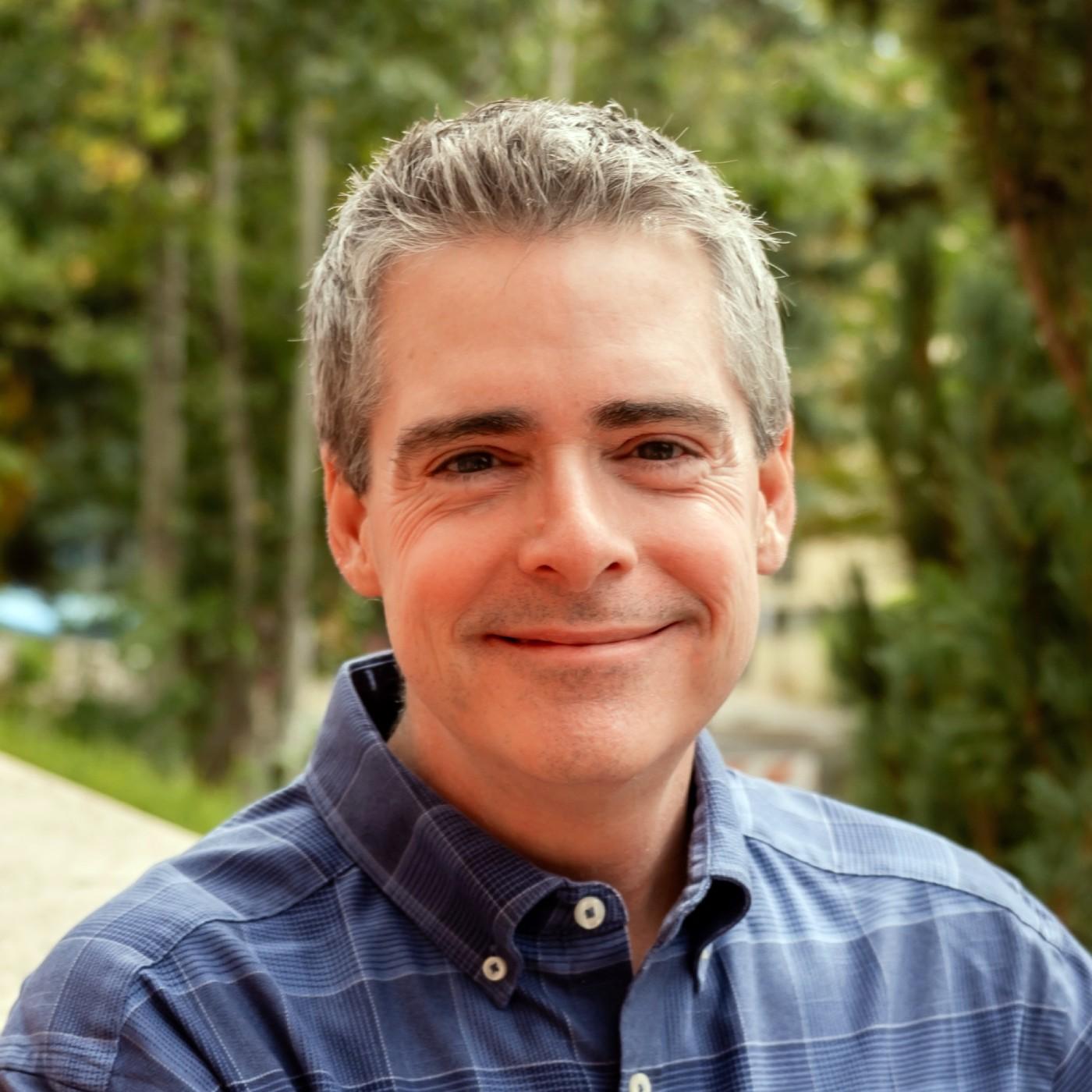
🎙 The Affection Question (with Kory Floyd)
How many of your clients come to you, week after week, not just for their shoulder or their low back — but because yours may be the one space in their life where they feel truly touched, attended to, and seen? Roughly 40% of people report not getting enough affection in their lives. And research suggests that for our older clients, that number is likely even higher.
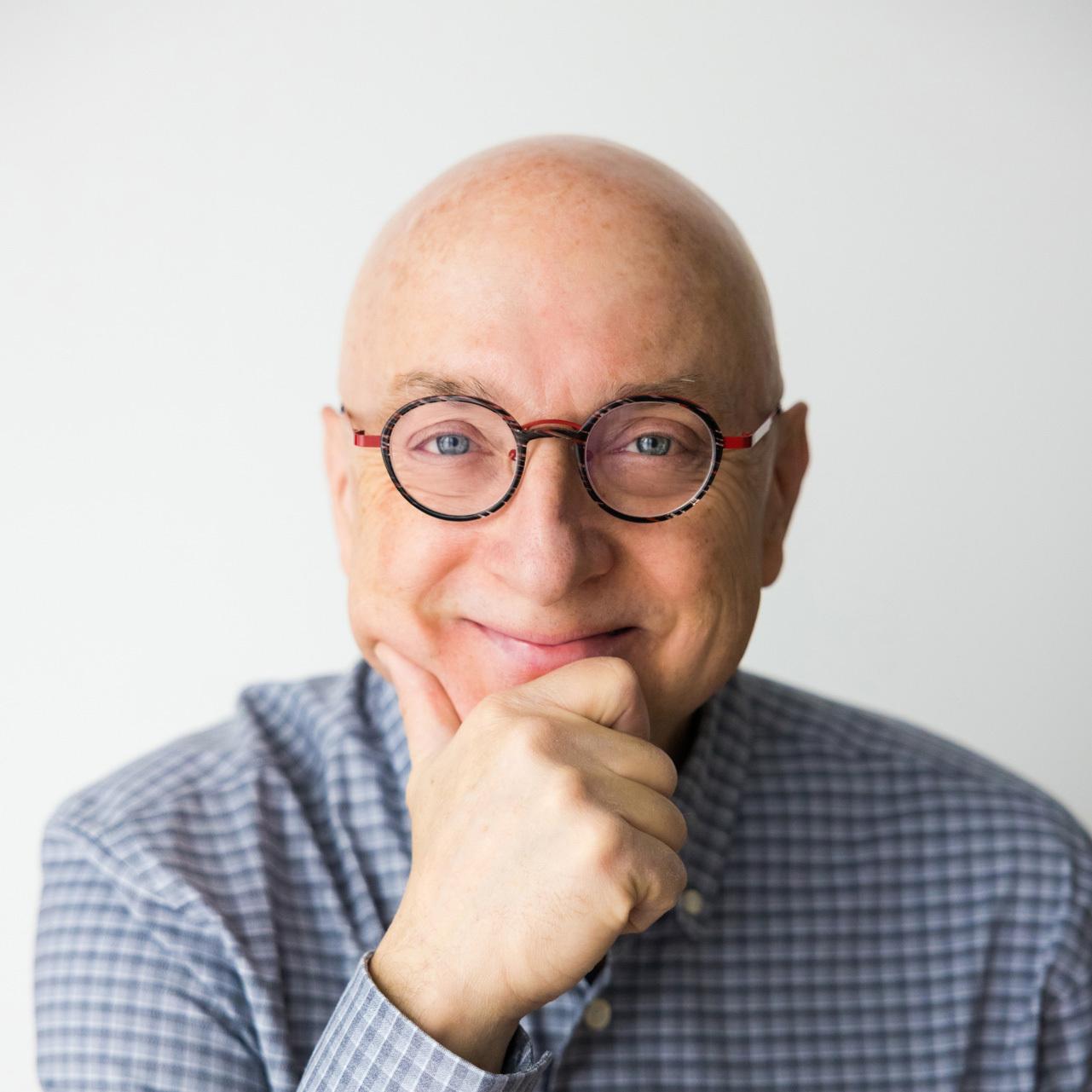
To explore what that means for our work, Til sits down with Dr. Kory Floyd — professor and chair of human development at Washington State University, and one of the world’s leading researchers on affection and human connection. He created Affection Exchange Theory, wrote The Loneliness Cure along with more than a dozen other books, and makes a striking case that affection isn’t a luxury or a nicety — it’s a biological need with measurable consequences for our health.
Drawing on his own recent experiences of loss and loneliness, Til turns toward something that sits underneath almost everything we do as bodyworkers but that we rarely name out loud: the simple, profound human need to be touched, cared for, and connected to.
✨ We talk about:
• Affection deprivation — the gap between the affection we need and what we actually receive, and why roughly 40% of people report not getting enough
• Why age (not gender, education, or geography) is the strongest predictor — and what that means for our older clients
• How deprivation erodes our sense of safety, fueling hypervigilance, poor sleep, and a weakened immune response
• Why — to the body — professional touch and intimate touch aren’t so different, as long as it feels safe
• What lives inside the therapeutic “boundary”: validation, normalizing, listening, attunement, and a felt sense of being seen
• Transference, counter-transference, and the difference between "genuine" affection and what Kory calls being “affection-adjacent”
• Being “touched out” — and why the giver of affection may benefit even more than the receiver
• Each person’s range of tolerance, why too much touch can also be aversive, and why attunement matters more than quantity
• Touch as the first sense to develop and the last to fade — and why it’s the most essential to our survival
• Boundaries that keep the heart open, and why our table may be the one place a client truly feels heard
✨ Resources:
• Kory Floyd’s book, The Loneliness Cure
• Learn more about his research at koryfloyd.com
🌱 Sponsor Offers:
• Jane – Try it free for one month with code THINKING1MO at a-t.tv/jane
• ABMP – Save on new membership at abmp.com/thinking
• Books of Discovery – Save 15% with code thinking at booksofdiscovery.com
• Advanced-Trainings – Try one month free of the A-T Subscription with code thinking at a-t.tv/subscriptions
• Academy of Clinical Massage – Grab Whitney’s free Assessment Cheat Sheet at academyofclinicalmassage.com/cheatsheet
✨ Watch the video / connect with us:
• YouTube: youtube.com/@AdvancedTrainings/podcasts
• Whitney Lowe – academyofclinicalmassage.com | facebook.com/WhitneyLowe | twitter.com/whitneylowe
• Til Luchau – advanced-trainings.com | facebook.com/advancedtrainings | instagram.com/til.luchau
📧 Email us: info@thethinkingpractitioner.com
The Thinking Practitioner Podcast is intended for professional practitioners of manual and movement therapies — bodywork, massage therapy, structural integration, physical therapy, osteopathy, and similar professions. It is not medical or treatment advice.