


OM DETTA AVSNITT
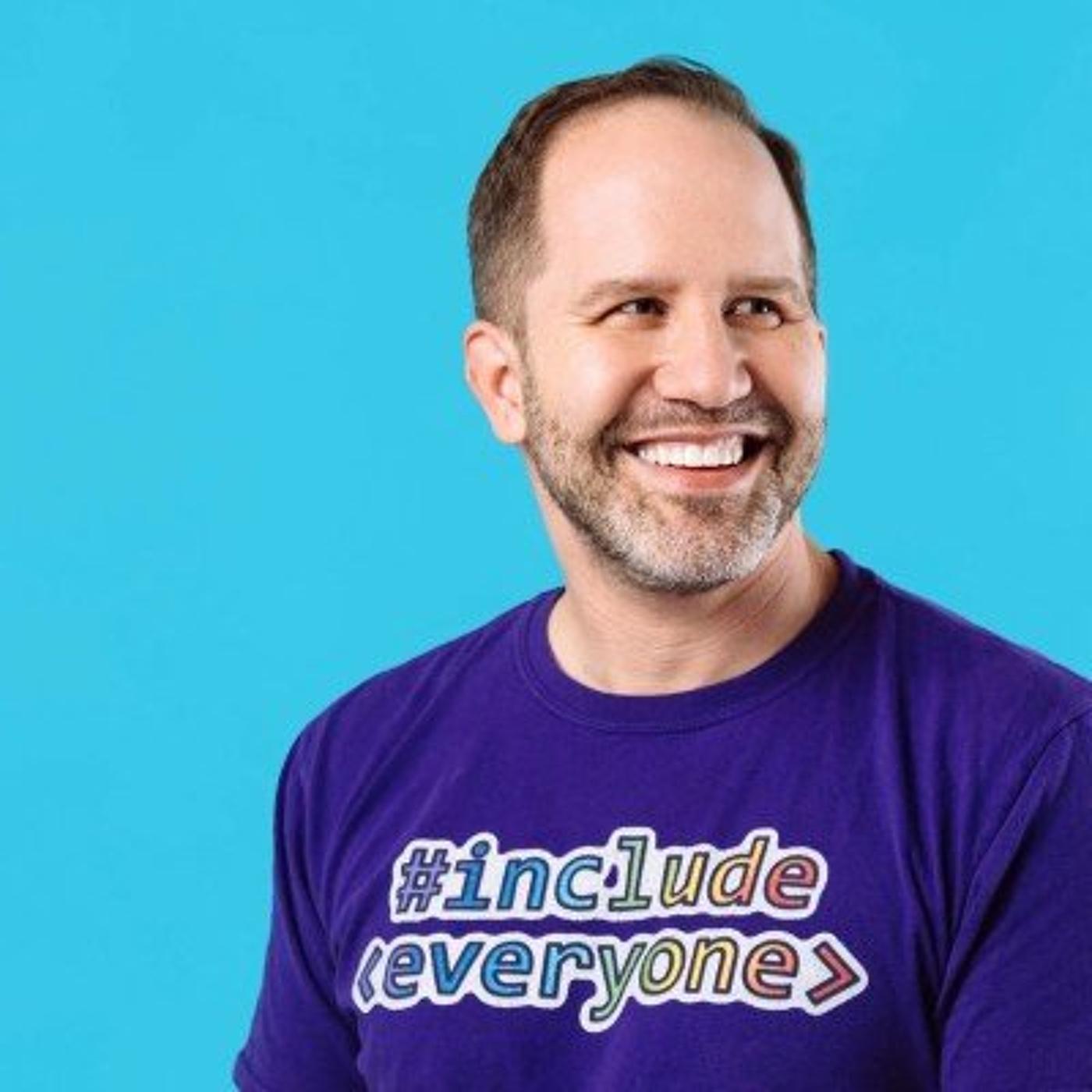
In this podcast Michael Stiefel spoke to Scott Hanselman about developing new software engineers when artificial intelligence agents are doing most of the work on which junior developers were trained. Hanselman suggests the software industry should adopt a preceptorship model similar to the nursing profession. Under this model, the industry needs preceptors whose sole job is to train new engineers, and these preceptors would be evaluated on how well they train people rather than how much code they ship. The use of AI agents requires experienced engineers because while they are capable of generating software features, they perform poorly at software architecture because they often miss the larger context. In addition, engineers must maintain oversight of artificial intelligence tools by acting as reviewers and coordinators to ensure that human judgment remains central to the development process.
The conversation then broadened to discuss the environment in which agentic AI should be used. When businesses prioritize short term, hyper-optimization, they neglect the longer term investments in human capital and mentorship which will make it impossible to cultivate future senior talent. Beyond that, Hanselman addressed the sociological impacts of modern development, observing that the intersection of remote work, social media, and artificial intelligence severely isolates developers. To counter this isolation and ensure healthy growth, intentional human connection and in-person interactions are vital for the next generation of users and developers of technology.
Read a transcript of this interview: https://bit.ly/4ydBK0H
Newsletter:
Subscribe to the Software Architects' Newsletter, a monthly roundup of the patterns and technologies senior practitioners are working through, with the news and lessons from people doing the work:
https://www.infoq.com/software-architects-newsletter
InfoQ Online Certification Programs:
5-week online cohorts for senior engineers and architects, built around QCon talks. Programs now cover software architecture, AI engineering, and organizational architecture. Each week you join a four-hour live session with a confidential peer group of practitioners from other companies, apply frameworks from QCon talks to the decisions you're making at work, and earn an InfoQ certification. You leave with new approaches, or confirmation that the calls you're already making are the right ones. Learn more:
https://certification.qconferences.com/
Upcoming Events:
QCon San Francisco 2026 (November 16-20, 2026)
https://qconsf.com/
QCon London 2027 (April 13-16, 2027)
https://qconlondon.com/
The InfoQ Podcasts:
Weekly conversations with senior software leaders about how they build systems and teams, including what they'd do differently. Listen to all our podcasts and read interview transcripts:
The InfoQ Podcast: https://www.infoq.com/podcasts/
Engineering Culture Podcast by InfoQ: https://www.infoq.com/podcasts/#engineering_culture
Generally AI: https://www.infoq.com/generally-ai-podcast/
Follow InfoQ:
Mastodon: https://techhub.social/@infoq
X: https://x.com/InfoQ
LinkedIn: https://www.linkedin.com/company/infoq/
Facebook: https://www.facebook.com/InfoQdotcom
Instagram: https://www.instagram.com/infoqdotcom/
YouTube: https://www.youtube.com/infoq
Bluesky: https://bsky.app/profile/infoq.com
Write for InfoQ:
Share what you've learned building software with a community of senior practitioners, and get your work in front of the people who read InfoQ.
https://www.infoq.com/write-for-infoq
Engelsk
USA
UTSKRIFT 🔗
Are you the producer of this podcast?
Add a podcast transcript
Need Audio-to-Text?
Transcribe with Listen411 in Just 60 Seconds
SÖK TIDIGARE AVSNITT
Sök efter tidigare avsnitt från The InfoQ Podcast.
ANDRA EPISODER I DENNA PODCAST

Asgaut Mjølne Söderbom and Ola Hast discuss the evolution of their software engineering practices past continuous deployment and pair engineering. The conversation continues where it left off in the previous episode and focuses on the experiments in adopting Claude Code and the reasons why they con…

In this episode of the podcast, members of the InfoQ editorial staff and friends of InfoQ will discuss current trends in the cloud and DevOps domains as part of our annual trends report. These reports provide InfoQ readers with a high-level overview of key topics to watch and also help the editoria…

In this episode, Scott Jenson, a veteran UX designer known for his work on the Macintosh, Google Maps, and Chrome examines the long-term stagnation of desktop operating systems and the limitations of current mobile and cloud-centric models. The conversation shifts toward specialised "Local-First" s…

In this podcast, Michael Stiefel spoke to Tracy Bannon about the role of artificial intelligence in software and the attendant risks in the areas of security, software development, and society at large. While it might be reasonable to assume a certain amount of trust within a software ecosystem, th…
Ansvarsfriskrivning: Podcasten och konstverket som är inbäddat på den här sidan är från InfoQ, som är dess ägares egendom och inte anslutet till eller godkänt av Listen Notes, Inc.
REDIGERA
Tack för att du hjälper till att hålla databasen över podcaster uppdaterad.
