
ОБ ЭТОМ ЭПИЗОДЕ
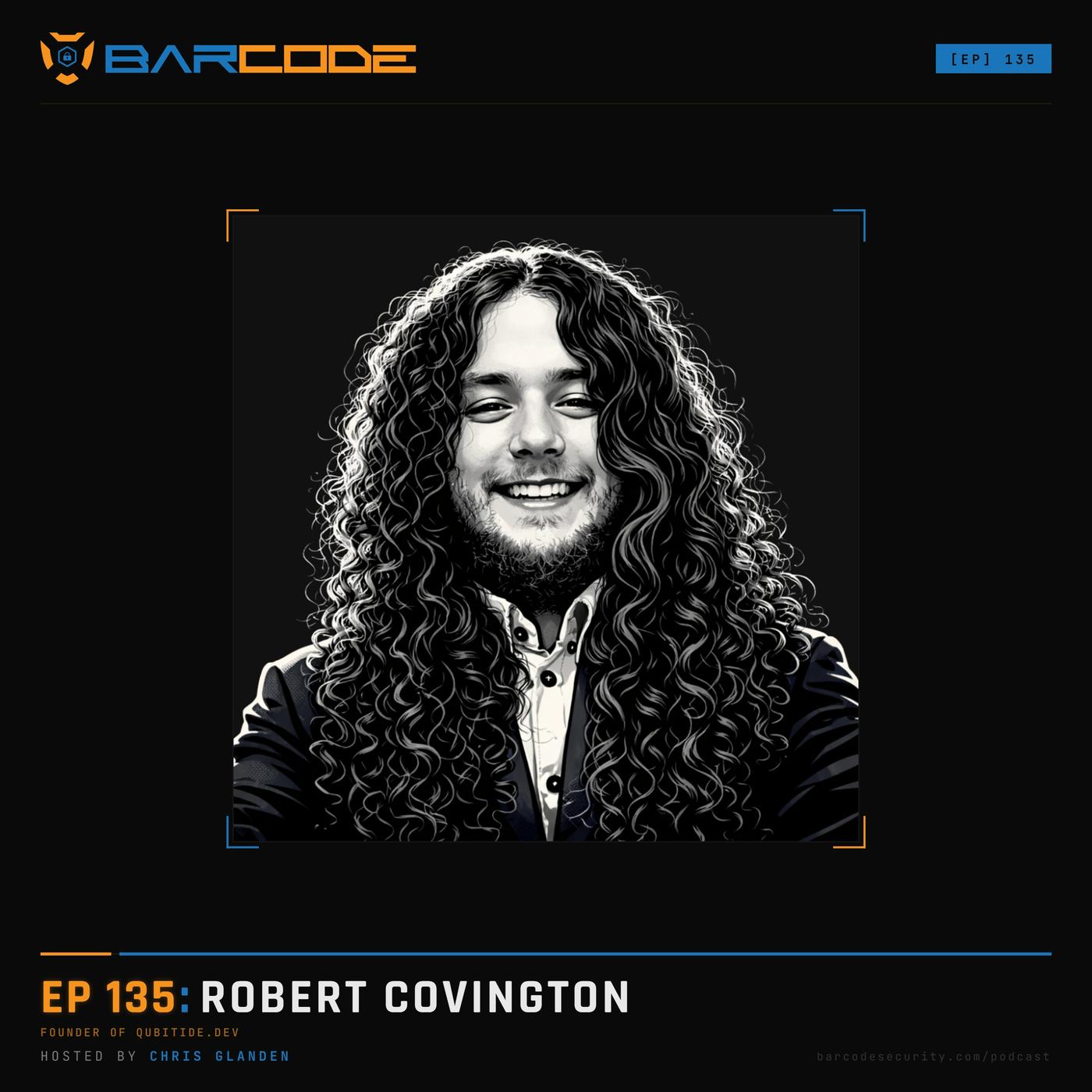
In this conversation, Robert Covington shares his journey from building websites as a child to becoming involved in quantum computing and cybersecurity. He discusses his early experiences with SQL injection attacks, his discovery of quantum computing at DEFCON, and his efforts to make quantum technology more accessible through his platform, qubitide.dev. The conversation also covers the current state of quantum computing in organizations, job opportunities in the field, and the importance of community initiatives like Quantum Village. Covington emphasizes the need for education and resources for those interested in quantum computing, as well as the implications of quantum technology on security and cryptography.
00:00 Introduction to Robert Covington and His Journey
00:51 From Web Projects to Security Awareness
03:51 Diving into Quantum Computing
06:22 Understanding Quantum Concepts
08:31 Making Quantum Accessible with Qubitide.dev
11:13 Quantum in Enterprise: Use Cases and Costs
13:14 Involvement with Quantum Village and Community Initiatives
15:17 Emerging Job Opportunities in Quantum Computing
17:27 Learning Resources for Quantum Computing
19:31 Understanding Q Day and Its Implications
23:16 The Role of Quantum Random Number Generators
25:38 Unique Bar Experiences and Quantum Themes
SYMLINKS
[Robert Covington – LinkedIn] – https://www.linkedin.com/in/robert-covington-2693a914b
[A LinkedIn profile where Robert Covington shares posts about quantum computing, security conferences, and experiments with quantum simulations and QPU workflows.]
[QubitIDE] - https://qubitide.dev[A quantum computing learning and experimentation platform created by Robert Covington. It aims to make quantum computing more accessible by allowing developers to explore simulations in the browser and eventually integrate quantum processing workflows.]
[Amazon Braket] - https://aws.amazon.com/braket/[A cloud-based quantum computing service from Amazon Web Services that allows developers and researchers to run quantum algorithms on simulators and real quantum hardware without needing to own physical quantum machines.]
[PennyLane] - https://pennylane.ai/[An open-source Python library developed by Xanadu for quantum computing and quantum machine learning. It enables users to build and run quantum programs on simulators or real quantum hardware.]
[Qiskit] - https://qiskit.org/[An open-source quantum computing software development kit created by IBM. It provides tools for building quantum circuits, running simulations, and executing programs on IBM quantum computers.]
[D-Wave Systems] - https://www.dwavesys.com/[A quantum computing company specializing in quantum annealing hardware and optimization systems. Their machines are used by research institutions and organizations exploring practical quantum applications.]
[IBM Quantum Learning] - https://quantum.ibm.com/learn[IBM’s official learning platform that provides tutorials, documentation, and educational resources for beginners and developers who want to learn quantum computing and use IBM quantum tools.]
[Quantum Economic Development Consortium (QED-C)] - https://quantumconsortium.org/[An industry consortium focused on strengthening the quantum technology ecosystem through collaboration, workforce development, and industry initiatives.]
[Barcode Security Podcast] - https://barcodesecurity.com/[The official website of the Barcode podcast hosted by Chris Glanden, featuring discussions on cybersecurity, emerging technologies, and interviews with experts in the field.]