

ОБ ЭТОМ ЭПИЗОДЕ
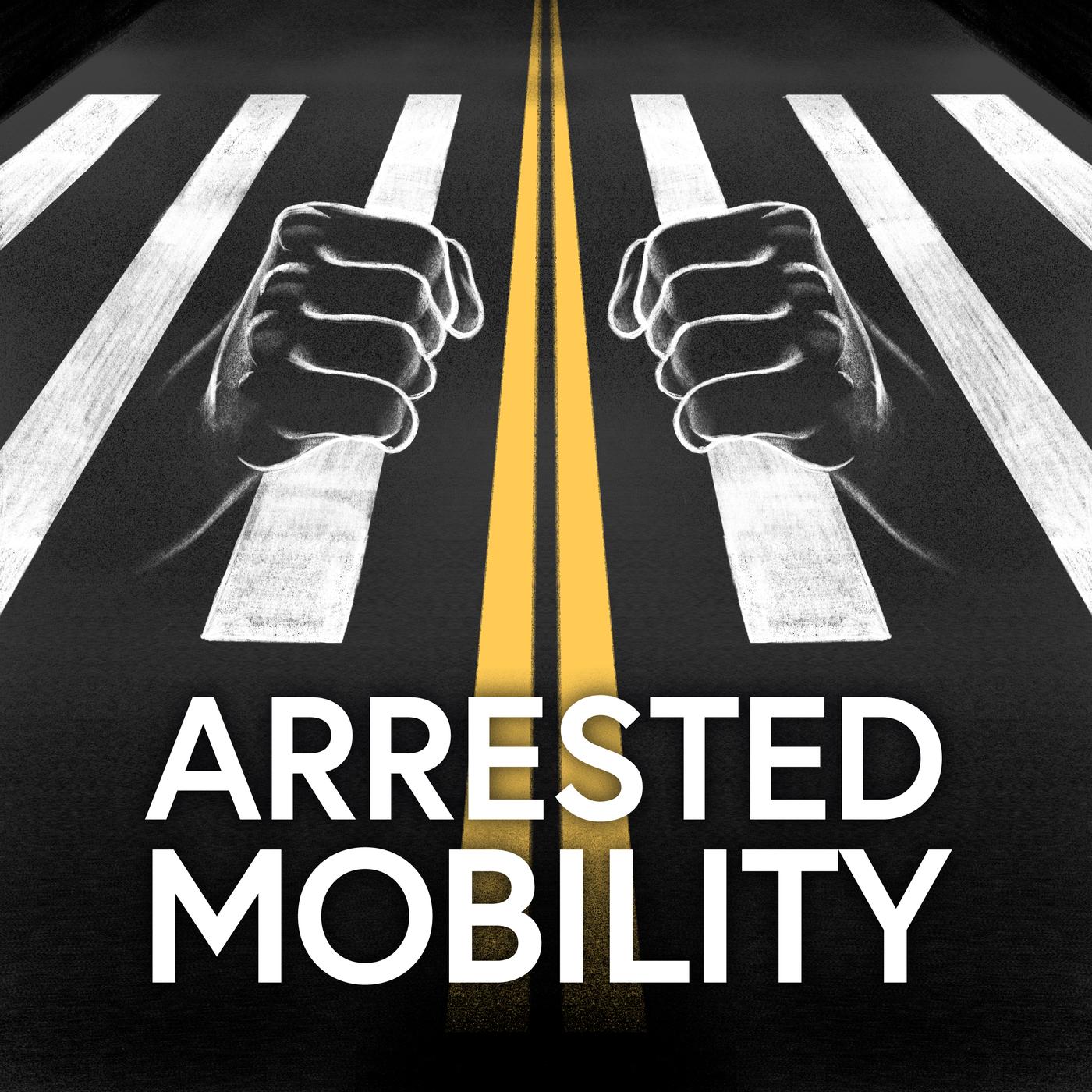
From jaywalking laws, to freight trains, to city infrastructure that divides majority minority neighborhoods, Arrested Mobility has touched on the many ways that policies, politics, planning decisions, police practices, and public narratives have limited Black movement. In this episode, we're looking back across the first three seasons of the show, at the stories and voices that have stayed with us, and discussing the future of the Arrested Mobility movement.
английский
США
РАСШИФРОВКА 🔗
Are you the producer of this podcast?
Add a podcast transcript
Need Audio-to-Text?
Transcribe with Listen411 in Just 60 Seconds
ПОИСК ПРОШЛЫХ ЭПИЗОДОВ
Искать прошлые эпизоды Arrested Mobility.
ДРУГИЕ ЭПИЗОДЫ В ЭТОМ ПОДКАсте
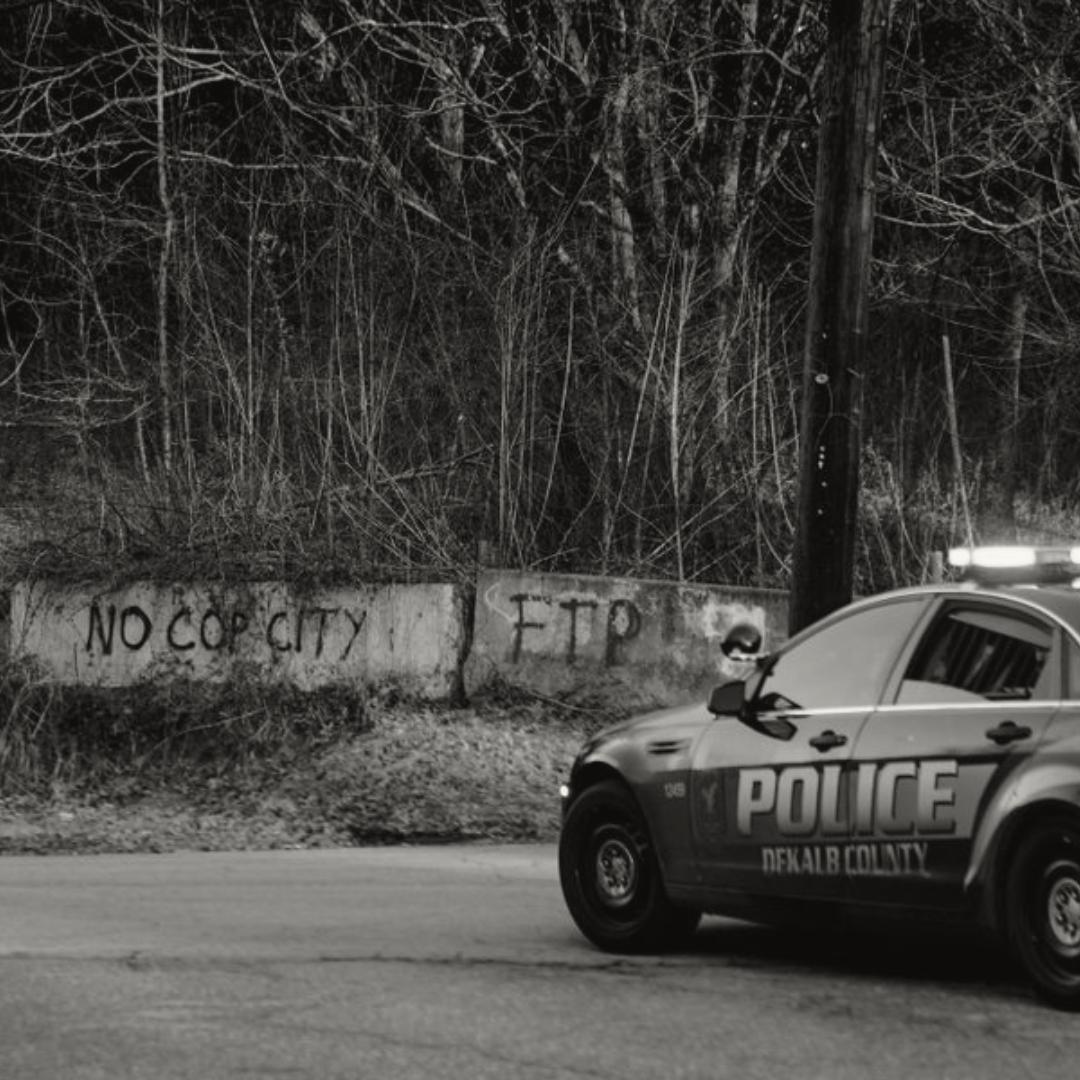
In 2017, Atlanta's city planning department designated four large green spaces as quote "lungs," that were vital for cooling the city. They announced plans to turn one of these lungs, the South River Forest, into an urban park. But four years later, there was a change in plans. The mayor approved a…
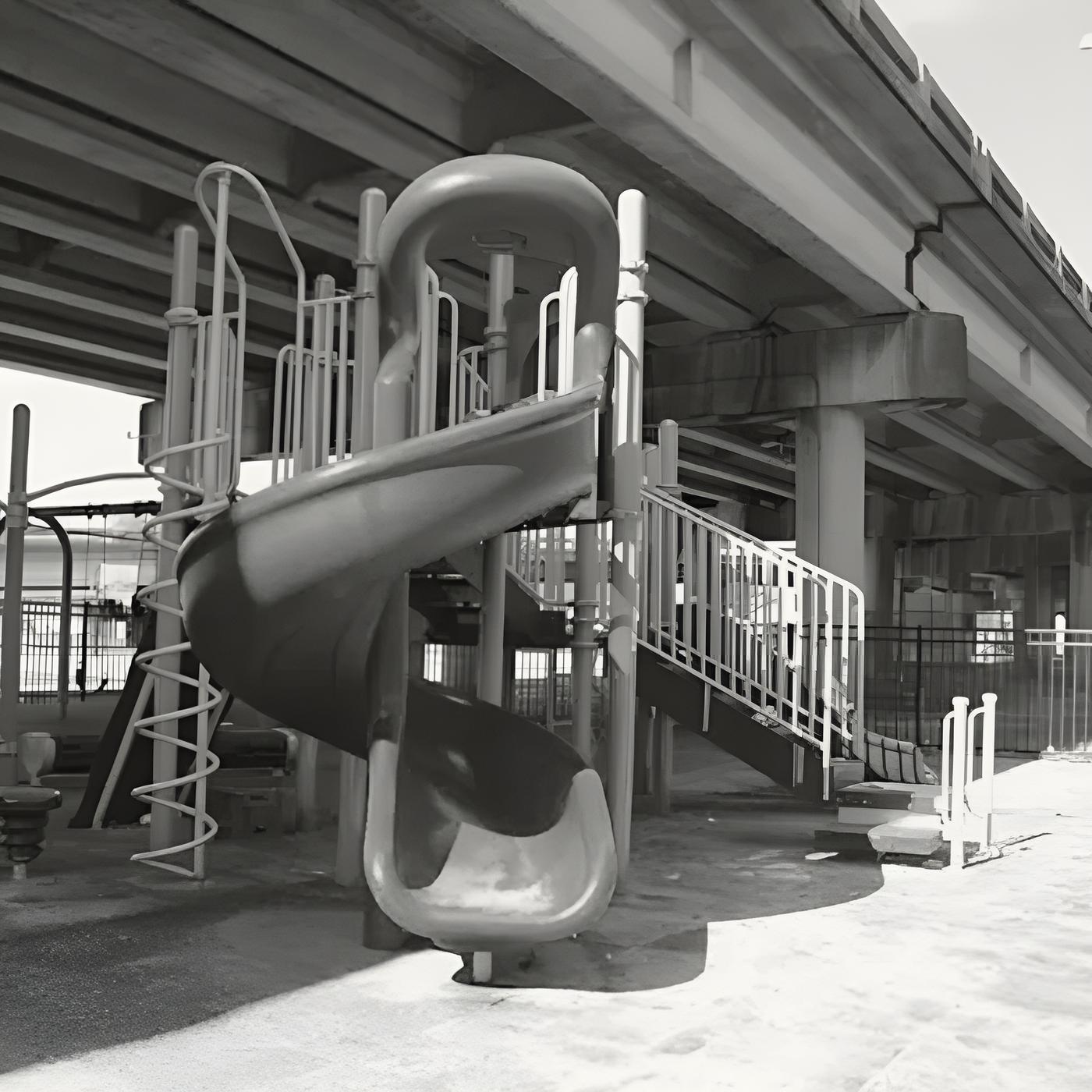
For nearly her entire life, Amy Stelly has lived in the Treme district of New Orleans. Her house is near the Claiborne Expressway, a piece of Interstate-10 that was built through the neighborhood in 1969. The Claiborne Expressway is one of many American highways to divide and deprive Black communit…
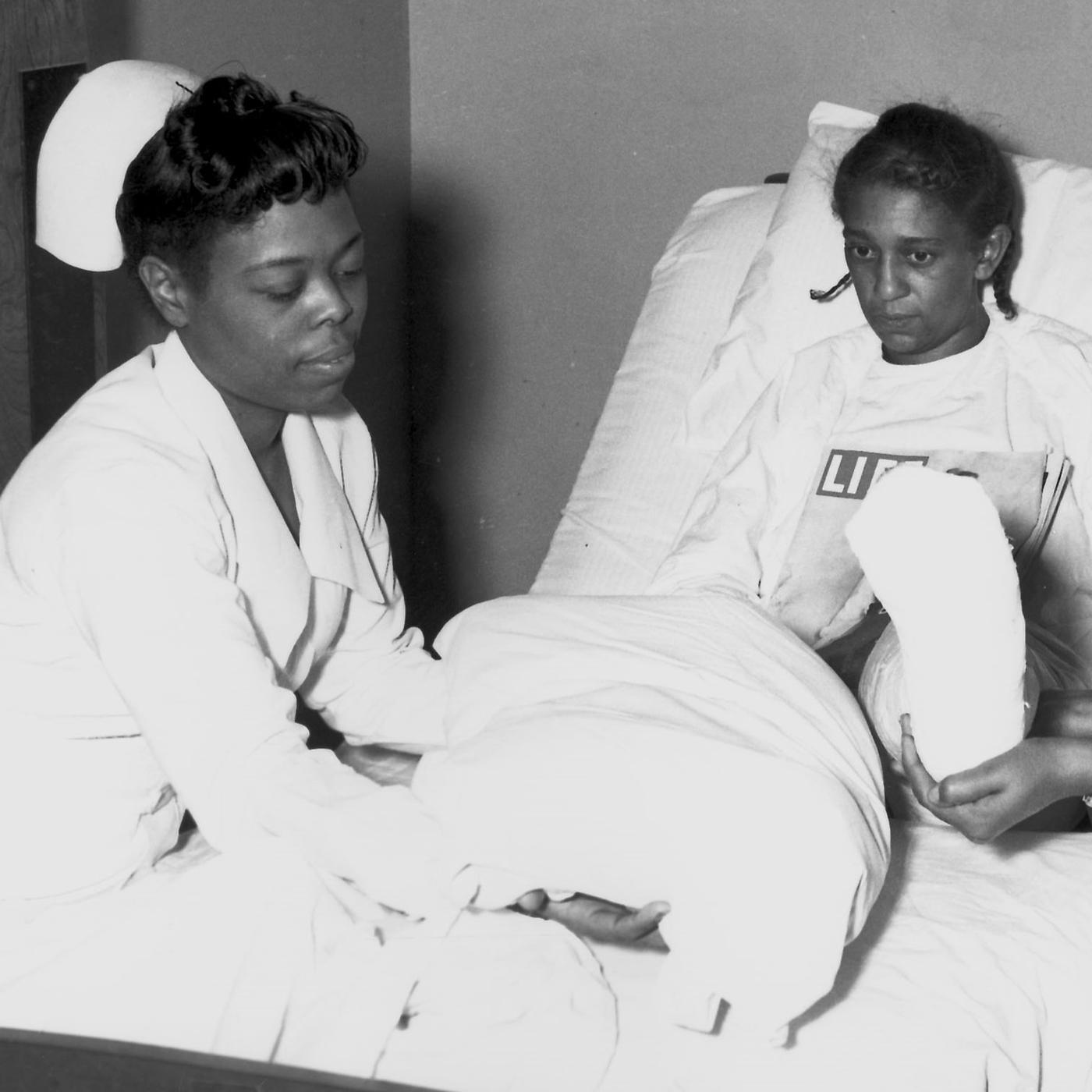
In 1942, the Taborian Hospital opened in Mound Bayou, Mississippi. At a time when most hospitals segregated Black from White patients or turned Black patients away, the Taborian Hospital provided equal treatment and care for all.
There is no question that desegregation and the Civil Rights Movemen…
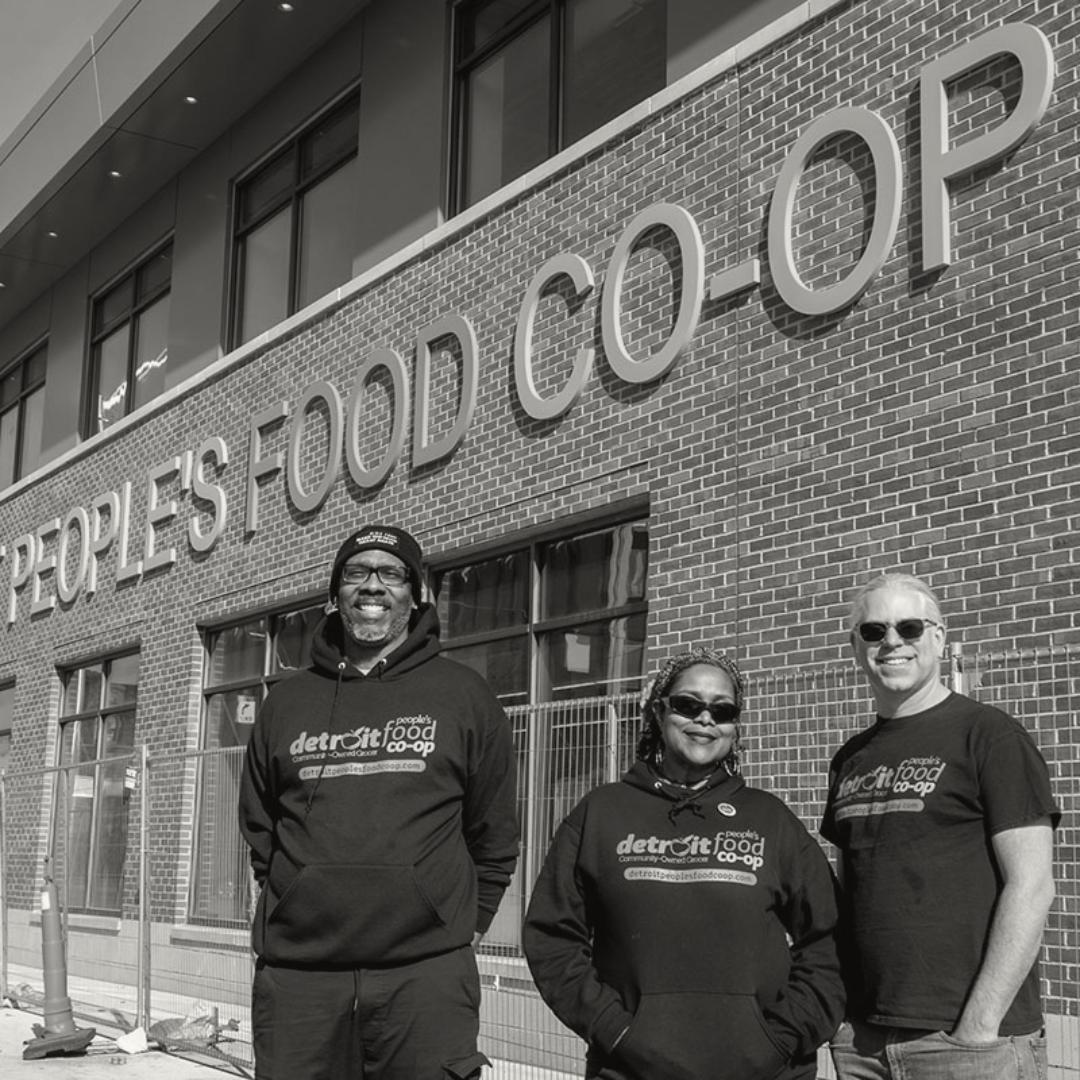
In 2024, the Detroit People's Food Co-op opened its doors in Detroit's North End neighborhood. This full-service grocery store was birthed by the Detroit Black Community Food Sovereignty Network, or DBCFSN. It's an organization that focuses on food justice, land access, and building Black self-dete…
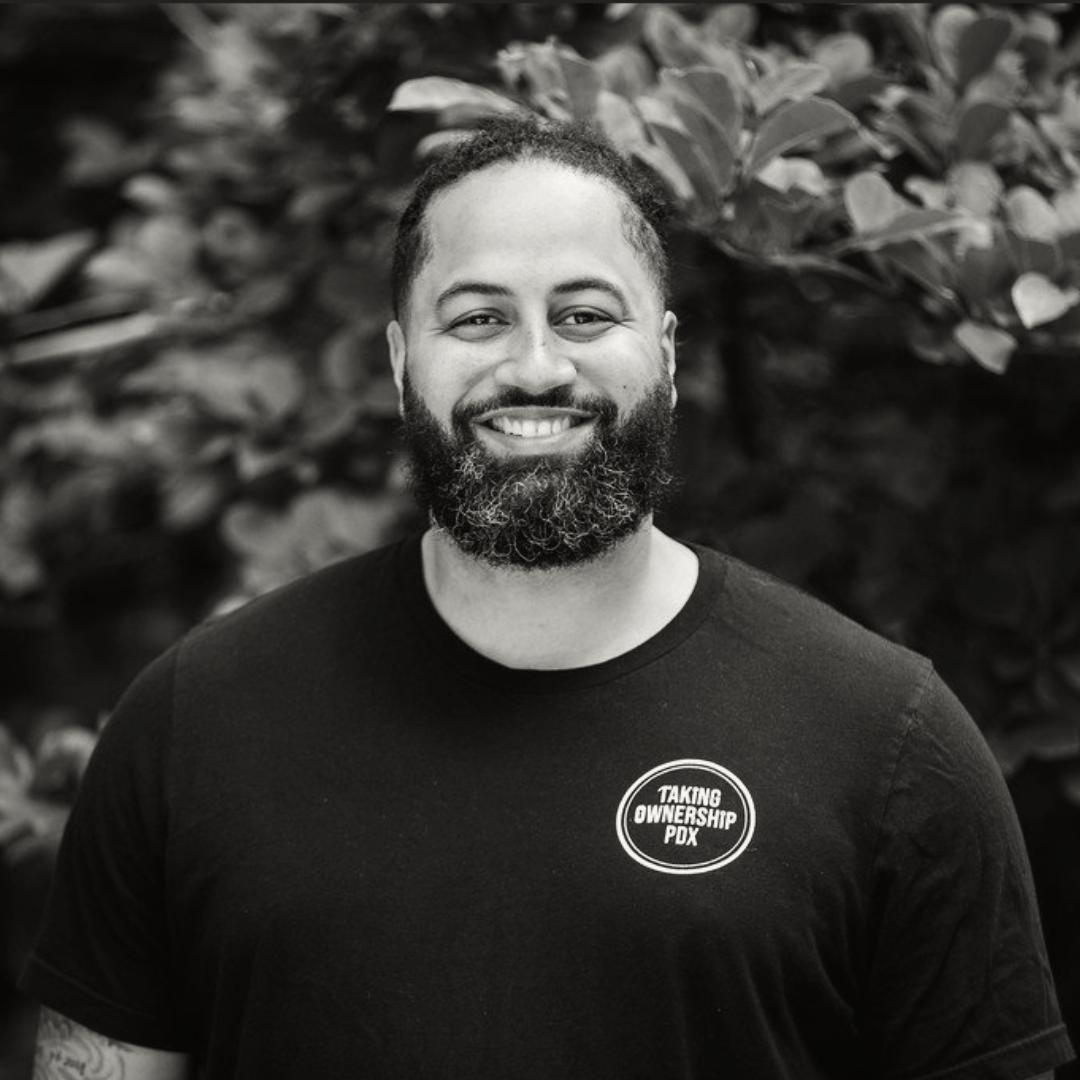
In 2020, shortly after the murder of George Floyd, Portland native Randal Wyatt had an idea. As people asked him how they could be better allies to the Black community, he saw an opportunity to address a critical but often overlooked driver of gentrification: home maintenance. Taking Ownership PDX …
Отказ от ответственности: Подкаст и иллюстрации, встроенные в эту страницу, взяты из Charles T. Brown, который является собственностью его владельца и не связан или не одобрен Listen Notes, Inc.
ИЗМЕНИТЬ
Спасибо, что помогаете поддерживать базу подкастов актуальной.
