Speaker:
00:00:00I basically brought a crate of records down to the studio. I played
Speaker:
00:00:03something for Beck off a Bony M record. I grabbed a little
Speaker:
00:00:07loop of that, like, a little bit of that. It's kind of a little drum
Speaker:
00:00:10thing. Looped it up, and then we just started building on
Speaker:
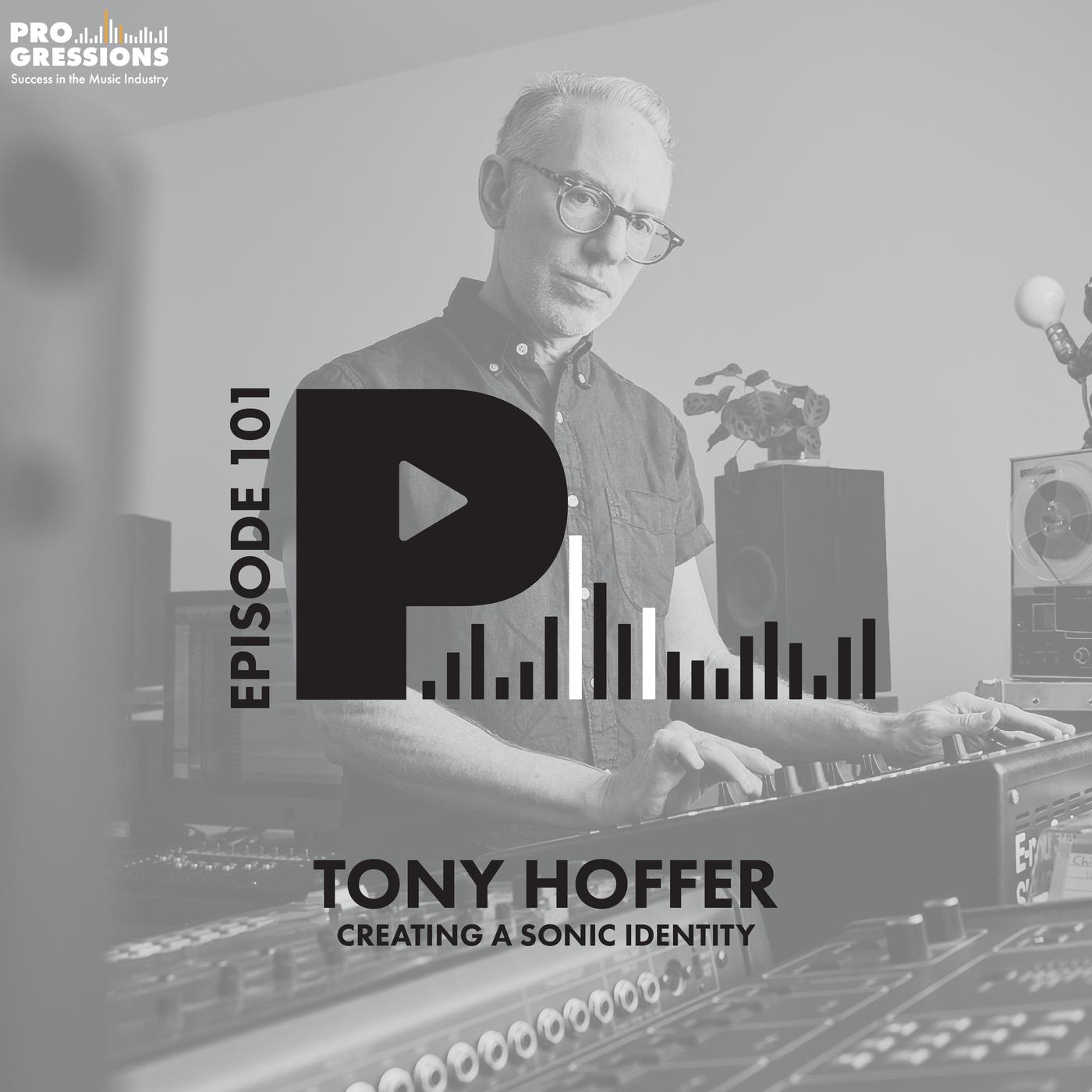
00:00:14that. That's seven time Grammy nominator, producer, and mixer Tony Hoffer. Tony's
Speaker:
00:00:17discography is full of records that have likely been sonic and musical
Speaker:
00:00:21influences for so many of us. We're talking about stuff like Phoenix,
Speaker:
00:00:24Alphabetical, M 83, hurry up, we're dreaming kooks inside in,
Speaker:
00:00:28inside out, and Beck, midnight Vultures. As somebody that works with bands live
Speaker:
00:00:32in the studio, Tony knows how to keep momentum going. And then. So I'm
Speaker:
00:00:36pushing everybody. I'm pushing myself. I'm pushing
Speaker:
00:00:39just the whole team, the artists, everyone, to just like, let's keep
Speaker:
00:00:43moving, let's keep the momentum. And I think by having that target. Tony tells us
Speaker:
00:00:46how he's always on the artist side and always working to bring
Speaker:
00:00:50their vision to life. And I'm asking myself, well, what is the sonic identity of
Speaker:
00:00:54this thing? We're. If you can't answer that, then we're not there. And part of
Speaker:
00:00:57facilitating that vision is giving every idea a chance and exploring
Speaker:
00:01:01every option. The only way to do that, if. There'S certain sounds that you like,
Speaker:
00:01:05you need to know how to either create them quickly or find where they are.
Speaker:
00:01:08If you've saved them or if it's a preset or whatever it is, you just
Speaker:
00:01:11need to know how to get to stuff quickly. So this one's a masterclass in
Speaker:
00:01:13everything from production to distortion. So stick around for my interview with Tony
Speaker:
00:01:17Hoffer.
Speaker:
00:01:29I was listening to a lot of your catalog this morning, kind of revisiting a
Speaker:
00:01:33lot of records that I listen to so much. So I know you've had a
Speaker:
00:01:36huge influence on so many producers and musicians out there,
Speaker:
00:01:40but I'm curious to know, is there a project or an album that you
Speaker:
00:01:44did that you think shaped you the most or helped you get on the path
Speaker:
00:01:48that you are on now? A project that I did, I would
Speaker:
00:01:51say, probably would have been back midnight vultures,
Speaker:
00:01:55because that was sort of the first big milestone for
Speaker:
00:01:59me, the first time I'd worked with a well
Speaker:
00:02:03known artist, and the first project that came
Speaker:
00:02:07out on a major label, and I knew people would be, some
Speaker:
00:02:10people would hopefully hear the record, but I would say that project in particular,
Speaker:
00:02:14that album in particular, was kind of a catalyst
Speaker:
00:02:18for how I ended up doing a lot of things, even to this day, just
Speaker:
00:02:22in terms of production, what takes to choose
Speaker:
00:02:25how far to go in terms of getting things
Speaker:
00:02:29precise or not precise or leaving things a little
Speaker:
00:02:32loose, whatever. That established a lot of things for
Speaker:
00:02:36me. Yeah, it was amazing working with Beck and everybody that
Speaker:
00:02:40was around all the musicians at that time. So, yeah,
Speaker:
00:02:44I would say probably that album, but the reality is they're all.
Speaker:
00:02:48I've been doing this for a number of years now, but even records that
Speaker:
00:02:51I'm currently doing, I'm still finding new ways of doing things
Speaker:
00:02:56as a producer and as a mixer and engineer.
Speaker:
00:03:00The hunt is always on to find a new
Speaker:
00:03:04way of presenting a synth or a guitar
Speaker:
00:03:07tone or whatever, just to kind of bring something new
Speaker:
00:03:11to the space. I'm always
Speaker:
00:03:15finding inspiration with pretty much every project that I do because the
Speaker:
00:03:19reality is, whatever I did on the last project that I did,
Speaker:
00:03:22it's guaranteed not to work on this
Speaker:
00:03:26next project. Totally. So you're constantly having to
Speaker:
00:03:30find new things, but a lot of the framework, I'd say,
Speaker:
00:03:33would have come from that first big project that I did with Beck. Yeah,
Speaker:
00:03:37that record. I was just listening to that one the most this morning because I
Speaker:
00:03:41haven't listened to it in a while, and I was going to ask you about
Speaker:
00:03:43it later. The way the mix is and the way you guys put it together
Speaker:
00:03:45is so cool. That first track is so mono, but the things that
Speaker:
00:03:49are on the sides really catch you. I just think there's a lot of really
Speaker:
00:03:52deliberate choices that are really dope. Was that something that you guys were talking about?
Speaker:
00:03:56Were you making that record like, hey, we're going to do this. Let's fucking go
Speaker:
00:03:58for it. Let's leave safe on the edge
Speaker:
00:04:02and make what we think is cool. It was definitely, let's
Speaker:
00:04:06make something that we think is cool. Yeah, we wanted to
Speaker:
00:04:09make something. The spirit of that project was, we're
Speaker:
00:04:13going to go on an adventure making something that hasn't been made before.
Speaker:
00:04:17For Beck, I mean, I think pretty much all of his albums are that really.
Speaker:
00:04:21Yeah. But this one in particular, we were going pretty deep because we weren't working
Speaker:
00:04:24in a traditional studio. We were working in a studio in
Speaker:
00:04:28Beck's house. So we had a lot of freedom and a lot of time. Maybe
Speaker:
00:04:31too much time, actually. But it definitely allowed us to
Speaker:
00:04:34experiment and try different iterations of
Speaker:
00:04:38songs, and it allowed us to be very creative and to
Speaker:
00:04:42make mistakes and try things. Some things would work, some
Speaker:
00:04:45things not, but it was good. When you say.
Speaker:
00:04:49Because I hear people say stuff like this all the time, you set out to
Speaker:
00:04:52make something that hadn't been made before. What's a conversation like that with an
Speaker:
00:04:56artist when you're about to go into pre production and everybody wants
Speaker:
00:05:00to just kind of change the game, how do you even approach that? It feels
Speaker:
00:05:03so daunting just to say, we're going to do this. It's hard to
Speaker:
00:05:06say we're going to make something that's never been made before, and this is how
Speaker:
00:05:10we're going to do it. You kind of have to just start throwing things at
Speaker:
00:05:13the wall, which is pretty much what we did. How I started with that project,
Speaker:
00:05:16I basically brought a crate of records down to the studio, and then
Speaker:
00:05:20I played something for Beck off a bony M record,
Speaker:
00:05:24and it sounded cool, so I grabbed a little loop of that, like a little
Speaker:
00:05:28bit of that. It's kind of a little drum thing, looped it up, and then
Speaker:
00:05:31we just started building on that. And I think just by nature
Speaker:
00:05:35of the choices that we made, not trying to do things that
Speaker:
00:05:39we've heard before, I think true north was that let's just make
Speaker:
00:05:43something we haven't heard before. So when it came time to doing a guitar part
Speaker:
00:05:46or whatever, let's find a tone that we haven't
Speaker:
00:05:50really heard before. Yeah. Or something that's
Speaker:
00:05:53played, in a way, an approach that we haven't heard before
Speaker:
00:05:57with this type of tone, with juxtapose with this type of
Speaker:
00:06:01rhythm, drumbeat and loop or whatever. So
Speaker:
00:06:04I think it was kind of a bit by bit sort of record,
Speaker:
00:06:08and one thing at a time and whatever
Speaker:
00:06:12the last thing was that we put on there, we knew that we wanted to
Speaker:
00:06:15do something else that would keep it veering in these different
Speaker:
00:06:18directions, and then hopefully we would end up in the destination
Speaker:
00:06:22that was the right place to be. Yeah, totally. It's
Speaker:
00:06:26interesting because this opening little bit kind of segues so many of the questions that
Speaker:
00:06:29I had. Let's go, sonic identity for a minute. I think people that are familiar
Speaker:
00:06:33with your work could probably pick out a record that you did out of a
Speaker:
00:06:36lineup. Like you kind of have a thing. Is that kind of from this
Speaker:
00:06:40commitment of just doing what you like, or do you think it's shaped over
Speaker:
00:06:43time where you kind of have grabbed things that work
Speaker:
00:06:47and don't work and catalog them all? The sonic
Speaker:
00:06:50identity, for me is such an important thing
Speaker:
00:06:54that I'm just always trying to find what? And I'm asking
Speaker:
00:06:57myself, well, what is the sonic identity of this thing we're doing? What is
Speaker:
00:07:01it? And if it's. If I can't answer that, then we're not there. We've
Speaker:
00:07:05got to keep going. And I think a lot of that growing up, I listened
Speaker:
00:07:09to a lot of music, and I still do, and have a real good
Speaker:
00:07:12knowledge of music. Maybe I could be a music
Speaker:
00:07:15historian for certain things. I'm quite knowledgeable,
Speaker:
00:07:19but it's been really helpful for me over the years to
Speaker:
00:07:23be able to just have this catalog in my
Speaker:
00:07:26head of different reverbs that were cool in
Speaker:
00:07:30different instances of songs that I liked. Or
Speaker:
00:07:33somehow a certain song evoked a
Speaker:
00:07:37certain feeling or an energy or an atmosphere or whatever,
Speaker:
00:07:40and that could be cool on this song to give it some kind
Speaker:
00:07:44of a twist or a new thing. I feel like I have a lot of
Speaker:
00:07:48tools buried in my head, just from the
Speaker:
00:07:51years as a kid, as a teenager, as a young adult,
Speaker:
00:07:55as an adult, grown up, whatever, listening to all kinds of
Speaker:
00:07:59music and having a good understanding of how it was made and
Speaker:
00:08:02created. So, yeah, I hope that answers the
Speaker:
00:08:06question. Yeah, no, it totally does. Some people do this and
Speaker:
00:08:10some people don't sit down with the artists, like, mid session and just play them
Speaker:
00:08:13something, see how they react. Like, hey, what do you think of this thing from
Speaker:
00:08:17the 70s that I love? Do you pull anything out of this you want to
Speaker:
00:08:20put in here? For sure, yeah, I'll reference things all the time, because
Speaker:
00:08:24sometimes it's hard to say, well, I'd like to do this. It's going to be
Speaker:
00:08:27kind of this meets that. It seems very arbitrary, and it probably
Speaker:
00:08:31doesn't make sense because it probably hasn't been done before. Well, there's two
Speaker:
00:08:35things. One way would be to show the references. It'd be kind of like this.
Speaker:
00:08:38The chorus of this, the way the reverb or whatever it is,
Speaker:
00:08:42with snare of that. Or if we can work
Speaker:
00:08:46fast. I try to work fast. So let's just do it
Speaker:
00:08:49quickly, and then we can talk about it. Which is probably the best
Speaker:
00:08:53way. But, yeah, it could be so hard. The way that everybody describes music,
Speaker:
00:08:57it's like what you say and what the lead singer of the
Speaker:
00:09:00band translates that as. Could be totally unrelated. That's why
Speaker:
00:09:04being able to do it quick is probably definitely the way to go. Yeah.
Speaker:
00:09:08Because then you see, like, okay, it works, or it doesn't work. Do you
Speaker:
00:09:12feel like we're kind of getting into production already? Do you feel like every
Speaker:
00:09:15idea should get chased in the studio? If the bass player
Speaker:
00:09:19has an idea and it's doable quick, does everybody get a shot to
Speaker:
00:09:23kind of try something? I mean, I try to do that, especially if they're good
Speaker:
00:09:27ideas. Obviously, I'm coming with a lot of ideas, but I
Speaker:
00:09:31definitely do want the artists to have input and to
Speaker:
00:09:34bring their ideas, because often a lot of their ideas are really good,
Speaker:
00:09:38and even the wackier ones have many
Speaker:
00:09:42times been amazing. Yeah. So I definitely
Speaker:
00:09:45welcome ideas from everyone. Everyone that's part
Speaker:
00:09:49of the group that I'm working with. Whether we get to all of them,
Speaker:
00:09:53there might be some where you can kind of tell
Speaker:
00:09:57it's probably not the right thing. It's probably not the
Speaker:
00:10:01right thing, and it probably would take a long time to
Speaker:
00:10:04try, and so you'll have to kind of whittle them
Speaker:
00:10:08down to the best. And we'd have a discussion on the
Speaker:
00:10:11consensus of what everyone thinks. All right, we've got three ideas, a, b, and
Speaker:
00:10:15c. We can do one. What's everyone feeling? And everyone's
Speaker:
00:10:19feeling b. So that's what we're going to spend the next couple of hours doing,
Speaker:
00:10:22then focusing on b. Yeah. What I wanted to talk about
Speaker:
00:10:26mostly, or a fair bit with you is producing bands.
Speaker:
00:10:29We're basically there. Right. What's your approach to kind of taking,
Speaker:
00:10:33like, a really great live band that everybody
Speaker:
00:10:36loves and then translating that into a record that
Speaker:
00:10:40is a new experience or a different experience for the listener? I mean, obviously the
Speaker:
00:10:44record is going to be more produced, but how do you make sure that you
Speaker:
00:10:47retain what everybody loved when they signed that band or why everybody
Speaker:
00:10:51went to the show and you put that into a record? When I'm working with
Speaker:
00:10:55an artist, I'm always looking for the strengths. So if that's one of
Speaker:
00:10:58the strengths, the live show, let's say, and clearly everyone's liking
Speaker:
00:11:02the live show, then I would definitely factor that into
Speaker:
00:11:06how I'm doing things in the studio. So that
Speaker:
00:11:10may determine whether we use a click or not. Like, if they're not using
Speaker:
00:11:13a click live, I would assess what's happening live. I
Speaker:
00:11:17would try to get a good understanding of what's happening live. I would try to
Speaker:
00:11:20see them in person if they were on tour, if it's possible to do
Speaker:
00:11:24that. Sometimes it's not because they're not playing, but at the very least, I would
Speaker:
00:11:27do some kind of rehearsal with them in a rehearsal room, and I would be
Speaker:
00:11:31there right in front of them watching them live. But, yeah, I would try
Speaker:
00:11:34to distill down what is the
Speaker:
00:11:38thing that makes this so great. And I would definitely try to keep all of
Speaker:
00:11:42those great points in by the time we get to the studio.
Speaker:
00:11:46So that if that is a thing and if it's a big strength where
Speaker:
00:11:49there's sort of a cool attitude or that the songs have a bit more of
Speaker:
00:11:53an edge, or there's sort of a freeness to the
Speaker:
00:11:56songs that maybe they wouldn't have
Speaker:
00:12:00if they're chained to a click or things
Speaker:
00:12:04are too clean in the studio or whatever. I'd
Speaker:
00:12:08be very mindful of that to make sure that that doesn't happen where things
Speaker:
00:12:12are boring, they're not too clean, or they're too clean,
Speaker:
00:12:15and then it's a big surprise for everybody, so I wouldn't want that to happen.
Speaker:
00:12:19Yeah. Do you ever find that when you
Speaker:
00:12:23identify what you think that special piece of an artist is, do you find that
Speaker:
00:12:27generally the artist is unaware of that? I feel like some people are
Speaker:
00:12:30like, when they're doing their own thing, they're unaware of what is actually connecting
Speaker:
00:12:34with the audience. Do you find that to be the
Speaker:
00:12:38case? Yeah, I would say most of the time, but then
Speaker:
00:12:42sometimes there's artists that I work with that definitely have. They're very
Speaker:
00:12:45intuitive as to what they're tapped in. Yeah.
Speaker:
00:12:49People need and want from them as an artist, but, yeah. Does it
Speaker:
00:12:53matter whether you're in touch with that? I don't know if it matters.
Speaker:
00:12:57On one hand, if I were an artist, I suppose it'd be
Speaker:
00:13:00helpful if you really were dialed in with your fans. It probably would be a
Speaker:
00:13:03good thing, I would say, because then you would. Know it's probably true.
Speaker:
00:13:07But then, at the same time, you have to make the music.
Speaker:
00:13:11You have to be evolving. You can't
Speaker:
00:13:14be thinking, oh, well, my fans aren't going to like this because then
Speaker:
00:13:18I feel like that'd be a little restrictive. But I think just having a good
Speaker:
00:13:21understanding of what your fans want, as long as it's not
Speaker:
00:13:24limiting what you do. I like to talk about managing
Speaker:
00:13:28expectations and how you can use expectations to
Speaker:
00:13:32fulfill somebody or totally blow their mind when they're like, they
Speaker:
00:13:36expect this and you're like, no, that's not what we're doing today. I think that's
Speaker:
00:13:39a pretty powerful tool when it comes to mixing or producing or anything.
Speaker:
00:13:43Yeah. So along the lines of managing expectations,
Speaker:
00:13:47how do you handle? Because we both know making a record can take weeks and
Speaker:
00:13:50weeks and weeks. Personalities in the room, momentum
Speaker:
00:13:54slowdowns, maybe creativity slumps on week
Speaker:
00:13:57four. What are some of the things that you do during a month
Speaker:
00:14:01long session that kind of just keeps the band excited,
Speaker:
00:14:05fresh, moving forward? Well,
Speaker:
00:14:08I have targets every day, and I usually figure those targets
Speaker:
00:14:12out. There'll be kind of an overall target where I need to get this done
Speaker:
00:14:16by x date. Then there'll be daily
Speaker:
00:14:19targets where the target is to get the
Speaker:
00:14:23majority of this song tracked, the music part of it
Speaker:
00:14:27tracked, maybe even get a vocal. And that's
Speaker:
00:14:30a target that I'll set in a way for myself.
Speaker:
00:14:34So I may or may not discuss that target with the
Speaker:
00:14:37artist, but it causes me to push
Speaker:
00:14:41to where we stay on target to get what we
Speaker:
00:14:45need to get done by
10:00 or whatever. By the
Speaker:
00:14:49end of the day, usually we hit the target or go beyond
Speaker:
00:14:52it. We'll get the majority of the song done, if not the whole song, and
Speaker:
00:14:56get it in a good place where then we can hear it the next morning
Speaker:
00:14:59and have some good perspective to have a fresh listen, and
Speaker:
00:15:03then we can do some additional bits to it and then
Speaker:
00:15:06get on to another one and keep going. And I think by doing that, by
Speaker:
00:15:10having clear targets, and usually I'll establish maybe the night
Speaker:
00:15:14before or the morning of, I might mention something like, hey, I'd like to dig
Speaker:
00:15:17into this song, song x. I'd like to dig into that
Speaker:
00:15:21and get pretty deep with it. The morning
Speaker:
00:15:24before, I'll wake up, have breakfast, I'll be listening to things.
Speaker:
00:15:28I'll make some sort of decision, like, okay, I feel like we can
Speaker:
00:15:32get everything, all instruments up to blah, blah, blah, done,
Speaker:
00:15:36and then that'll be my target. And then, so I'm pushing everybody. I'm pushing
Speaker:
00:15:39myself. I'm pushing just the whole team, the artists,
Speaker:
00:15:43everyone, to just like, let's keep moving. Let's keep the momentum. And I think by
Speaker:
00:15:46having that target, it causes us to not have
Speaker:
00:15:50slumps and get too fixated
Speaker:
00:15:54on minutiae that is really
Speaker:
00:15:57insignificant to the target. Some things we can come
Speaker:
00:16:01back to. Yeah, there's some things where if I feel like
Speaker:
00:16:05we're getting bogged down and it's possible to come back to it
Speaker:
00:16:08later on, almost just like, let's just step out of that, focus our
Speaker:
00:16:12attention on something else, and then get back moving,
Speaker:
00:16:16and then we can revisit that later in the day or the next day, and
Speaker:
00:16:20it'd be a much quicker cycle to do that. Very
Speaker:
00:16:23cool. So is that a pretty average pace for you, songish a
Speaker:
00:16:27day, when you're working? I guess it depends on the artist. Yeah, it depends on
Speaker:
00:16:30the artist, but, yeah, I would say song a day for the
Speaker:
00:16:34main stuff, and then usually the kind of
Speaker:
00:16:37fun, tweaky stuff, the overdub stuff, that could take
Speaker:
00:16:41a half day. Again, it depends on what we're talking about
Speaker:
00:16:45here. Like, the type of music we're doing, can the artists work
Speaker:
00:16:49at a pace like that? Some can, some not. And that's fine,
Speaker:
00:16:52too sometimes for the more electronic leaning
Speaker:
00:16:56projects that I do. Sometimes a song a day is not realistic because
Speaker:
00:16:59there's so much sound design and just
Speaker:
00:17:03building kind of the sonic world of the thing and so it
Speaker:
00:17:06takes a bit longer. Yeah, but if it's a band
Speaker:
00:17:10and everyone's focused, yeah, we can get a lot done in a
Speaker:
00:17:14day. A lot of people, they'll start a record and
Speaker:
00:17:18they'll do. This week we're doing drums. But I feel like the way that you're
Speaker:
00:17:21talking, the going the song by song approach, I feel like that probably allows
Speaker:
00:17:24each song to be the character of that song. Is that part of the reason
Speaker:
00:17:28you do it so that like, hey, the drums have to be like this for
Speaker:
00:17:30this song? Because I feel like if you just did drums to a couple of
Speaker:
00:17:33demo guitars and some clicks and stuff like that, you might have a
Speaker:
00:17:36cohesiveness that is wrong. You know what I mean? Yeah,
Speaker:
00:17:40I've done that before because I've had to, for whatever reason, we were in
Speaker:
00:17:43situations where we had to hire, bring in a session drummer and we
Speaker:
00:17:47only had this person for two days, so I don't love that.
Speaker:
00:17:51But 99% of what I do, yeah, I'm doing it song by
Speaker:
00:17:55song so I can set everything up to be
Speaker:
00:17:58based around that song and it's custom
Speaker:
00:18:02for that song. I don't like doing a week of drums and then a week
Speaker:
00:18:05of bass and then a week of guitars for two weeks and synths for
Speaker:
00:18:09a week. Whatever. I like doing it song by
Speaker:
00:18:13song. I like getting vocals done sooner than
Speaker:
00:18:16later. The vocals are obviously a very important piece of the
Speaker:
00:18:20puzzle. So I like getting vocals done on the
Speaker:
00:18:23earlier side of whatever time we have. Just so I know we've got some
Speaker:
00:18:27extra time in case we need to go back and do another
Speaker:
00:18:31pass at something or drop in on some bits. Maybe
Speaker:
00:18:35some lyrics change after living with it, I don't know, but I like
Speaker:
00:18:39having a little bit of time. I don't like saving vocals to the very end.
Speaker:
00:18:42Well, it keeps everybody engaged, too. It's like if you're just doing drums for a
Speaker:
00:18:45week, you know, the bass player is just not coming in for a week and
Speaker:
00:18:49then he's going to have a problem with some fill.
Speaker:
00:18:53You mentioned sound design and electronic records taking a little bit
Speaker:
00:18:56longer. Do you have any tips for producers on just knowing
Speaker:
00:19:00your sample library, knowing your record collection, how you organize
Speaker:
00:19:04things, anything to help, like a young kid just work faster when he's
Speaker:
00:19:07shaping tones. Yeah, I mean, to work fast, you definitely need to
Speaker:
00:19:11know your tools and you've got to put the time
Speaker:
00:19:15in. I've put a lot of time in on my own. Before I
Speaker:
00:19:18started doing big projects that people know about. I spent
Speaker:
00:19:22years of doing lots of unknown stuff and
Speaker:
00:19:26my own stuff. And with that, learning my favorite
Speaker:
00:19:30samples, or being able to work fast with the
Speaker:
00:19:33computer, or be able to mic something quickly, or if
Speaker:
00:19:37something's wrong with the sound of it, I know how to adjust the mic
Speaker:
00:19:41quickly. I just know what to do and I can just do it. Be a
Speaker:
00:19:44to b, get back and keep things moving. So,
Speaker:
00:19:48yeah, you just have to know your tools. If it's like you
Speaker:
00:19:52mentioned, electronic artists or producer. Yeah,
Speaker:
00:19:56you definitely need to know what synths or if there's
Speaker:
00:20:00certain sounds that you like, you need to know how to either create them quickly
Speaker:
00:20:03or find where they are. If you've saved them or if it's a preset or
Speaker:
00:20:07whatever it is. You just need to know how to get to stuff quickly. I
Speaker:
00:20:10don't know if you know Damien Taylor, producer mixer? I don't think
Speaker:
00:20:13so, no. He always encourages people to go through their sample library and delete the
Speaker:
00:20:17stuff you don't like. And that was, like, mind blowing to me because you're like,
Speaker:
00:20:19I've got 80 gigs of drums and you use the same four kicks. And
Speaker:
00:20:23he's like, why do you have 7000 kicks when you use 50 of them? Just
Speaker:
00:20:26delete them. But I can't delete them. They're my
Speaker:
00:20:30samples that I don't use. You know what I mean?
Speaker:
00:20:33Yeah. I don't know what I've got, but I've got
Speaker:
00:20:37a lot that I've accumulated over the years. I feel like I don't think I
Speaker:
00:20:40could do that because I work on so many different types of things
Speaker:
00:20:44and I'mixing so many different styles and genres
Speaker:
00:20:47that I know where everything is for the most part. I can move
Speaker:
00:20:51fast, but there are some things where I've only used
Speaker:
00:20:55once or twice over 24 years, but
Speaker:
00:20:59I'm holding that in there just in case something comes
Speaker:
00:21:02up a couple of years from now and I need that thing
Speaker:
00:21:06and, you know, it'll be there and I don't know
Speaker:
00:21:10if I could do that. Before I deleted them, I definitely backed them
Speaker:
00:21:14up. So they're all on another hard drive.
Speaker:
00:21:18At the end of a session, you talk about doing so many,
Speaker:
00:21:21making new sounds and creating things that haven't been heard before. At the end of
Speaker:
00:21:25a project. Do you do any saving pro tools? Track presets or saving
Speaker:
00:21:29presets or grabbing drum samples? Do you do any
Speaker:
00:21:32archival? Like, these are dope. I want to save these and know I can get
Speaker:
00:21:35back to them. No, I never just move on. Yeah.
Speaker:
00:21:39Just, like, onto the next thing. I just don't
Speaker:
00:21:43want, like, what I said earlier, I just feel like whatever I did
Speaker:
00:21:46on this project that I'm just finished. I don't feel
Speaker:
00:21:50that that is going to work on the next project that I have. Yeah.
Speaker:
00:21:54And I like having things be specific to each project.
Speaker:
00:21:59Now, there might be certain ways and techniques, certain things that I
Speaker:
00:22:02do from project to project that are the same, like the way things are
Speaker:
00:22:06miced or organized or whatever, but in
Speaker:
00:22:10terms of sounds, I try to
Speaker:
00:22:13create the sonic identity for each project. Like, have that, be
Speaker:
00:22:16unique, a unique thing, and not get into assembly
Speaker:
00:22:20line, cookie cutter type stuff. I'm not a fan of
Speaker:
00:22:23presets. Yeah, well, I
Speaker:
00:22:27mean, obviously you're going to think this because you're not a fan of presets, because
Speaker:
00:22:30when you came up, you were using analog synths and you were building sounds. Do
Speaker:
00:22:34you think the fact that now you can download Arturia and just load
Speaker:
00:22:37up every Juno preset you can think of, do you think kids should not
Speaker:
00:22:41use the presets and learn how to make a Juno sound? I think they should
Speaker:
00:22:44learn how to make a juno sound so you can get the sound that's right
Speaker:
00:22:47for the thing that you're trying to do and just have a good understanding of
Speaker:
00:22:50how that instrument works. To be very
Speaker:
00:22:54causative over that and not be flipping through presets. Now,
Speaker:
00:22:58with that said, sometimes there's some cool presets, sometimes I'll
Speaker:
00:23:02flip through presets and I'll find something that's actually perfect. It's maybe a
Speaker:
00:23:06very complex sound that would have taken me a while to program on something,
Speaker:
00:23:09like some soft synth or whatever, but for the most part, I'm really just trying
Speaker:
00:23:13to find something unique for each part or each project.
Speaker:
00:23:17So if I did find a preset that I use, I probably wouldn't use it
Speaker:
00:23:21for straight up something else. Yeah. Sometimes I feel like
Speaker:
00:23:25all the technology that we have today is so enabling for
Speaker:
00:23:28young producers to learn music and be making something cool, but then at the same
Speaker:
00:23:32time, it also enables you to skip some of that
Speaker:
00:23:35learning that you and I have gone through. Maybe this is just
Speaker:
00:23:39me almost being 40, maybe this is why I feel this way, but I just
Speaker:
00:23:43feel like you can kind of skip some of these basic
Speaker:
00:23:46understanding of how to build these things. And you can get away
Speaker:
00:23:50with it, but you can still be successful. So I don't know if it's a
Speaker:
00:23:52good thing or a bad thing. I don't know. Do you have an opinion? Whatever
Speaker:
00:23:55works. If it causes them to make better music, then cool. Then
Speaker:
00:23:59whatever ways of doing any one thing. There's so many ways of
Speaker:
00:24:03getting a cool synth sound. You can do it by
Speaker:
00:24:06scratch and reset everything. And dial it in your
Speaker:
00:24:10way. Yeah, it's cool for some people. Other people, they'll find
Speaker:
00:24:14a preset, and they're very good at that. And they're good at matching that
Speaker:
00:24:17preset with the part, with the song. And it's great, and
Speaker:
00:24:21it's cool. And I've worked with many artists that that's how they work,
Speaker:
00:24:25and it's great. So, yeah, it's just, for
Speaker:
00:24:29me, if we were in a room together, and it's like, okay, let's get a
Speaker:
00:24:32synth sound. I would probably just walk over to the synth. And just start dialing
Speaker:
00:24:35something in for me. That's quicker than to just be flipping through
Speaker:
00:24:39the presets. I don't know. That's just me. Do you have any weird
Speaker:
00:24:42tips? Like, the most unorthodox shit that you did on accident or
Speaker:
00:24:46you thought wouldn't work. That has become like. Well, I guess you're always changing
Speaker:
00:24:50things. But is there anything super weird. That you can share with people that you
Speaker:
00:24:53like? I mean, I love a lot of late eighty s and
Speaker:
00:24:57early 90s digital multi effects processors.
Speaker:
00:25:00I feel like they're so
Speaker:
00:25:04shitty that they're really good. Yeah, they
Speaker:
00:25:07have an interesting profile. They're
Speaker:
00:25:11just different than. Let's say it's a reverb or
Speaker:
00:25:14whatever. They're just different than a nicer
Speaker:
00:25:18reverb. And they're definitely different than a plug in
Speaker:
00:25:21reverb. It's just a different thing. So there's a few
Speaker:
00:25:25that I really love. And I use quite a bit. And they're
Speaker:
00:25:28cheap. Nice. What else? I use lots of
Speaker:
00:25:32pedals for various things.
Speaker:
00:25:36I'll record a bunch of stuff, and I'll use pedals.
Speaker:
00:25:40Yeah. But then I'll also run things through pedals to go even
Speaker:
00:25:43further. Cool. And have a bit more control. Like, once it's been
Speaker:
00:25:47recorded, I can be more aggressive with what I'm doing.
Speaker:
00:25:51But, yeah, there's a bunch of kind of junkie pedals that I
Speaker:
00:25:54love. That are just cheap junkie pedals that just do
Speaker:
00:25:58something cool. There's certain gear. And I learned this early
Speaker:
00:26:02on when I was an intern at a studio years ago. But I
Speaker:
00:26:06would basically run drums or whatever through
Speaker:
00:26:09outboard gear. And I would distort the input of the gear. So
Speaker:
00:26:13there's certain gear that I just like, analog and
Speaker:
00:26:16digital. I just like how it distorts. And I'll use that for certain things.
Speaker:
00:26:20And it's different than distorting with decapitator or some
Speaker:
00:26:24plugin, some distortion plugin. It's a very different thing.
Speaker:
00:26:28Oh, I was going to ask you about distortion and saturation, actually. Because when I
Speaker:
00:26:31think of a lot of the records that I've listened to that you've
Speaker:
00:26:34made, your distortion and saturation stuff is so good. It's
Speaker:
00:26:38not brittle and harsh the way it can be. Is that anything you're doing
Speaker:
00:26:42after the fact? Can you elaborate on that? Or is it really just
Speaker:
00:26:45understanding what distorts how. And then choosing the
Speaker:
00:26:49right thing for the right thing? Thank you. I'm glad you noticed. Because I
Speaker:
00:26:52put a lot of thought into the grit, basically.
Speaker:
00:26:56Yeah. If it's something that I'm producing. Yeah.
Speaker:
00:26:59I call it grit versus distortion. Because when I think of distortion,
Speaker:
00:27:03I think of more of, like, a saturated sound. And I don't
Speaker:
00:27:07necessarily want that. I don't want it to be
Speaker:
00:27:10distorted or oversaturated and that sort of thing.
Speaker:
00:27:14That wouldn't be quite right. I want it to have a grit
Speaker:
00:27:17to it. Kind of like an early stones record. Like the
Speaker:
00:27:21early Motown records, where things are kind of breaking.
Speaker:
00:27:25But it's very satisfying. Yeah. So, yeah, a lot of
Speaker:
00:27:29that. If it's something that I'm producing, then, yeah, we're getting
Speaker:
00:27:33that. We're trying to get that however we can. So, again, it's by
Speaker:
00:27:36overloading a preamp. Where it's enough to. Where it's kind
Speaker:
00:27:40of breaking up. Or it's adding a little bit of hair to the
Speaker:
00:27:44thing, to the sound. And then I may go even further. Then when I go
Speaker:
00:27:47to mix it, I might go even further with additional
Speaker:
00:27:51grit. And it's usually not a lot that I'm adding.
Speaker:
00:27:55It's just I'm adding little bits on a lot of things. And so it
Speaker:
00:27:58adds up in a certain way. And I don't like to use the
Speaker:
00:28:02same grit on everything. I think that's also
Speaker:
00:28:06important. Yeah. Because they all have different
Speaker:
00:28:09colors. Some are going to emphasize the low
Speaker:
00:28:13end. Some are going to be better on the mid. Some are better on the
Speaker:
00:28:17top. So just not using the same
Speaker:
00:28:20plugin. If it's a plugin, not using that same thing on everything. And if it's
Speaker:
00:28:24outboard, not using that same pedal or piece of gear for
Speaker:
00:28:27each time I'm trying to overload something. Yeah, you definitely
Speaker:
00:28:31understand the character of these things. When you were. You probably don't do this now,
Speaker:
00:28:35but years ago, if time allowed. Did you do a lot
Speaker:
00:28:38of comparison when you were mixing? Like, what's this sound like compared to that?
Speaker:
00:28:42Okay, I like the way that this pushes the low mids. This isn't working here.
Speaker:
00:28:46Or have you just accumulated it over the decades of making
Speaker:
00:28:49records? How do you mean? Comparison to what? I guess
Speaker:
00:28:53taken a second to shoot out. Like, before choosing to. We'll use plugins,
Speaker:
00:28:57for example, because it's easier. So before just throwing decapitator on, did you
Speaker:
00:29:01ever try retro color next to decapitator next to Saturn
Speaker:
00:29:04and be like, okay, Saturn is what I want to use because of this? Yeah,
Speaker:
00:29:08for sure. I mean, before the plugins. Yeah, we would shoot
Speaker:
00:29:11things out just to see. We try maybe between one
Speaker:
00:29:15and three options. We would know that one of these will be cool.
Speaker:
00:29:19They might even all be a little similar, but there's going to be something that's
Speaker:
00:29:22going to pop out of the speakers. It'll tell us. So, yeah, we
Speaker:
00:29:26would definitely shoot it out. And I still do that. If I'm mixing something, let's
Speaker:
00:29:29say maybe something that I didn't produce, something that someone else produced,
Speaker:
00:29:33but they sent to me to mix, and I'm trying to get
Speaker:
00:29:37that grit, which maybe they didn't do that when they were capturing
Speaker:
00:29:40everything. I'm trying to find different ways to creep that grit in
Speaker:
00:29:44there to not have things sound too clean. I'll
Speaker:
00:29:48try different ways of doing that because sometimes the
Speaker:
00:29:51plugin, decapitator, whatever it is, Saturn's
Speaker:
00:29:55great. Whatever it is, it may be great on that last
Speaker:
00:29:59project, but it's not working the same way on the same instrument
Speaker:
00:30:03for this next project. I don't know why that is, but it is what it
Speaker:
00:30:06is. Sometimes you have to just do a
Speaker:
00:30:09quick check just to make sure you can't just blindly
Speaker:
00:30:13do the thing. Like, well, I always do this on my drums. There are
Speaker:
00:30:17things that I do use a lot for drums or bass or
Speaker:
00:30:21whatever, but I am checking, and I may not use
Speaker:
00:30:24the thing that I always use. There are occasions where it's not
Speaker:
00:30:28right, and so I swap out for something else. But,
Speaker:
00:30:32yeah, you have to constantly check that. Yeah. A hard tangent
Speaker:
00:30:36here. Before we close. I was meant to ask you this earlier. I feel like
Speaker:
00:30:39you've made a lot of records that are both commercially successful
Speaker:
00:30:43and highly respected. By musicians in the music community,
Speaker:
00:30:46which we both know is not always easy to do.
Speaker:
00:30:50What happens when you're straddling that line of what the
Speaker:
00:30:54artist wants, staying true to that, versus bringing in some of what the
Speaker:
00:30:58label might expect or some of what the radio is looking for? Do you have
Speaker:
00:31:01to live in that world at all or do you just make a record and
Speaker:
00:31:05it resonates and it works? I mean, I'm always on the artist side. I feel
Speaker:
00:31:08like that's the place to be, helping
Speaker:
00:31:12them create the vision they have
Speaker:
00:31:15for the songs. Me coming in and amplifying that
Speaker:
00:31:19vision, that's what I like to do sometimes. Yes,
Speaker:
00:31:23labels, if they're signed to a label, then, yeah, it's
Speaker:
00:31:26possible the label will have some input on that. For the
Speaker:
00:31:30most part, the majority of the projects that I've worked on, everyone has
Speaker:
00:31:34been on the same page. It's been very rare. I'd have to
Speaker:
00:31:38really think back as to a time where the
Speaker:
00:31:42artist is doing one thing and the label is talking about
Speaker:
00:31:45some other thing, and there's usually a
Speaker:
00:31:49parody. The label signed them for a reason, so
Speaker:
00:31:53they have an understanding. Now, sometimes when you get into the third
Speaker:
00:31:56or fourth or 6th or 7th album, there can be a thing
Speaker:
00:32:00where now there's some expectations. The label is
Speaker:
00:32:04expecting a single or a certain thing of a certain way. Yes. They'd
Speaker:
00:32:08probably love to have whatever the first big single was that did really well. They
Speaker:
00:32:12would love a version. Two of that, of course. But usually that's not going to
Speaker:
00:32:15happen because the artist doesn't want to do that. They've
Speaker:
00:32:19already done that. And I'm like, with the
Speaker:
00:32:23artist, why don't we make a single that's really good,
Speaker:
00:32:26but that's something new and has all the strengths that the artist is
Speaker:
00:32:30known for and encompasses all of the other cool stuff that
Speaker:
00:32:34everyone likes and that the artist likes to do. And I feel like that's how
Speaker:
00:32:37you get the good stuff. But chasing something,
Speaker:
00:32:41it's just never worked for me. Chasing the charts or chasing
Speaker:
00:32:44some trend in music that is really popular now. The music
Speaker:
00:32:48that we're making now is going to come out maybe in six months, and that
Speaker:
00:32:51is going to be done. That trend will be definitely done.
Speaker:
00:32:55You're like a sitting duck. Like, no one's going to be interested
Speaker:
00:32:58in this thing. And frankly, I think the
Speaker:
00:33:02artist needs to stand in their own
Speaker:
00:33:05area away from other artists, not be a copycat or
Speaker:
00:33:09not sound anything like other artists. Yeah.
Speaker:
00:33:13For the most part, the artists that I love that are big
Speaker:
00:33:17to me, they're all very unique. They have a very unique
Speaker:
00:33:20presentation. All aspects, from the sound, their
Speaker:
00:33:24look, the packaging, everything. It's all very
Speaker:
00:33:27unique. And I think that's where it's at. Trying to chase
Speaker:
00:33:31something that is already successful, it's very difficult.
Speaker:
00:33:35I agree. I have a lot of experience doing songwriting sessions for years
Speaker:
00:33:39and years and years. And the times that everybody came
Speaker:
00:33:42in with the intention of writing something that sounded like something
Speaker:
00:33:46else, it was always an average day. And when people
Speaker:
00:33:50just came in and just didn't have to write for an artist, and they
Speaker:
00:33:53just pulled up a piano or whatever and just wrote, those were
Speaker:
00:33:57always the better songs and probably the ones that got cut and that other stack
Speaker:
00:34:00of shit that was, like, trying to sound like whatever's hot right now, it just
Speaker:
00:34:04stays on the hard drive. Yeah. So I completely agree with you.
Speaker:
00:34:08Okay, so before we hit our closing questions, I've got reports
Speaker:
00:34:12from an outside source of a remote controlled airplane that may have
Speaker:
00:34:15been taking off of Sunset sound. And I was told to ask if you knew
Speaker:
00:34:19anything about this. Yeah, I may know of something about that,
Speaker:
00:34:22actually. Now, there's actually. Are we talking Sunset
Speaker:
00:34:26sound or sound factory? It could be either. The
Speaker:
00:34:30roofs of both of those studios have been used for
Speaker:
00:34:33Runway access. Yeah.
Speaker:
00:34:37Okay. All right. I know so many people that work with you.
Speaker:
00:34:41I know that you're really good at keeping the vibe in the room going and
Speaker:
00:34:44breaking it up. But then, like you said earlier, you've got your targets. How
Speaker:
00:34:48do you hit your targets and still make sure everybody's having a great time? You
Speaker:
00:34:51know what it is? No. I mean, when people are productive and
Speaker:
00:34:55when they're producing. I don't mean producing as a record producer, but producing
Speaker:
00:34:59a product. Producing the product of being
Speaker:
00:35:02a guitar take coming up with a synth part. That would be the product
Speaker:
00:35:06of that moment when people are making things,
Speaker:
00:35:10creating stuff, they feel good, and they
Speaker:
00:35:14kind of keep momentum going. And morale is good.
Speaker:
00:35:17When it becomes a slog and you're just spending
Speaker:
00:35:21so much time in the minutiae of one
Speaker:
00:35:25little sound of whatever going down a rabbit hole
Speaker:
00:35:29and not really having much movement with it, people
Speaker:
00:35:32get tired and unmotivated. So
Speaker:
00:35:36I think, for me, what's worked for me is just keeping things
Speaker:
00:35:40moving and just
Speaker:
00:35:44having agility, moving fast, not getting bogged down on things.
Speaker:
00:35:48And then you've got time to go fly airplanes off the roof of a
Speaker:
00:35:52studio. Perfect. Tony, this has been great.
Speaker:
00:35:56I've got two questions I ask everybody at the. You know, we kind of touched
Speaker:
00:35:59on a little bit of this as we went but has there ever been a
Speaker:
00:36:02time in your career that you chose to redefine what success
Speaker:
00:36:06meant for you? I mean, I'm always trying to
Speaker:
00:36:09have songs and artists do
Speaker:
00:36:13well. And I think early on, like, early,
Speaker:
00:36:17early on, success for me was being able to work
Speaker:
00:36:20in a recording studio, like, to make music in a recording
Speaker:
00:36:24studio. So if there were a day that I could
Speaker:
00:36:27actually go into a studio and work with an artist in a
Speaker:
00:36:31studio for one day, that was a huge
Speaker:
00:36:34success for me, even. It was for, like, 1 hour.
Speaker:
00:36:38Yeah. And then obviously that changed. So then when
Speaker:
00:36:42you do that enough, then you want to do a full album in a
Speaker:
00:36:45studio, and that was a big thing. So, yeah, it's evolved over the
Speaker:
00:36:49years. It's always evolving. But I think, really, the main thing for me is I
Speaker:
00:36:53like it when people hear music that I work on. It is success for me
Speaker:
00:36:57when the artist is doing well. It's success for me when
Speaker:
00:37:01randomly I'm out somewhere at a restaurant or whatever, and
Speaker:
00:37:04then a song comes on or it's in a movie that I didn't know
Speaker:
00:37:08it was in. I like that. It definitely
Speaker:
00:37:11feels good. And again, it means that people like the
Speaker:
00:37:15artist. They like the music that we did, and, yeah, that
Speaker:
00:37:19defines success. Yeah, I think that's huge. When you're
Speaker:
00:37:23a kid, you listen to a record and song will have such an impact. And
Speaker:
00:37:26I think, for me, I resonate with that a lot. That's one of the things
Speaker:
00:37:30that really gets me going, is when something does well, and you're
Speaker:
00:37:33like, some kid out here, out there is being affected by
Speaker:
00:37:37this song the way that I was affected by that song 25 years ago or
Speaker:
00:37:40whatever. And I think that's huge. I think that's why so many people just keep
Speaker:
00:37:43doing this, just to give people that thing that they had when they were a
Speaker:
00:37:46kid. Yeah, there was an artist that I worked with
Speaker:
00:37:50where a fan had reached out to the artist. The album had just
Speaker:
00:37:54come out, and the fan's younger
Speaker:
00:37:57brother was, I think, deaf or hard of hearing,
Speaker:
00:38:01and her brother had some kind of treatment done
Speaker:
00:38:05to his ears to where he was going to be able to hear. And the
Speaker:
00:38:08first music that he was going to hear was going to be a song off
Speaker:
00:38:11this album. And they told somehow this information got to the
Speaker:
00:38:15manager, and then it got to the band. And I just thought, man,
Speaker:
00:38:19that is a. Is that the first thing that you want
Speaker:
00:38:22to hear? Maybe, I don't know, the Beatles or prince. I don't
Speaker:
00:38:26know. It's cool. But I thought it's just really cool. That
Speaker:
00:38:30obviously this music hit this girl in such a way to where she
Speaker:
00:38:34felt her brother needed to hear it. And I thought that was really cool. And,
Speaker:
00:38:37yeah, when people tattoo the lyrics on their
Speaker:
00:38:41bodies, personally, I don't think that's a smart idea,
Speaker:
00:38:46but the point is, somehow something about this song
Speaker:
00:38:50caused some emotion in that
Speaker:
00:38:54fan, and it caused them to react and to do that
Speaker:
00:38:58where that song really became a part of their lives. And I love that.
Speaker:
00:39:02Yeah, I think it's huge. That's a good story. I'm glad I didn't break
Speaker:
00:39:05into tears or anything now that this is a video show as well. All right,
Speaker:
00:39:09so the last question is, what is your current biggest goal that you can share
Speaker:
00:39:13with people? What's the next smallest step you're going to take to go towards that
Speaker:
00:39:16goal? Biggest goal? I've got a lot of
Speaker:
00:39:20really big goals, and some of them, they're not necessarily
Speaker:
00:39:23music related, but I would say the biggest
Speaker:
00:39:27goal. There's certain artists that I would love to work with.
Speaker:
00:39:30That would be a goal. And the step is I'm trying
Speaker:
00:39:34to connect with those artists by any means necessary.
Speaker:
00:39:38So either through a connection I have or through
Speaker:
00:39:42my manager or some other way, but it's cool.
Speaker:
00:39:46Goals are a big thing for me, just even in the day
Speaker:
00:39:49to day of making records. Like, I'm setting daily targets and
Speaker:
00:39:53goals. It's just how I operate. It makes it
Speaker:
00:39:57easier for me to get through a day, basically, and to have something to show
Speaker:
00:40:00for that day, but so I'm always very goal
Speaker:
00:40:04oriented, and I try to write them down once or
Speaker:
00:40:07twice a day, in the morning and at night. I don't always have the
Speaker:
00:40:11time, but I do try to. And then those goals, they're always
Speaker:
00:40:15changing as well. Yeah. There's a lot to writing them down,
Speaker:
00:40:18visualizing them, telling them to your partner
Speaker:
00:40:22or your friend. It's something about, like, you just feel, like, more accountable to them
Speaker:
00:40:26when they're down on a piece of paper or whatever. Yeah. It makes them
Speaker:
00:40:30more real. Yeah. And I put them in the present tense, like,
Speaker:
00:40:34I am doing this, I have this, they're
Speaker:
00:40:37present. Not like I want to do this or I hope to do.
Speaker:
00:40:41It's like, I am doing this, I have this, and I've done that for years.
Speaker:
00:40:45And it's funny because just randomly, there'll be things that I write about.
Speaker:
00:40:49I kid you not. And then, let's say if it's working with an
Speaker:
00:40:52artist, a few months later, this artist will reach out.
Speaker:
00:40:56This has happened with so many things, and I don't even know how to
Speaker:
00:41:00explain it. And it just happened recently with something with an
Speaker:
00:41:03artist who I just had lunch with the other day, but someone who I
Speaker:
00:41:07wanted to work with. And then they read an interview that I
Speaker:
00:41:11did in tape op magazine and then
Speaker:
00:41:14they reached out to me. Most bizarre thing. And I was just trying to think,
Speaker:
00:41:18like, how can I connect with this artist? And I was being a little slow
Speaker:
00:41:22at doing it. And, like, I don't know, it's kind of
Speaker:
00:41:25going back and forth on doing it or not. And then they
Speaker:
00:41:29reached out. So it's just really bizarre. Yeah, I feel like
Speaker:
00:41:33a lot of people, at least I believe that you kind of find
Speaker:
00:41:36what you're looking for. It's like if you're looking for
Speaker:
00:41:40a positive experience walking into the studio, then you're going to have a positive
Speaker:
00:41:44experience. And I think that applies to what you're talking about. It's like you're looking
Speaker:
00:41:47to work with these people. You're going to somehow find your way to that space.
Speaker:
00:41:51And I guess right before we go, last question. It sounds like
Speaker:
00:41:54you're not afraid to reach out to somebody that you are passionate about that you
Speaker:
00:41:58want to work with. Can you speak to that and tell younger kids, like,
Speaker:
00:42:02hey, reach out to people that you want to work with? I guess the fact
Speaker:
00:42:05that you're doing it should be an example enough that it's okay to reach out
Speaker:
00:42:08and say, hey, I love your music. Is there any chance we can work together?
Speaker:
00:42:11Yeah, I mean, I've done that for years before social
Speaker:
00:42:14media and before the Internet,
Speaker:
00:42:18many years ago. That's awesome. If there was someone that I've liked and
Speaker:
00:42:22wanted to collaborate with, I would just try to hit him up. And
Speaker:
00:42:25often it's led to really cool things and sometimes it's not an
Speaker:
00:42:29immediate thing that happens. Yeah. There was one artist,
Speaker:
00:42:33this artist, Sandra Lurke, a norwegian artist
Speaker:
00:42:36who I heard his first album and just
Speaker:
00:42:40loved his album. And I reached out and
Speaker:
00:42:44through know somehow I was able to connect and we
Speaker:
00:42:47connected and I said, man, I'd love your music. It's really cool. I'd
Speaker:
00:42:51love to work with you someday if you ever are in LA or whatever. He
Speaker:
00:42:54was based in Norway at the time and I think
Speaker:
00:42:58two or three years later we ended up doing a record together
Speaker:
00:43:01and we made a really cool album. It may not be an
Speaker:
00:43:05immediate thing and it has to be the right communication as well because you don't
Speaker:
00:43:09want to bother people, but you want to be
Speaker:
00:43:12enthusiastic and you want to be intentional with what you're wanting
Speaker:
00:43:16to do. But not waste people's time. So I'm also mindful of that.
Speaker:
00:43:21Yeah, it can't be about money. It's got to be about
Speaker:
00:43:24art. Well, yeah, it definitely can't be about the money. I just think some people
Speaker:
00:43:28are like, how am I going to get gigs? I'm going to email everybody I
Speaker:
00:43:30know. And that's not like, reaching out to people that you don't actually want to
Speaker:
00:43:33work with just because you think they'll pay you is a horrible idea. This job,
Speaker:
00:43:36and it's hard to call it a job, honestly, because working on music
Speaker:
00:43:40doesn't feel like a job. There's other jobs. Working on a roof
Speaker:
00:43:44would be a job in the summer. That would be a very hard job. I
Speaker:
00:43:47would not be good at that. If you're doing it for the money, I feel
Speaker:
00:43:50like it's harder. It's harder for stuff to flow to you.
Speaker:
00:43:54When I started off, yeah, I needed to get paid, but I wasn't doing
Speaker:
00:43:57it for the money. I was doing it because I wanted to work on music,
Speaker:
00:44:01and that's still what I do. I take projects all the time
Speaker:
00:44:04that are not necessarily. Some will be very low budget
Speaker:
00:44:08projects. I just love it so much. Got to do it.
Speaker:
00:44:12Yeah, I just want to work with the artist. So
Speaker:
00:44:16sometimes, if you can really have it be
Speaker:
00:44:20about the music, I think things will flow to you.
Speaker:
00:44:24You may not make a lot of money at first, but it will
Speaker:
00:44:27cause the money to come. It'll cause the projects to
Speaker:
00:44:31come. But I think really it's building up an abundance of really good
Speaker:
00:44:35projects to show people and to get out there. And that's
Speaker:
00:44:38basically what I did early on. I was just working on lots of stuff and
Speaker:
00:44:42try to find cool stuff to work on. Not just anything, but stuff
Speaker:
00:44:46that could hopefully get people's attention. And I was doing a lot of it for
Speaker:
00:44:50no money. But one of those projects, the drummer that
Speaker:
00:44:54worked with me on that project, he ended up becoming the drummer
Speaker:
00:44:57for a french band called Air. And then he played the stuff that we did.
Speaker:
00:45:01I didn't get paid for it. They gave me literally pizza, like lunch
Speaker:
00:45:05and dinner, and I was cool with it. I loved it. We're working on
Speaker:
00:45:09cool music. I got to work on a trident, a range, which I'd never
Speaker:
00:45:12used before. It was great, nice. But he played it for air, and then that
Speaker:
00:45:15caused me to work with air, and then that caused me to work
Speaker:
00:45:19with a lot of british artists. I guess
Speaker:
00:45:23all I'm saying is just, you never know. It should definitely be all about the
Speaker:
00:45:26creativity. Hopefully the money will come,
Speaker:
00:45:30hopefully. That's awesome. Please share
Speaker:
00:45:33with people anything you want to share. If there's a project that you're really
Speaker:
00:45:37passionate about, if you have management that they can reach out to, I don't know
Speaker:
00:45:40if there's anything you want to share. This is a little spot for you. Yeah.
Speaker:
00:45:42I mean, people can hit me up however they want to find me.
Speaker:
00:45:47Instagram, I have a website. They can find me there. They can reach
Speaker:
00:45:51out to me. Know. Awesome. Tony, this has been so much fun.
Speaker:
00:45:55I'm glad we got to connect. Like I said, we know so many people, same
Speaker:
00:45:58people. And I've listened to so much music you've made. So thanks for making all
Speaker:
00:46:01my music. Thank you so much. Yeah. Appreciate it. Yeah. Loved it.
Speaker:
00:46:05Thank you.