

ABOUT THIS EPISODE

Building a skills-focused organization isn’t just about creating learning content or adopting the latest technology. As Cisco has shown, the journey to a skills-first culture is as much about cross-functional collaboration, purposeful data use, and intentional alignment with business strategy as it is about implementing new platforms. In this episode of Workplace Stories, Lawrence Stevens, Director of Cisco Skills Strategy and AI-Powered Learning Ecosystem, and Marci Paino, VP of Enterprise Learning and Growth, share how Cisco transformed its approach to learning and skill development to prepare its workforce for the future.
You will want to hear this episode if you are interested in...
Breaking Down Silos
Unlike many skills initiatives that begin in a single HR function and slowly attempt to wrangle other departments down the line, Cisco’s approach was intentionally cross-functional from day one. Many organizations start skills work in isolation—often in learning or HR—and invite others along later. But at Cisco, collaboration among learning, talent acquisition, workforce planning, and IT was built into the initiative's DNA.
This deliberate design enabled the team to craft a skills strategy rooted in both business needs and employee realities. IT’s involvement was critical, as they owned the product build while learning held the vision and strategy. The resulting triangle—business as product owner, IT as builder, and vendor partners as enablers—helped accelerate innovation and ensure alignment.
Leading with Culture and Business Alignment
Cisco’s journey began with culture, not technology. Marci Paino first sat down with every member of the executive leadership team to understand business direction and set guiding principles before building out the learning and skills strategy. This top-down alignment was a deliberate move away from fragmented, optional learning ecosystems with little accountability.
By rooting skills development in company-wide guiding principles and leadership behavior statements, the team ensured that new ways of working and the future of talent were not HR projects, but business imperatives. This approach fostered executive buy-in and role-modeled cross-functional partnership from the outset.
Data as the Universal Currency
Laurence describes skills data as the universal currency that created common value for talent acquisition, workforce planning, learning, and the business. But getting there was no small feat: the team inherited a tangled landscape of 17 separate learning platforms and over 220,000 learning activities—each with its own taxonomy and data standards.
The solution was a ground-up rethink of data governance and taxonomies, with an eventual move toward a universal knowledge graph. This clean, connected data infrastructure enabled personalized, AI-powered learning and more effectively measured both skill proficiency and business impact.
The Power (and Challenge) of Partnerships
Whether negotiating the complex relationship with IT, co-innovating with vendors like Cornerstone, or role-modeling collaboration across HR, the Cisco team showed that no single function can go it alone.
Crucial to this was ruthless prioritization and maintaining clarity on the “minimal lovable product.” The ability to listen, compromise, and focus...
You will want to hear this episode if you are interested in...
- [08:14] Focusing on skills-first learning strategy
- [14:17] Reimagining company culture and learning
- [16:18] Analyzing current state for vision
- [29:38] Building a universal profile
- [32:48] The HR knowledge graph
- [41:44] Creating a Minimum Lovable Product
- [46:05] Discussing data privacy challenges
- [57:11] Prioritizing continuous learning
- [59:12] Scaling solutions for growth
Breaking Down Silos
Unlike many skills initiatives that begin in a single HR function and slowly attempt to wrangle other departments down the line, Cisco’s approach was intentionally cross-functional from day one. Many organizations start skills work in isolation—often in learning or HR—and invite others along later. But at Cisco, collaboration among learning, talent acquisition, workforce planning, and IT was built into the initiative's DNA.
This deliberate design enabled the team to craft a skills strategy rooted in both business needs and employee realities. IT’s involvement was critical, as they owned the product build while learning held the vision and strategy. The resulting triangle—business as product owner, IT as builder, and vendor partners as enablers—helped accelerate innovation and ensure alignment.
Leading with Culture and Business Alignment
Cisco’s journey began with culture, not technology. Marci Paino first sat down with every member of the executive leadership team to understand business direction and set guiding principles before building out the learning and skills strategy. This top-down alignment was a deliberate move away from fragmented, optional learning ecosystems with little accountability.
By rooting skills development in company-wide guiding principles and leadership behavior statements, the team ensured that new ways of working and the future of talent were not HR projects, but business imperatives. This approach fostered executive buy-in and role-modeled cross-functional partnership from the outset.
Data as the Universal Currency
Laurence describes skills data as the universal currency that created common value for talent acquisition, workforce planning, learning, and the business. But getting there was no small feat: the team inherited a tangled landscape of 17 separate learning platforms and over 220,000 learning activities—each with its own taxonomy and data standards.
The solution was a ground-up rethink of data governance and taxonomies, with an eventual move toward a universal knowledge graph. This clean, connected data infrastructure enabled personalized, AI-powered learning and more effectively measured both skill proficiency and business impact.
The Power (and Challenge) of Partnerships
Whether negotiating the complex relationship with IT, co-innovating with vendors like Cornerstone, or role-modeling collaboration across HR, the Cisco team showed that no single function can go it alone.
Crucial to this was ruthless prioritization and maintaining clarity on the “minimal lovable product.” The ability to listen, compromise, and focus...
English
United States
explicit content
TRANSCRIPT 🔗
Are you the producer of this podcast?
Add a podcast transcript
Need Audio-to-Text?
Transcribe with Listen411 in Just 60 Seconds
SEARCH PAST EPISODES
Search past episodes of Workplace Stories by RedThread Research.
OTHER EPISODES IN THIS PODCAST
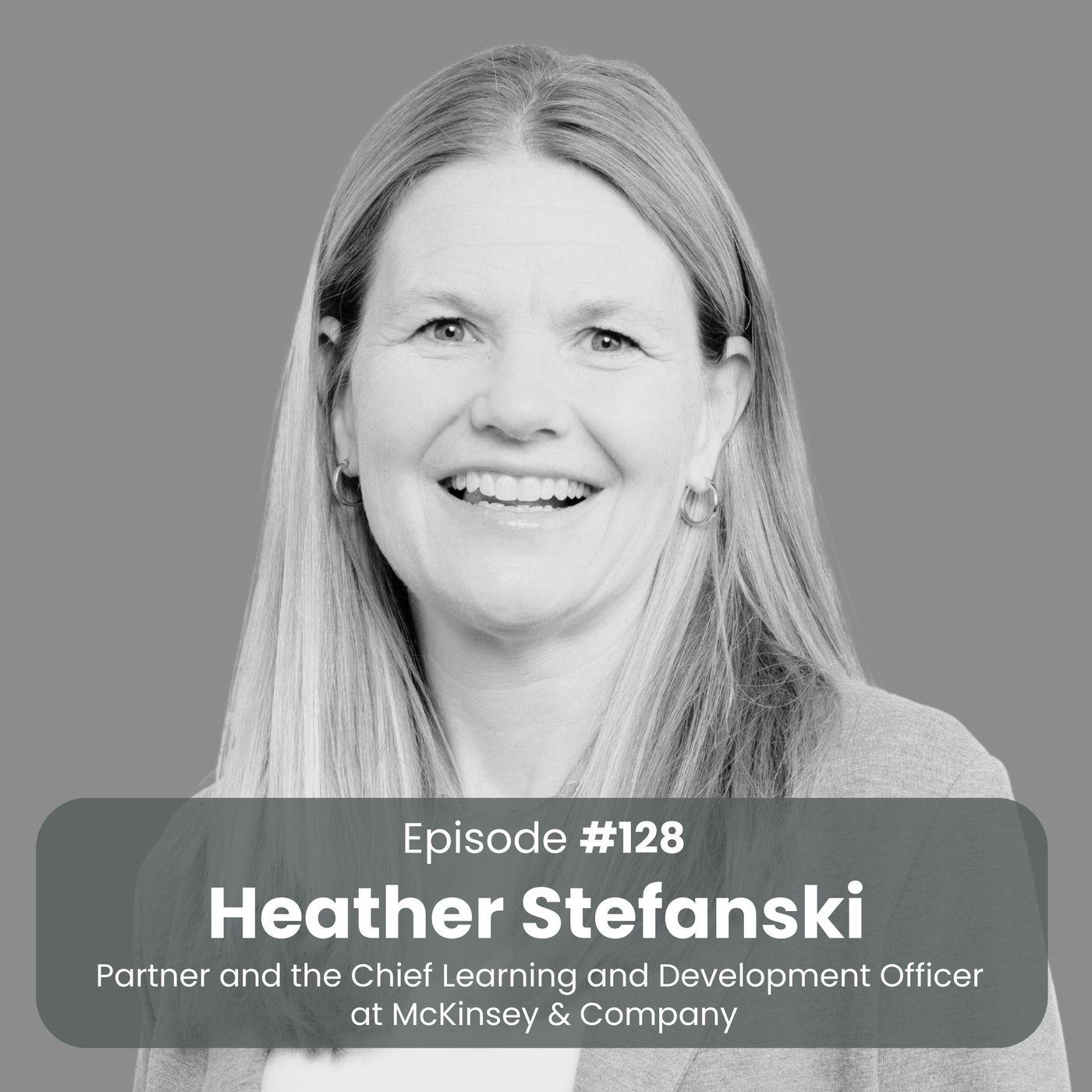
This week on the podcast, we welcome Heather Stefanski, Chief Learning and Development Officer at McKinsey & Company. We explore how organizations like McKinsey are reimagining employee development for the age of AI, shifting learning into the flow of work, focusing on systems and purposeful ap…

Learning and Development (L&D) is at a crossroads. As artificial intelligence (AI) accelerates changes in the workplace, L&D’s traditional stronghold—the creation and curation of content—is rapidly losing its strategic value. In this episode, I discuss the rapidly evolving intersection of A…
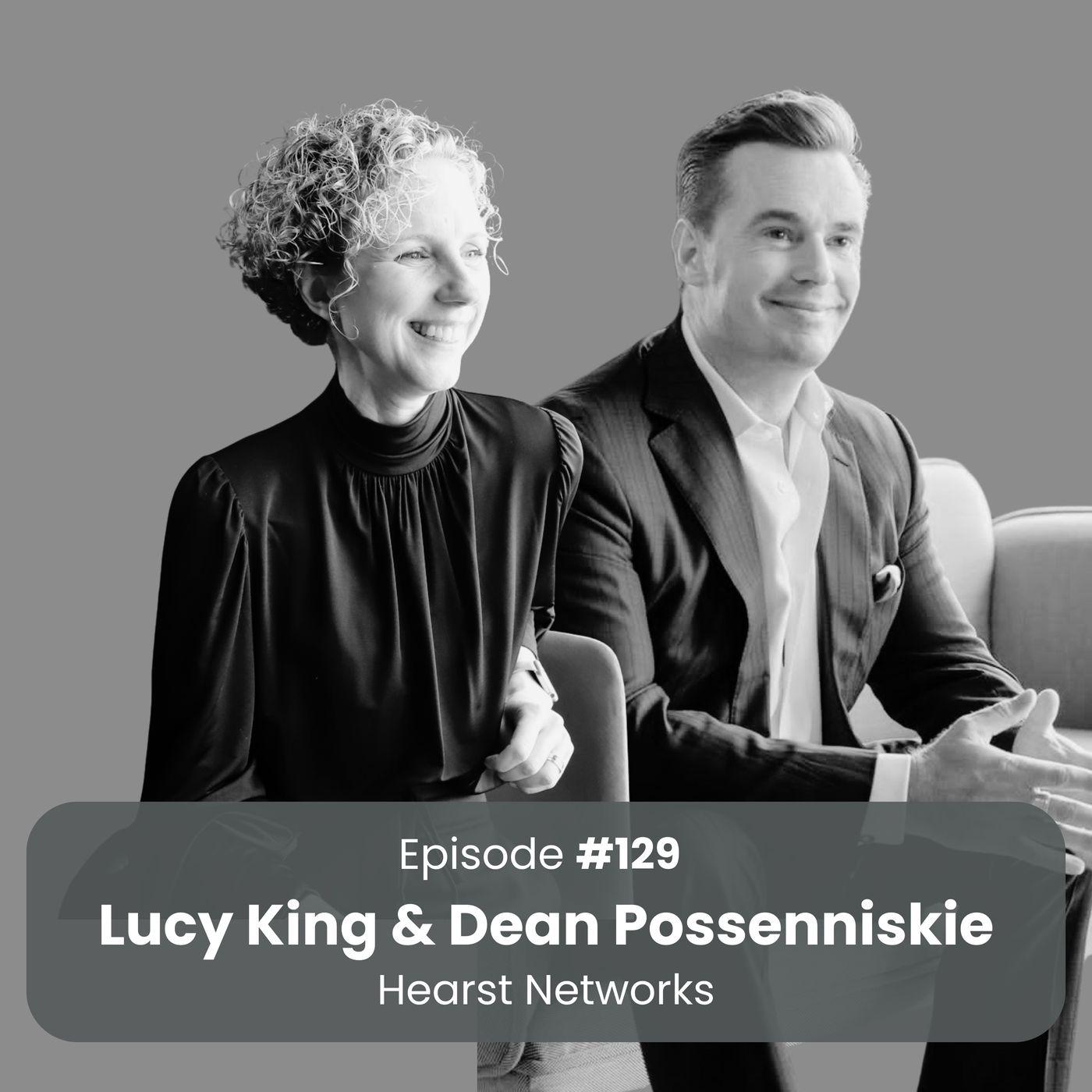
Organizational change is now a constant rather than a phase. Few stories illustrate this better than Hearst Networks’ journey, as shared by Dean Possenniskie, CEO, and Lucy King, Chief People Officer, on this episode of Workplace Stories. Moving from a legacy cable business into a diversified, high…

Frontline workers form the massive, beating heart of the global workforce, constituting up to 80% of all employees. But their enablement, experience, and upward mobility often remain quietly neglected. We sit down with J.D. Dillon, author of the upcoming Frontline Enablement Playbook, to dissect th…
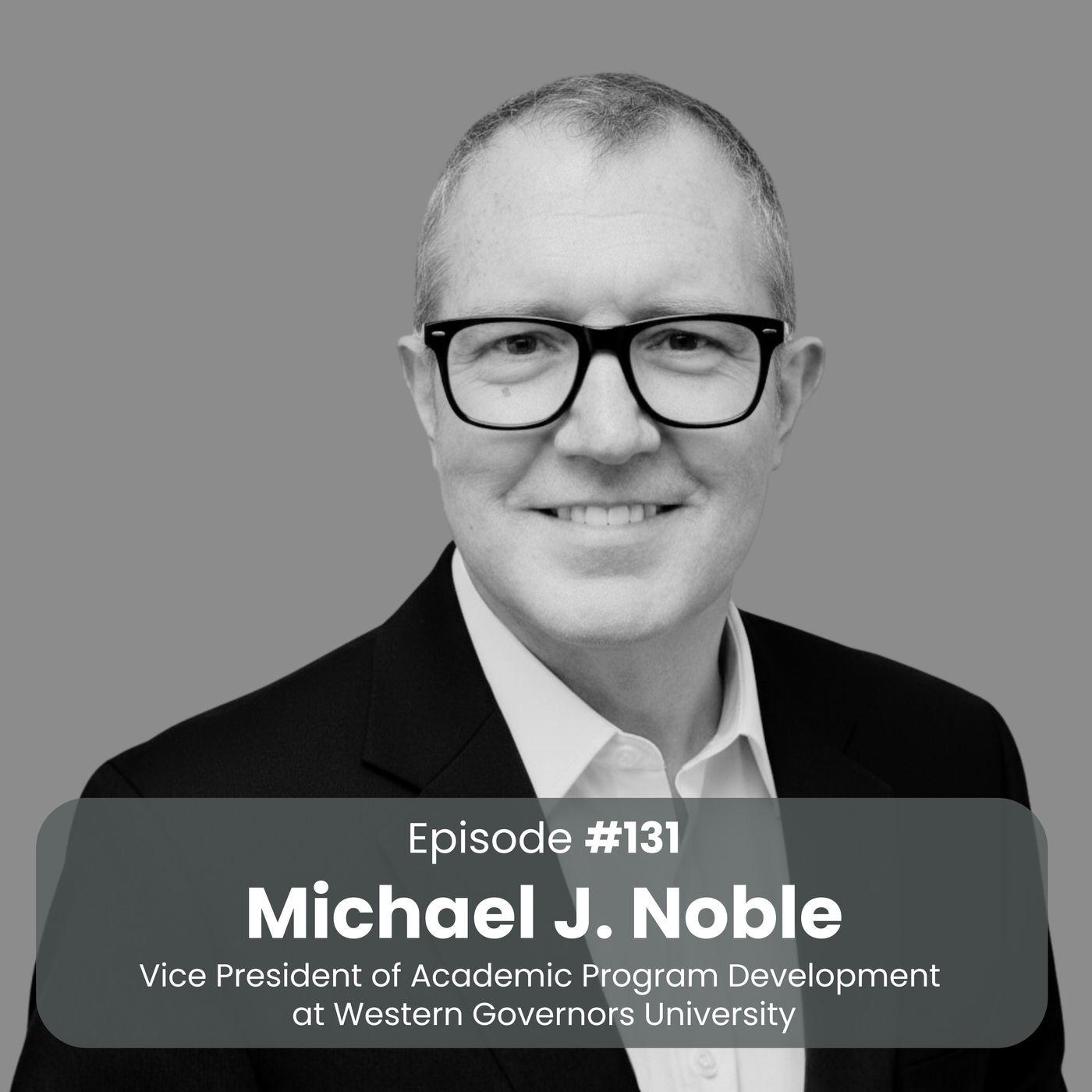
Artificial intelligence is transforming not just our workplaces, but the very nature of education and professional development. Our guest this week, Michael Noble, Vice President of Academic Program Development at Western Governors University (WGU), shares his views on how higher education can rise…
Disclaimer: The podcast and artwork embedded on this page are from Stacia Garr & Dani Johnson, which is the property of its owner and not affiliated with or endorsed by Listen Notes, Inc.
EDIT
Thank you for helping to keep the podcast database up to date.
