

ABOUT THIS EPISODE
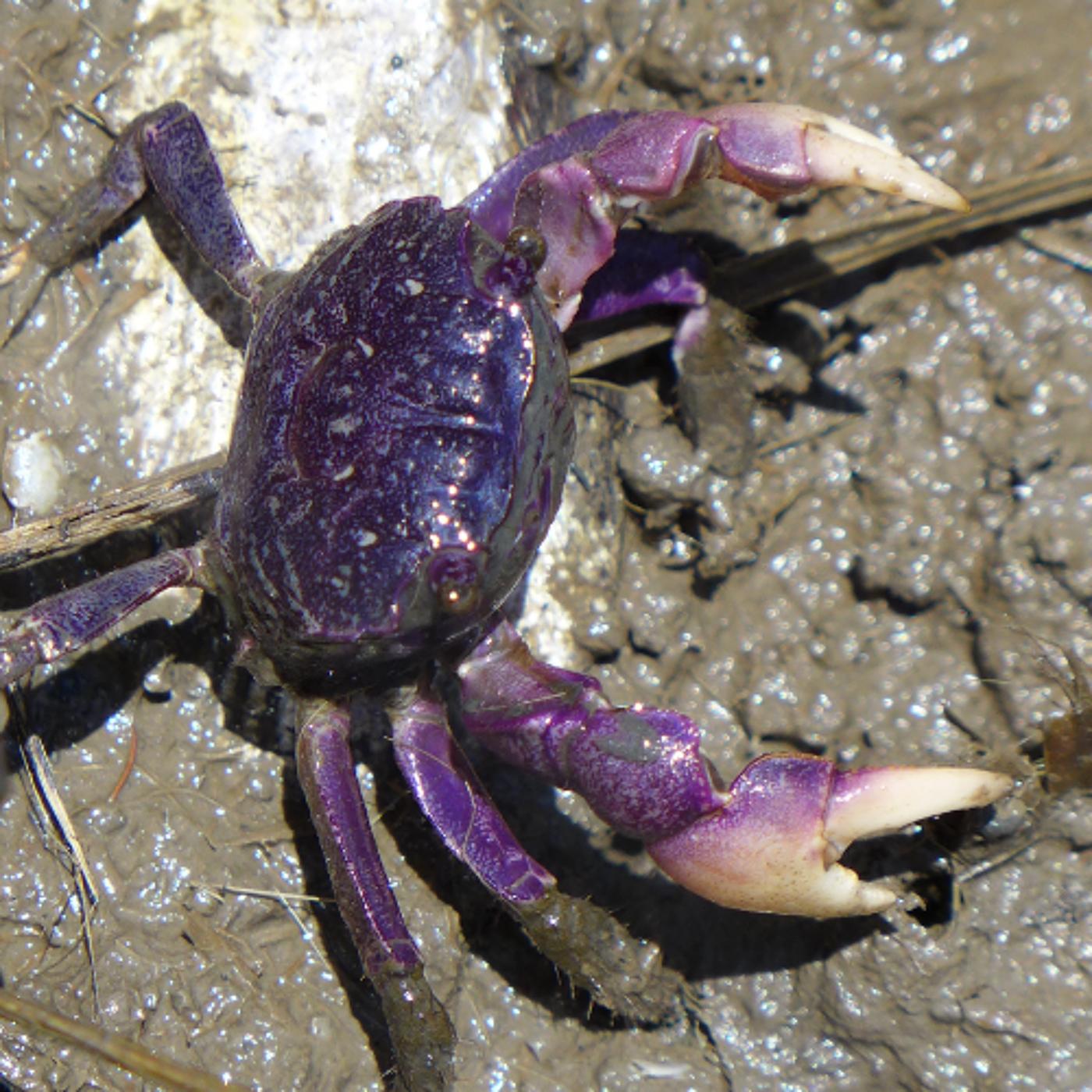
The Clinch River in Southwest Virginia is one of the oldest rivers in the world. And it’s home to 50 different mussel species. But many of them are endangered. Bruce Cahoon and his students may have recently found a clue about what’s causing the die offs. And: Virginia’s marshes are so thick and tough, hardly anything eats them. Except for purple crabs. They eat the grass and the root, leaving behind nothing but a muddy wasteland. David Johnson says armies of these purple crabs are decimating salt marshes up and down the east coast of the United States.
Later in the show: Virginia’s bay scallops virtually went extinct in the 1930’s. The culprit? A disease that killed off their natural habitat of seagrass. But Chris Patrick and Richard Snyder have recently brought them back from the brink of collapse. Plus: Cholera is no joke. It causes extreme diarrhea in humans and can be deadly within hours. Alison Burke studies what she calls the “cousin of cholera.” It’s a bacteria like cholera found in warm waters that lives and spreads in oysters. She’s looking to use a special kind of virus called a bacteriophage to decontaminate oysters before they wind up on our plates.
Later in the show: Virginia’s bay scallops virtually went extinct in the 1930’s. The culprit? A disease that killed off their natural habitat of seagrass. But Chris Patrick and Richard Snyder have recently brought them back from the brink of collapse. Plus: Cholera is no joke. It causes extreme diarrhea in humans and can be deadly within hours. Alison Burke studies what she calls the “cousin of cholera.” It’s a bacteria like cholera found in warm waters that lives and spreads in oysters. She’s looking to use a special kind of virus called a bacteriophage to decontaminate oysters before they wind up on our plates.
English
United States
IN THIS EPISODE
TRANSCRIPT 🔗
Are you the producer of this podcast?
Add a podcast transcript
Need Audio-to-Text?
Transcribe with Listen411 in Just 60 Seconds
SEARCH PAST EPISODES
Search past episodes of With Good Reason.
OTHER EPISODES IN THIS PODCAST

The personal and professional lives of musicians such as Louis Armstrong, Miles Davis, and John Coltrane cannot be divorced from the struggle for racial equality. Antonio Garcia says they contributed in significant ways to interracial understanding and social progress. Also: The composers of the Ci…

What did Jefferson mean by “life, liberty and the pursuit of happiness”? Adam Potkay explains the moral and philosophical world behind the phrase and the important passages that were edited out of the Declaration of Independence. Plus: On the evening of July 4, 1776, the Founding Fathers raced to p…
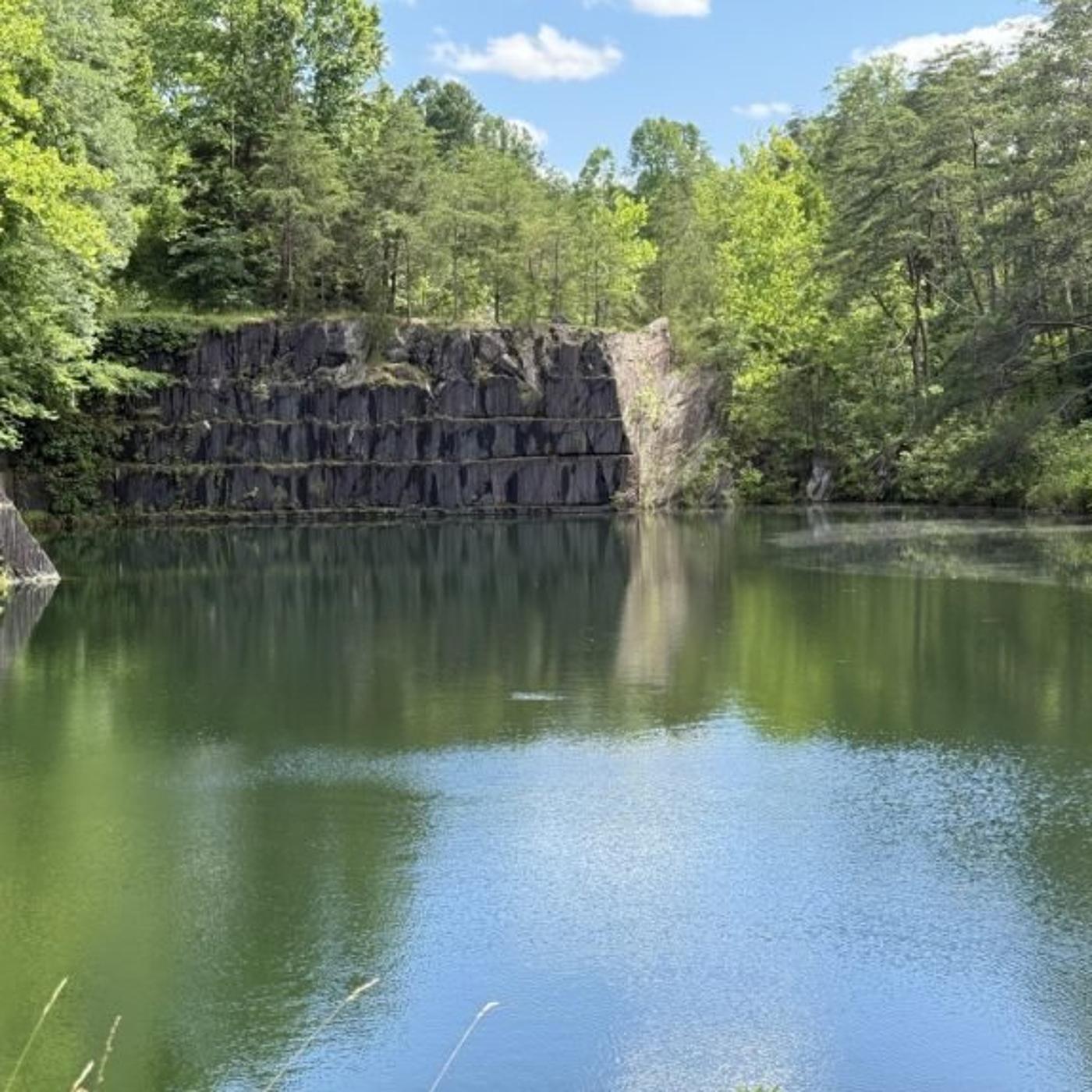
What if a well-manicured lawn isn’t the end all be all? What if it’s actually harming the local habitat? Doug Tallamy is the co-founder of Home Grown National Park. It’s a non-profit that urges property owners to reduce their lawns and plant native plants. He shares all the little things we can do …

After liberation, concentration camp survivors were left a shell of themselves - malnourished, diseased, and traumatized. Children who lost their parents and extended family had nowhere to go. Maggie Fraser Kirsh studies the caregivers who swooped in from around the world to help begin the healing …
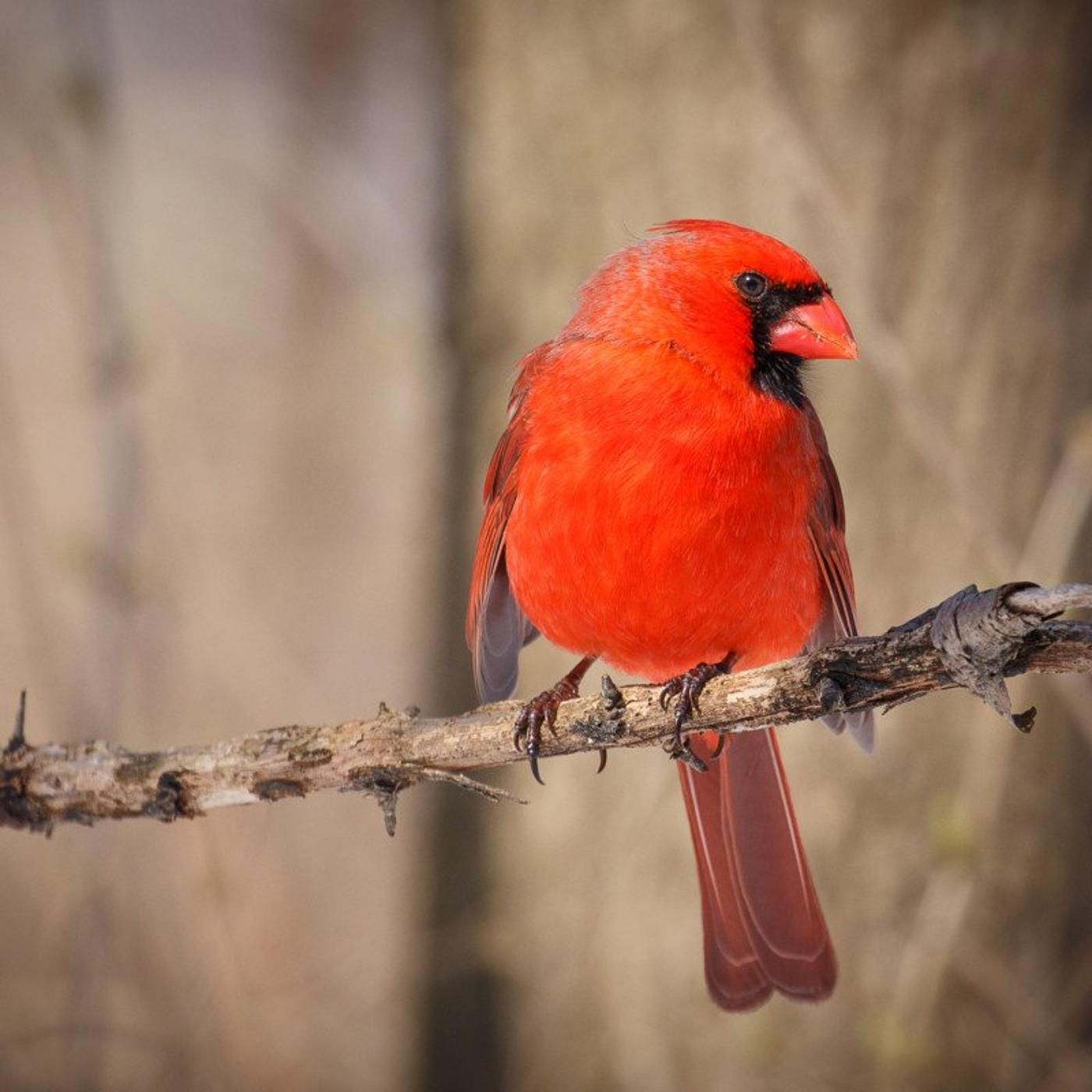
Little babies and potted plants: the stationary, the helpless... the hardest working beings in the room. Peter Vishton found that babies and plants process information in similar ways. And plants can count! Kind of. And: It’s not just in your head. Getting out in nature can improve your mood and he…
Disclaimer: The podcast and artwork embedded on this page are from With Good Reason, which is the property of its owner and not affiliated with or endorsed by Listen Notes, Inc.
EDIT
Thank you for helping to keep the podcast database up to date.
