


ABOUT THIS EPISODE

Editors’ note: This podcast was updated on 25.08.2020
How can policymakers solve the problem of non-payment of utility bills while still maintaining access to water and sanitation services?
In the developing world, urban settings often struggle to provide basic needs, including water and sanitation. Often, the challenge lies in the cost of the last mile between the main infrastructure and individual households. In this VoxDev talk, Paul Gertler discusses an innovative experiment targeted at improving payment of utility bills in slums in Nairobi, Kenya. The researchers find that shaming landlords who failed to pay their bills did not subsequently increase payments. However, a credible threat of cutting water services was enough to ensure that landlords made their utility payments.
Read "Pipe dreams: Enforcing payment for water and sanitation services in Nairobi’s slums" by Aidan Coville, Sebastian Galiani, Paul Gertler, and Susumu Yoshida here.
English
United States
TRANSCRIPT 🔗
Are you the producer of this podcast?
Add a podcast transcript
Need Audio-to-Text?
Transcribe with Listen411 in Just 60 Seconds
SEARCH PAST EPISODES
Search past episodes of VoxDev Development Economics.
OTHER EPISODES IN THIS PODCAST
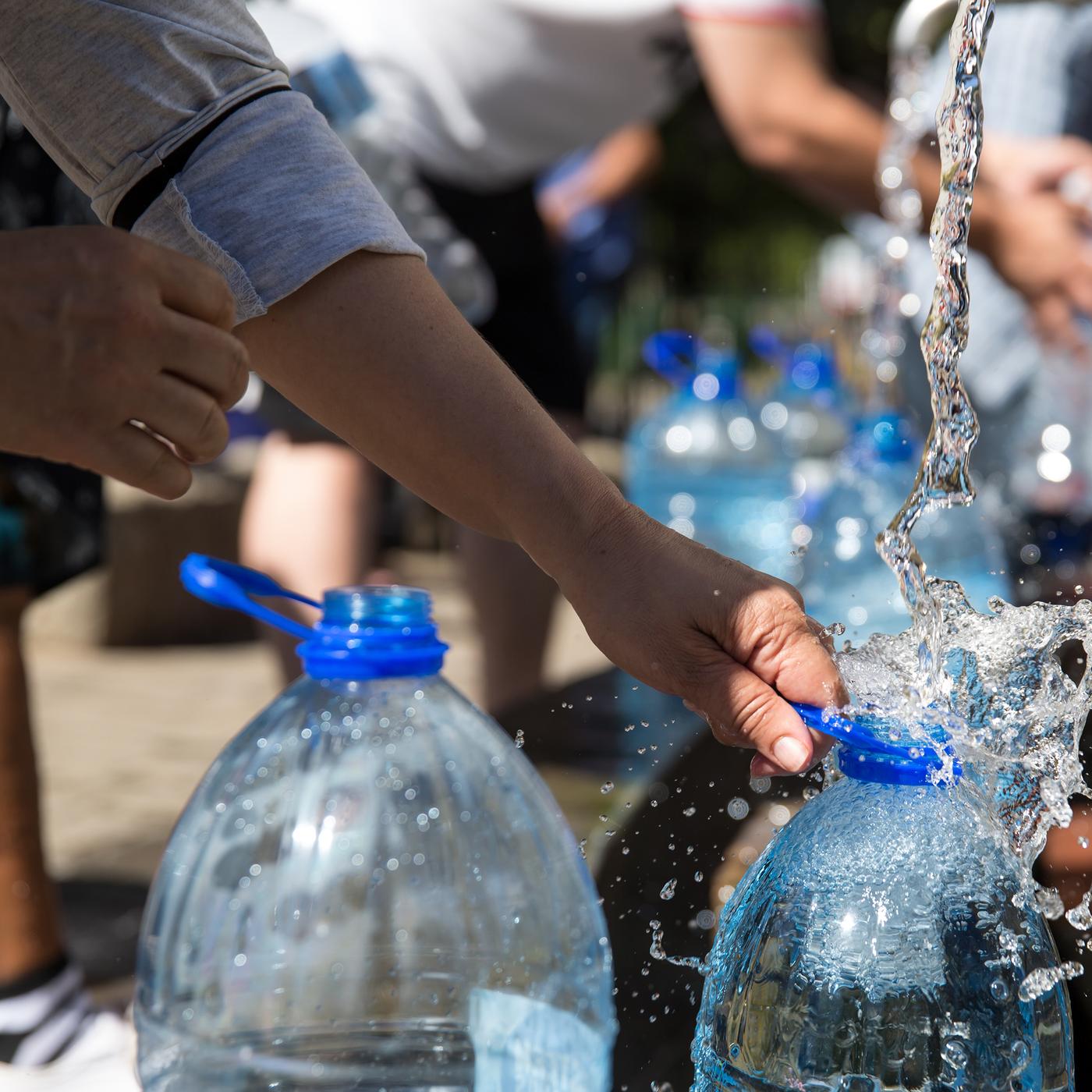
By 2018 the reservoirs supplying Cape Town were down to 20% of capacity. If they reached 13.5%, the city would need to shut down parts of the water network and send residents to collection points to fetch water. That was known as Day Zero, and the rain came just in time to avoid it.
Hugh Cole (Ci…

Many conversations about development for focus on aid: how much, from whom, and for how long. But aid has never been more than a small part of what pays for a country's development, and in 2025 it fell by 23.1%.
The need to rethink our attitude to development has inspired the Future of Developme…
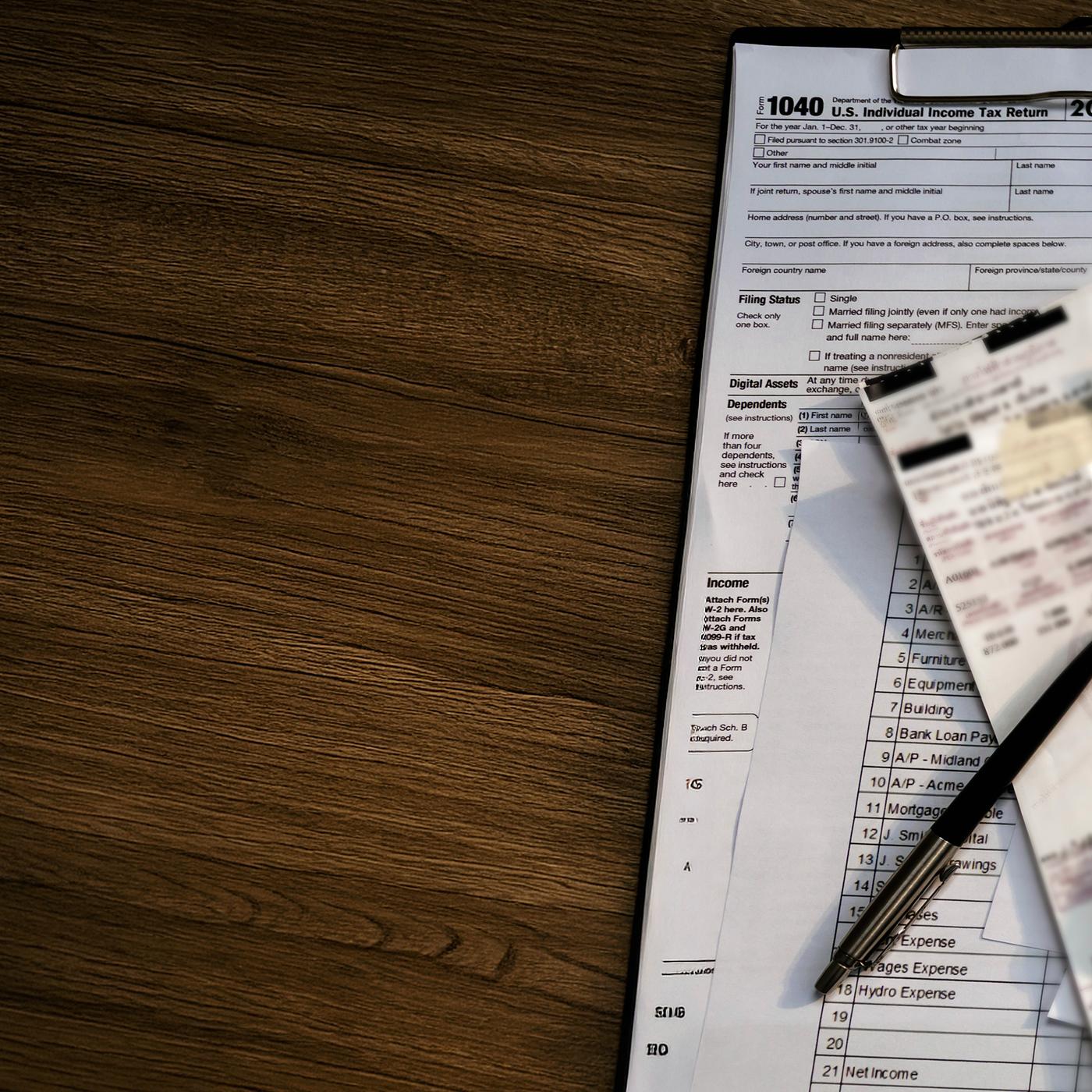
Research on how to collect more tax in developing countries has focused on how information, especially administrative data, can help. But in Uganda for example, buyers and sellers report different amounts for the same VAT transaction in 79% of cases. The invoices exist ... but nobody in the tax a…

The ballot cast by a landless labourer counts the same as the one cast by the landlord whose fields he works. In this way, democracy can give excluded or subordinate groups access to political power.
That's not what has happened, at least, not in large parts of the Global South. Amit Ahuja (UC Sa…
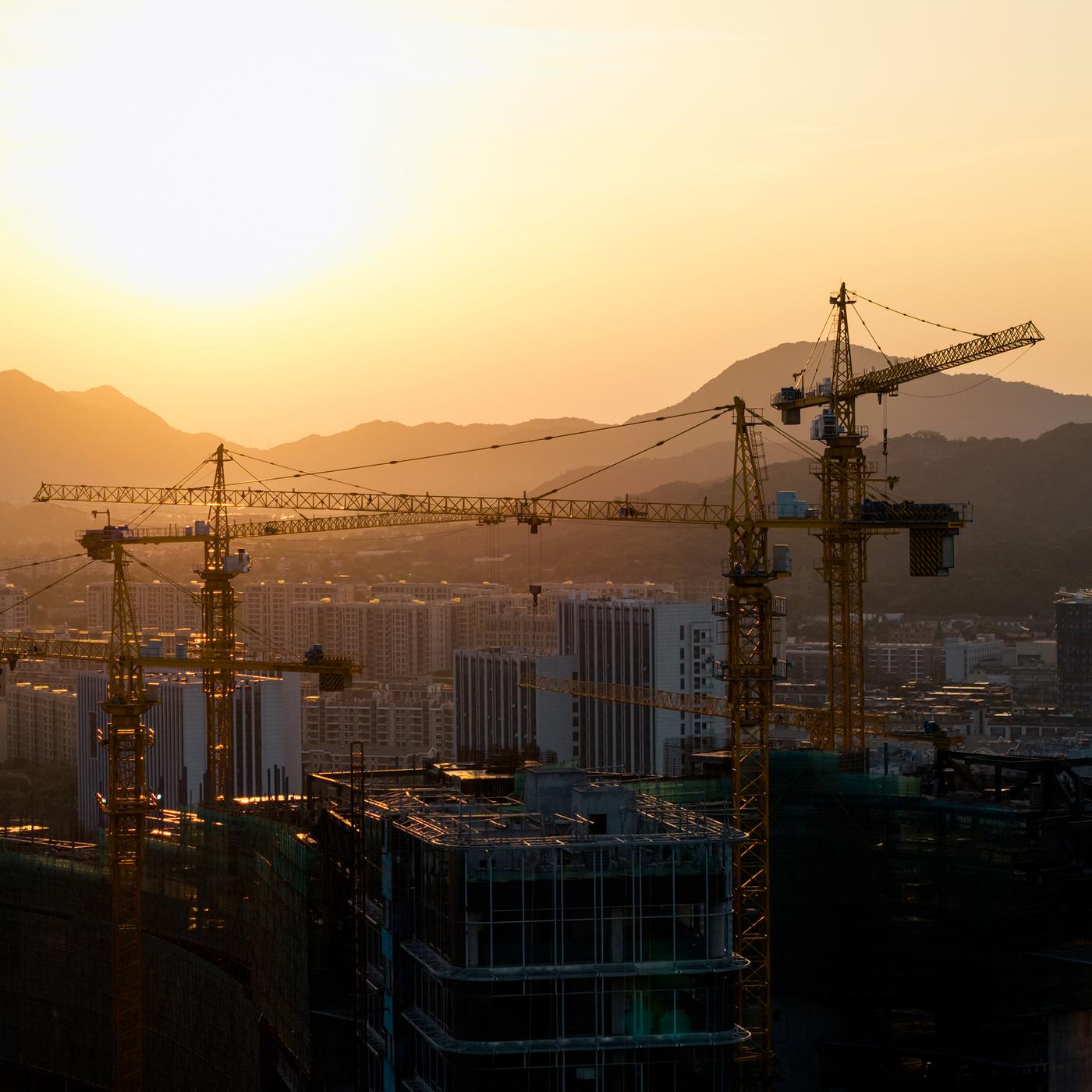
In 1978, a farmer in rural China could not sell a sack of grain above the state quota, choose an employer, or move to the nearest city without a permit.
In this week's VoxDev Talk, Kaiji Chen and Tao Zha (both Emory University and Atlanta Fed) explain how China dismantled barriers like this one a…
Disclaimer: The podcast and artwork embedded on this page are from VoxDev.org, which is the property of its owner and not affiliated with or endorsed by Listen Notes, Inc.
EDIT
Thank you for helping to keep the podcast database up to date.
