

ABOUT THIS EPISODE
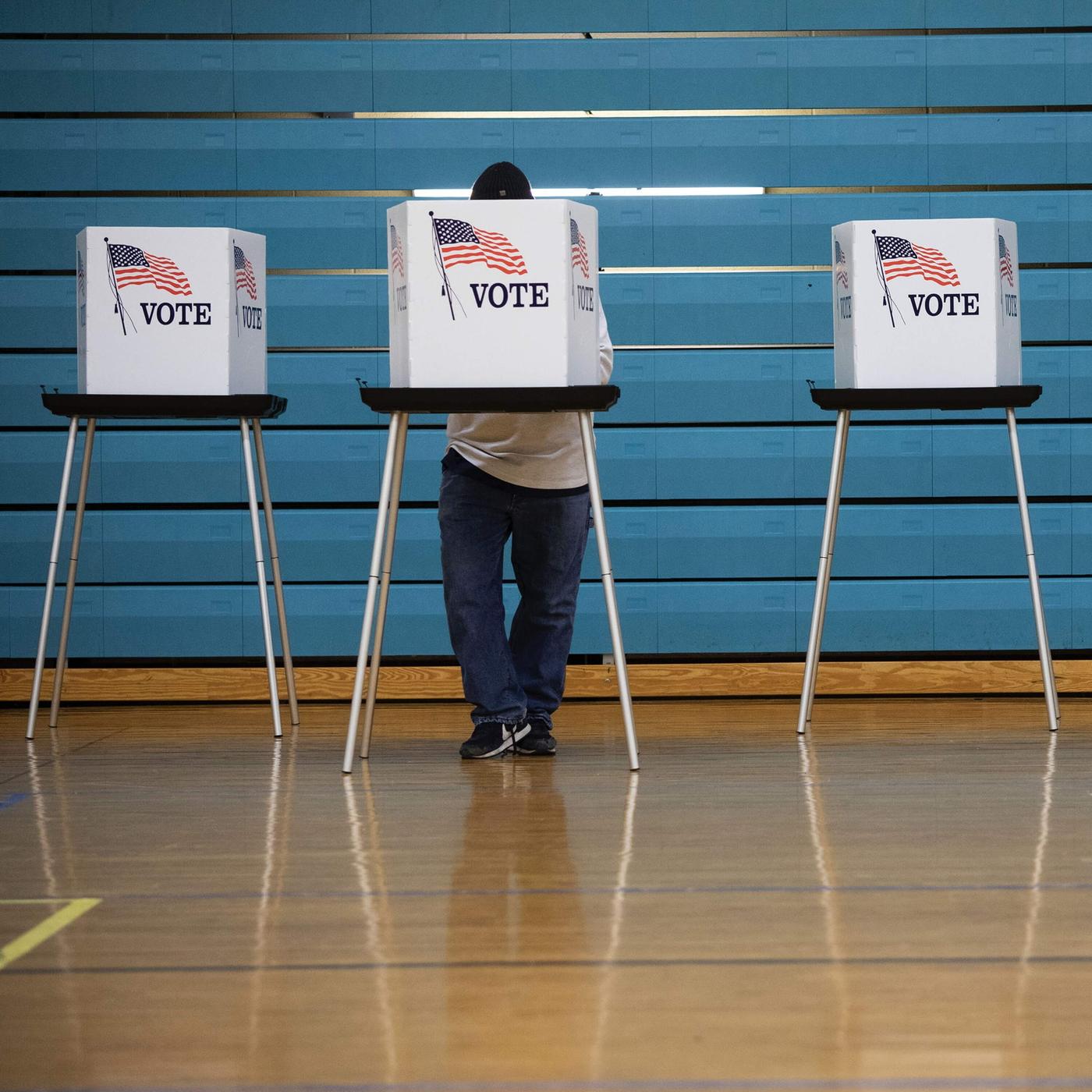
Today on the show, the balance of Congressional power is up for grabs in this midterm election. It could be determined by a small number of voters in a few battleground states. Blueprints from the past could be the guide for big wins. The GOP has embraced a block-the-vote strategy set in motion in Arizona in the 1960s. And the Democrats are embracing a grassroots power base set up in Michigan in the 1970s.
Guests:
John A. Jenkins, author of The Partisan: The Life of William Rehnquist
Tova Wang, Director of Research Projects in Democratic Practice at the Ash Center at the Harvard Kennedy School and author of The Politics of Voter Suppression: Defending and Expanding Americans' Right to Vote.
Ismael Ahmed, co-founder of the Arab American Center for Economic and Social Services.
Sally Howell, Professor of History with a focus on Arab American studies at the University of Michigan-Dearborn.
Support public media with NPR+ and enjoy perks for over 25 podcasts like this one. This show’s perks include sponsor-free listening. Learn more at plus.npr.org.
Correction: An earlier version of this episode incorrectly said that Michigan voters could send the first Arab American to the Senate. South Dakotan James Abourezk became the first Arab American U.S. senator in 1973.
See pcm.adswizz.com for information about our collection and use of personal data for sponsorship and to manage your podcast sponsorship preferences.
NPR Privacy Policy
English
United States
TRANSCRIPT 🔗
Are you the producer of this podcast?
Add a podcast transcript
Need Audio-to-Text?
Transcribe with Listen411 in Just 60 Seconds
OTHER EPISODES IN THIS PODCAST

We live in a moment with almost daily reminders of how fragile life on Earth is whether it be from climate change, nuclear weapons or AI. In this episode, we bring you a story from the not-so-distant past when we learned what drove dinosaurs to extinction. And how it might have helped us avoid the …

The Eighth Amendment. What is cruel and unusual punishment? Who gets to define and decide the amendment's boundaries? And how did the Constitution's authors imagine it might change? In this hour, the shifting definition of cruel and unusual punishment. This episode was originally published in Janua…

NPR’s Anas Baba is one of the last remaining journalists in Gaza working full-time for an American news organization. A year into the ceasefire, more than 1400 people have been killed in Israeli attacks, nearly 5,000 injured. And those numbers rise nearly every day. What has the last year looked an…
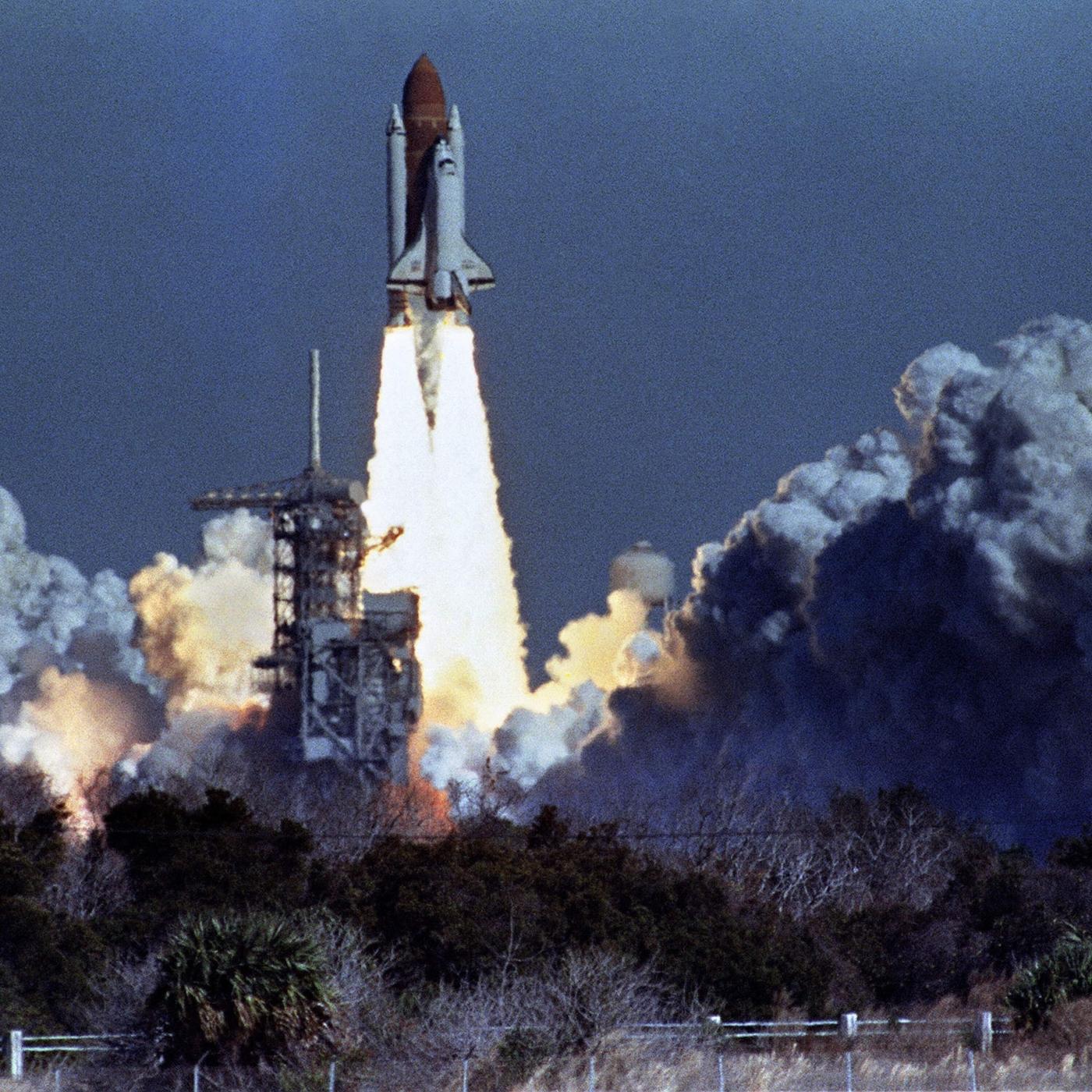
On January 28, 1986, the Space Shuttle Challenger exploded 73 seconds after liftoff. All seven astronauts onboard died. Brian Russell, an engineer who worked on the shuttle, had spent months warning NASA that freezing temperatures could cause a critical seal to fail. In this episode, Brian Russell …

Call it standing ovation inflation: these days, it feels like it's mandatory to stand and clap for live performances. Has our please clap era gone too far? That's what one Throughline listener wanted to know. So we traced the winding road from Shakespeare’s epilogues to Broadway divas to ridiculous…
Disclaimer: The podcast and artwork embedded on this page are from NPR, which is the property of its owner and not affiliated with or endorsed by Listen Notes, Inc.
EDIT
Thank you for helping to keep the podcast database up to date.
